







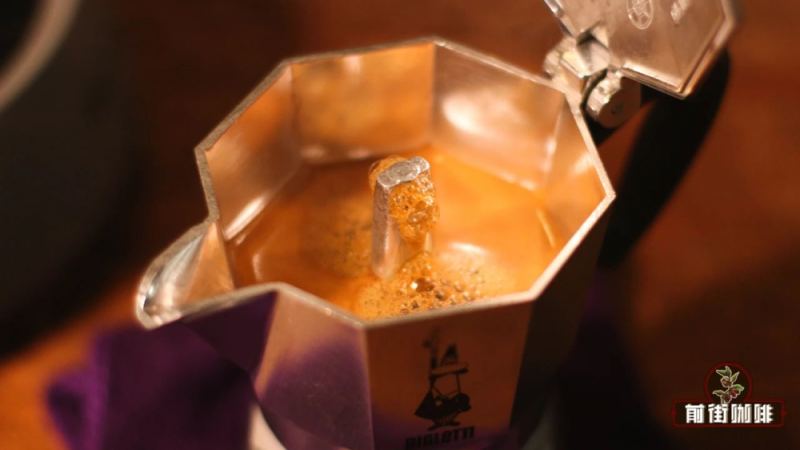
Grind Size and Brewing Details for Moka Pot Coffee
The Moka pot brews strong coffee using a fine grind and pressurized extraction. Grind size is not overly demanding: aim for a consistency between espresso powder and table salt. Too coarse causes under-extraction, while too fine can clog the filter and create pressure buildup. Always keep the water level below the pressure relief valve and fill the basket level without tamping.
Coffee dose and water amount also affect crema and flavor. Different Moka pot sizes require different amounts of coffee, and grind coarseness changes volume. Fill the basket loosely and level it off; do not press down. For milk drinks, a dark roast works well; for black coffee, try a light roast with floral or fruity notes. Adjust grind if brewing takes too long or tastes weak.
The Moka pot, with its fine grind and pressurized extraction, can brew quite a strong coffee, but how exactly to choose the grind size gives many people a headache. In fact, the Moka pot isn't very demanding about grind size—slightly coarser than espresso's ultra-fine powder, close to fine salt granules, is just right. Too coarse and extraction will be insufficient; too fine and it may clog the filter basket, posing a safety hazard. Besides grind, the amount of coffee and water are equally crucial: just fill the filter basket level and scrape it flat, and keep the water level below the pressure relief valve. As for beans, a dark-roasted blend suits lattes, while a light-roasted floral-fruity profile is better for drinking black. Below, drawing on the recommendation of Front Street Coffee's Classic Blend, we'll break down the complete Moka pot process step by step, from choosing the grind and adding water to heating and turning off the heat, and offer adjustment ideas for over- or under-extraction.
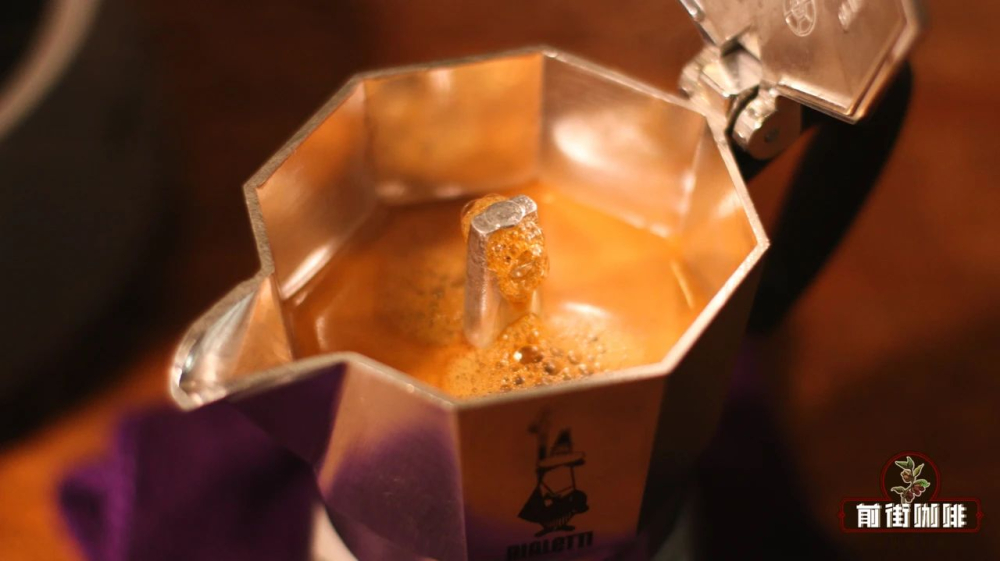
Coffee brewed with a Moka pot comes out on the strong side, which has to do with the fine grind and the pressurized extraction method. But when it comes to how fine the coffee should be ground, many people find it hard to judge.
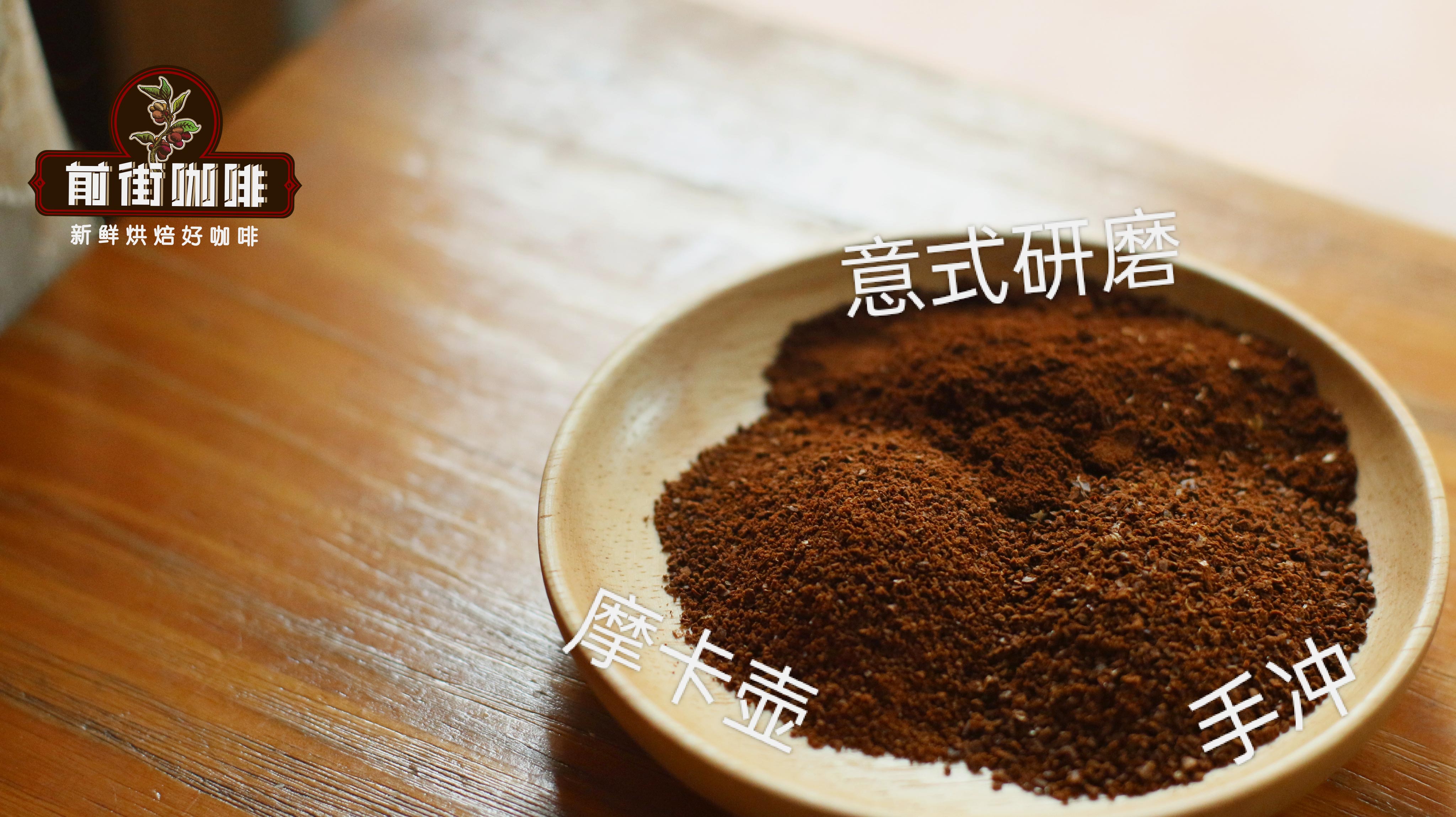
In fact, compared with other brewing methods, the Moka pot is fairly forgiving about grind size. It doesn't need the ultra-fine powder that espresso requires—grinding to a consistency close to fine salt is enough.
Pour-over's coarse-sugar-like granules, or Turkish coffee's flour-fine powder, are both unsuitable. When the grind is too coarse, the puck offers insufficient resistance, hot water passes through too quickly, and the coffee compounds don't have time to be fully extracted—resulting in under-extraction. When the grind is too fine, the resistance is too great, hot water builds up in the filter basket and can't escape, creating a risk of the pot exploding! So if you notice the water has been boiling for a long time but the liquid still isn't coming out, it's best to turn off the heat immediately, adjust the grind, and brew again—safety always comes first.
How much coffee to put in a Moka pot
Different sizes of Moka pots take different amounts of coffee, and coffee grounds of different coarseness also differ in volume. At the same weight, the finer the grind, the smaller the volume. When volume changes, extraction results change with it—which is why you often can't brew a good cup following the official recommended dose: differences in grind lead to deviations in extraction.
So the simplest approach is: just fill the filter basket with coffee grounds and scrape it level, which gives a higher margin for error during extraction. The amount of coffee needed to fill the basket is the most suitable dose for this Moka pot at the current grind setting. Front Street Coffee suggests writing this number down—it'll come in handy when adjusting your approach later.
How much water to add to a Moka pot
The amount of water is also a commonly asked question. Take out the Moka pot's lower chamber, and you'll see a metal valve in the water reservoir—it's called the "pressure relief valve."
This valve's purpose is to prevent the pot from exploding due to excessive pressure caused by too fine a grind or other reasons. If you add too much water and it submerges the valve, the pressure relief valve may fail, raising the risk of explosion. So Front Street Coffee suggests keeping the water level below the valve. Likewise, to make extraction easier to adjust, Front Street Coffee suggests recording the amount of water you add each time.
What coffee beans suit a Moka pot
Front Street Coffee can say quite directly: a Moka pot can extract almost any bean. What to choose specifically depends on your needs. If you want to use Moka pot coffee for lattes, pick a dark roast that produces a rich crema, with enough solid bitterness not to be masked by milk; if you want a refreshing black coffee, a light roast with prominent floral and fruity notes will be more suitable. How to choose is entirely up to your own taste preferences.
Here at Front Street Coffee we're using the well-regarded Front Street Coffee Classic Blend beans, a recipe combining three origins—Brazil, Indonesia, and Vietnam—with a dark roast that brings out the coffee's rich aroma to the fullest and easily extracts a rich, dense crema. It's suitable whether for an Americano diluted with water or a latte with milk, and can be purchased from the Front Street Coffee Taobao store or the Front Street Coffee Tmall flagship store.
These are the points to note. Next, let's move on to the tutorial for making Moka pot coffee.
Moka pot operating steps
First, gather all the materials you need: coffee grounds, water, the Moka pot, and a heat source to heat it with.
1. Add water: First pour in an appropriate amount of hot water. Using hot water shortens the time to boil and lets us enjoy a cup of Moka pot coffee sooner.
2. Load the coffee grounds: Put an appropriate amount of coffee grounds into the filter basket, then place the basket into the lower chamber.
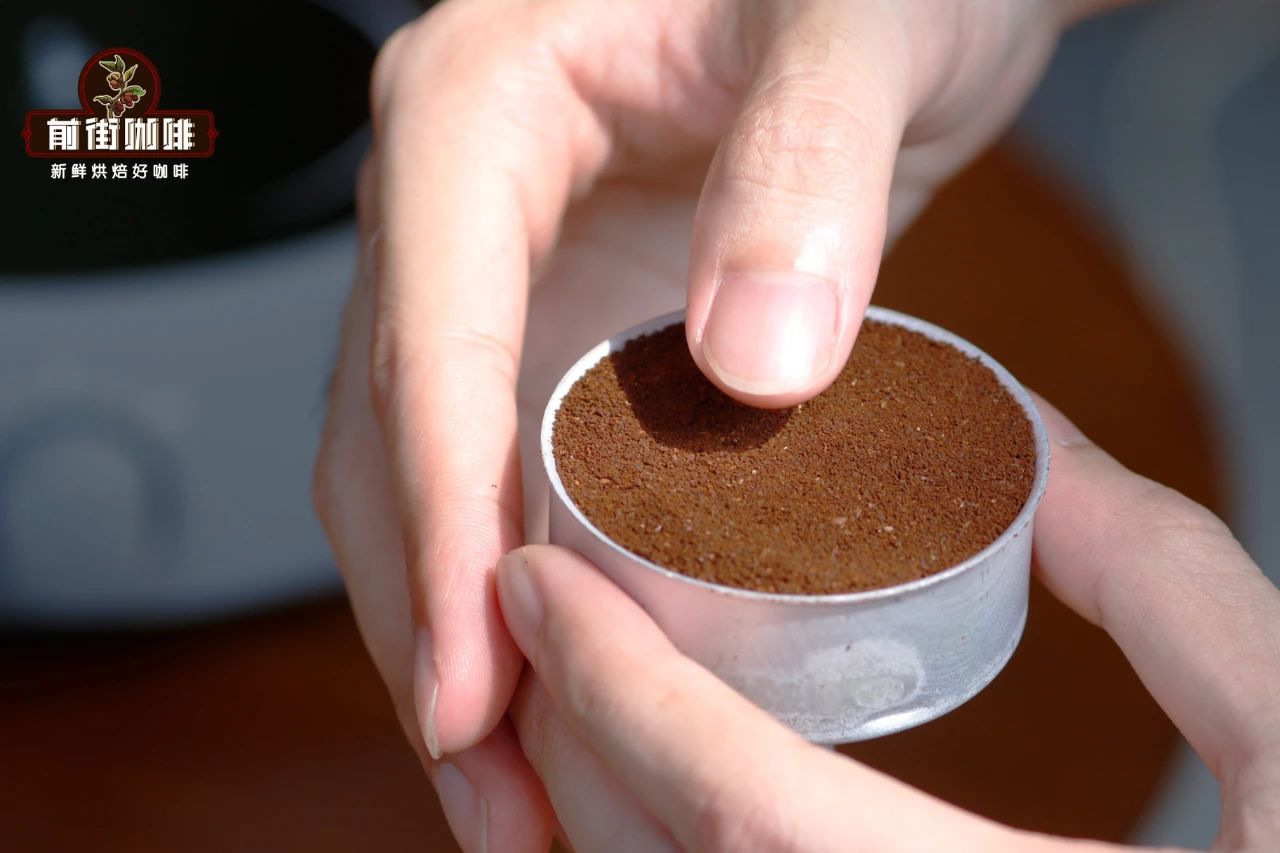
Note that after pouring the coffee grounds into the basket, it's best to tap the basket gently a few times so the grounds settle naturally and fill the gaps, reducing channeling. Once filled, just scrape the surface level with your finger. Note: if the grind is too fine, it's best not to tamp, otherwise the basket's resistance will increase and hot water will have even more trouble passing through.
3. Tighten the upper and lower chambers together: At this step, note that if you've filled it with hot water, it's best to use a damp cloth for insulation to prevent burns.
4. Place it on the heat source and start brewing: There's not much to say here—just put the Moka pot on a heat-conducting source and heat it.
5. Turn to low heat and wait for the coffee to seep out: When the Moka pot makes an obvious sound, it means the hot water, driven by steam, is about to surge out with the coffee compounds—this is when you should turn the heat down.
Otherwise, high heat will keep producing steam and increasing pressure, and the hot water, pushed by pressure, will speed up its flow; the coffee compounds won't have time to be extracted, and the final cup will taste thin. So when the coffee is about to come out, it's best to lower the heat.
6. Stop heating and wait for extraction to finish: When about half the coffee has come out, it's time to turn off the heat, because the residual heat inside the pot is enough to "push" out the remaining hot water.
7. Taste the coffee: Once the Moka pot stops releasing liquid, you can pour it out and taste it.
If you taste an obvious burnt bitterness when drinking, it means over-extraction—next time, appropriately reduce the amount of extracted liquid and end extraction earlier. If it tastes rather sour with off-flavors, that's most likely under-extraction—you can adjust the grind. If the grind can't be adjusted, then increase the extraction rate by adding a little more water. After a few tries, you'll master the method for brewing a delicious cup of Moka pot coffee.
The above content is compiled by CoffeeHunters, a coffee news website.


