







Exquisite coffee from Costa Rica Tarrazú: how raisin honey processing shapes flavor
Costa Rica's Tarrazú region is known for honey-processed coffee, a method that keeps the sticky mucilage layer on the bean and dries it in the sun instead of fermenting it away. This produces prominent sweetness, moderate acidity, and a soft mouthfeel. The Musician Series from Canet Estate—Bach, Beethoven, and Mozart—shows how that technique translates into cup character.
Honey processing never adds actual honey; the name refers to the mucilage, which resembles honey and grows stickier as it dries. Tarrazú's high altitude and distinct wet and dry seasons support slow cherry maturation, which helps build the sweetness and body found in these lots. Tasting notes often lean toward raisin, dark sugar, and stone fruit.
Honey processing does not mean adding honey; rather, it is a processing method that retains the mucilage layer and dries the beans in the sun. Costa Rica has brought this technique to perfection. From the perspective of Front Street, this article systematically reviews the regional advantages and flavor characteristics of Costa Rican coffee, with a focus on analyzing the Musician Series from Canet Estate in the Tarrazú region—Bach, Beethoven, and Mozart—covering their processing methods, varieties, and flavor profiles, along with Front Street's brewing recommendations, to give you a comprehensive understanding of the mysteries of raisin honey processing and key tasting points.
Many people, upon first hearing "honey processing," mistakenly think that honey is added during processing. In fact, this is not the case. The single word "honey" is enough to spark associations, especially since coffee itself can have a honey-like sweetness. Front Street often receives inquiries about the honey processing procedure, which shows that coffee enthusiasts are full of curiosity about this method. Today, Front Street will answer these questions.
When it comes to the pinnacle of honey processing craftsmanship, Costa Rica is unmatched. Although most Costa Rican coffee today still uses the traditional washed method, Front Street has always believed that honey processing is the country's most brilliant coffee feature. Honey-processed coffee beans have a prominent sweetness; compared with washed processing, the sweetness is superior, the acidity is moderate, and it does not taste too sharp on the palate. So what exactly are the steps of honey processing?
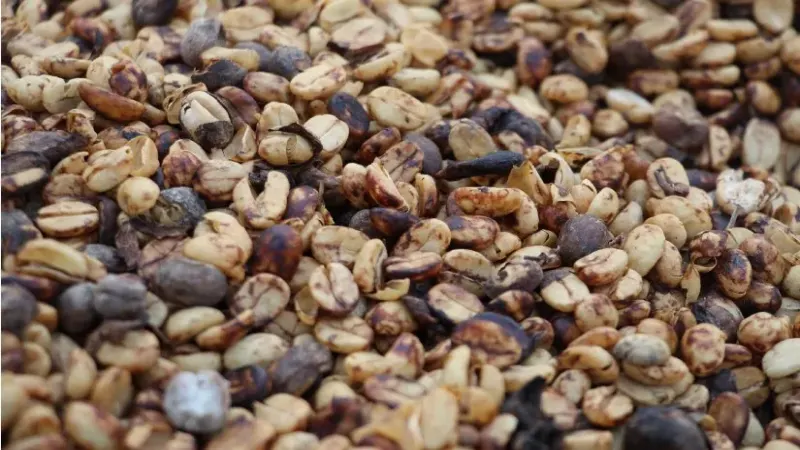
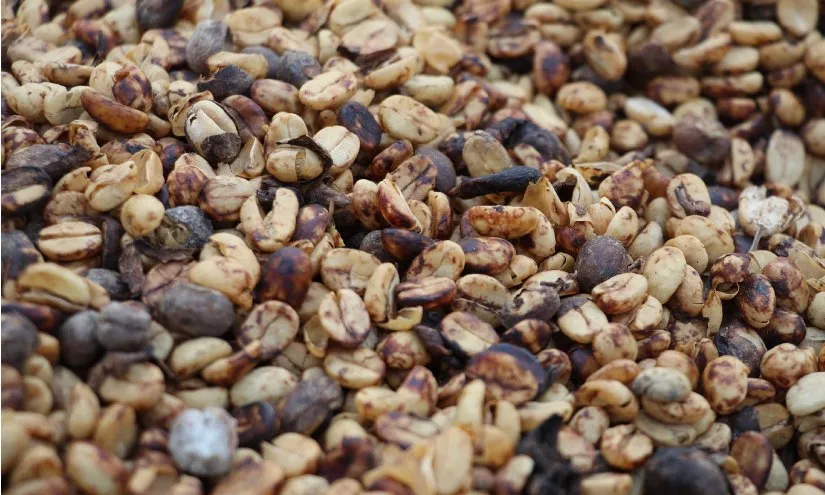
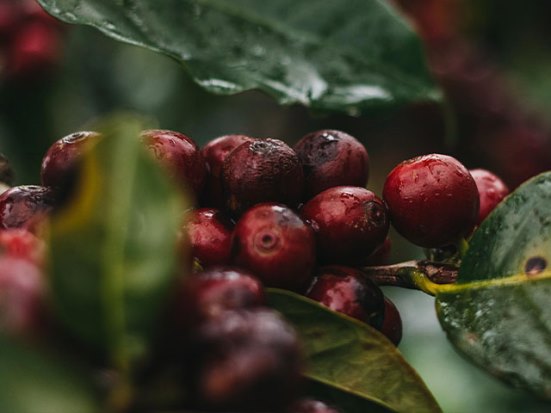
The first step is selecting beans. After removing the skin and pulp from high-quality coffee cherries, the mucilage layer wrapping the beans is exposed. Unlike washed processing, which ferments the mucilage, honey processing directly retains this layer and then dries the beans in the sun. Before sun exposure, the mucilage layer is extremely sticky, resembling honey; after sun drying, the mucilage absorbs moisture from the air and becomes even more viscous. Because of this, the processing method is named "honey processing."
Anyone familiar with coffee knows that Costa Rica has a long coffee culture, not only with exquisite craftsmanship but also producing world-class high-quality coffee. Whether in terms of natural conditions or continuous efforts, Costa Rica is an outstanding coffee-producing country. Although its land area ranks third from the bottom in Central America, its economic level is better than half of its neighbors. Locals say that coffee changed this country and enabled its people to enjoy a prosperous life. Coffee's contribution to this nation is truly extraordinary.
Front Street believes that the flavor of Costa Rican coffee can be considered a model of top-quality coffee, and its reputation as "superior coffee" is by no means empty talk. Its flavor is consistently balanced and stable, with a mild mouthfeel, bright acidity, rich aroma, good body, and an overall excellent balance, making it widely popular.
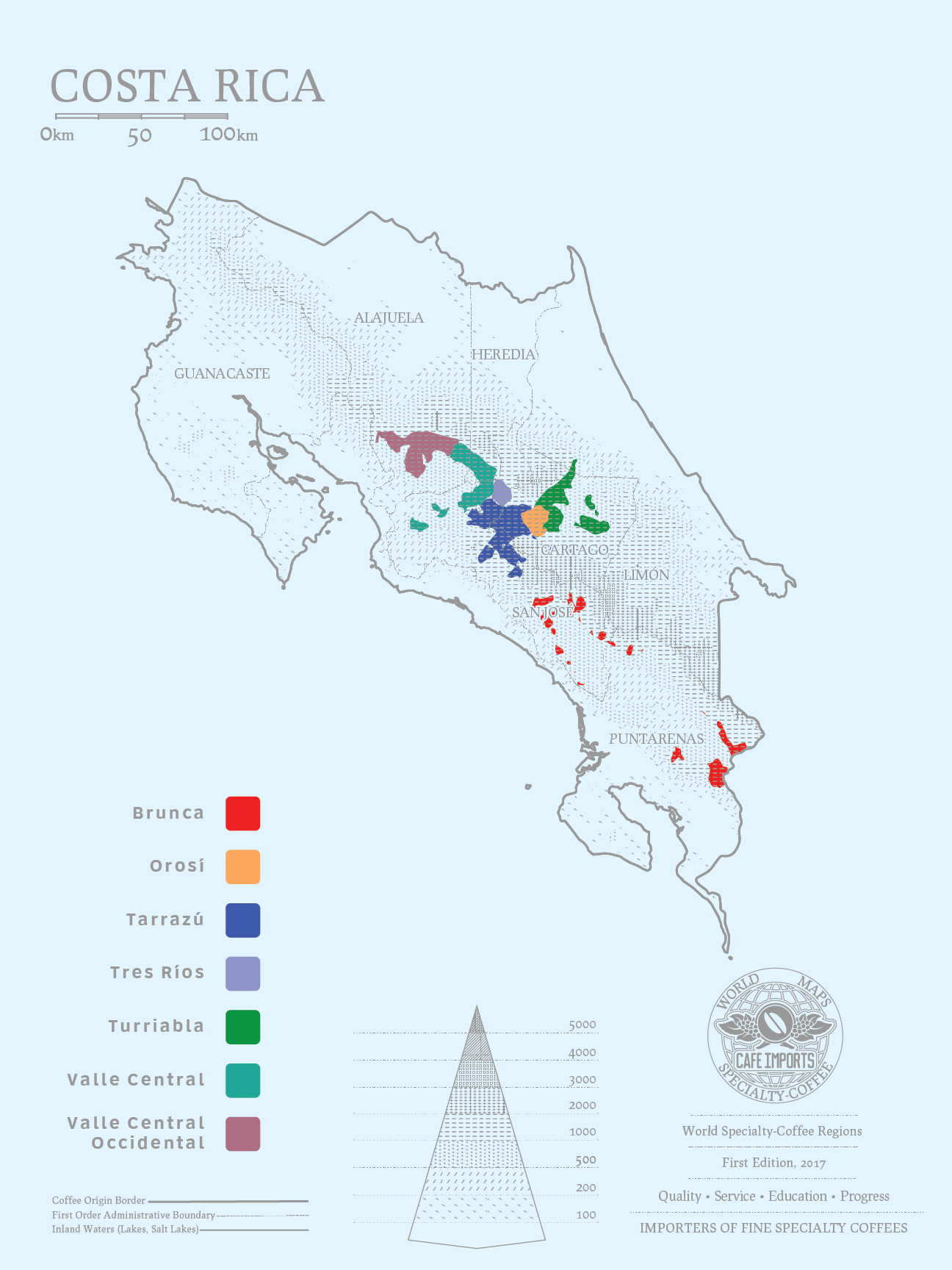
Why is Costa Rican coffee so delicious? Many factors affect flavor: variety, origin, cultivation methods... Front Street believes it is helpful to analyze Costa Rica's coffee regions. The country has seven producing regions: Turrialba Valley, Central Valley, Western Valley, Tres Ríos, Brunca, Orosi, and Tarrazú. Among them, Central Valley, Tarrazú, and Brunca are the most famous. Next, Front Street will combine this with our own coffee beans to begin today's educational overview.
Among Costa Rican coffees, the most well-known is Front Street's Musician Series from Canet Estate, and all the beans in this series come from the Tarrazú region. Tarrazú is renowned in the specialty coffee world and is one of the world's major coffee-producing areas. At the 2014 COE competition, 17 of the 23 winning beans came from Tarrazú. Tarrazú is located in Central America's fertile volcanic region, with a humid climate, fertile volcanic soil, abundant rainfall year-round, high altitude, and dense forests providing natural shade, creating excellent conditions for coffee growth. No pesticides or artificial fertilizers are used during cultivation. Nearly 95% of the coffee beans produced in the high mountain areas of Tarrazú are Strictly Hard Bean (SHB), typically grown above 1,500 meters.
Front Street's store currently offers three Costa Rican Musician Series coffee beans: Front Street Bach, Front Street Beethoven, and Front Street Mozart. Below is an introduction to each.
Front Street Costa Rica Canet Estate Musician Series Bach
Country: Costa Rica
Region: Tarrazú
Altitude: 1950m
Processing method: Raisin honey processing
Grade: Strictly Hard Bean SHB
Variety: Caturra
Flavor description: Sweet and varied fruits—strawberry, apple, lemon, grape, and citrus—display a diversity of flavors, with unforgettable notes of honey and toffee. A silky, creamy, delicate body, with a long finish like top-grade Indian Darjeeling black tea.
The dry aroma of Front Street Bach coffee carries fruit notes such as strawberry, blackberry, and raisin, and it also releases waves of fruity aroma during brewing. Just after brewing, the floral and fruity notes are obvious. On the palate, you can feel rich fruit aroma and a sweet-tart sensation, with a slight winey note in the middle and finish, like red wine. After cooling, it has a candied fruit sweetness, the winey note becomes more pronounced, and you can even sense a plum wine flavor. Every sip feels like being immersed in the splendor and rigor of Baroque aesthetics.
Front Street Costa Rica Canet Estate Musician Series Beethoven
Country: Costa Rica
Region: Tarrazú
Altitude: 1,900m
Processing method: Washed processing
Grade: SHB
Variety: Yellow Catuai
Flavor description: Aromas of green grape, vanilla, strawberry, melon, and citrus, with the acidic aroma of red pomegranate juice, good cleanliness, a smooth mouthfeel, and a touch of green kiwi acidity.
The most famous figure in Romantic classical music is none other than Beethoven, and the coffee beans that evoke Beethoven's music naturally have remarkable flavor. The dry aroma has obvious red berries, with strawberry standing out most, and it gives off floral notes. During brewing, you can sense floral notes, nectar-like sweetness, and green grape. Front Street Beethoven coffee has a sweet-tart sensation of green grape and red berries on the palate, and it is clean and smooth overall. After cooling, the red berries become more obvious. Some foreign coffee bloggers have even called it a coffee full of summer romance!
By the way, unlike the other coffees in the Musician Series that use raisin honey processing, Beethoven uses the washed method to present a clean and refreshing summer taste.
Front Street Costa Rica Canet Estate Musician Series Mozart
Country: Costa Rica
Region: Tarrazú
Altitude: 1,800m
Processing method: Raisin honey processing
Grade: SHB
Variety: Catuai
Flavor description: The sweetness and berry aroma are astonishing! The sweetness, viscosity, and body are quite good, with a ripe-fruit sweetness similar to dried banana.
It gives off an elegant white-flower aroma similar to orange blossom. On the palate, there are more dark berry flavors, and in the middle and finish you can sense a slight plum acidity and a gummy-candy-like sweetness. After cooling, it still retains floral notes and sweetness. Unlike before, the previous Front Street Mozart coffee beans used the Yellow Catuai variety with red honey processing and were known for exuberant floral aromas. This time, it was decided to use the sweetness of Caturra as the representation of Front Street Mozart.
Did you notice? Front Street Costa Rica Beethoven and Front Street Bach both use the raisin honey processing method, which is somewhat different from the honey processing described earlier. In fact, raisin honey processing is a double fermentation method. On the day the coffee cherries are harvested, the harvested coffee fruit is poured into a large water tank, defective beans are removed, and the selected coffee cherries are dried on raised beds for at least three days. Then the cherry skin is removed, the coffee mucilage is retained, and drying continues. During drying, the beans must be constantly turned to ensure even drying, and the turning frequency must be well controlled to avoid over-fermentation. This method, which retains 100% mucilage and uses zero water, not only increases the difficulty of honey processing but also requires strict control of timing.
Front Street Beethoven, on the other hand, uses the washed processing method. After harvesting, it undergoes a screening process: first, underripe or overripe beans are sorted out again, then the pulp is removed, and the sticky mucilage on the beans is removed with a centrifugal washer to avoid fermentation, then rinsed with clean water, and finally placed on shaded raised beds to dry for 12–14 days, with constant turning to achieve even drying. Washed beans have a cleaner and brighter taste.
As usual, Front Street still has some brewing recommendations for everyone:
V60 dripper
Water temperature 91°C
Water-to-coffee ratio 1:15
Coffee dose 15g
Grind size (80% passing through China standard No. 20 sieve)
Front Street brewing method: Use 30 grams of water for a 30-second bloom, then pour in a small stream in a circular motion. When the water reaches 125 grams, pause in stages. When the water level is about to expose the coffee bed, continue pouring until 225 grams and stop. When the water level is about to expose the coffee bed again, remove the dripper. (Start timing at the beginning of the bloom.) Total extraction time is 2'00".
For professional coffee knowledge exchange and more coffee bean information, please follow Coffee Workshop (WeChat public account: cafe_style)
For more specialty coffee beans, please add the private WeChat of Front Street Coffee (FrontStreet Coffee), WeChat ID: kaixinguoguo0925
The above content is compiled by CoffeeHunters, a coffee news website.


