







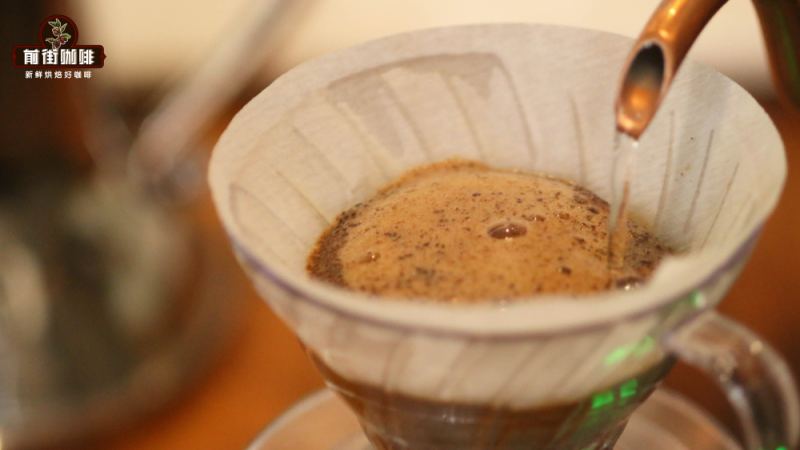

In contrast to traditional espresso blends, SOE (Single Origin Espresso) is espresso made from coffee beans from a single origin. With its novel concept and refreshing, acidity-forward flavor profile, it has become a signature product in many coffee shops in recent years, and some enthusiasts even buy coffee beans to make SOE at home. Today, Front Street Coffee will discuss which coffee beans can be used to make SOE coffee.
The Difference Between SOE Coffee and Pour-Over Coffee
SOE coffee and pour-over coffee use different extraction methods. SOE is espresso extracted by a high-temperature, high-pressure espresso machine, which is a pressurized extraction. Pour-over coffee, on the other hand, involves hot water permeating through coffee grounds to release their compounds, which is a drip extraction.
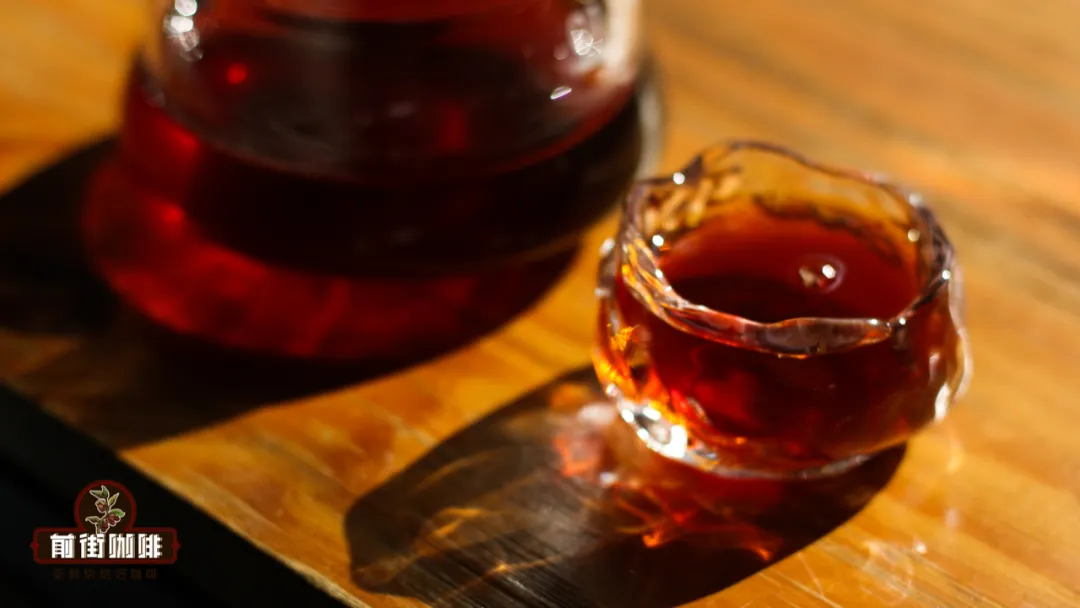
When we make a shot of espresso, we force hot water under pressure through a compacted puck of coffee grounds. Since espresso is extracted in an extremely short extraction time, we use finer-ground coffee and high-temperature water to allow the compounds in the coffee to be extracted quickly.
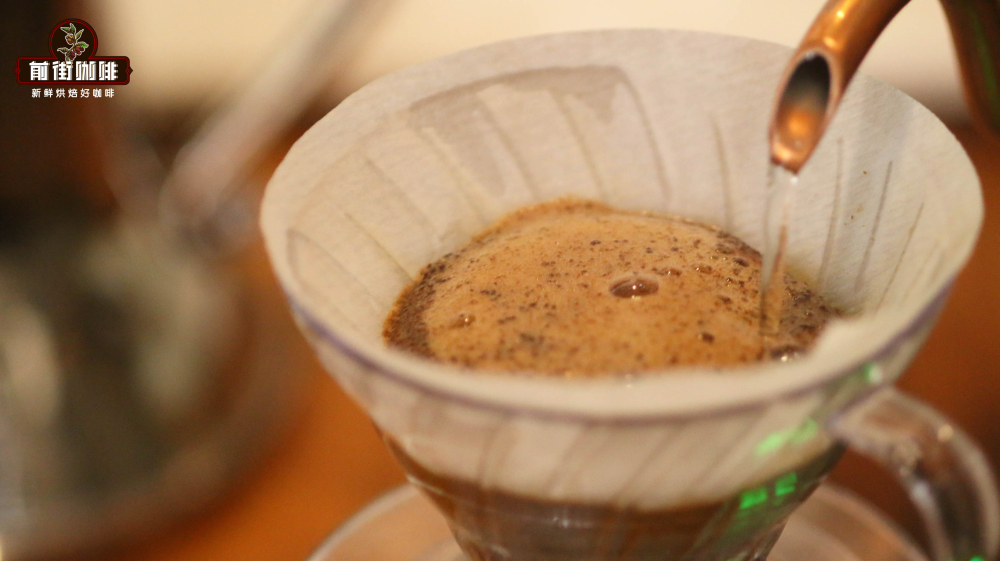
When making pour-over filter coffee, under normal temperature and pressure, we need to use more water so that the coffee grounds absorb enough water and release the soluble aromatic compounds in the coffee over a certain period of time.
Extraction Characteristics of SOE
When we use blended coffee beans to make espresso, we mix coffee beans from different origins. As the roast level deepens, the flavor and mouthfeel tend toward balance and smoothness, which also facilitates extraction stability. Back to SOE, which showcases origin flavors, the roast level is usually not too dark, so when extracting SOE with lighter-roasted coffee beans, the flavors are harder to extract. Therefore, extraction parameters need to be adjusted to increase the extraction yield, such as extending the extraction time, raising the water temperature, grinding finer, and increasing the dose.
The roasting of all single-origin coffees must take into account showcasing the unique regional flavors of the origin and the aroma of the coffee beans themselves—just as Front Street Yirgacheffe should have fresh, bright citrus and citric acidity, and Front Street Blue Mountain coffee should have sweet dark chocolate and caramel aromas. Similarly, SOE should express the flavor characteristics that the origin should have; otherwise, making espresso from single-origin coffee becomes meaningless. If the roast is too dark, the flavors and aromas are easily masked by the heavy compounds produced by roasting; if the roast is too light, it easily leads to under-extraction, resulting in sharp acidity and a thin taste.
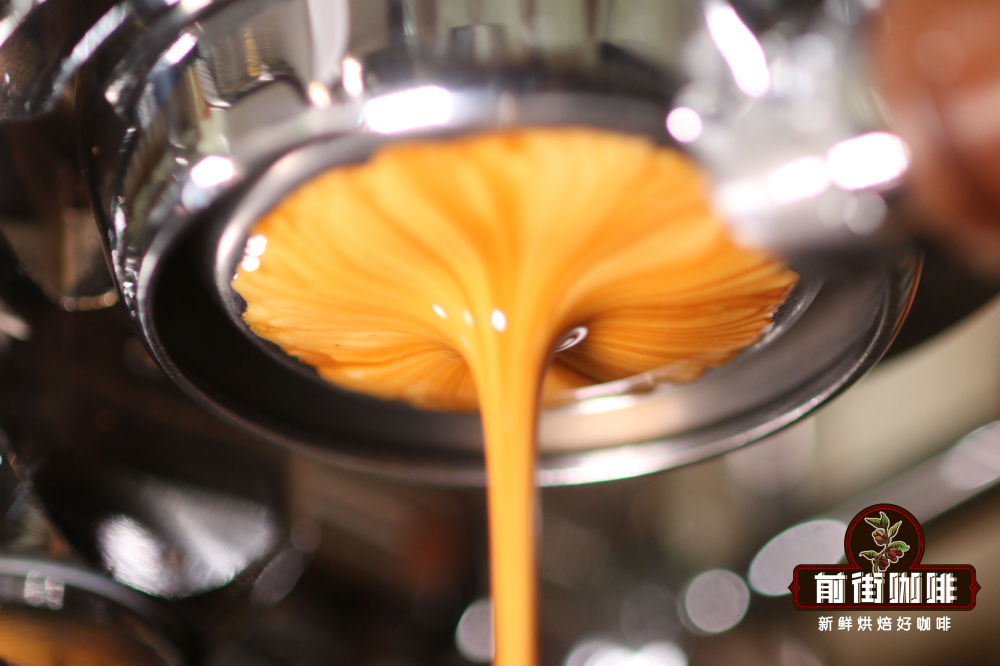
Because espresso amplifies the flavors of coffee—for example, the bright, moderate acidity in pour-over coffee easily becomes sharp acidity in espresso, and the full-bodied mouthfeel of pour-over coffee becomes quite bitter in espresso. So depending on the extraction method, the roast level of the coffee beans will be adjusted. In other words, we can choose single-origin coffee beans with a moderate roast level, which not only express rich layers in pour-over coffee but can also be made into SOE, amplifying the aroma of the beans.
What Coffee Beans Are Recommended for SOE?
The primary condition for a delicious cup of coffee is high-quality coffee beans, and the beans chosen for SOE should also be higher-quality single-origin coffee beans. Front Street's roasting philosophy is "freshly roasted good coffee," hoping every customer gets to drink freshly roasted coffee beans with full aroma—all shipped coffee beans are freshly roasted within 5 days. Below, using the coffees on Front Street's bean list as examples, let's introduce which coffee beans are suitable for making SOE.
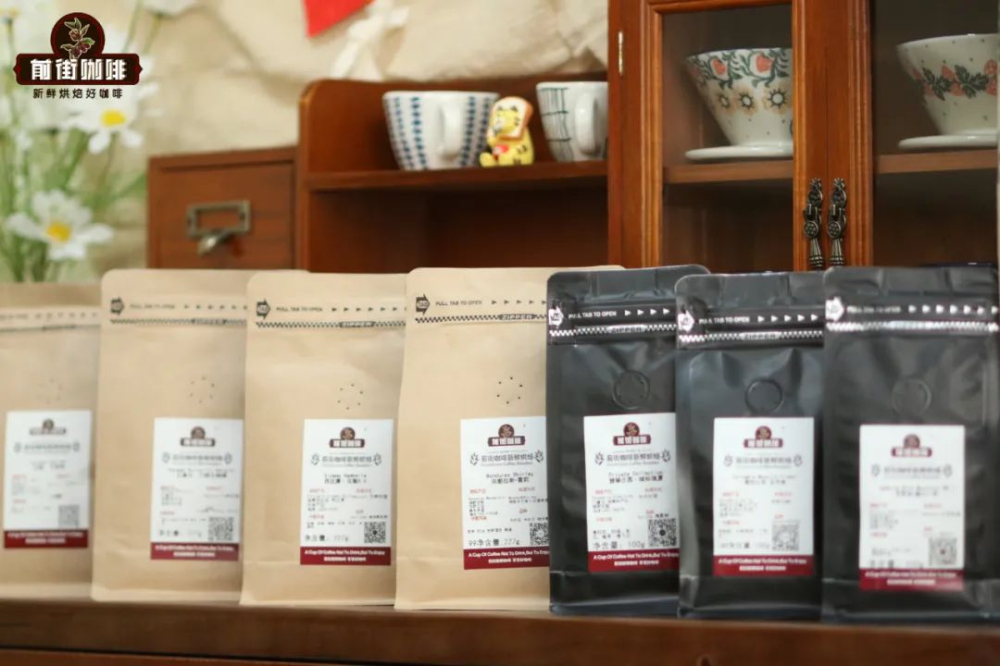
1. Front Street Yirgacheffe Red Cherry Coffee Beans
This coffee bean originally used for pour-over drip brewing shows very high sweetness, with a strong fruity aroma. When used to extract espresso (requires dialing in the grind size), the crema on the surface is fine and tends toward a pale yellow color, with a sweet berry aroma when smelled—sweet and tart berries with caramel, and a clean mouthfeel. When added to steamed hot milk, it presents the sweetness of honey.
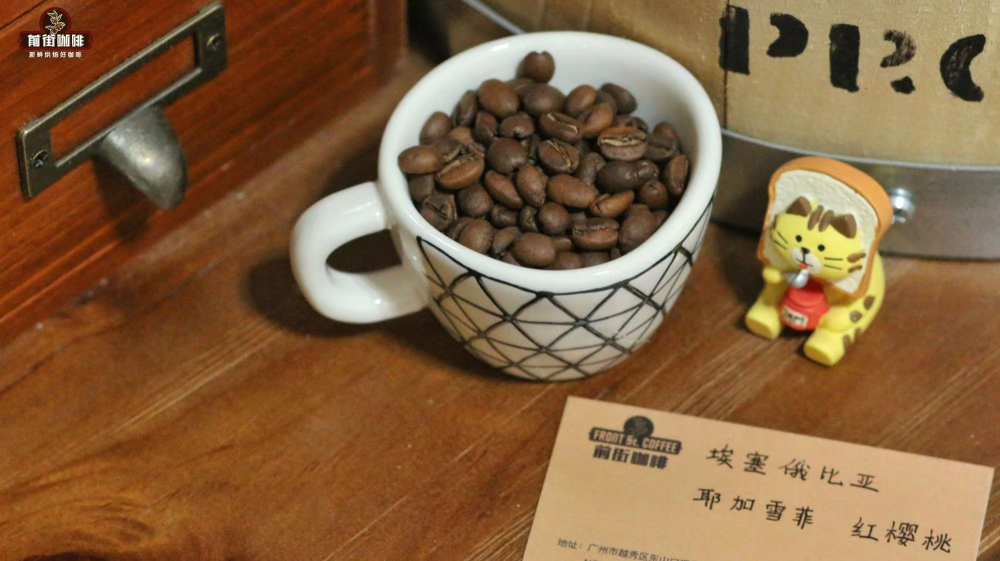
2. Front Street Papua New Guinea Paradise Bird Coffee Beans
The medium roast level gives the coffee a roasted aroma while retaining a slight citrus acidity. The resulting SOE highlights nutty and creamy aromas; when added to milk, it presents the smooth richness of chocolate cream, with an overall relatively soft mouthfeel, a finish with a slight cocoa note, and when made intoSOE americano, it is refreshing on the palate, with balanced tartness, sweetness, and bitterness.

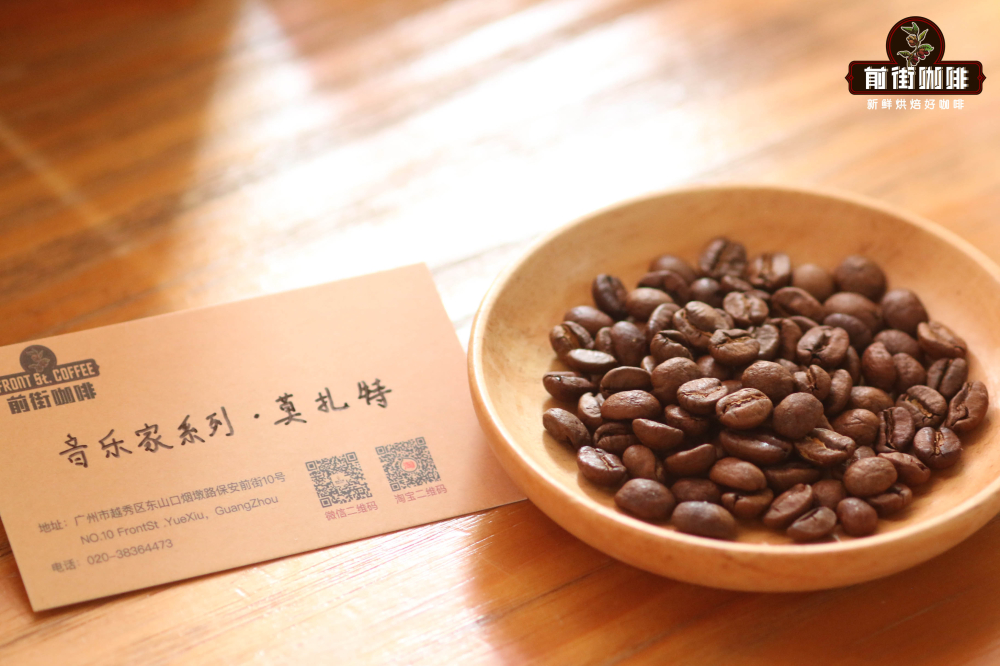
3. Front Street Mozart Coffee Beans
This Front Street Mozart belongs to the Costa Rica Musician Series,The anaerobic honey process allows the coffee beans to retain the mucilage layer for sealed fermentation before drying, maximizing the sweetness of the coffee beans. This coffee, when pour-over brewed, presents rich rose aroma and the high sweetness of raisins. Extracted as SOE, it expresses intense tropical fruit and fermented flavor notes.
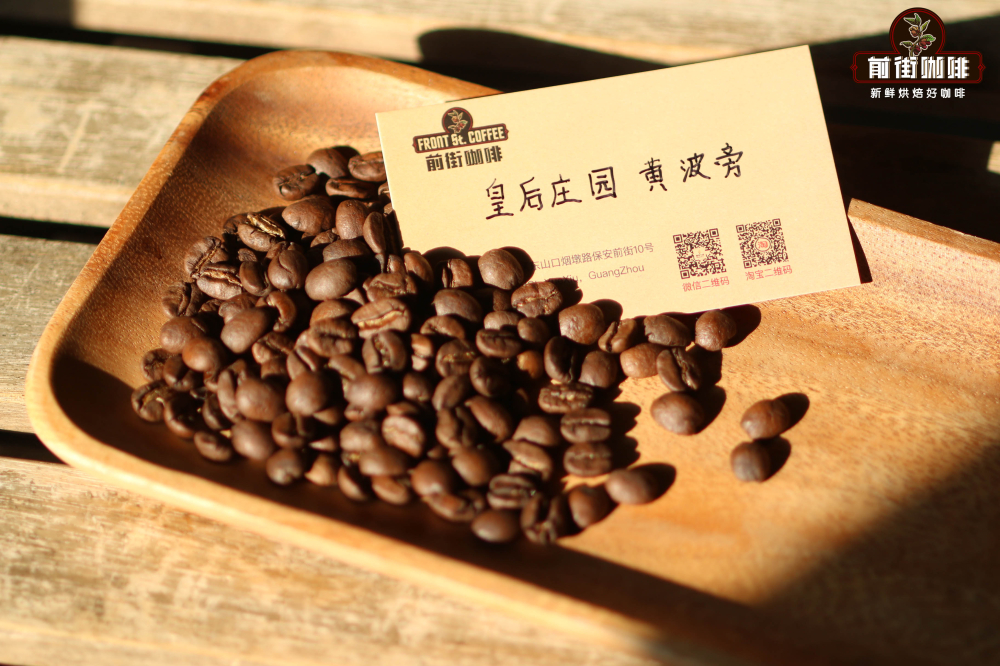
4. Front Street Queen's Farm Yellow Bourbon Coffee Beans
If none of the above are the flavor types you like, why not take a look at this Queen's Farm coffee bean from Brazil, a major coffee country. The medium-dark roast level gives the coffee a rich aroma of nuts, cream, and peanuts, with a finish of fully sweet chocolate. The extracted SOE has a beautiful, rich crema, and when made into milk coffee, it is also full of aroma.
5. Front Street Huakui SOE Coffee Beans
Unlike the above single-origin pour-over coffee beans, Front Street Huakui SOE is a variety born specifically for espresso. The new-season Huakui has obvious aromas of strawberry, guava, and dried mango. After Front Street adopts a medium roast, this sun-dried Ethiopian specialty bean instead presents light fruit acidity like ripe blueberries, lemons, and berries, and when made into an americano, it carries a faint floral aroma.

The above content is compiled by CoffeeHunters, a coffee news website.

