







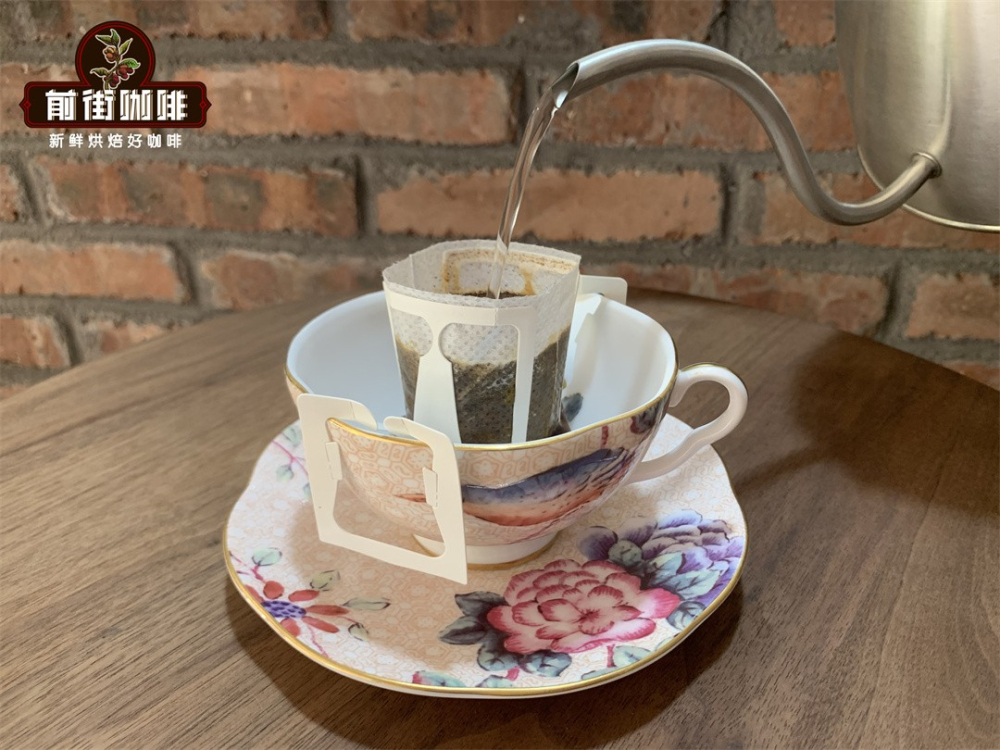
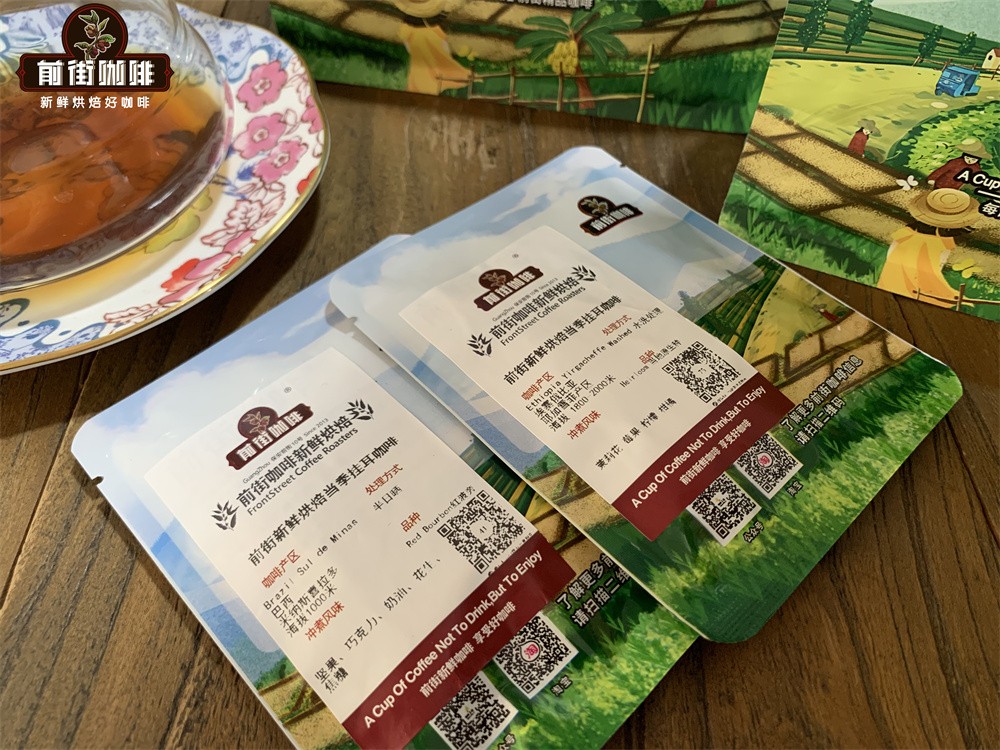
Front Street believes that coffee has become deeply integrated into everyone's work and life, and the pursuit of coffee goes far beyond the café—more and more people enjoy the pleasure of grinding and brewing it fresh at home. However, if you're traveling for work or leisure, grinding and brewing fresh becomes somewhat unrealistic, or at least troublesome—yet you still want that authentic coffee taste. What to do? Drip bag coffee is the first choice. Front Street Coffee's seasonal drip bags (fruityYirgacheffe Drip Bag Coffee, nutty Brazil Drip Bag Coffee, and full-bodiedMandheling Drip Bag Coffee) are very popular!
Among them, Front Street Mandheling Drip Bag Coffee leaves the deepest impression. Mandheling originates from the island of Sumatra in Indonesia. The biggest difference from many coffee-producing regions is that Indonesia's local weather is highly changeable—humid and rainy, with year-round humidity between 70–90%. Sometimes it's sunny in the morning and pouring rain in the afternoon; typhoons can arrive without warning, and annual rainfall even exceeds 2000mm. Under such harsh climate conditions, fully drying the parchment beans to a specified moisture content is extremely difficult and time-consuming. Since Indonesia is a major coffee-producing country focused on volume, people developed a unique semi-washed method to shorten processing time and sell the beans quickly for cash: wet hulling.
Wet Hulled, known in Indonesian as "Giling Basah," has existed and been practiced in coffee production for many years, just like washed, natural, and honey processing. Currently, wet-hulled coffee is still mainly produced in Indonesia, primarily in northern Sumatra and the Sulawesi region.
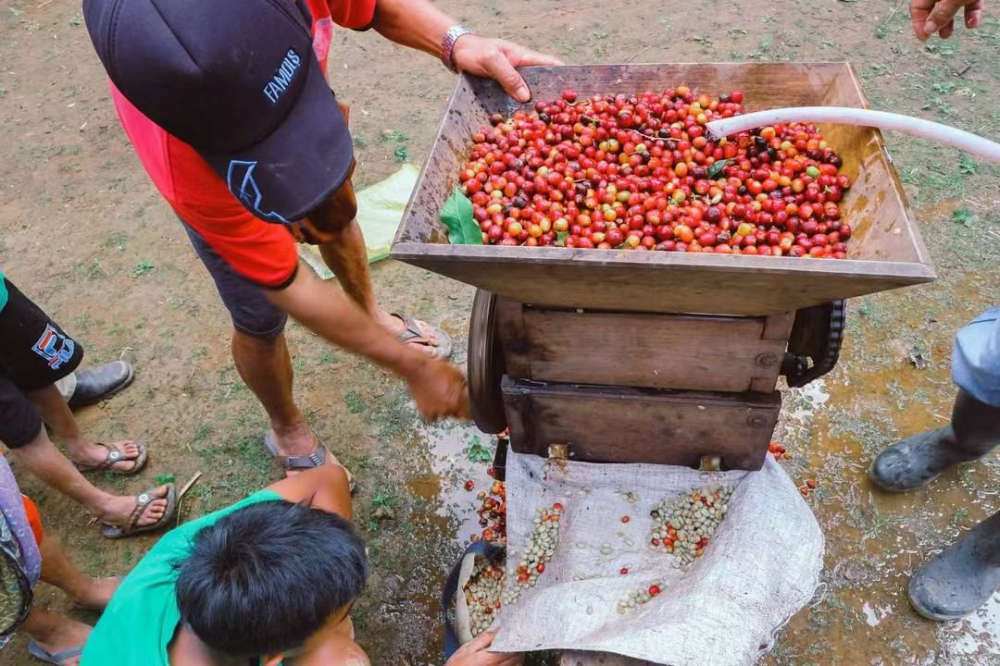
Initially, this area also relied mainly on natural processing, but quality was inconsistent, so it switched to a semi-washed method similar to Brazil's. However, unlike Brazil, this region isn't as dry—after removing the coffee fruit skin and extracting the sticky parchment beans, they can't be dried outdoors for several days, because in hot, rainy Indonesia doing so would only cause them to mold directly. So they're only dried outdoors for one to two days.
When the parchment beans' moisture content drops to 30–50%, they are bought by middlemen. At this point, the mucilage layer hasn't yet solidified, and the beans are still half-hard, half-soft, but they need to be taken promptly to a processing plant to have the parchment hull removed with special machinery, to avoid excessive fermentation and sour odors.
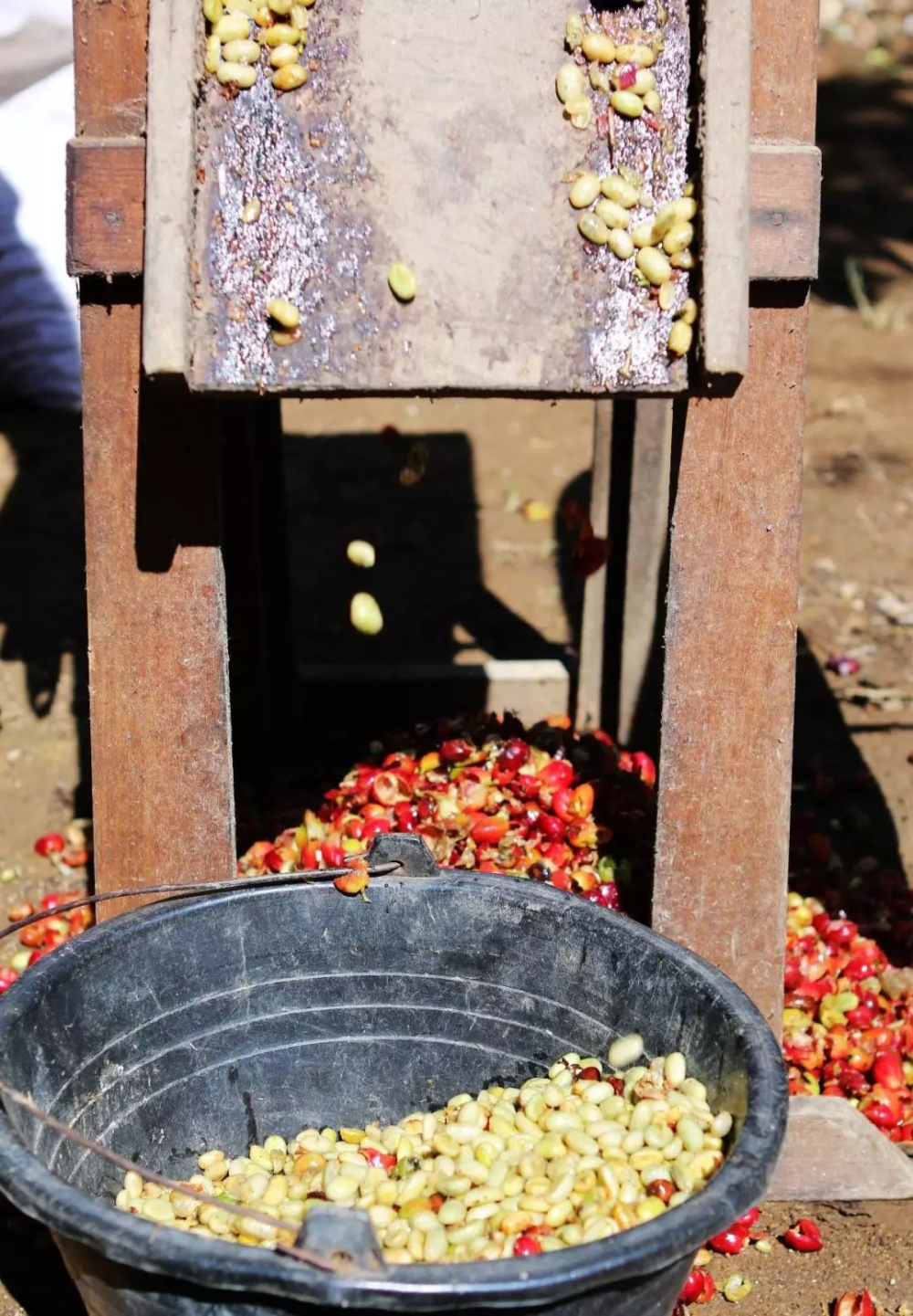
Because hulling under the wet-hulled method is more difficult, the machine needs to use greater friction to tear open the parchment layer clinging tightly to the green beans. At this stage, white or green viscous liquid often flows out. After prolonged soaking in this mucilage and exposure to the humid environment, the green beans ultimately become soft, pale and swollen, taking on a grayish-green color. Due to the friction and agitation, the green beans are also more easily crushed or damaged, especially at both ends, forming small notches like goat hooves—this is why Sumatra has a higher proportion of "goat hoof" beans.
You should know that coffee beans have four protective layers: the fruit skin, mucilage, parchment, and silver skin. The wet-hulled method, however, hulls away the third and fourth layers midway. In other words, the coffee beans are directly exposed as "naked beans" to sunbathe.
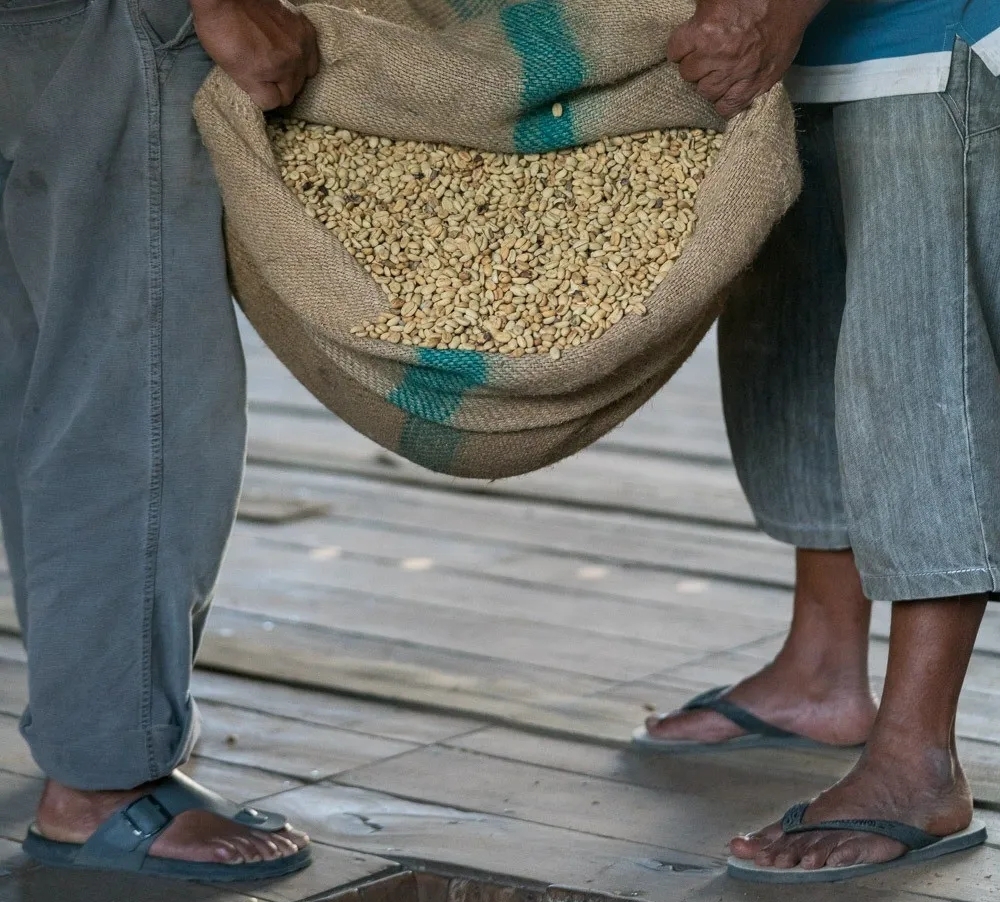
After the parchment beans have their hulls removed by machine, they continue to be dried until the moisture content reaches about 12%–15%, at which point they can be bagged. Finally, these coffee beans are sent for machine sorting to remove various impurities, then classified by bean size. The highest grade is G1. Front Street Mandheling Coffee uses wet-hulled G1 lots, which you can purchase directly from Front Street's Taobao store or Front Street's Tmall flagship store.
The "naked beans" stripped of their parchment layer dry very quickly, while also being directly exposed to sunlight and moisture, fostering the growth of various microorganisms, which gives Indonesian coffee its distinctive woody, spicy, and herbal notes. This is what we call the "taste of the region."
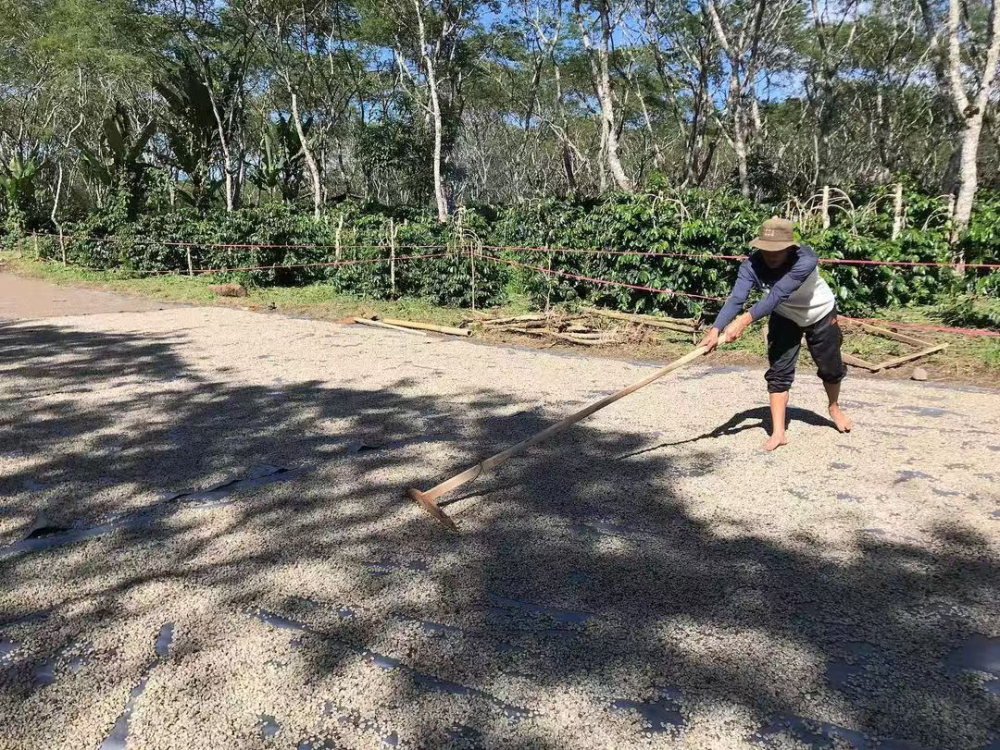
From this, we can see that Mandheling's unique herbal and aged-wood notes arise because the local high humidity forces the entire post-processing into three stages of drying the mucilage layer. This is a rare processing method worldwide, accidentally creating Mandheling's distinctive low acidity, thick body, and muted aroma.
What Is Drip Bag Coffee
Having said all this, what exactly is drip bag coffee? Front Street will explain: Drip bag coffee is a portable coffee made by grinding coffee beans and sealing them in a filter bag. Drip bag coffee is a freshly ground coffee that you brew and enjoy instantly. The brewing is completed through drip filtration, perfectly expressing the coffee's acidity, sweetness, bitterness, body, and aroma. As long as you have access to hot water and a cup, you can enjoy it conveniently. The coffee grounds can be thrown away directly; sugar and milk are added to your own preference. This coffee is pure and natural, with no additives whatsoever. It's especially suitable for home, office, and travel use.
Why Drip Bag Coffee Shouldn't Be Soaked?
Some friends who buy drip bag coffee might just put it in a cup to soak, like brewing a tea bag—is this the right way to brew it? Can you drink it? Front Street tells you: actually, you can drink it this way, but the taste will be very, very weak—after all, it's not a tea bag, it's drip bag coffee. If you just soak it directly in a cup, the coffee's flavors cannot be fully expressed. You need to use the correct brewing method to taste the coffee's flavors.
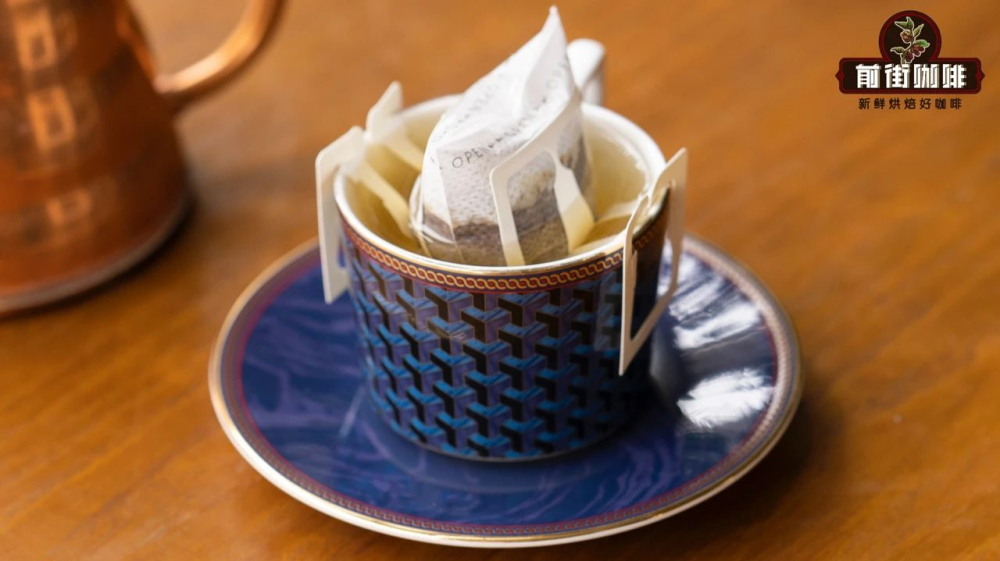
Of course, you also shouldn't brew it repeatedly, because after the drip bag finishes brewing, 30% of the coffee beans' flavor compounds are released, while the remaining 70% is the beans' woody fiber. If you don't remove the drip bag promptly after brewing, the woody fiber's taste will be released into the already-extracted coffee, giving it a bitter and woody flavor. Front Street Coffee's drip bags are excellent value for money, with many options to choose from.
How to Brew Drip Bag Coffee?
Although pour-over coffee has excellent flavors, it requires quite a bit of preparation. To brew drip bag coffee, we only need three things: drip bag coffee, a cup, and hot water—clearly much simpler than pour-over, which is why drip bag coffee is the top choice for friends on the go!
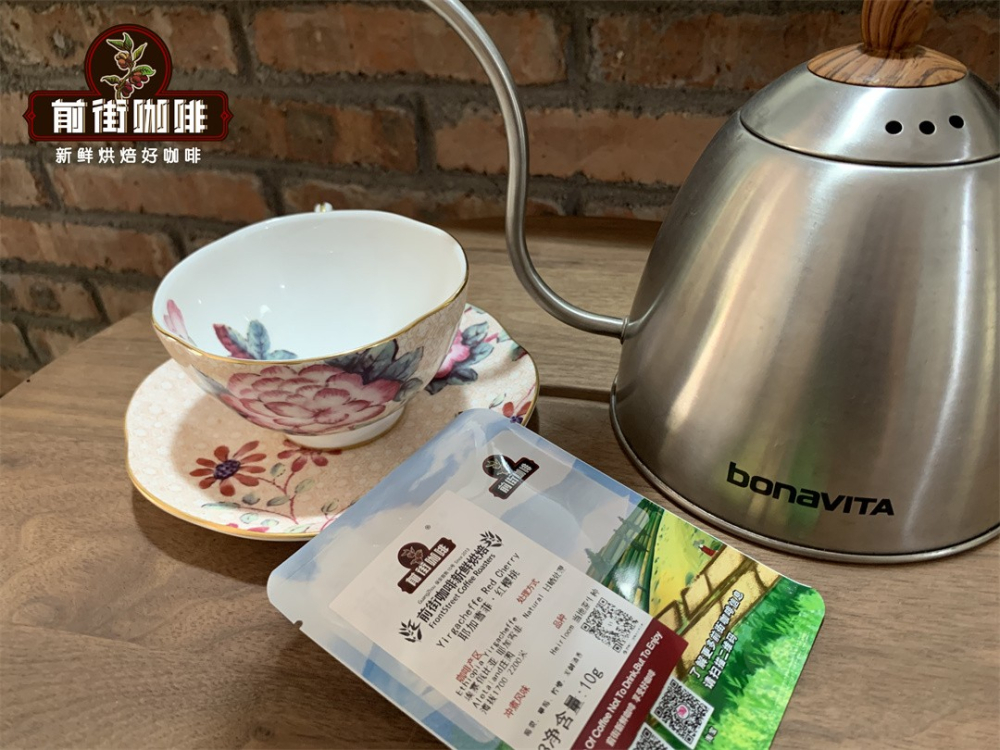
Let's first look at the grounds in drip bag coffee. The coffee powder in the bag is ground somewhat finer than pour-over coffee. Smaller coffee particles release flavor faster, so you don't need to be too particular to brew a delicious single-origin coffee.
Step One: Place the Drip Bag
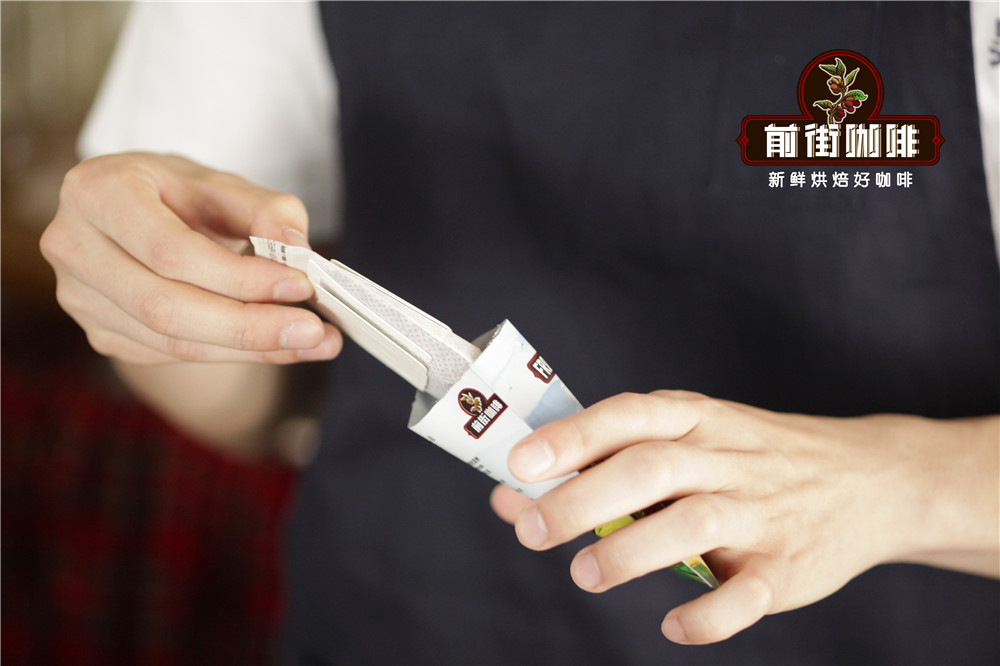
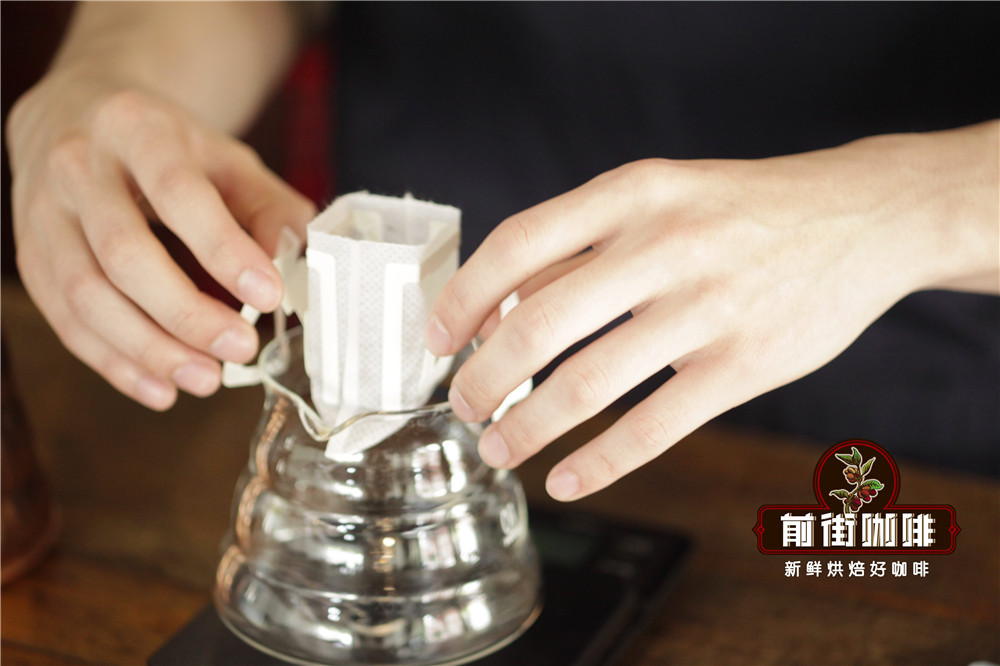
First, tear open the outer packaging of the drip bag and take out the coffee filter bag inside. Then tear along the dotted line printed with "OPEN" on the filter bag, open up the drip bag, and unfold the two cardboard "ears" to hang on the rim of your cup or carafe.
Front Street Coffee's drip bag contains 10g of coffee grounds. Front Street recommends a brewing ratio of 1:15—coffee brewed at this ratio has the most balanced and stable flavor. Open the drip bag packaging, tear the filter bag along the dotted line, and hang the drip bag flat on the cup rim. Let freshly boiled water sit for one to two minutes. (Water temperature should be about 90°C.) Of course, if you want a stronger or weaker taste, you can adjust the coffee-to-water ratio yourself.
Step Two: Pour Water
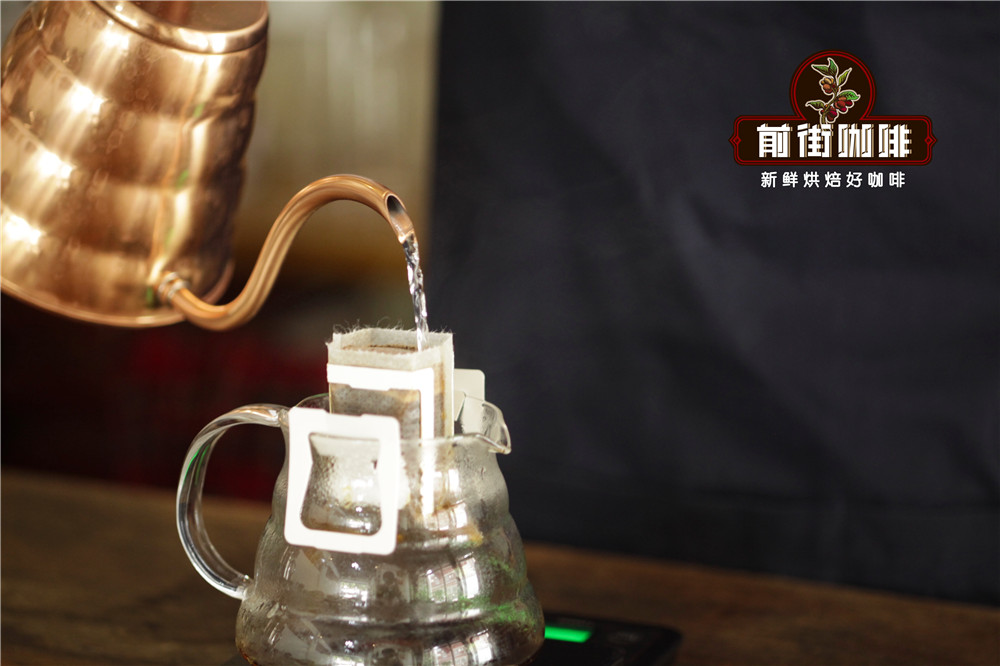
For the first pour, add a small amount of hot water, slowly pouring it into the coffee grounds, using just enough to saturate the coffee. Make sure all the coffee grounds are moistened, and let it bloom for 10 to 20 seconds to allow carbon dioxide to escape, ensuring stable extraction later. For the second pour, add water until it nearly reaches the edge of the filter bag, then stop. After the coffee liquid drops by half, pour again until nearly reaching the filter bag edge. Three pours in total. Wait for the remaining coffee liquid to drip through the grounds into the cup, then remove the drip bag and enjoy.
A delicious cup of coffee is ready. If you want to add sugar or milk, add according to personal preference.
The above content is compiled by CoffeeHunters, a coffee news website.

