







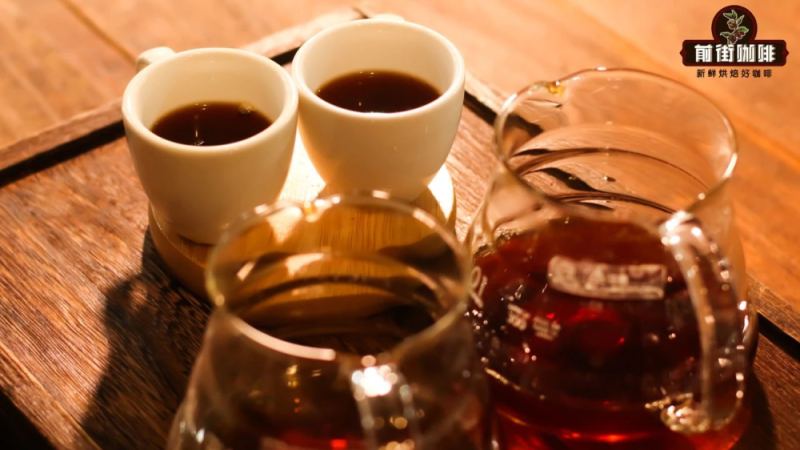

If you're new to specialty coffee, you're bound to come across a name called "Yirgacheffe." Ithas long been famous for its clean, bright cup profile and citrus-lemon acidity, and has successfully drawn countless people into the world of floral-and-fruity coffees.
And if you're wondering which Yirgacheffe is most worth buying, it has to be the delicious yet affordable Front Street washed Gedingding Cooperative—a Yirgacheffe that undergoes refined washing. Roasted to a medium-light level, it brings out notes of white florals, berries, citrus, honey, and green tea in the cup. The mouthfeel is refreshing without bitterness, with a rich lingering finish. It's not only great for iced drinks and cold brew, but also works for pour-over, drip bags, and even immersion with a French press or Clever Cup—making it easy to get multiple uses out of one bean.
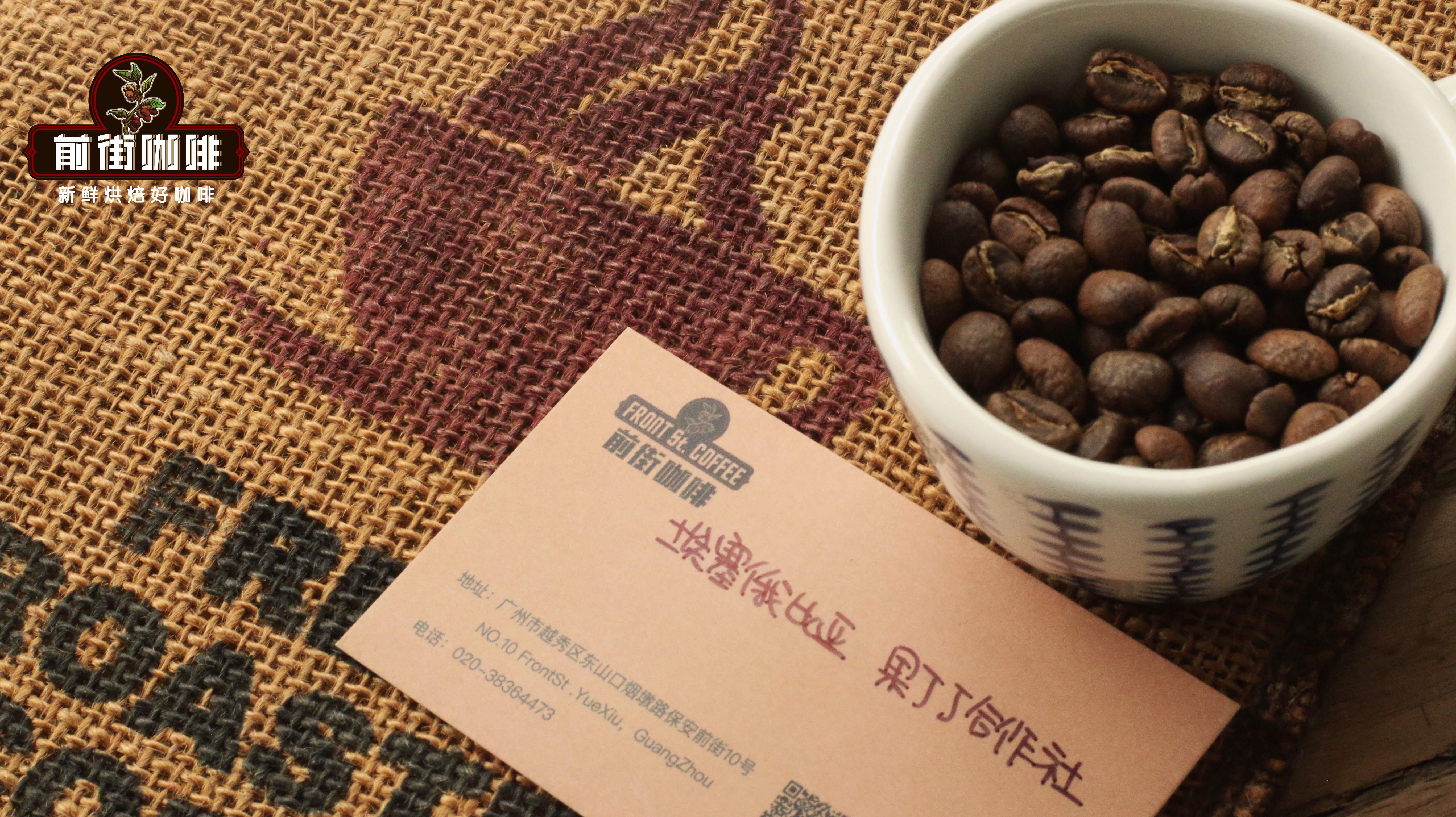
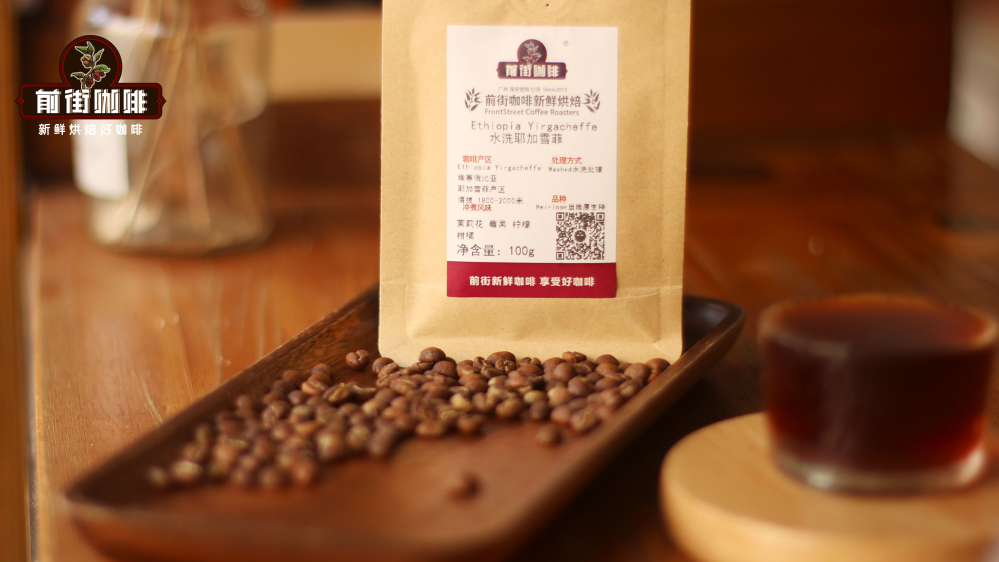
Medium-Light Roast Yirgacheffe Recommendation — Front Street Washed Gedingding Coffee Beans
Country: Ethiopia
Region: Yirgacheffe
Altitude: 1900-2300m
Variety: Local Heirloom
Processing Method: Washed
Flavor: Tropical fruit, cream, honey, berries, citrus
The Yirgacheffe Region
Administratively, Yirgacheffe is part of Sidamo in southern Ethiopia. Its washed beans are famed worldwide for their refined flavor, and it later became an independent coffee region in Ethiopia. Most coffee in the Yirgacheffe region grows at elevations of around 2,000 meters. Due to years of cultivation, the forest area has gradually shrunk, and the region is densely populated. The main planting model remains family-based farming.
You'll notice that Ethiopian coffee beans vary in size, and the varieties are all Heirloom local native species. In fact, most Ethiopian coffee varieties are named under the umbrella term "Heirloom" simply because there are so many varieties in Ethiopia—it's often called the natural gene pool of Arabica.
The Washed Processing Method
1. First, the coffee farmers pour all the harvested coffee cherries into water. This way, defective beans float to the surface, while the ones that sink are the quality cherries. This step also greatly reduces the time wasted on picking through them one by one.
2. The selected cherries are put into a depulper to remove the skin and pulp. After this, a layer of mucilage still clings to the surface of the coffee cherries, so a large amount of clean water is used to rinse the sticky residue off the cherries.
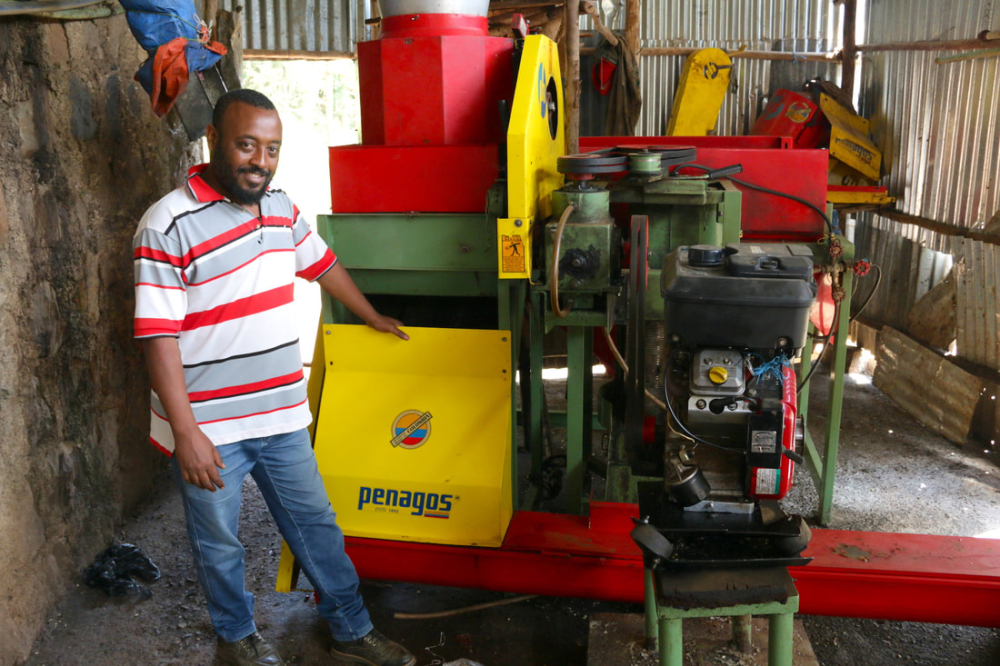
3. Next, fermentation is used to completely remove the mucilage. This process takes about 18 hours. But after fermentation is complete, fermentation bacteria remain attached to the surface of the coffee cherries, so another thorough wash with plenty of clean water is needed. For this step alone, producing 1 kilogram of coffee beans requires 40 to 50 kilograms of clean water. Front Street considers this a very large number—which is precisely why arid countries cannot adopt the washed method.

4. Once cleaned, the coffee beans can be dried. In some regions they are simply taken outdoors to dry, while in more developed producing areas they are sent to processing plants for machine drying, bringing the moisture content down to around 11%.
5. Finally, the dried coffee beans are stored and packaged, ready for sale and export.
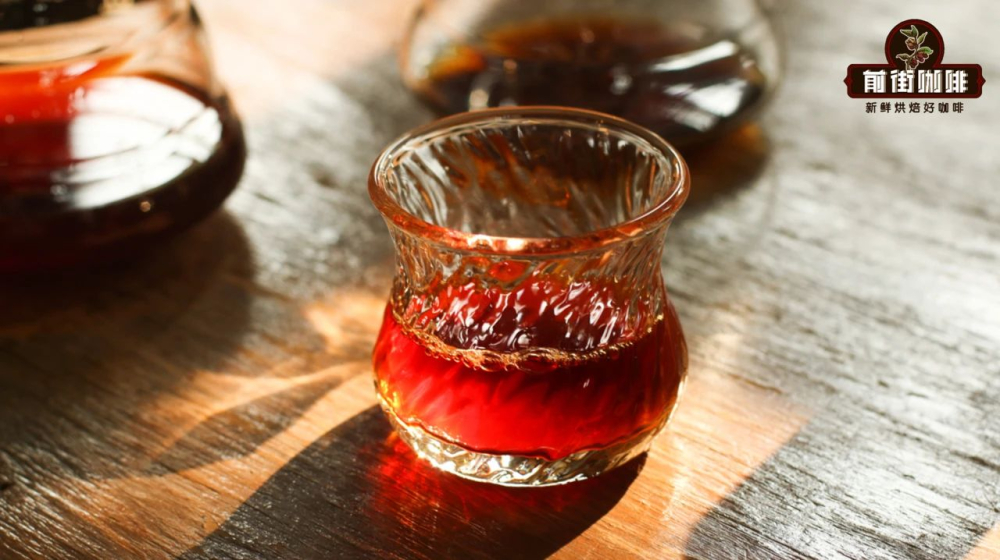
After washed processing, coffee beans taste cleaner and more transparent, with acidic and fruity notes, a bright mouthfeel, and somewhat lower sweetness and body.
The above content is compiled by CoffeeHunters, a coffee news website.


