
Search Results for: 从容
蓝山咖啡:在家读懂牙买加的均衡课
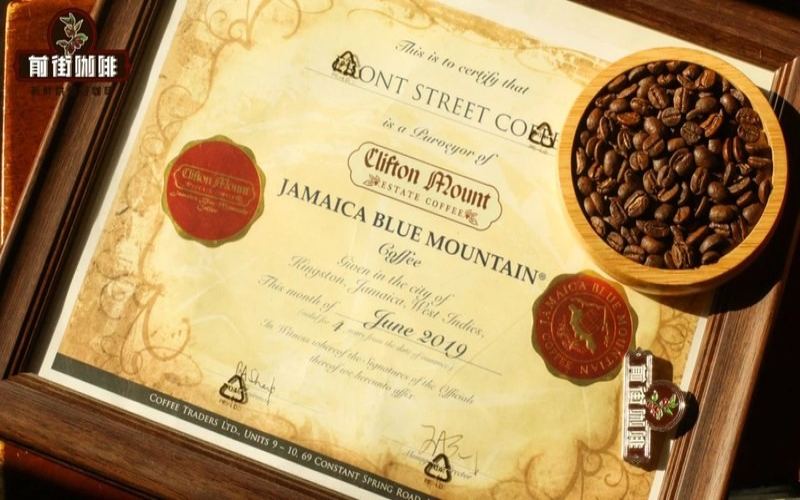
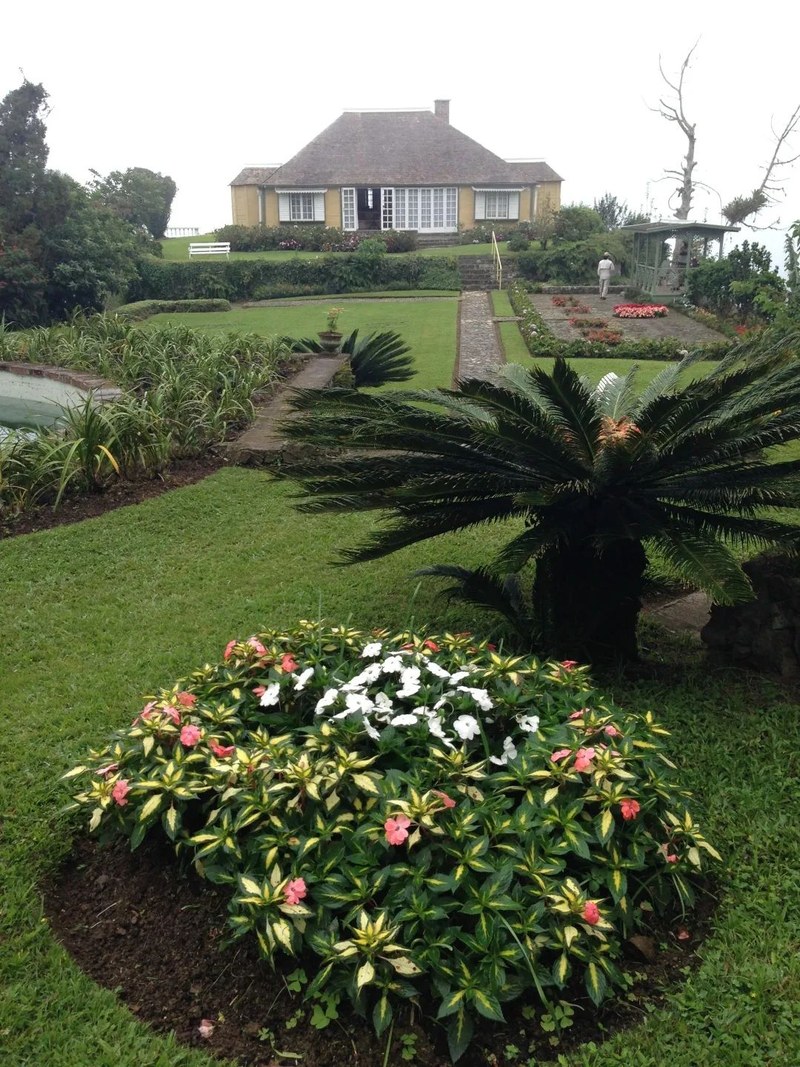
拆快递时看见木盒上印着克里夫顿农场的字样,我才真正坐下来查资料。原来蓝山两个字不是随便叫的,得是牙买加法定种植区里的豆子才能算数,连包装都要沿用木桶的传统。这种身份门槛反而让我更想试试——一个产区被记 [more…]
选咖啡当作礼物,避开极端风味更显周到体贴
周末下午,老友拎着水果来家里坐,临走时忽然说想带包豆子回去试试。我望着她茫然的眼神,知道她连对方喝不喝咖啡都没底。这种时刻,我总会从架子上取下一包中烘的豆子塞过去——不是敷衍,而是中度烘焙这件事,天生 [more…]
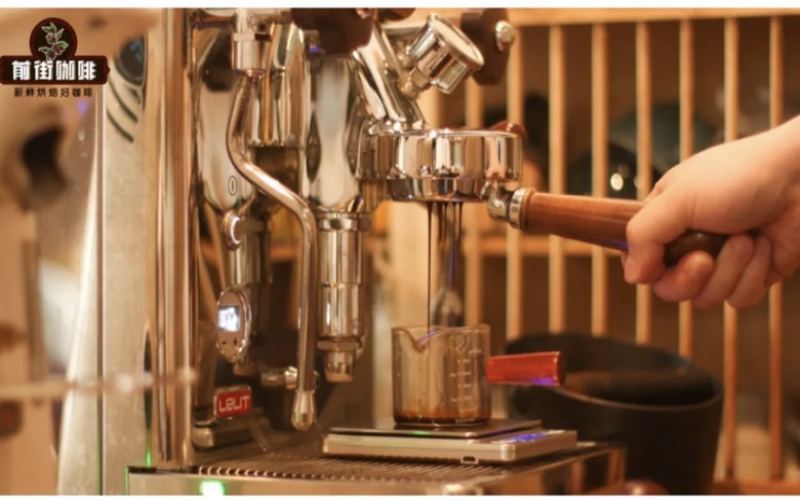
Sourcing commercial beans: factor delivery lead time into your costs first
Many new shop owners only look at the price per kilogram when calculating bean costs, but they never factor in the cost of a supply cut-off. On a certain Sunday afternoon, the beans in the grinder ran out, the warehouse was empty, and what would they use to serve drinks during the next morning rush? Choosing commercial beans is half about flavor and half about supply. Flavor can be selected through tasting, but supply, however, [more…]
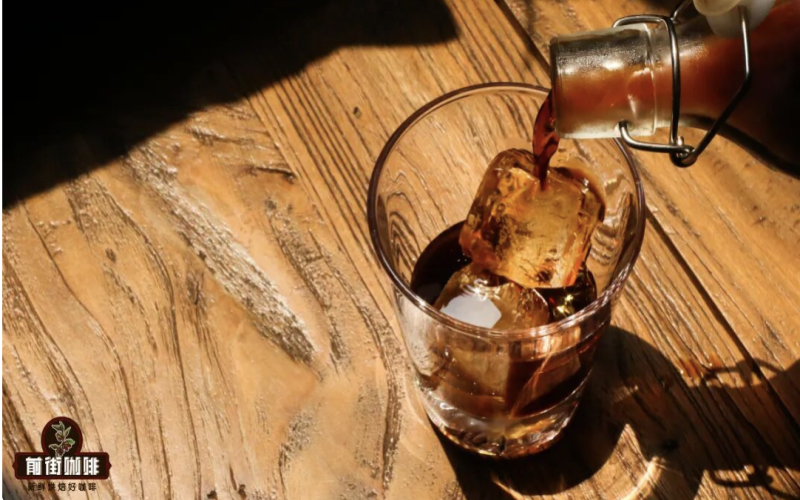
Why isn't cold brew bitter? Understand the principle and choose beans more wisely in summer
The same bag of beans, hot-brewed, comes out bitter and astringent, but made into cold brew, it's clean, sweet, and delicious. This isn't an illusion—it's determined by the principles of extraction. Once you understand "why cold brew isn't bitter," you'll know what kind of beans to choose for summer, and you'll never have to worry about buying "cold bitter water" again. Where does coffee's bitterness come from? The bitterness in a cup of coffee mainly comes from [more…]
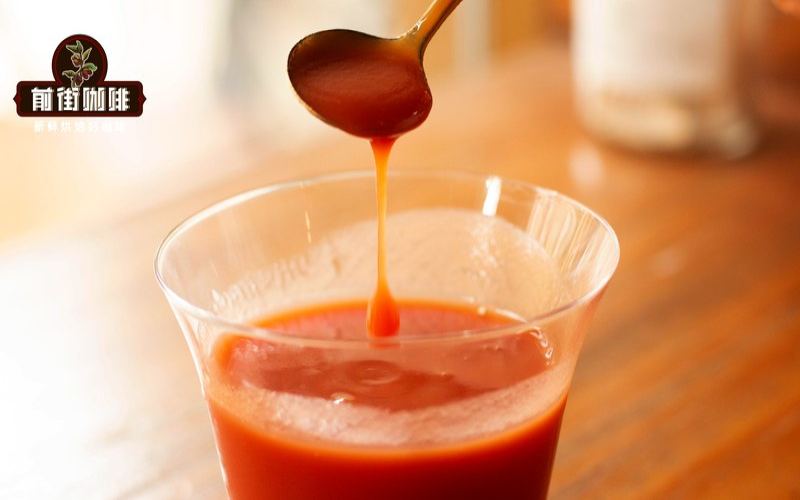
The secret to a rich, golden foam on top of espresso lies in the rhythm of the degassing cycle and daily sealed brewing.
The dense, golden layer of crema on the surface of an espresso is essentially a foam formed when carbon dioxide inside the coffee beans, carrying aromatic oils, is emulsified under high-pressure water. Freshly roasted coffee beans trap a large amount of gas inside, and this gas is slowly released over time, determining the thickness and condition of the crema during extraction. Understanding [more…]
When to Open a Bag of Espresso Beans: The Flavor Clock of Dark and Medium-Dark Roasts
When coffee beans have just left the roaster, their aroma is very lively, yet they are not necessarily ready for espresso right away. The carbon dioxide that continues to be released inside the beans disturbs the water flow, causing the shot to run unevenly, the crema to be coarse and loose, and the acidity and sweetness to struggle to come together. When choosing between a dark roast and a medium-dark roast, it helps to connect the roast date, the opening date, and the date you expect to finish the bag into a single [more…]