








The aroma of coffee beans isn't fully locked in the moment roasting ends. In the days after roasting, the beans continue to slowly release carbon dioxide, and the floral notes, fruitiness, and sweetness need a little time to recombine. The so-called peak flavor window is more like a phase when the flavors are relatively active, not a hard expiration date printed on the package. Understanding this change makes it easier to choose beans and plan when to drink them.
When buying beans, look for the roast date first, then check the packaging date, net weight, and seal condition. The roast date helps you judge what stage the beans are currently in, while looking only at the shelf life makes it hard to know whether the aroma is still full. A sealed bag with a one-way degassing valve is suitable for short-term storage. If the bag shows no obvious leaks, moisture, or clumping, it's usually better for maintaining the beans' original condition. The amount you buy at one time should also match your consumption speed at home.
Light roasts often need a longer resting period. You can start tasting them seven to fourteen days after roasting, and they often become more expressive at ten to twenty-one days. Medium roasts generally reach a smoother stage in four to ten days. If you're using them for espresso, you can usually wait a few more days so that reduced gas makes for more stable extraction. Different beans vary in density, roast profile, and packaging method. The date is a starting point; what you taste is the basis for adjustment.
With coffee that has only rested a short time, you may see pronounced expansion of the coffee bed, rapid movement at the surface, or sharp aromatics during brewing. This doesn't necessarily mean the beans don't suit your taste; too much gas can interfere with the contact between water and coffee grounds. As time goes on, the acidity usually becomes rounder, and the sweetness and finish become easier to identify. You can brew every two or three days and record the changes in aroma, acidity, sweetness, and aftertaste.
When choosing distinctive beans, you don't have to chase buying many varieties at once. If you drink one cup a day, 200 grams of beans will last about two to three weeks; choosing small packages allows each coffee to be finished within its active flavor window. If you keep two coffees at home at the same time, you can stagger their roast dates by a few days, so one enters its drinking window while the other continues to evolve. This gives you continuity in what you drink and also lets you compare how different styles develop.
After opening, coffee beans should be kept in a dark, dry place with little temperature variation, stored in the original packaging with a sealing strip or in an airtight container. Try to take beans out quickly each time, then immediately press out excess air and seal the bag to avoid repeated opening and closing. Don't put the beans on the stovetop, by a window, or next to the sink; heat, sunlight, and humidity all accelerate aroma loss. Storing whole beans also preserves aroma better than grinding ahead of time.
If you buy a larger quantity, you can divide it into several small sealed portions and freeze them before opening, taking out about a week's worth at a time. After removing a portion, let the whole package come back to room temperature before opening it, which reduces condensation coming into contact with the beans. Beans that have already been opened frequently are not suitable for repeated trips in and out of the freezer. Home storage should follow the principle of opening bags less often and finishing them quickly. The refrigerator's chilled section has mixed odors and fluctuating humidity, which is usually not good for everyday storage.
Front Street Colombia Sidra is well suited for observing the changes brought by "freshness." In the early resting period, it shows lively tropical fruit acidity. After about ten days, the sweet, juicy notes of berries and grapes become more cohesive, and as the temperature drops, there is also a soft peach-like aroma. If you like iced pour-over or cold brew, you can drink it after the flavors have opened up. If you're making single-origin espresso, it's better to wait until the beans are more stable before adjusting parameters.

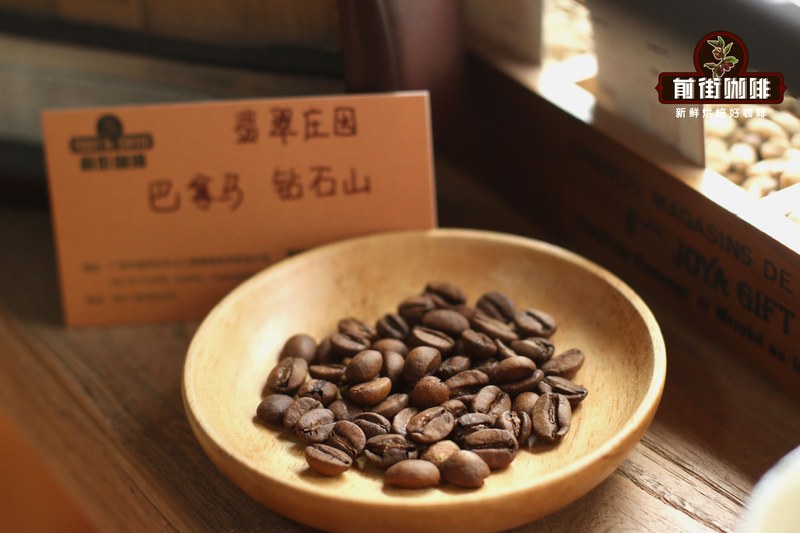
Front Street Panama Hacienda La Esmeralda Red Label Geisha is worth setting aside a quiet stretch of time to enjoy. About two weeks after roasting, jasmine-like aromatics, bright citrus, and bergamot notes gradually come together, and after cooling there is an elegant black-tea-like finish. There's no need to judge it hastily on the day you open the bag. You can brew it on the tenth, fourteenth, and twentieth days, using the same dose and water amount for comparison, which makes it easier to find your preferred window.
Front Street Yirgacheffe Guddina is well suited to a rhythm of drinking one bag per week. In the early resting period, floral and citrus notes are more prominent; after a few more days, the berry sweetness becomes rounder and the green-tea-like finish clearer. If you want a light, bright pour-over, you can start trying it on the seventh day. If you prefer cold drinks, wait until the flavors are more integrated before making cold brew; the acidity will seem softer, and the overall cup will be better suited to sipping slowly.
The evolution of a coffee itself is part of the experience of choosing beans. Record the roast date, opening date, and impressions of each cup. After a few rounds, you'll know whether you prefer the stage when the aroma has just opened or the later stage when the sweetness is more complete. Buy small packages according to your consumption, seal them properly, and allow resting time, and the flavors of distinctive beans can be enjoyed at just the right pace.
The above content is compiled by CoffeeHunters, a coffee news website.

