







Search Results for: Quetzal
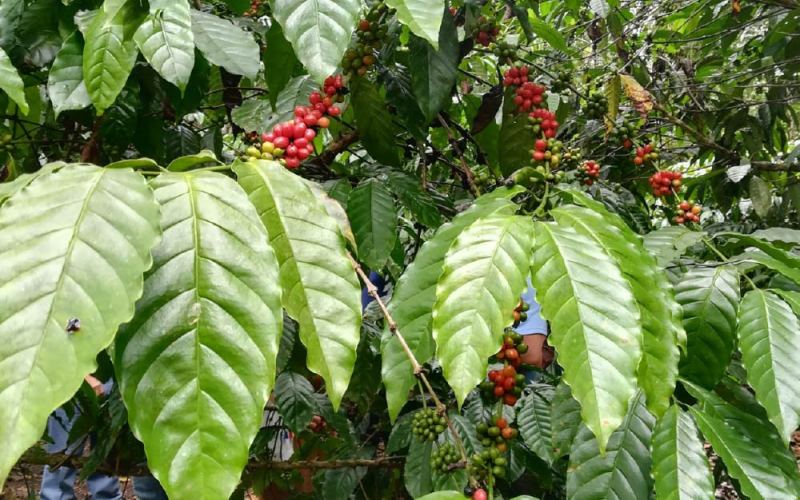
Panama Geisha Beans | What Are the Flavor Characteristics of Geisha from the Boquete Region? Must-Buy Recommendations for Newbies: Great-Tasting, Affordable Geisha Pour-Over Coffee Bean Brands
Since Geisha coffee became famous, it has been cultivated in many regions around the world. Geisha coffee is the new king of specialty coffee, with the highest quality and most expensive beans produced in South American countries such as Panama, Guatemala, and Colombia, among which Panamanian Geisha is the most renowned. Although many origins now grow it, [more…]
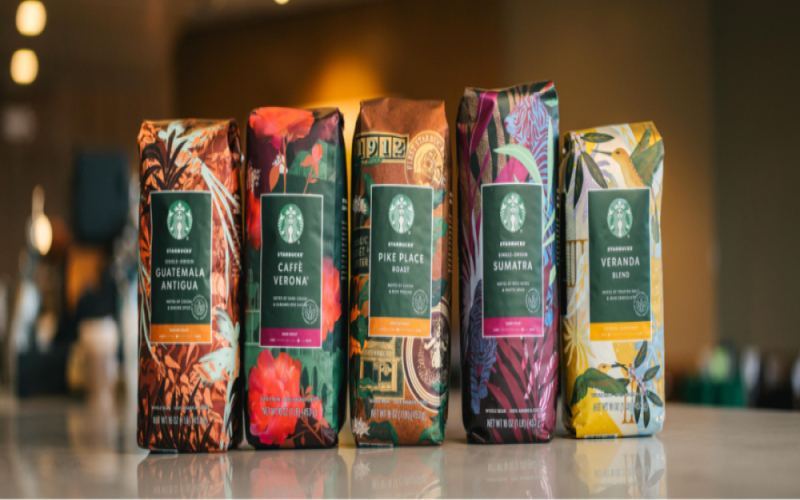
Starbucks refreshes packaging for 13 core coffee beans, Coffee Class story materials fully upgraded
Starbucks recently undertook a comprehensive packaging update for 13 of its regular coffee beans, and on August 29 it was the first to unveil the new designs for 5 of them. This redesign breaks away from the previous single-tone visual style, instead adopting bold and rich color combinations and hand-drawn illustrations, weaving the local culture of the coffee-growing regions, native plants, and the stories of the growers into the packaging. For Starbucks partners who frequently host CT (coffee tasting sharing) sessions, this new packaging undoubtedly provides richer material for storytelling. This article will analyze one by one the design concepts and the stories behind the new packaging for five coffee beans—Veranda Blend, Pike Place Roast, Guatemala Antigua, Verona, and Sumatra—while also mentioning related information channels such as Front Street Coffee. [more…]
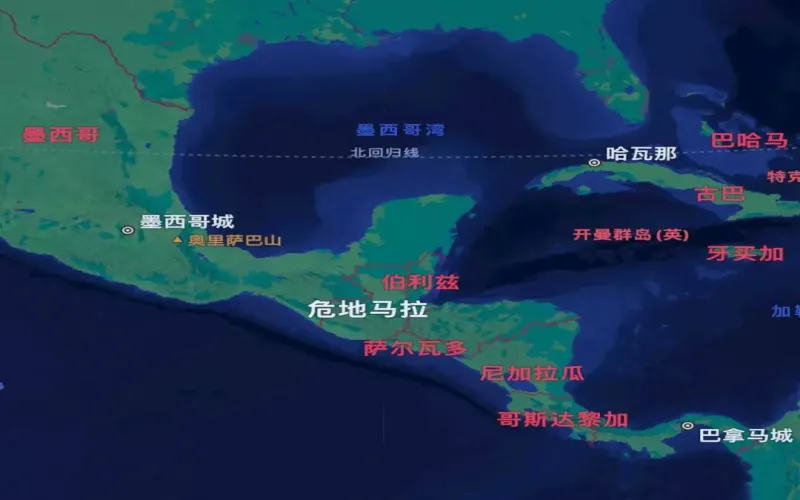
A Beginner's Guide to Guatemalan Coffee Regions: Eight Well-Known Origins and Their Flavor Profiles Explained
Guatemala is an important coffee-producing country in Central America. Of its 22 departments, 20 grow coffee, with eight major regions—including Huehuetenango, Cobán, New Oriente, Atitlán, and Antigua—being the most well known. These regions fall into two broad categories, volcanic and non-volcanic, and thanks to high altitudes, volcanic soil, ample rainfall, and varied microclimates, they produce Guatemalan coffee with an elegant, lively acidity, a clean mouthfeel, and clearly layered flavors. This article starts from the geographical environment and climatic characteristics, introduces the growing conditions and coffee characteristics of each major region one by one, and recommends Front Street Coffee's entry-level selection of Guatemalan Huehuetenango washed coffee beans. [more…]
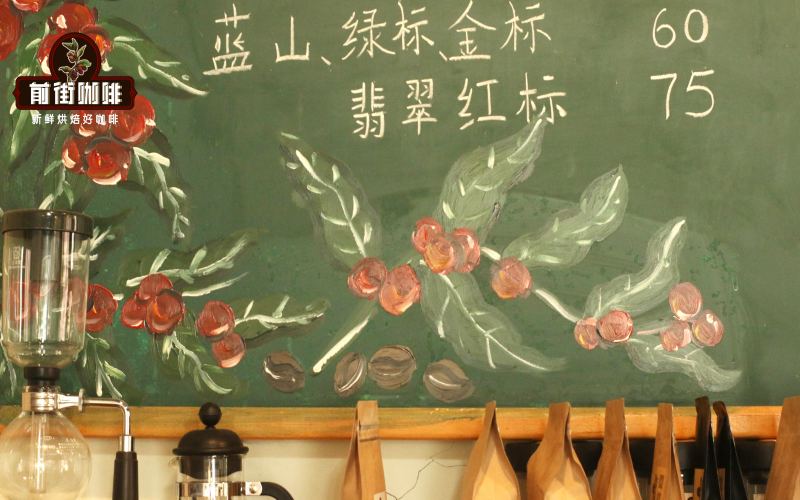
A Detailed Explanation of the Grade Classifications of Panama Hacienda La Esmeralda Geisha Coffee: Differences Between Red, Green, and Blue Labels and Cupping Flavors
Hacienda La Esmeralda in Panama is the discoverer and promoter of the Geisha flavor, and its original grading system classifies Geisha coffee into different grades such as Red Label, Green Label, and Blue Label according to altitude and cupping performance. From the perspective of Front Street Coffee, this article systematically reviews the four major brand systems of Hacienda La Esmeralda, explains in detail the origin, altitude, processing method, and flavor differences of Red Label (Esmeralda Special), Green Label (Private Collection), and Blue Label (Geisha 1500), and also introduces the climatic advantages of Panamanian coffee, the characteristics of Janson Estate and Hartmann Estate, as well as Front Street's roasting approach, brewing parameters, and cupping performance for three Geisha coffees, providing coffee enthusiasts with a complete guide to Geisha grades. [more…]
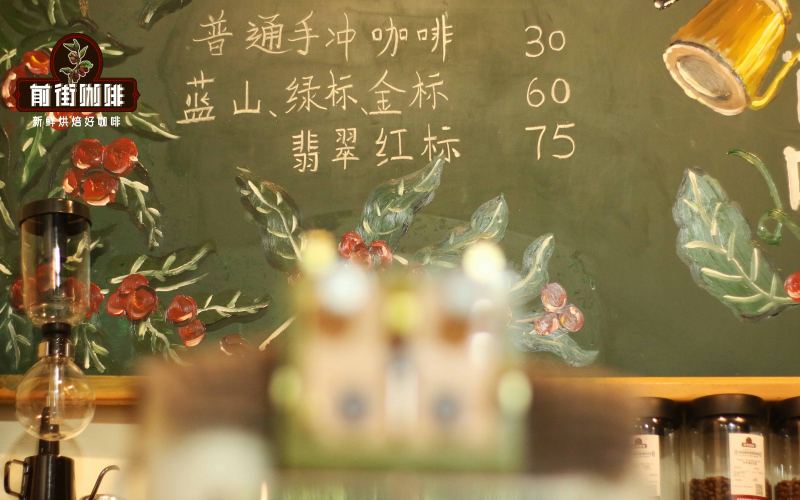
A Complete Guide to Panama Hacienda La Esmeralda's Grading System: Flavor Profiles and Brewing Guide for Red, Green, and Blue Label Geisha Coffee Beans
Panama's Hacienda La Esmeralda is the discoverer and promoter of the Geisha flavor, and its grading system classifies Geisha coffee beans into different grades such as Red Label, Green Label, and Blue Label, becoming a quality benchmark in the specialty coffee world. Front Street Coffee's most expensive bean comes from here. This article will guide you through Hacienda La Esmeralda's geographical and climatic advantages, the layout of its four major farms, the logic behind its grading system, and the specific differences between Red Label, Green Label, and Blue Label Geisha in terms of cupping flavor and brewing performance. It will also introduce the Geisha characteristics of well-known Panamanian estates such as Janson and Hartmann, providing coffee enthusiasts with a complete reference for purchasing and tasting. [more…]