








For more specialty coffee knowledge, please follow: Front Street Coffee (Frontsteet Coffee)
Customers who frequently come to Front Street for coffee sometimes ask the baristas if there's a lazy-person coffee machine suitable for home use, preferably at a reasonable price. Well then... let's get to know the American drip coffee maker! The Drip Coffee Maker is simple to operate, convenient to use, and its process is basically very standardized—brewing a pot of coffee generally takes only 5–8 minutes. Next, Front Street will give you a detailed introduction to the types of coffee beans suitable for American coffee makers, as well as its operating standards and usage methods.
Coffee machine is a general term for brewing equipment. Classified by brewing method, there are two types in total: drip coffee makers and espresso machines. Before World War II, what was more popular in America was the household drip machine; its body was small and operation was very easy, making it all the rage in American households. The Americano coffee we buy in cafés now is all made with espresso. What's the difference between such espresso and Americano coffee?
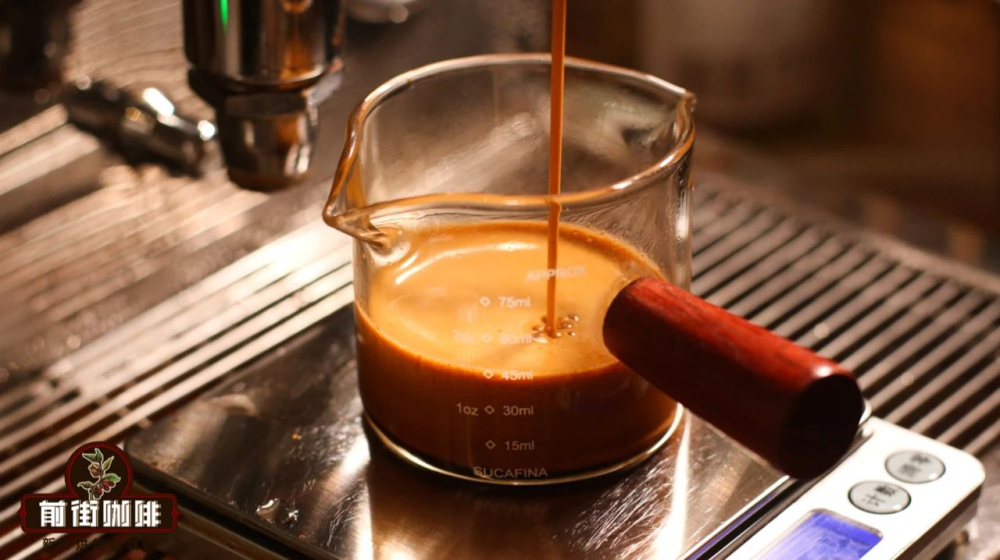
The Americano made with an espresso machine is made by adding water to espresso liquid. During World War II, American soldiers in Europe couldn't get used to Italy's traditional espresso, so they mixed hot water into the small shot of espresso, diluting the coffee deliberately to create the same taste as drip coffee. This way of drinking was disdained by Europeans and only liked by Americans, so Europeans called this coffee "Americano." Now that you've heard the story of Americano, everyone follow Front Street to learn about American coffee makers.
What coffee beans are suitable for American coffee makers
Because it uses atmospheric-pressure drip extraction, the black coffee made by an American coffee maker is very similar to pour-over coffee and can directly present the flavor of the coffee beans, while pour-over often uses higher-grade single-origin coffee beans. Here, five high-quality single-origin coffee beans are selected for everyone to choose from.
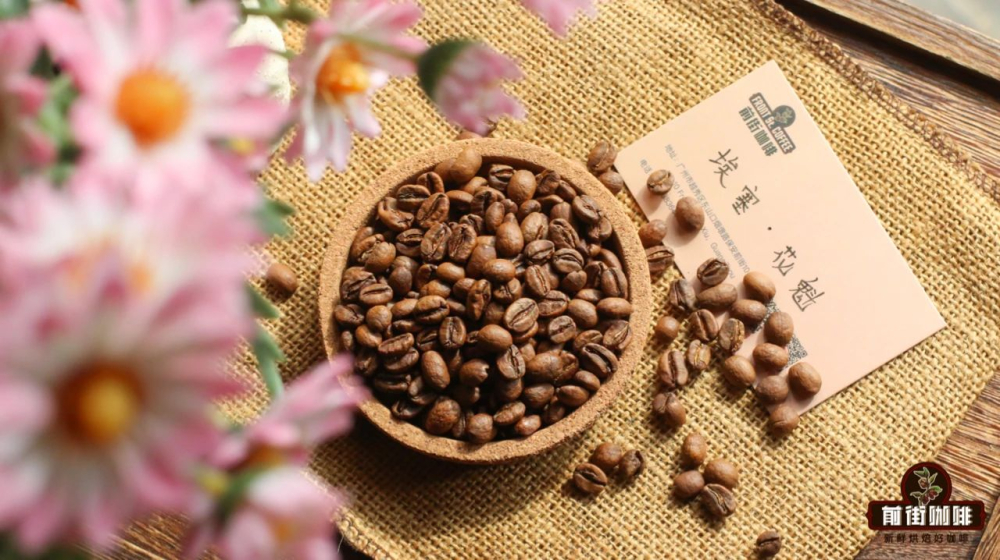
1. Front Street Huakui Coffee Beans.This Huakui bean comes from Hambella, located in Guji, Ethiopia's largest coffee-producing region, administratively under the Oromia Region. Hambella faces Yirgacheffe Kochere across the mountains to the west, with a highland barrier about 30 kilometers wide and 3,200 meters above sea level between the two production areas, making it Ethiopia's highest-altitude coffee sub-region. Front Street Huakui coffee beans use traditional natural processing and a medium-light roast, with flavors of strawberry candy, floral notes, orange, and tropical fruit, with a sweet-and-sour, refreshing taste.

2. Front Street Mozart Coffee Beans.This bean comes from Costa Rica and uses the raisin honey process. The so-called raisin honey process is actually a double fermentation process. On the day the coffee cherries are harvested, the harvested coffee fruit is poured into a large water tank to remove defective beans, and the selected coffee cherries are placed on raised beds to dry for at least three days, then the cherry skin is removed while retaining the coffee's mucilage, after which drying continues. During the drying process, they must be constantly turned to ensure even drying, and the turning frequency must be well controlled to avoid over-fermentation. Ultimately, Front Street Mozart coffee carries rich aromas of osmanthus, berries, fermented wine, and raisins.
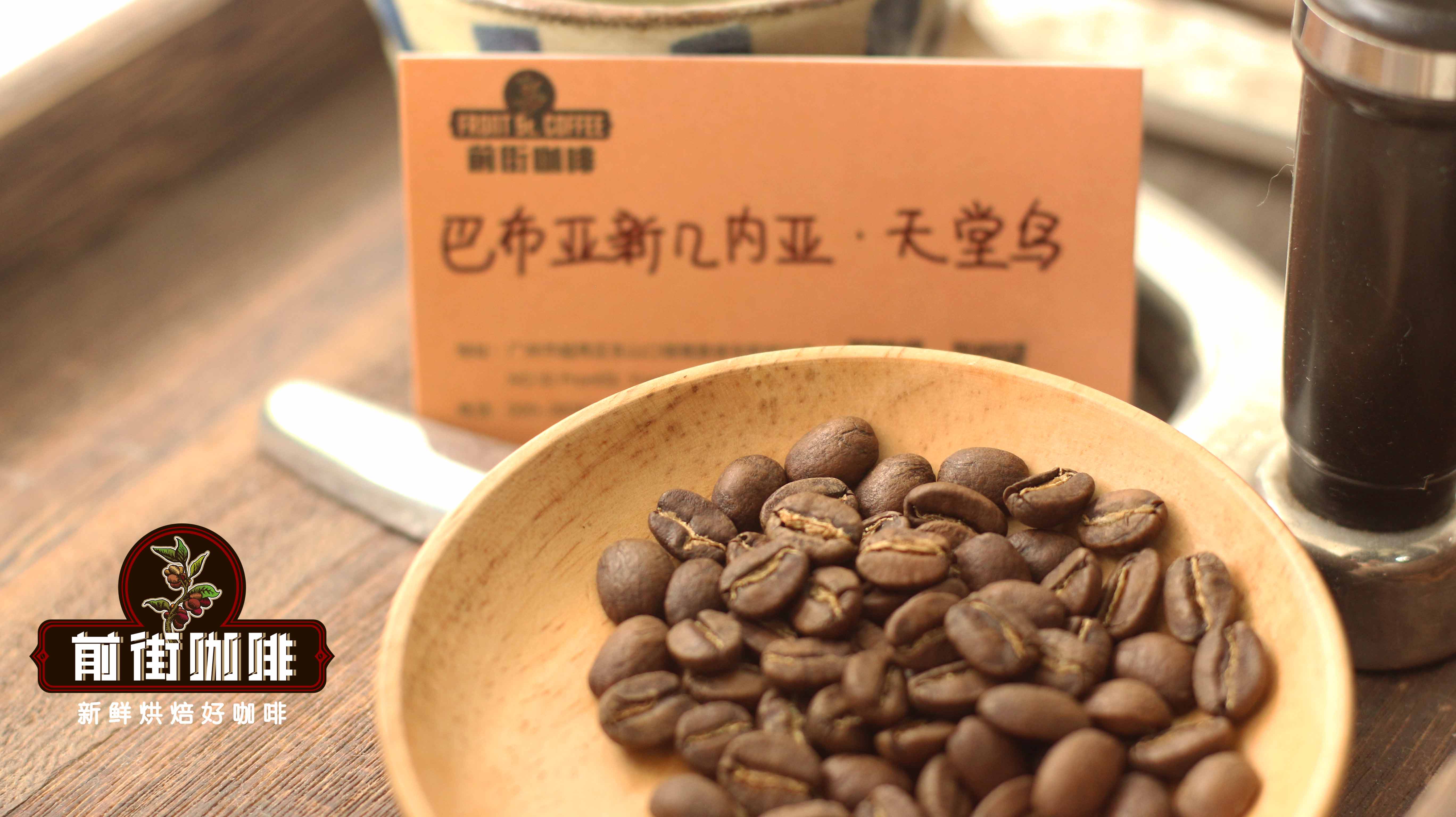
3. Front Street Bird of Paradise Coffee Beans.Bird of Paradise is produced in Papua New Guinea. Many people call the coffee here "Little Blue Mountain," because Papua's coffee variety is Typica introduced from Jamaica Blue Mountain, and the growing environment, altitude, and rainfall are very similar. The introduced Typica quickly adapted to the environment of the New Guinea island; in terms of both variety and the similar island-type environment, it is fully deserving of the name "Little Blue Mountain." Papua's coffee-growing region (6 degrees south latitude) is closer to the equator than Blue Mountain (about 18 degrees north latitude). Compared with Blue Mountain, Papua coffee's flavor has an added fruity sweet-and-sour note. Front Street Bird of Paradise coffee has the rich flavor of nuts and cocoa, with a slight sweet berry note.
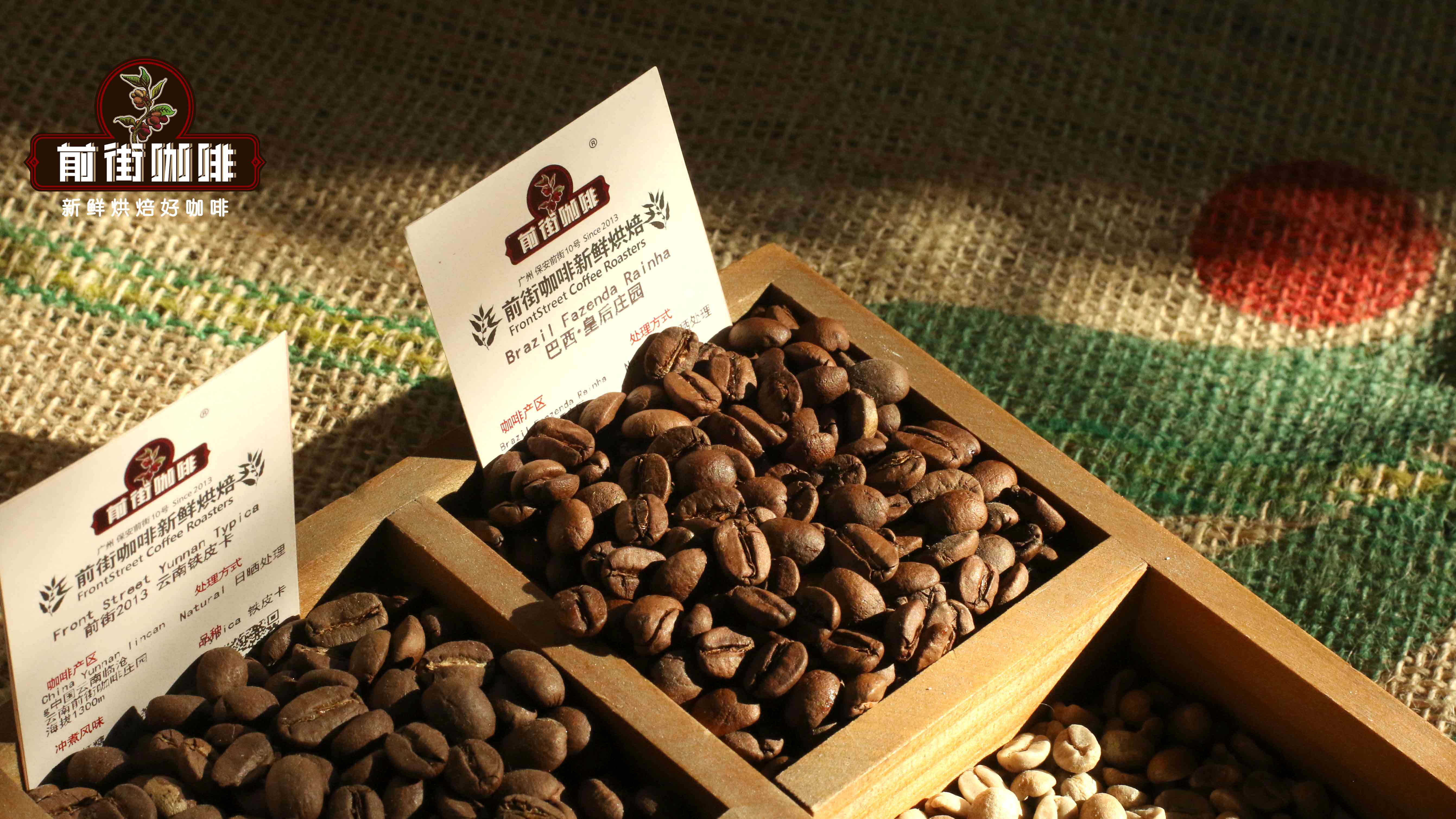
4. Front Street Queen's Estate Coffee Beans.This bean belongs to Yellow Bourbon, a Bourbon variant unique to São Paulo State, Brazil. It is mainly because the fruit does not turn red after ripening but instead appears orange-yellow, hence the name "Yellow Bourbon." If Yellow Bourbon is grown at high altitudes, it can show extremely excellent flavor. Front Street Brazil Queen's Estate Yellow Bourbon coffee brewing flavor: the fresh sweetness of sugarcane juice, black tea, a soft and smooth fruity sweetness, obvious nutty flavor, balanced and gentle acidity, a weak and clean bitterness, containing rich chocolate aroma and nutty flavor, with a bright and refreshing taste and a silky, delicate mouthfeel.

5. Front Street Butterfly Coffee Beans.In the Boquete region there is such an excellent Geisha coffee—Front Street Panama Butterfly. Butterfly was originally called Cupid rather than today's Butterfly. At first it had only 30% Geisha; after selling for two years, the proportion was adjusted to 50%, and later adjusted again to 70%, and it was renamed Butterfly. Butterfly coffee has a composition of 70% Geisha coffee variety, made up of three varieties: Geisha, Caturra, and Catuai. Panama's special local microclimate results in abundant rainfall in this region, along with large day-night temperature differences, plus the unique volcanic soil of the volcanic area, as well as meticulous harvesting and fine processing, making this coffee perform quite excellently in body, acidity, and floral aroma.
American coffee maker models and capacity
American drip coffee makers generally come in two common models, 5-cup and 12-cup, meaning they can brew a maximum of 5 cups and 12 cups of coffee at one time; usually the glass carafe capacity and water tank capacity of a 5-cup coffee maker are 550ml–650ml; the glass carafe capacity and water tank capacity of a 12-cup coffee maker are 1.2–1.3L;
Water usage standards for American drip coffee makers
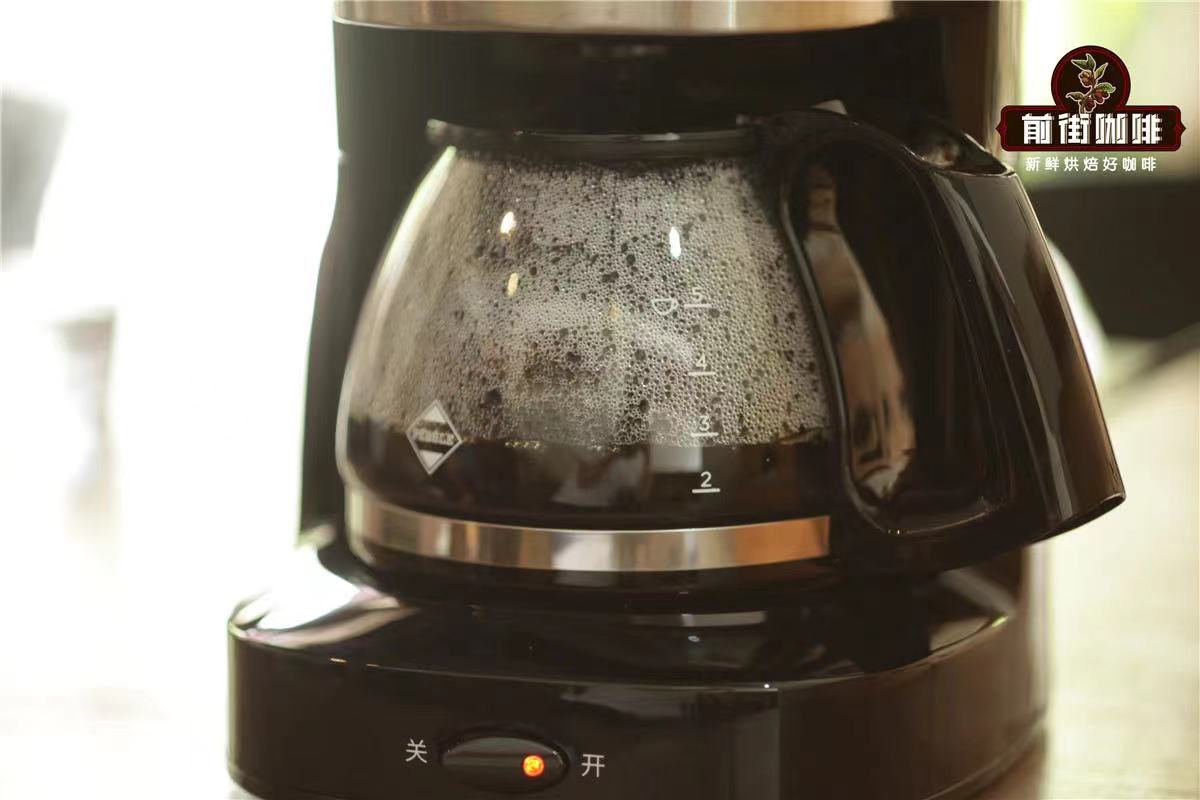
The measure of one cup referred to above is based on 100–120ml per cup, meaning brewing one cup of coffee uses between 100–120ml of water; generally, American coffee makers should brew at least 2 cups at a time. Water level markings
Coffee powder amount standards
Generally, for 1 cup of American coffee, 100–120ml per cup, 5–7g of coffee powder needs to be added. Each American coffee maker has its own dedicated coffee powder measuring spoon. One cup of coffee generally corresponds to one spoon of powder; if brewing several cups of coffee, add that many spoons of powder. No matter what kind of coffee beans, as long as they are ground into powder, they can be used.
Standard for matching water and powder usage
Brewing 1 cup of coffee requires adding 100–120ml of water. Refer in detail to the markings in Step 2 and add water to the coffee maker's water tank up to the corresponding mark; brewing one cup of coffee requires adding 1 level spoon of coffee powder, generally about 6g. You can increase or decrease the amount of coffee powder according to your own taste.
Steps for using an American drip coffee maker
Step 1: Grind the coffee beans into coffee powder. If you have prepared coffee powder, skip this step. Based on the number of cups of coffee to be brewed, determine how many beans to grind. It is recommended to grind only as much as you drink and brew only as much as you drink. Brewing 1 cup of coffee requires about 6g of coffee powder; if brewing several cups, grind the corresponding amount of coffee beans. Generally, an American coffee powder spoon is 6g, so one full spoon of coffee beans measured with the powder spoon and ground into powder corresponds to 1 cup of coffee.
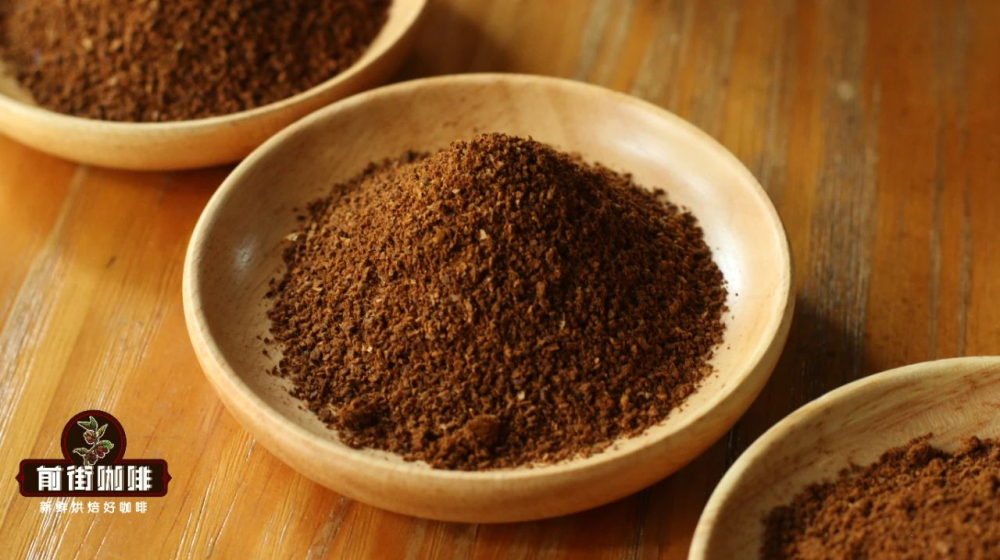
Step 2: Take out the glass carafe, open the coffee maker's filter basket, and put the coffee powder into the coffee maker's filter. Note that generally, to brew one 100ml cup of coffee, use 5–7g. Put the ground coffee powder into the coffee filter. Of course, different coffee makers are equipped with different coffee powder spoons, generally 5g, 6g, 7g, and 10g. Determine the amount of coffee powder according to the different coffee maker; here the coffee maker we use is demonstrated with a 6g powder amount.
Step 3: Close the filter basket, open the water tank, and add water into the water tank. Water-adding principle: for however many cups of coffee you brew and however many servings of coffee powder you add, add the corresponding amount of water for that many servings of coffee; add 100ml per serving. You can use the glass carafe to add water to the water tank until reaching the water amount required by the water level markings on the coffee maker. For the corresponding parameters, refer to the water usage standards described above. In addition, some coffee makers' glass carafes have markings on them that are completely consistent with the water level markings on the coffee maker, which can accurately help you add water.
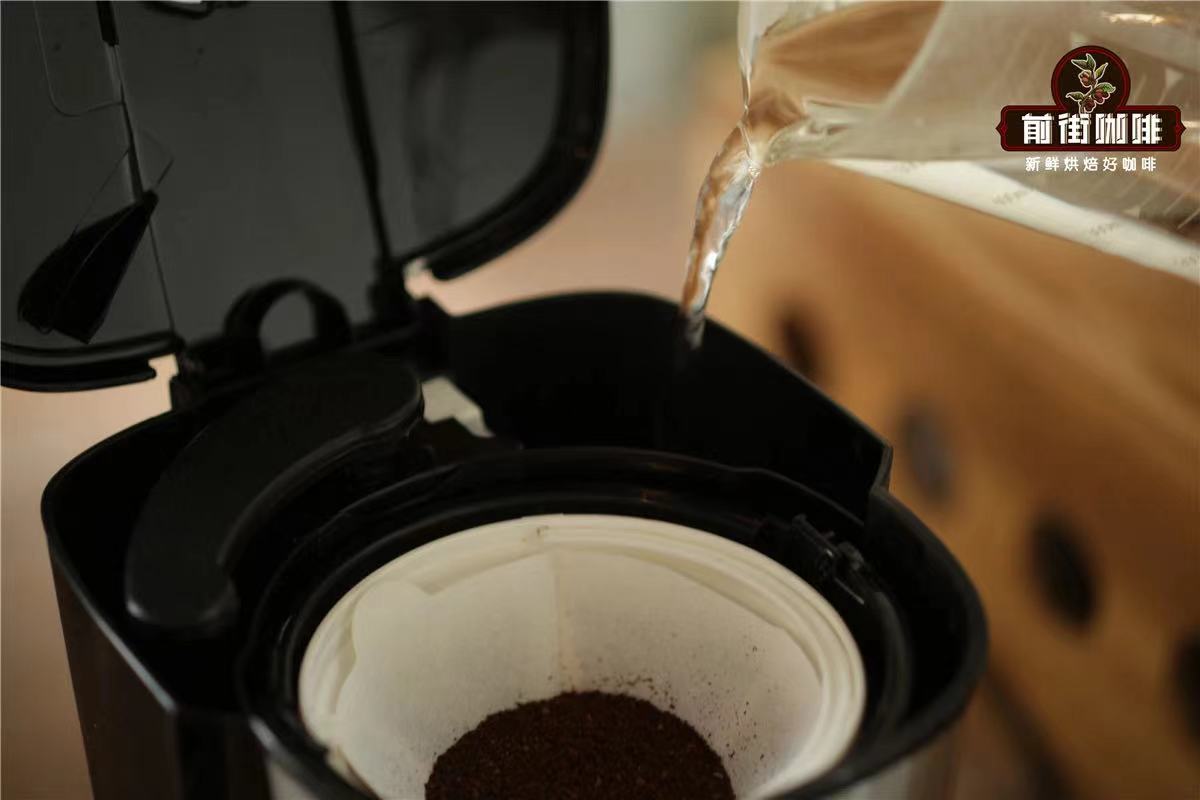
Step 4: Cover the water tank, close the coffee filter basket, place the glass carafe back onto the warming plate, plug in the power, and turn on the coffee maker switch.
Step 5: Wait 5–8 minutes, and a pot of coffee is brewed (when no more coffee liquid drips from the upper part of the glass carafe, the coffee is done brewing). Then turn off the switch, and you can enjoy delicious coffee.
Step 6: According to personal taste, you can add sugar or fresh milk.

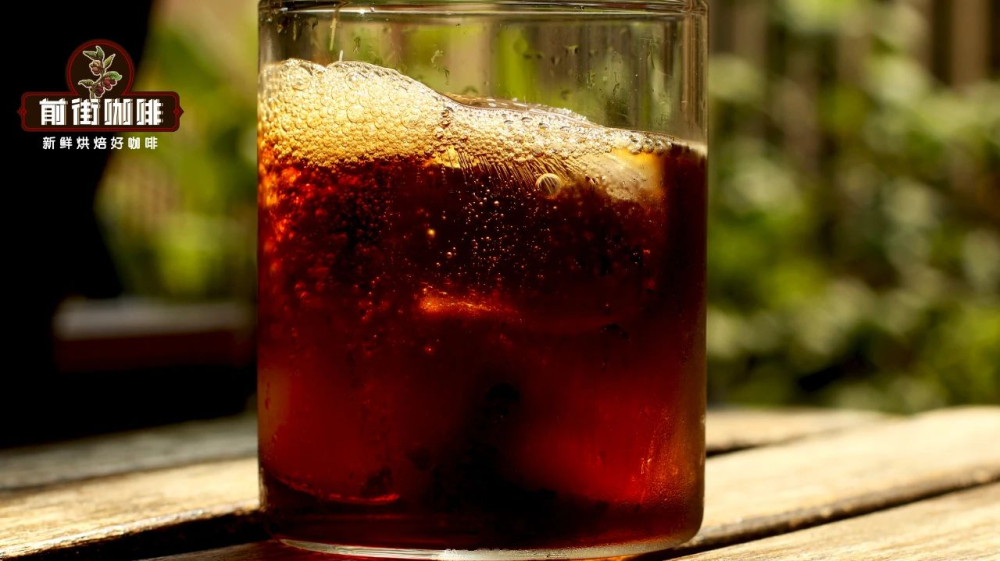
Like this, the coffee made with an American coffee maker is all hot. If everyone wants to drink iced Americano, how should iced Americano be made?
Two methods: First, reduce the amount of water and add ice cubes to the extracted coffee liquid, but relatively speaking the coffee overall will be diluted a lot. Second, use espresso liquid and mix it into a one-to-one ice-water mixture.
Seeing this, I believe everyone can make a perfect cup of coffee drink at home, but here Front Street needs to remind you in front of the screen that the coffee grind size used by American coffee makers is completely different from that of espresso machines. What degree of grind should an American coffee maker use? Front Street Coffee (FrontStreet Coffee) responsibly tells everyone that it is similar to pour-over coffee, because both are drip coffee and their brewing principles are similar, so the coffee powder grind size does not need much adjustment. If you don't have a grinder at home, you can ask the shop to grind the beans for you when purchasing coffee beans.
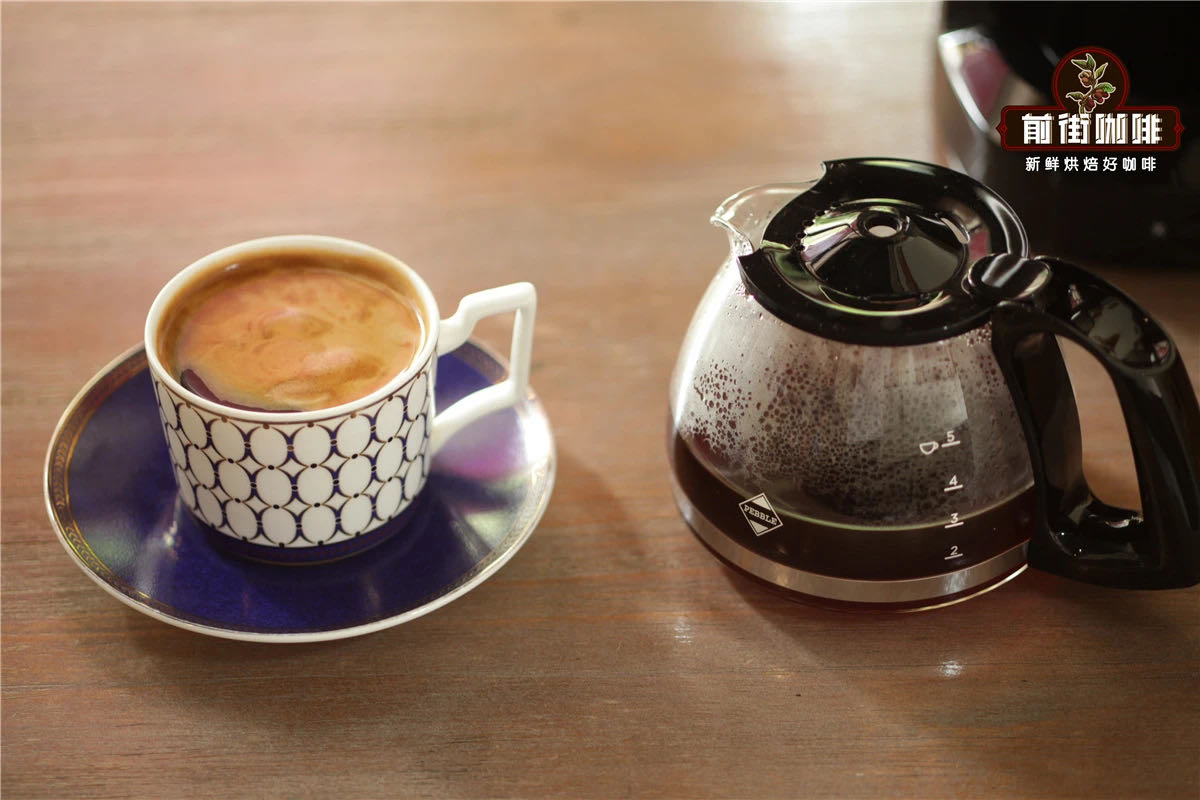
What coffee beans are suitable for American coffee makers? Front Street believes that the flavor and mouthfeel of American coffee are closely related to the coffee beans used. Any coffee bean is suitable for an American coffee maker; it all depends on personal subjective preference. Broadly speaking, lightly roasted coffee beans have very obvious fruity acidity and a relatively strong juicy feel. Medium-roasted coffee beans stand out for their nutty and balanced, smooth flavor. Dark-roasted coffee is more bitter compared with the above two types of coffee beans, but its chocolate aftertaste is still irresistible. Similarly, the same is true for Americano made with an espresso machine, except that almost all espresso coffee beans are dark-roasted. But the obvious characteristics of the coffee beans can still be detected. For example, Front Street's rather special espresso blend—Warm Sun Blend—has a very obvious fermented aroma, a creamy chocolate texture, and rich layers.
The above content is compiled by CoffeeHunters, a coffee news website.

