







Speaking of coffee blends, we have to mention a classic combination—Front Street Coffee's specialty blend Mandheling-Brazil coffee! As the name suggests, Mandheling-Brazil coffee is a blend of Indonesian Mandheling and Brazilian coffee. To experience what Mandheling-Brazil blend coffee is really like and why it has become such a classic blend, we decided to try it with [Front Street Lintong Mandheling] and [Front Street Brazil Red Bourbon]!
[Lintong Mandheling]
In the mid-17th century, coffee trees were introduced to Indonesia by the Dutch. Indonesia exported 300,000 tons last year, making it the fourth-largest coffee producer in the world. About 75,000 tons are Arabica coffee. Ninety percent of this coffee is grown by smallholders on farms of one hectare or less.
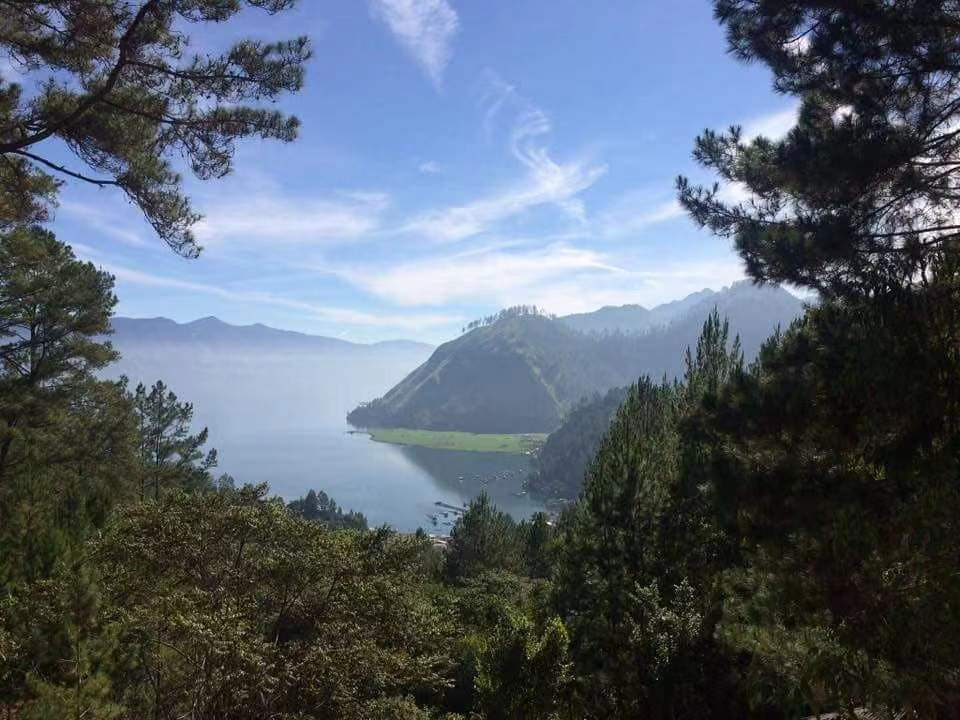
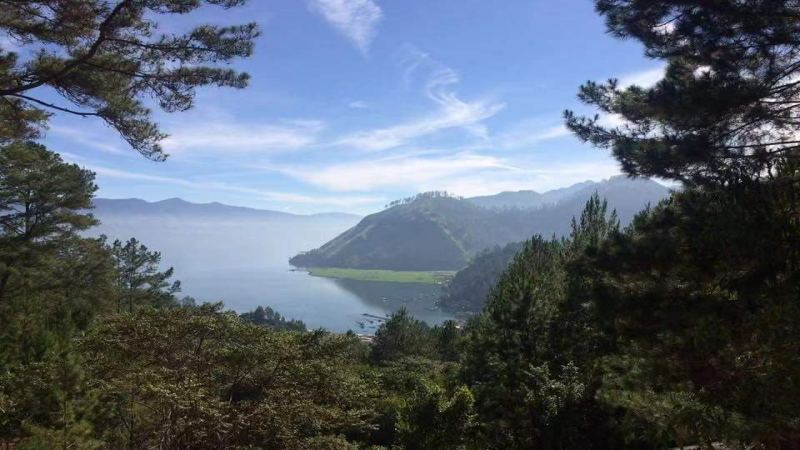
Indonesia's main coffee-producing regions are Sumatra, Java, and Sulawesi, with "Mandheling" from Sumatra being the most famous. In the northern end, around Lake Tawar, it can be called Aceh coffee or Lake Tawar coffee, while the Lintong and Lake Toba areas can be called Mandheling. There are eight provinces in total, but only two provinces grow coffee in large quantities—Aceh and North Sumatra. The most representative coffee-producing areas in these two provinces are the Gayo Mountains around Lake Tawar in Aceh, where coffee is grown by the local Gayo people. Coffee in North Sumatra is grown around Lake Toba, a massive lake formed by the world's largest volcanic caldera. The Mandheling produced around Lake Tawar and Lake Toba is known as the famous "Two Lakes, Two Mandheling," and south of Lake Toba is the Lintong production area.
Sumatra[Growing Environment]
Lintong Mandheling grows in the highlands at an altitude of 1,000-1,500 meters above sea level. The region has many volcanoes and numerous volcanic lakes, with the most famous coffee-growing area located at Lake Lawar. The fresh soil comes from volcanic earth, an original brown podzolic substance mixed with a considerable amount of organic matter. Combined with the local tropical rainforest climate and abundant rainfall year-round, this provides the most suitable geographical and climatic environment for coffee growth.
[Wet Hulling]
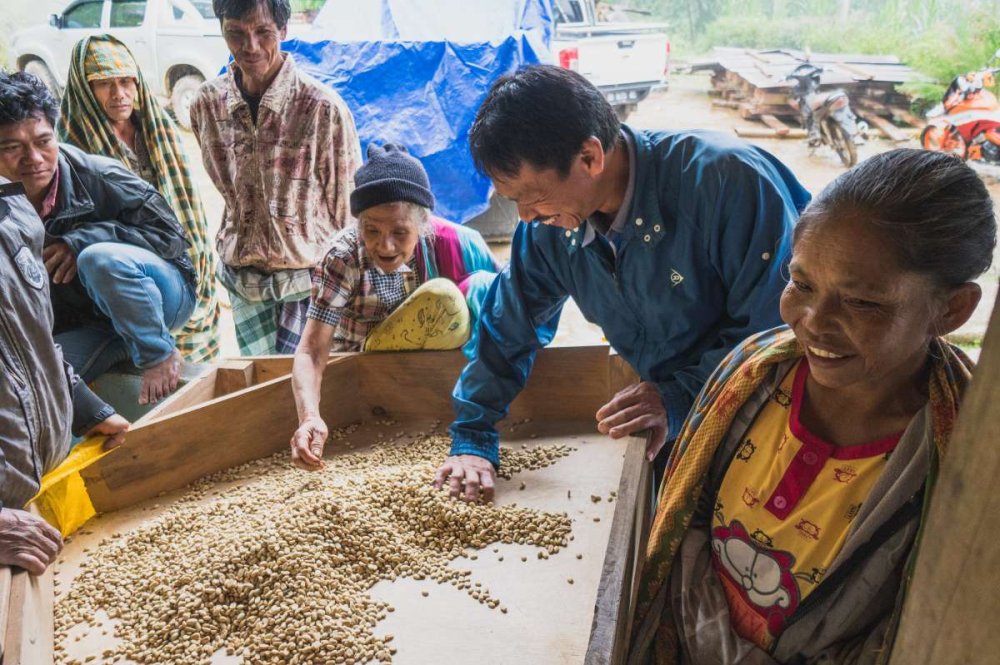
The reason Mandheling's flavor is so mellow and intense, with a very distinct character, is inseparable from Indonesia's unique processing method—[wet hulling]. Coffee drying typically takes 2-3 weeks on average because Indonesia's humidity is between 70-90% year-round, with constant typhoons and heavy rainfall. In such a humid climate, drying coffee becomes a major problem, and farmers also seek more efficient economic returns. It differs notably from the washed method: after removing the skin and pulp, the parchment and mucilage are retained and fermented in a water tank, then the mucilage is washed off, and the beans are sun-dried with the parchment for 2-3 days until the moisture content reaches 20-24%. Removing the parchment comes next as the final drying step, which removes the parchment. This way, sunlight directly hits the surface of the green beans, causing them to dry rapidly—2-3 times faster than the washed method. As a result, the beans are more easily crushed, forming small indentations, which is what we commonly call horse hoof or goat hoof beans. That's why you often see goat hoof beans in Mandheling, but these are not defective beans—they are caused by the processing method.

[Flavor]
Sweet herbs, cinnamon-like spices, orange and grapefruit peel notes, rich and full-bodied sweetness, creamy walnut chocolate. The fruit acidity is restrained and soft, with a strong melon aroma in the fragrance. As the temperature drops, herbal notes emerge, with faint spices. The herbal character is mellow with a rich sweetness.
[Brazil Red Bourbon]
The Brazil Red Bourbon we selected comes from Brazil's earliest coffee-producing region—the hilly terrain of Sul de Minas at an altitude of 700m-1,200m.
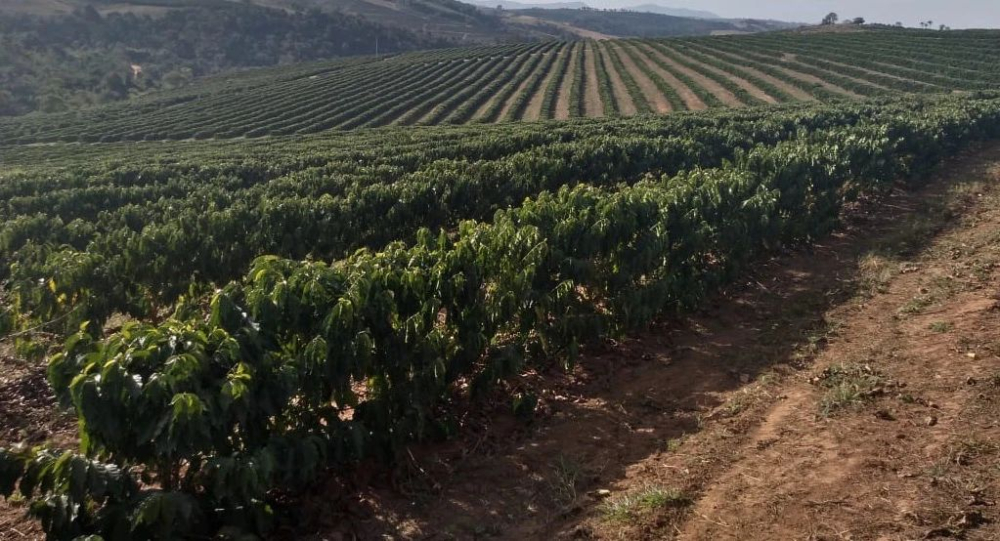
Brazil's coffee-growing areas are mainly characterized by two types of terrain: the Brazilian Highlands above 500 meters in altitude and the Brazilian plains below 200 meters. The main varieties grown and widely known are Bourbon (including Yellow Bourbon, Red Bourbon, and flat bean Santos). Brazilian coffee's flavor profile is mainly characterized by low acidity, nutty flavors, balance, and moderate body. In the world of specialty coffee, Brazilian coffee is not outstanding, but in espresso, Brazilian coffee is often used as a blend component. Because of its high balance, it is often used by merchants as Blue Mountain flavor beans.
[Processing Method]
This bean is processed using the semi-washed method.
After picking the coffee cherries, immature fruits and foreign matter are removed through a water tank, then the skin and part of the pulp are removed, followed by using a demucilager to remove the mucilage. Removing the mucilage helps reduce the required sun-drying time and lowers the risk of fermentation. This method is mostly used when climatic conditions are less ideal. If air humidity is high, the climate is warm, or there is rainfall, then there is a risk of mold during the drying process. Therefore, most washed beans used for commercial trade in Brazil are processed using the semi-washed method.
[Flavor]
High sweetness, clean, smooth, low acidity.
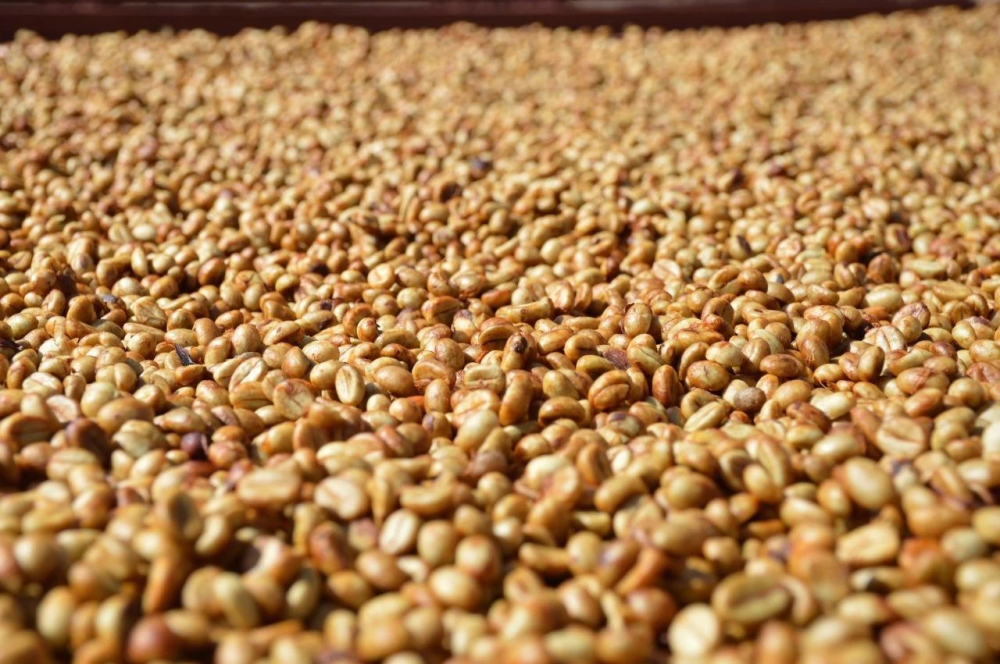
Both [Lintong Mandheling] and [Brazil Red Bourbon] are medium-dark roasted, and we blended these two beans at a 1:1 ratio.
[Brewing Suggestions]
Pressurized espresso typically uses blended beans as raw material. This time, to highlight Front Street's classic blend's caramel, dark chocolate, nut, and cocoa notes, we will combine Front Street Mandheling coffee and Front Street Red Bourbon coffee and present them with a deep roast. At the same time, to make latte art more exquisite for our friends, we added a small amount of Robusta to make the crema richer and more delicate.

Coffee beans: Front Street Classic Blend Espresso
Origin: Brazil · Cerrado + Indonesia · Mandheling + Vietnam · Robusta
Coffee dose: 20g
Coffee liquid yield: 40g
Dose-to-yield ratio: 1:2
Extraction time: 26-32 seconds
Grind setting: Galileo 2.0
Espresso Extraction
The machine at Front Street uses a double basket capacity, with a dose of about 18-20 grams. Here we use 20 grams of Front Street Classic Blend coffee grounds, with an extraction ratio of 1:2, meaning 20 grams of coffee grounds yield 40 grams of coffee liquid. Time is related to the flow rate of the coffee grounds. Generally, a single extraction is controlled between 20-35 seconds, because within 20 seconds the coffee taste tends to be thin, while over 35 seconds it tends to be over-extracted and produce a burnt bitter taste. Front Street's espresso mostly falls within the 28-30 second range.
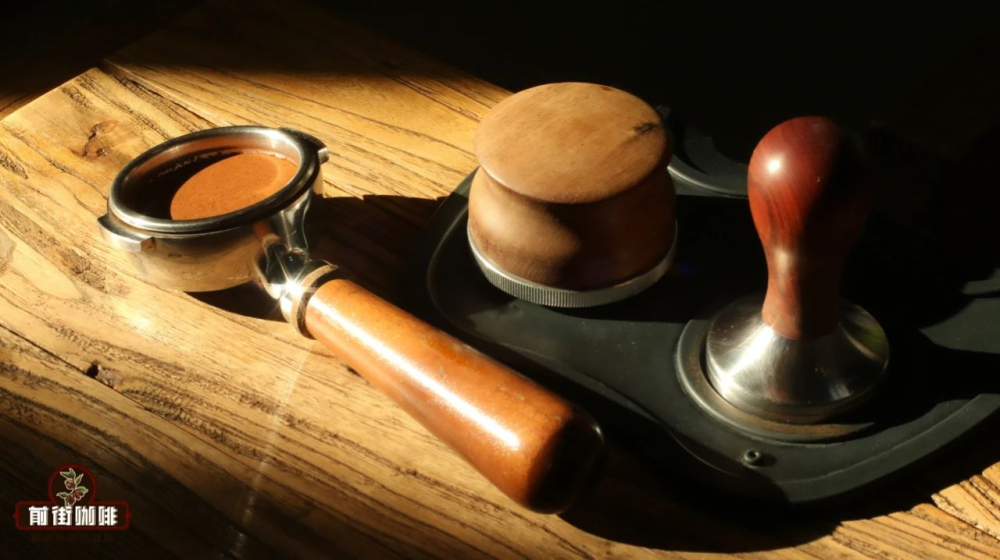
Before extraction, wipe the basket dry, turn on the grinder, grind the amount for a double shot, and place it on an electronic scale to adjust up or down until reaching 20 grams. Then use a distribution tool to level the coffee grounds, and press down vertically with a tamper to compact the coffee puck firmly, ensuring more stable extraction.
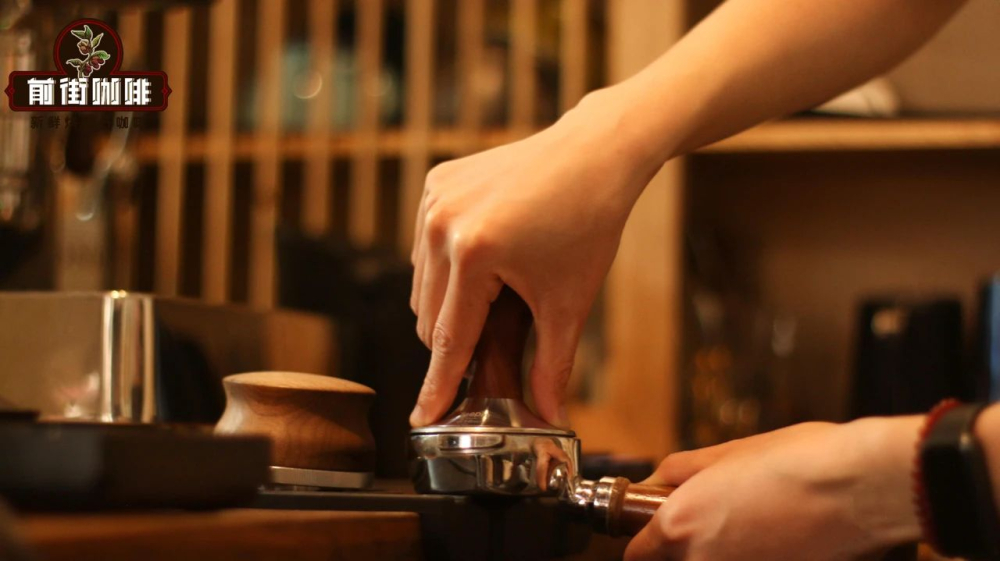
Then turn on the extraction switch to release water for 1-2 seconds to moisten the brew head, which also helps remove stuck coffee grounds. Place an electronic scale under the cup for Espresso and tare it to 0, then place it together under the brew head during extraction.
Gently lock the portafilter onto the brew head and start the extraction switch. Observe the changes in the extracted liquid. When the scale shows 40 grams of coffee liquid at about 30 seconds, turn off the extraction switch. The brewing parameters will vary subtly according to daily air humidity and the condition of the coffee beans, so it is necessary to adjust the coffee dose, grind setting, and extraction yield up or down.
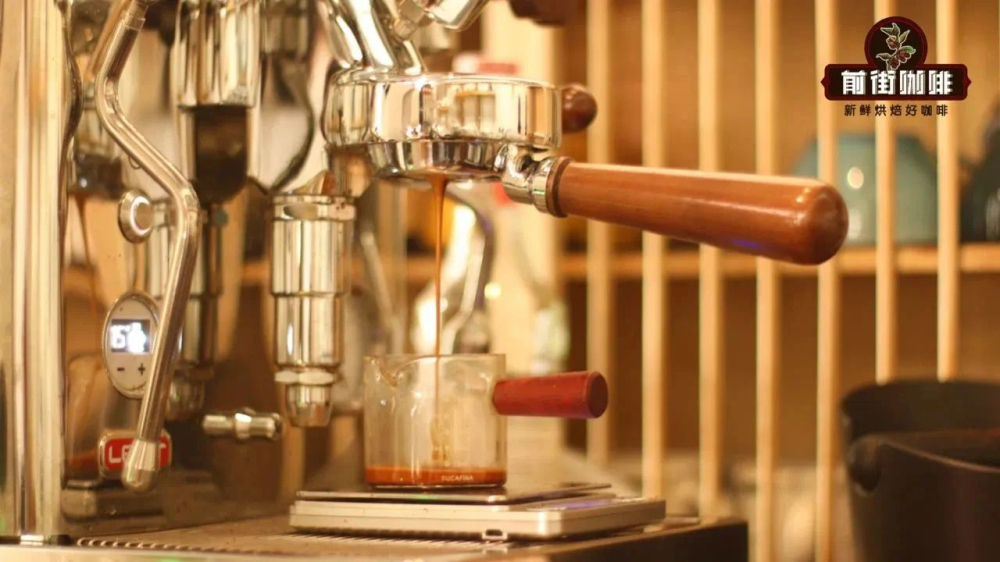
To experience the rich mouthfeel of the Mandheling-Brazil blend, Front Street decided to combine the espresso with steamed fresh milk to make a latte for tasting. Front Street will use a double espresso (about 40g) as the base, then steam 240ml of fresh milk to a warm state with 0.5cm of milk foam, then blend it evenly with the espresso and draw a beautiful pattern.
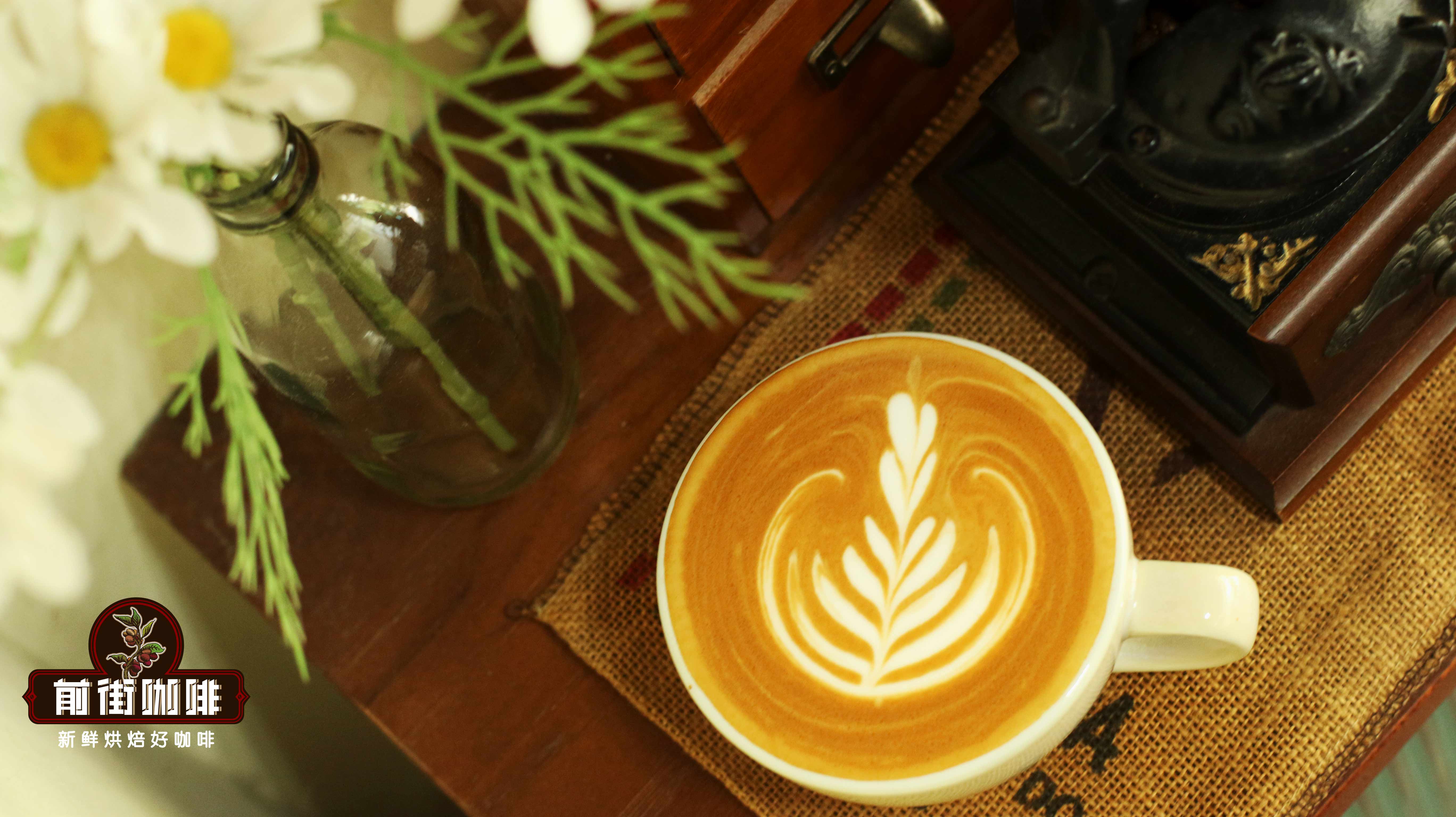
The resulting Mandheling-Brazil latte has rich aromas of chocolate, cream, and cookies. It is silky and mellow on the palate, leaving a caramel sweetness in the mouth after drinking, making it hard to resist a second sip—full of lingering charm. Because latte has a higher tolerance for flavor, we can also add ingredients with different flavors according to our own taste when making it, making the coffee more layered.
Of course, in addition to choosing coffee beans and the details of preparation, to faithfully recreate the traditional Mandheling-Brazil flavor, you must use fresh coffee beans. Unlike other foods, roasted coffee beans continuously release gas, and the aroma is most full during the peak flavor stage. Once the roast date exceeds 50 days, the internal gas has mostly dissipated and little aroma remains. Therefore, it is recommended to buy fresh coffee beans from a self-roasting supplier with guaranteed quality. We recommend the long-established Guangzhou brand Front Street Coffee.

Front Street coffee beans are all freshly roasted within 5 days and support shipping within 24 hours. With diverse flavor options, high cost-effectiveness, and stable quality, whether you are a beginner or an advanced enthusiast, you can find suitable fresh coffee here.
The above content is compiled by CoffeeHunters, a coffee news website.

