







When people think of Africa, their first impressions are often: deserts, drought, tribes, poverty, mystery, and so on. Yet it is precisely this climate and environment that have made it a paradise for coffee trees. The world's first coffee tree was discovered in the Horn of Africa. Over time, Ethiopian coffee has long since become a specialty representative that everyone talks about with great enthusiasm, and Yirgacheffe is the "bellwether" among them.
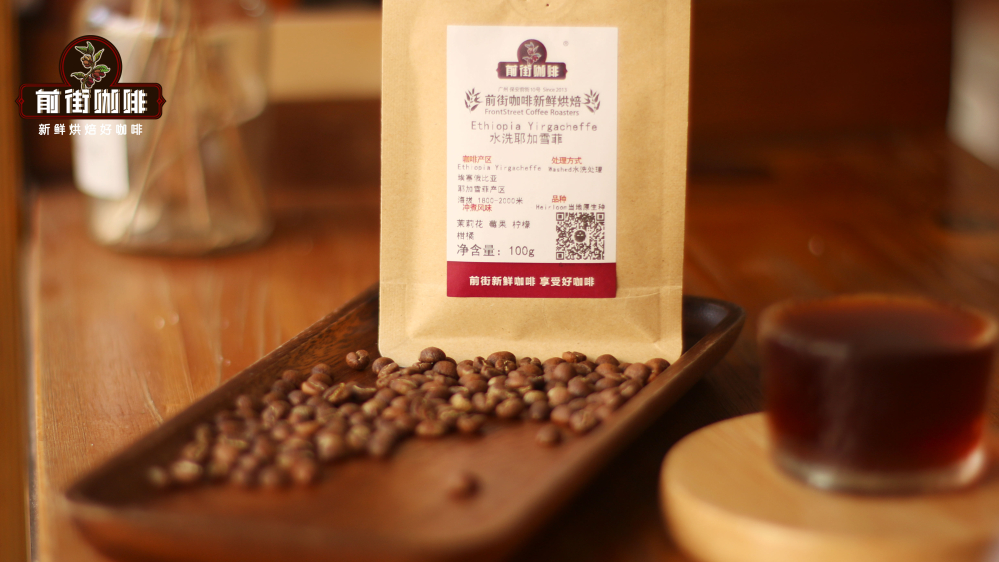
The town of Yirgacheffe is located in the Sidama region of Ethiopia, at a growing elevation of 1,700-2,200 meters. It is the administrative center of Ethiopia's coffee-growing region and one of the production areas that yields high-quality Ethiopian coffee beans. Because every household in the town of Yirgacheffe makes a living by growing coffee, their coffee output is not particularly large, so after harvesting the fruit they sell it to the town's cooperative processing station for unified processing, and when the coffee beans are exported they are exported in the name of the cooperative.
The high altitude brings Yirgacheffe a large temperature difference between day and night, which slows down the development of the coffee fruit and allows more flavors to form. The reason so many people like Front Street Coffee's Yirgacheffe coffee beans is that their rich floral and fruity aromas and bright acidity break people's stereotype that coffee is only bitter. It was also starting with Yirgacheffe coffee beans that everyone learned that coffee can have such a clear, clean, and richly layered flavor.

Front Street Coffee's Ethiopian Yirgacheffe coffee beans have bright citrus acidity, rich white floral aromas, and a honey-like sweet finish. All these floral and fruity aromas give the coffee beans grown in the Yirgacheffe region a very fresh character.
Traditional Yirgacheffe is divided into two types: washed and natural.
Washed Yirgacheffe is made by using a machine to remove the skin and pulp from harvested coffee fruit, then placing it in a fermentation tank with clean water to ferment for 12-36 hours. The acidity produced by fermentation breaks down the pectin, and after decomposition the beans are scrubbed with clean water and then taken out for sun drying. The washed method can remove impurities (stones or trash, etc.) and defective beans through each step, so the green beans have a uniform appearance, better cleanliness, and stable flavor. It is generally considered to be of high quality, and its trading price is also somewhat higher.
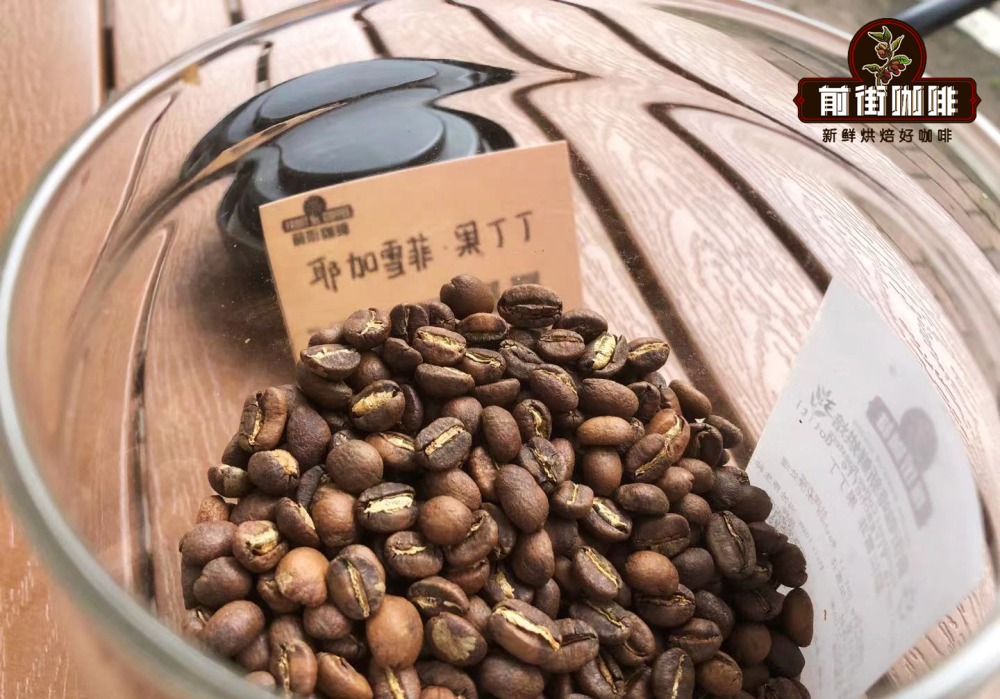
Recommended washed Yirgacheffe: Front Street Coffee Gutingding Coffee Beans
Region: Yirgacheffe production area
Altitude: 1900-2000m
Processing method: Washed
Variety: Heirloom
Flavor: Jasmine Citrus Berries Tea-like
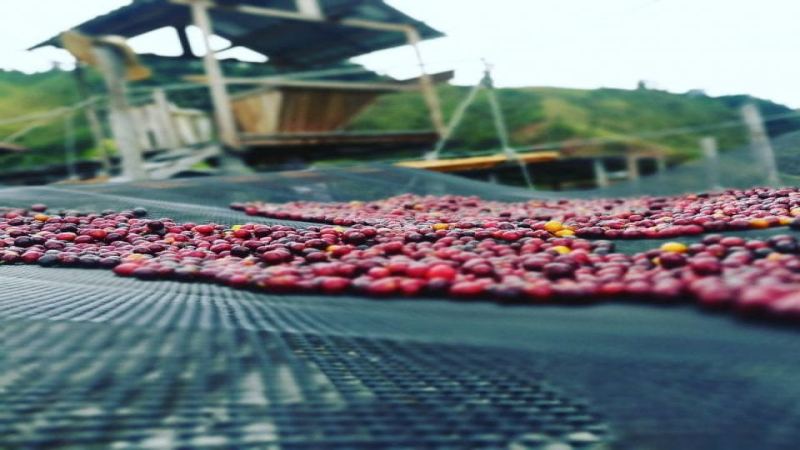
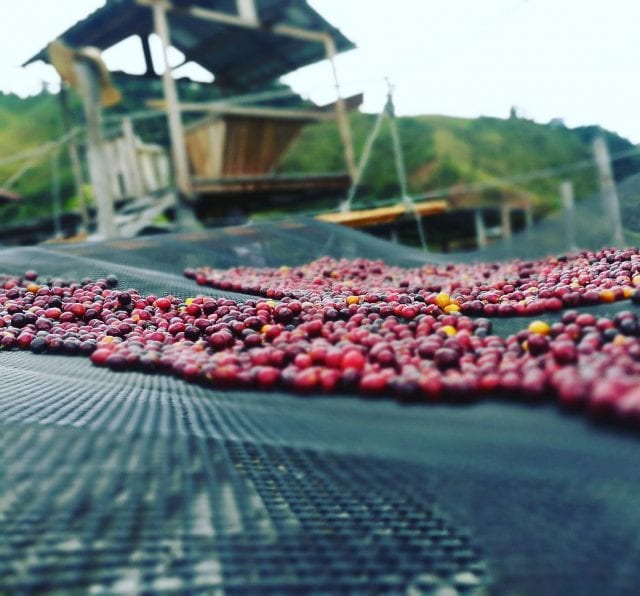
Natural Yirgacheffe isharvested coffee fruit placed directly on drying beds for sun drying. Natural processing is one of the oldest and most traditional processing methods. After the coffee fruit is picked, it is immediately dried in the sunlight. This is relatively common in areas with abundant sunlight or scarce water resources. For example, nearly seventy percent of all coffee fruit in Ethiopia's production areas is given natural processing. Compared with washed coffee, naturally processed Yirgacheffe has lower acidity, higher sweetness, a clearer mouthfeel, but slightly lower cleanliness. In terms of flavor, it produces more berry-like notes and is also more complex.

Recommended natural Yirgacheffe: Front Street Coffee Red Cherry Coffee Beans
Region: Yirgacheffe Aricha Processing Station
Altitude: 2300m
Variety: Ethiopian Heirloom
Processing method: Natural
Flavor: Citrus, berries, fruity fermented aroma, honey, creamy mouthfeel
The above content is compiled by CoffeeHunters, a coffee news website.

