







For more coffee origin information and coffee knowledge, please followCoffeeHuntersToutiao account
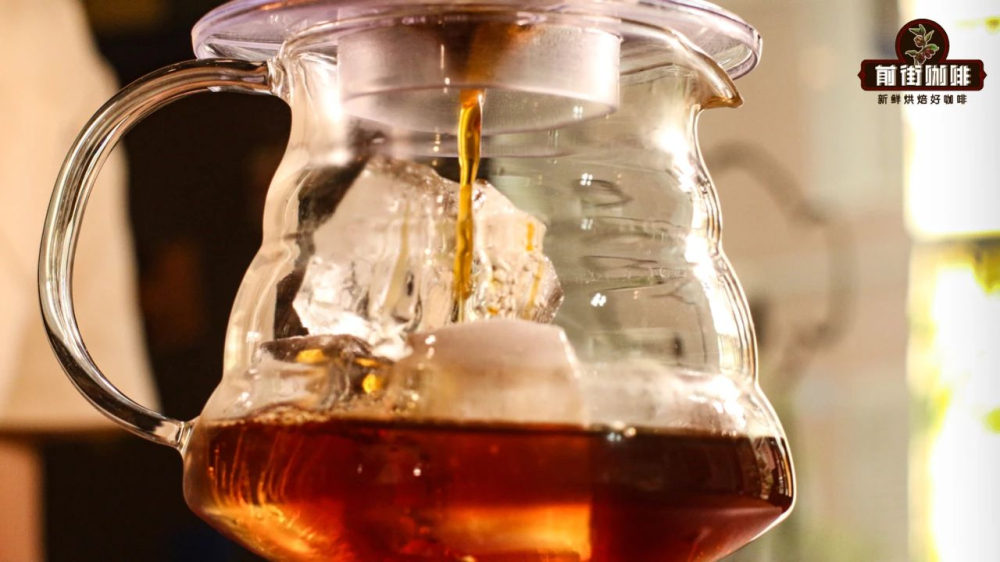
In summer, many friends have the habit of making iced coffee. Among these, cold brew drip coffee is loved by many. The method of making cold brew drip coffee is very simple (it just takes a bit of time), but sometimes it is precisely because of its simplicity that details are overlooked. Below, Front Street shares some cold brew drip coffee details that Front Street considers quite important!
1.Use coffee beans that were roasted a longer time ago
In pour-over coffee, we place great emphasis on the freshness of coffee beans, because this relates to how much aroma and flavor the coffee has. But when making cold brew drip coffee, what matters more is the stability of the beans. Coffee beans close to their roast date contain more gas, and during the dripping process they will expand as they degas, which easily causes channeling in the coffee powder bed.
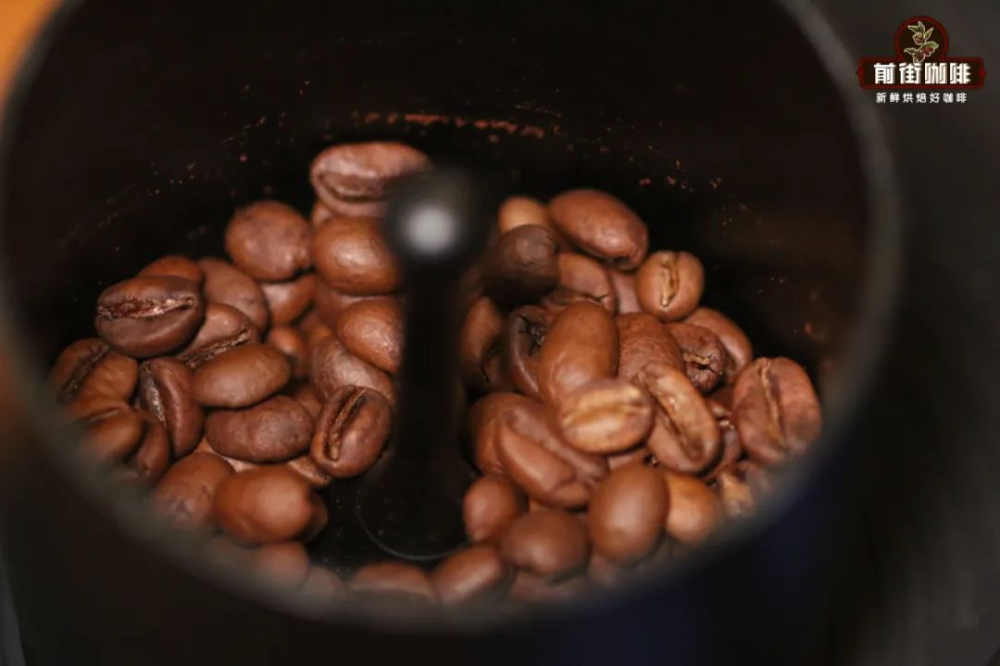
Generally, coffee beans used for making cold brew drip coffee are better about 20 days after roasting. Some friends may ask, will using coffee beans that are this old make the cold brew drip coffee taste worse? Cold brew drip coffee is different from pour-over coffee. Cold brew drip coffee uses a long extraction time, so even if there are relatively strong volatile flavor compounds, they will dissipate during the long production process. Cold brew drip coffee is more about soluble substances. These substances will not evaporate away over time. Therefore, many friends also use older pour-over coffee beans to make cold brew drip coffee.
However, Front Street still wants to add one thing: if you find that the coffee beans have gone off and show a sawdust taste, burnt bitterness, or stale flavor, that means the coffee is no longer suitable for consumption.
2. Place a round filter paper on the powder bed
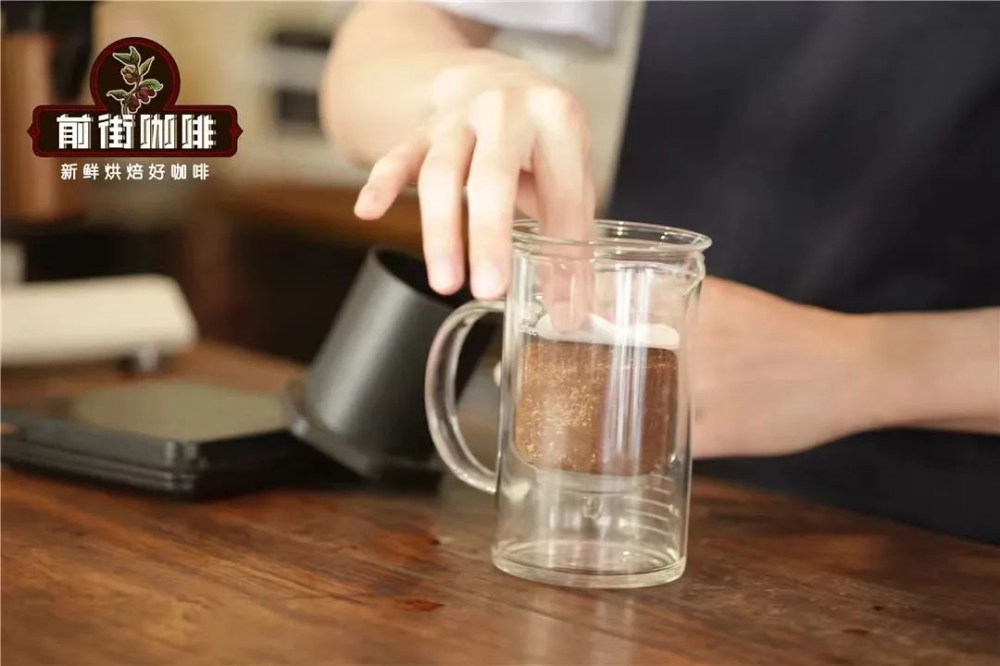
3. Pre-wet the coffee grounds
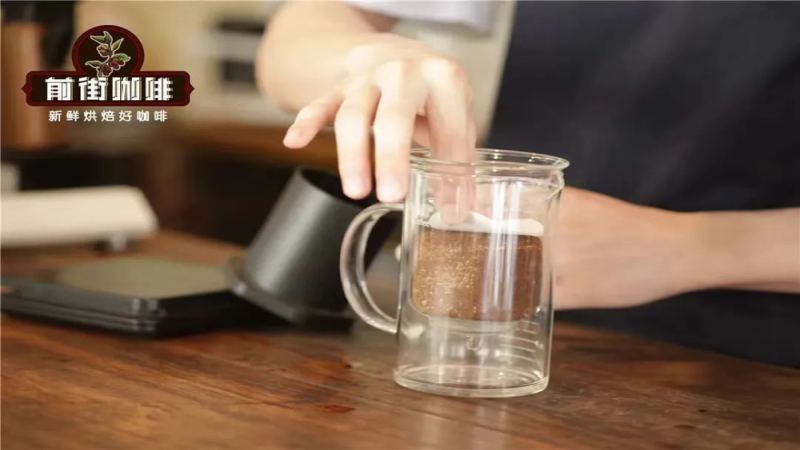
Before the official dripping begins, you can first moisten the entire layer of coffee grounds. This has many benefits. First, it saves time; second, it reduces the risk of channeling; third, the extraction is more even. Sometimes after production is completed, you still find that some of the powder in the powder bed is dry, and pre-wetting can completely prevent these situations from occurring.
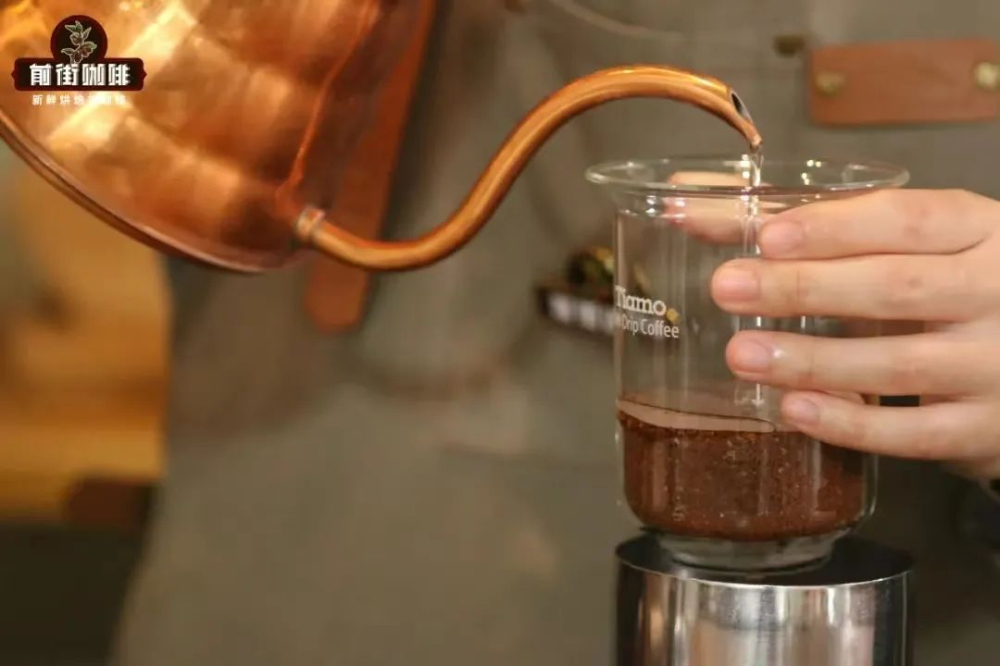
4. Use clean ice cubes and water
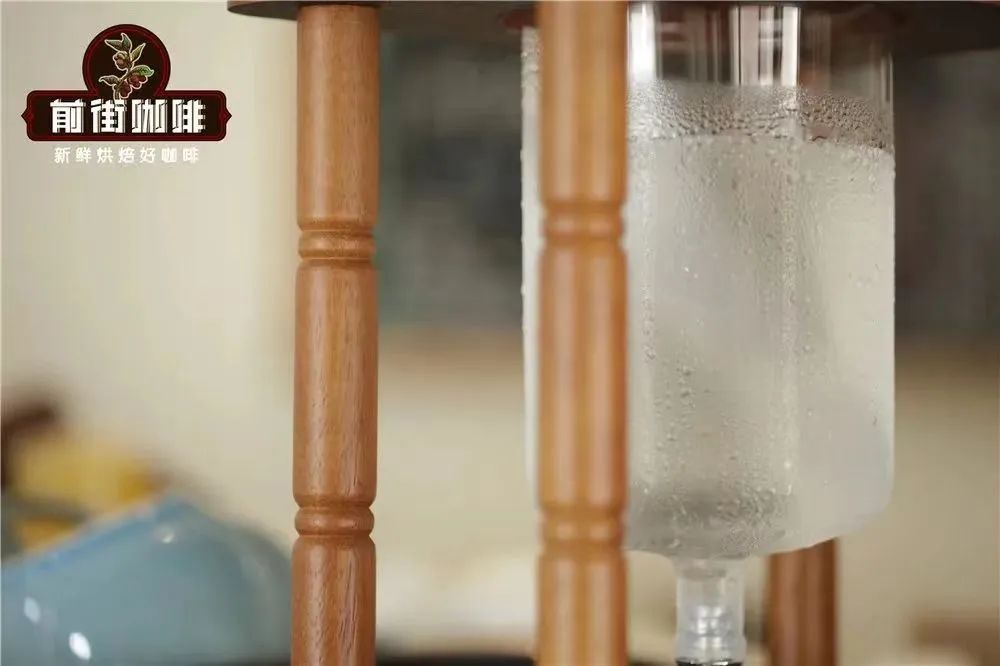
Water and ice with relatively high calcium content tend to produce white impurities, and these impurities will clog the drip valve, causing the dripping speed to slow down or even stop. This is also why sometimes you prepare cold brew drip coffee before going out, and when you come back you find that hardly any coffee has dripped out. If you have time, check the dripping speed of the cold brew once every hour and adjust it in time.
5. Put the finished coffee in the refrigerator for 12 hours
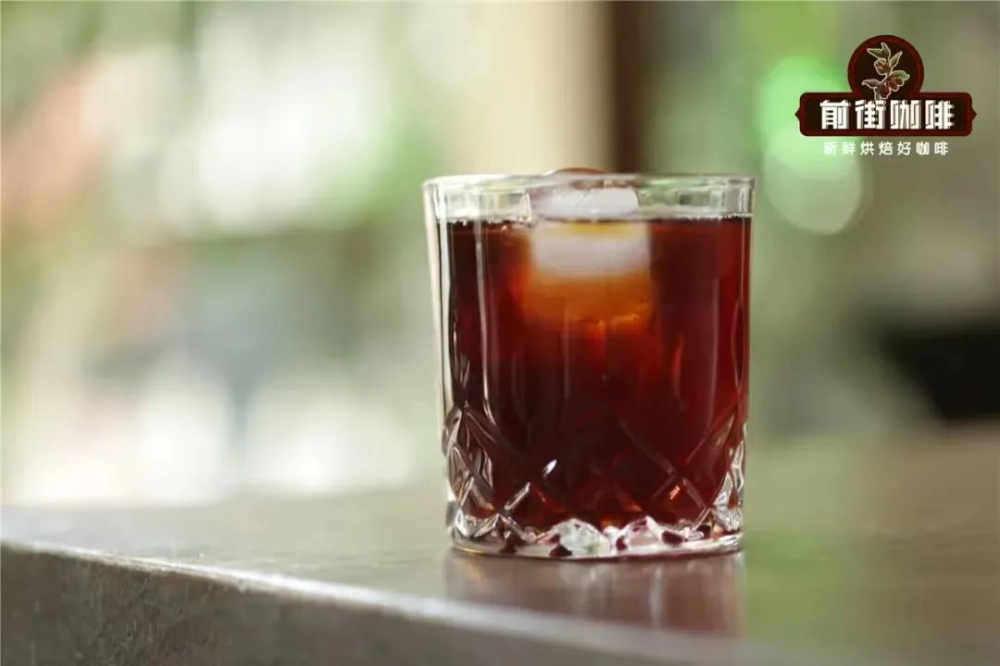
After dripping is completed, the cold brew drip coffee is best stored in the refrigerator for 12 hours before drinking. Placing it in the refrigerator for 12 hours of low-temperature fermentation will give the cold brew drip coffee a fragrant fermented aroma, and the original flavors will also become more intense.
The above content is compiled by CoffeeHunters, a coffee news website.


