







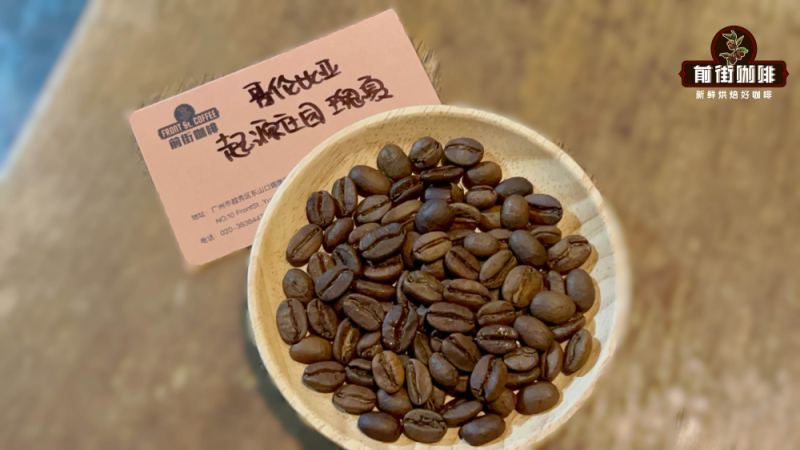
What makes Colombia anaerobic natural geisha coffee distinct
After geisha gained attention in Panama, it spread to several Central and South American origins, and Colombia is one of the stronger performers. This lot comes from Finca El Origen in Colombia's Huila region and is processed as an anaerobic natural, which shapes much of its intense, layered cup character.
In cupping, the coffee shows berry gummy, blackcurrant, hibiscus, orange blossom, and lemon black tea notes with a full body. Colombia's three Cordillera ranges, low latitude, high altitude, and marked day-night temperature differences let coffee farms grow cherries slowly. Pour-over works well, using a three-stage pour with a moderate dose and ratio.
After Geisha dazzled the world in Panama, it was gradually introduced to several producing countries in Central and South America, and Colombia is one of the standout performers. This article focuses on an anaerobic natural Geisha from Finca El Origen in Colombia's Huila region, tracing its flavor origins one by one—from the growing environment and estate background to the variety's spread and the anaerobic natural processing method. In cupping, this coffee displays a complex profile of berry gummy, blackcurrant, hibiscus, orange blossom, and lemon black tea, with a full body. The article also provides Front Street Coffee's pour-over brewing recommendations, including dose, ratio, water temperature, grind size, and a three-stage pouring scheme, for coffee lovers' reference.
For professional coffee knowledge exchange and more coffee bean information, please follow Coffee Workshop (WeChat public account: cafe_style)
For more specialty coffee beans, please add the personal WeChat of Front Street Coffee: qjcoffeex
The Geisha coffee beans Front Street Coffee has handled come from many origins. Geisha from Panama, Costa Rica, Guatemala, Ecuador, and Ethiopia each have their own characteristics.
This time Front Street Coffee is going to talk about Geisha from another country—the anaerobic natural Geisha produced by Finca El Origen in Colombia. What exactly makes it unique? During cupping, this bean gives off an intense berry gummy aroma, accompanied by a blackcurrant gummy-like sweetness, the acidity of dried hibiscus, the delicate fragrance of orange blossom, and a finish reminiscent of lemon black tea. Overall, the mouthfeel is layered, rich, and full.
Colombia
Colombian coffee is world-renowned. It was once the second-largest coffee-producing country and now ranks third. Before 2001, Colombia focused more on the commercial coffee bean market, and only after 2001 did it gradually shift toward the relatively niche specialty coffee sector. Even so, Colombia's natural conditions are quite favorable for specialty coffee cultivation—diverse terrain, low latitude, high altitude, and marked temperature differences between day and night. Coffee cherries grow slowly, so the country has strong breakout potential in the specialty coffee segment.
Three Cordillera mountain ranges run north-south through Colombia and extend toward the Andes. Coffee farms are distributed across the highlands of these ranges, creating diverse microclimates. Local harvest periods occur throughout the year, with different varieties ripening at different times. It is worth mentioning that Colombia, unlike Brazil, does not need to worry about frost damage. There are about 2.7 billion documented coffee trees nationwide, 66% of which are grown on plantations in a modernized way, while the rest are distributed among traditionally managed small farms.
Finca El Origen
Finca El Origen is located in Huila, Colombia's most famous specialty coffee region. The Huila area features hilly terrain surrounded by mountains, with elevations generally above 1,500 meters. Several important rivers in Colombia converge here, so water resources and moisture are quite abundant. Unlike coffee lovers' conventional impression of Colombian coffee as "balanced and smooth," many specialty coffees produced by local smallholders in micro-lots actually carry distinct regional flavor characteristics.
Geisha
The Geisha variety was discovered in 1931 in the Geisha forest of Ethiopia and was subsequently sent to the Coffee Research Institute in Kenya. In 1936 it was introduced to Uganda and Tanzania; in 1953 Costa Rica introduced the variety, and in the 1960s it reached Panama.
In Panama, Geisha did not attract much attention for a long time, until around 2000, when the owner of Hacienda La Esmeralda noticed that it tasted very different from other varieties, capable of showing bright and delicate citrus acidity with a faint floral aroma.
In 2004, the variety was sent to the Best of Panama (BOP) green bean competition, where it conquered the jury in one stroke and won the championship. After that, Panama's Geisha variety was gradually introduced to other Central and South American countries, including Colombia.
Geisha coffee is quite demanding when it comes to growing conditions. It needs high altitude, shade from clouds and mist, fertile soil, and sufficient accumulated heat. Its average cultivation altitude is about 1,625 meters, with an average annual temperature between 16°C and 25°C and average annual rainfall of about 3,500 millimeters.
Anaerobic Natural Processing
Anaerobic natural processing is a post-harvest processing method that builds on the natural process and uses modern technology to let coffee cherries first ferment for a period in an oxygen-free environment. Specifically, freshly picked coffee cherries are placed into sealed tanks for low-temperature fermentation. Under anaerobic conditions, pectin decomposes more slowly, and the pH value drops more slowly as well, allowing the coffee's fermentation time to be extended, thereby developing richer sweetness. The entire anaerobic process must be strictly temperature-controlled, usually maintained at 10 to 15 degrees Celsius.
After more than three days of anaerobic fermentation, the coffee cherries in the tank are sent for sun-drying. Once drying is complete, the excess parts are removed and the coffee beans are taken out.
Colombian Geisha Coffee Pour-Over Recommendations
Dose: 15g
Ratio: 1:15
Water temperature: 90°C
Grind size: medium-fine (80% passing through a No. 20 sieve)
Pouring method: three-stage
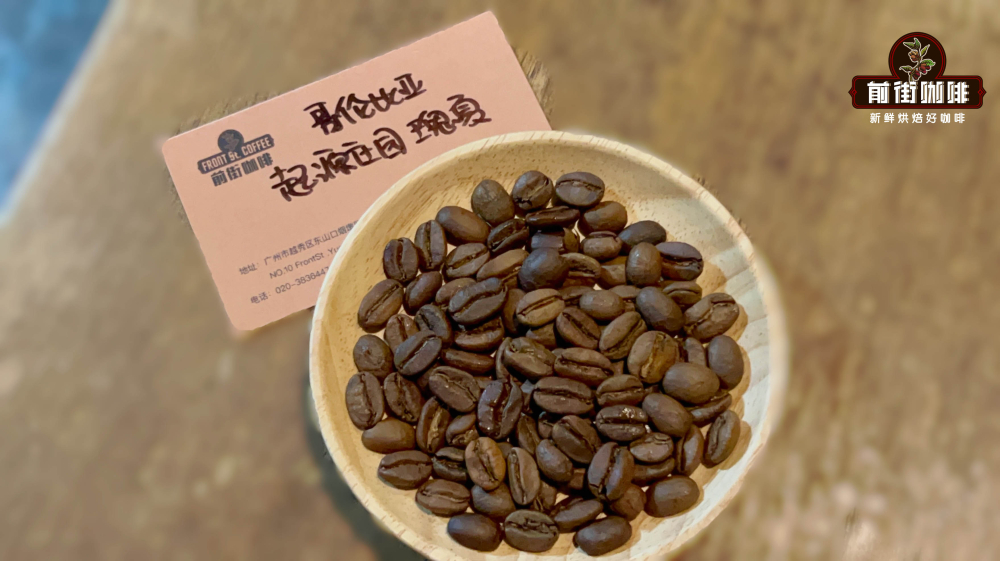
For the first stage, pour 30ml of water and let it bloom for 30 seconds. For the second stage, pour 100ml of water in a circular motion with a slow stream. When the water level drops to the halfway point, pour another 95ml in the third stage in a circular motion with a slow stream. Keep the total extraction time to 2 minutes.
The above content is compiled by CoffeeHunters, a coffee news website.


