







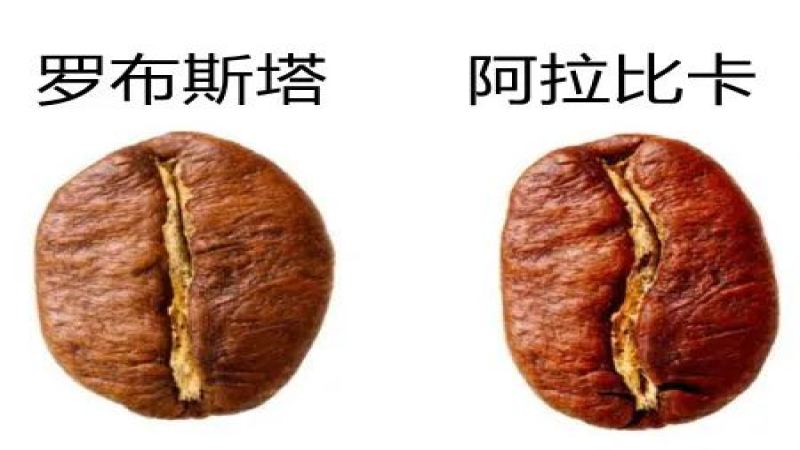
What Makes Arabica Coffee Beans a Good Fit for Pour-Over?
Arabica coffee beans come from a small-bean species that originated in Ethiopia and now dominates specialty coffee, including Jamaican Blue Mountain, Panama Geisha, and Yirgacheffe. The plant grows well between 600 and 2,200 meters at 15 to 24 degrees Celsius with 1,200 to 2,200 millimeters of annual rain. Its oval fruit usually holds two slightly flat, round, plump beans.
The flavor you taste depends heavily on the arabica variety, not just the species. Typica, Bourbon, Caturra, SL28, SL34, and Geisha each bring different profiles, and specific origins and processing methods shift the result further. That combination determines how a bean performs in a pour-over, which is why varietal and terroir details matter when choosing filter coffee.
In the daily cup of coffee lovers, the Arabica species occupies an absolutely dominant position, yet it is often mentioned only in passing. In this article, Front Street will approach the subject from botanical characteristics, flavor formation, and cultivation conditions, systematically outlining the full picture of Arabica coffee, and introducing one by one the origins and flavor profiles of representative varieties such as Typica, Geisha, Bourbon, Caturra, and SL28 and SL34. At the same time, combined with specific products on Front Street's bean list, it will explain how these varieties actually perform in pour-over scenarios, helping readers build a clear understanding from variety to flavor in the cup.
A detailed explanation of the pour-over suitability, price characteristics, origins, and processing methods of Front Street Arabica coffee beans.
The coffee beans we drink in our daily lives are, for the vast majority, of the Arabica variety, though we usually do not deliberately mention it. Occasionally, when explanation is needed, it is often to distinguish it from another coffee species—Robusta. Next, Front Street will guide everyone to understand what unique characteristics Arabica coffee actually has.
Arabica belongs to the small-bean coffee variety.
The Arabica species (scientific name Coffee Arabica) is also called small-bean coffee, and its place of origin is Ethiopia. In the earliest times, Arabica coffee was mainly used as medicine, and only later did people gradually develop the habit of roasting and drinking it. In the sixteenth century, Arabs spread it around the world through trade, and this beverage slowly developed into the widely popular form it has today. Many of the specialty coffee beans we are familiar with come from the Arabica variety, such as Jamaican Blue Mountain coffee, Panama Geisha coffee, and Ethiopian Yirgacheffe coffee.
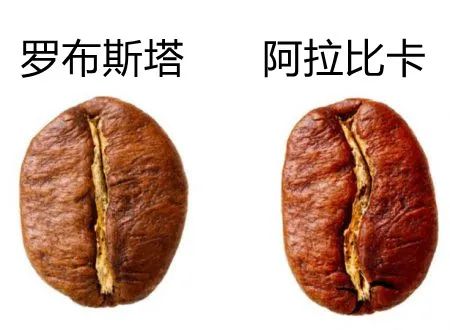
The Arabica species is a relatively large shrub, suitable for growing in mountainous environments at altitudes of 600 to 2,200 meters (in Ethiopia there are even cases where it can still be grown at 2,350 meters with excellent quality), with an ideal temperature of 15 to 24 degrees Celsius and annual rainfall of 1,200 to 2,200 millimeters. Its leaves are oval and dark green, and the fruit is also oval, generally containing two slightly flat beans. The bean body is round and plump, with a long oval shape on the front, a narrow and curved S-shaped crack in the middle, and a relatively flat arc on the back of the bean. Next to Front Street's Dongshankou store, two Arabica coffee trees are planted, so everyone can take a look while drinking coffee.
Arabica's chlorogenic acid content is relatively low, at about 5.5% to 8%. Chlorogenic acid not only has antioxidant properties but is also an important component for the plant's resistance to pests, so Arabica is more susceptible to pest damage and is also more sensitive to climate changes. It is usually planted at higher altitudes, produces fewer fruits, and matures slowly, so the coffee bean yield per hectare is lower than that of Robusta, and the cultivation cost is therefore much higher.
The flavor characteristics of Arabica coffee.
The bitterness felt when drinking coffee mainly comes from the chlorogenic acid in coffee. Robusta has higher contents of caffeine, amino acids, and chlorogenic acid, so it inherently lacks the light and ethereal aromatic fragrance of Arabica, replaced instead by a heavier, lower bitterness. Arabica has a lower caffeine content, about 0.9% to 1.2%, while its fat content is 60% higher than that of Robusta. Compared with the strongly flavored Robusta, Arabica has less caffeine but twice the sugar content of Robusta, so it tastes softer on the palate, with prominent sweetness and richer layers of acidity and aroma, which is exactly why it has become the public's first choice.
As specialty coffee culture continues to spread, people have varying degrees of pursuit when it comes to coffee's taste, mouthfeel, and quality, and only high-quality Arabica beans can better meet the demands of today's specialty coffee market. Many pour-over single-origin coffees on Front Street's bean list are of the Arabica variety, which shows that compared with Robusta, Arabica with pure flavor is more favored by everyone.
What are the common Arabica varieties?
As a broad category, Arabica can be subdivided into nearly three thousand varieties, all of which have spread and mutated from Ethiopia's oldest native varieties, Typica and Bourbon, after being introduced to South America or Asia. As an agricultural crop, coffee's flavor is always closely related to variety, climate, altitude, soil, management, and other factors, and is the truest expression of variety and local terroir. Here Front Street selects several representative varieties to introduce.
Typica
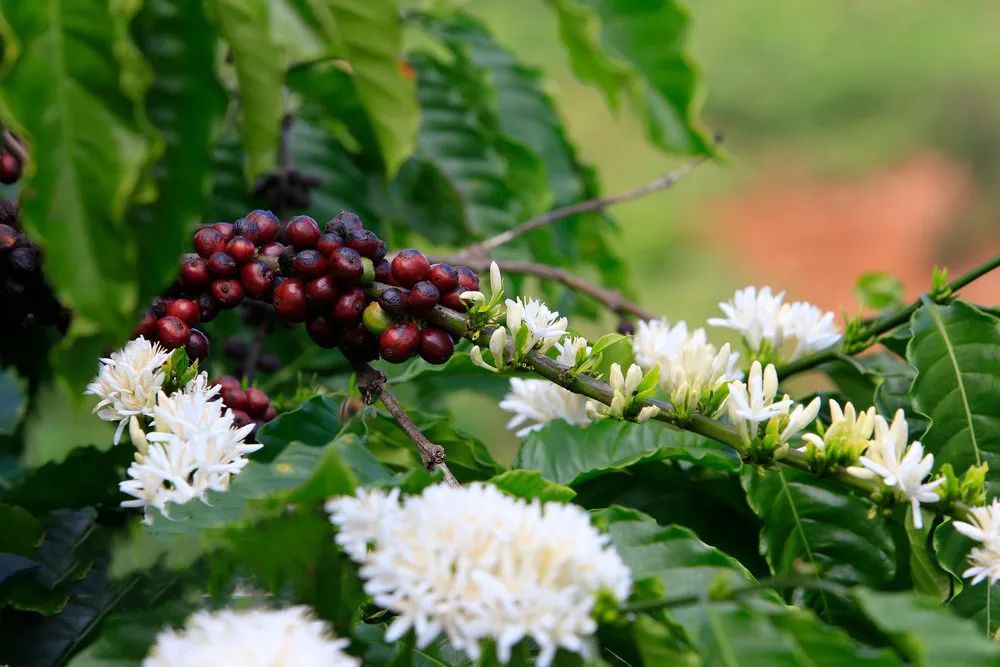
This is Ethiopia's oldest native variety, discovered roughly between the 15th and 16th centuries AD. Typica is characterized by a relatively tall coffee tree, bronze-colored leaves at the top, and relatively large, elongated coffee beans with pointed and upturned ends, somewhat egg-shaped. Typica coffee usually has a citrus-like acidity, a sweet finish, and is praised by many as an elegant and clean coffee bean. Unfortunately, its yield is low, and its resistance to leaf rust is also poor, so farmers gradually replaced it with other more robust varieties.
Typica was introduced to Jamaica in the 18th century by Sir Nicholas Lawes, and soon afterward was brought to the Blue Mountain region for cultivation, where it has now been grown for more than two hundred years. Blue Mountain's Typica also adapted to the local island-type tropical rainforest climate according to local conditions, evolving stronger disease resistance, especially resistance to coffee berry disease, which is considerably stronger than that of ordinary Typica. Front Street believes that Blue Mountain's refined and clean flavor cannot be separated from Jamaica's insistence on carefully cultivating the Typica variety, allowing Typica to truly integrate into the local terroir, and the Blue Mountain range's excellent terroir conditions and unique microclimate also played an indispensable role. Front Street's authentic Blue Mountain No. 1 uses a medium-dark roast to maximize the coffee's chocolate and nut aromas while retaining soft acidity and sweetness, keeping the overall mouthfeel balanced.
Geisha
Friends who often drink pour-over coffee must have heard of Panama Geisha coffee, which, with its stunning aroma, has become one of the synonyms for contemporary specialty coffee. The Geisha variety is derived from Typica and also originates from Ethiopia, the birthplace of coffee.
Geisha is very picky about its growing environment, requiring high altitude, fertile soil, and also cloud mist or plant shade, and it cannot be directly exposed to the sun. The owner of Hacienda La Esmeralda once said that the estate needs a large number of shade trees to shield the delicate Geisha from sunlight, and in the early stages of planting, traditional pruning must also be used, otherwise the plants can easily die. The higher the altitude at which Geisha is planted, the longer the coffee fruit takes to mature, and the more complex and unique its flavor expression becomes. Unlike other coffee varieties, the leaf system of the Geisha coffee tree is very thin, its photosynthetic efficiency is very low, and its roots are also very fragile, so the absorption of water and nutrients is very slow. Therefore, coffee yield is very low, and combined with the high-altitude growing environment, the fruit also tends to mature later.
At present, Geisha is grown in many regions around the world and is the new king of specialty coffee, with higher quality generally found in Latin American countries such as Panama, Guatemala, and Colombia, and Panama Geisha is especially outstanding among specialty coffees. When it comes to Geisha coffee, the most popular one on Front Street's bean list is of course the famous Geisha coffee produced by Hacienda La Esmeralda, which is further divided according to different characteristics into Red Label Geisha, Green Label Geisha, and Volcanic Rock Geisha. High-quality Front Street Geisha coffee has striking aromas of rose, citrus, berries, and honey, and is loved by many coffee people.
Bourbon
Bourbon arose from a natural mutation of Typica, with the bean shape changing from slender and pointed to round, and it was first discovered on Reunion Island, formerly Bourbon Island, off the east coast of Africa. In 1715, the French transplanted the round-bodied beans of Yemen Mocha to Bourbon Island off the east coast of Africa (renamed Reunion Island after the French Revolution), and only afterward did the name Bourbon come into being. Bourbon round-bodied beans were introduced to Brazil in 1727 and began to be cultivated there.
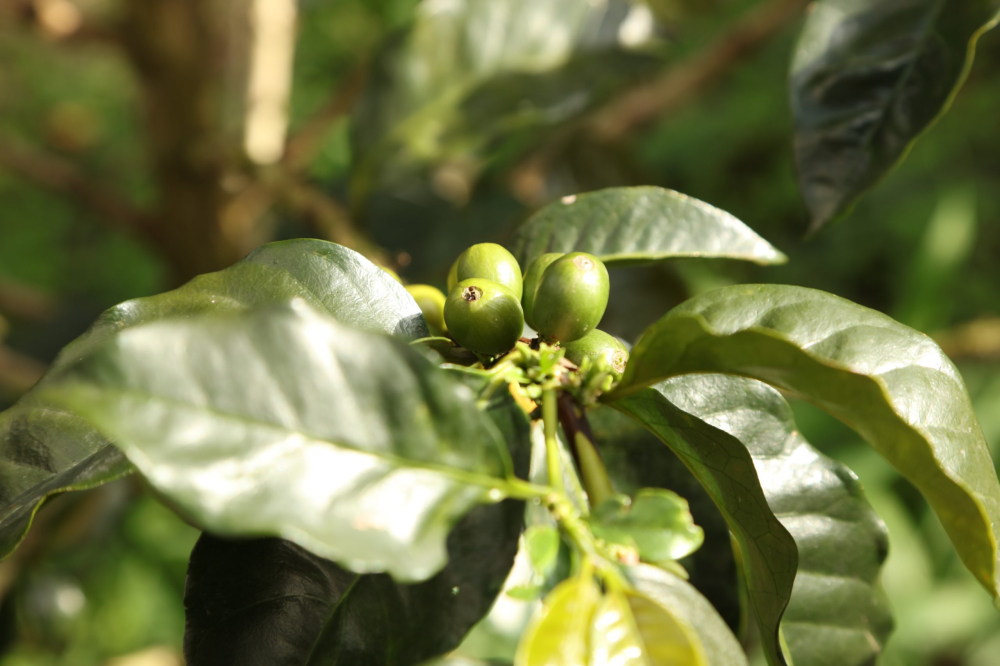
Although its yield is not considered high, compared with the frail Typica, Bourbon has stronger resistance to leaf rust. Bourbon coffee grown at high altitudes has a rich and delicate flavor, a strong aroma, and soft acidity. The Bourbon fruit we usually see changes from green to slightly yellow, orange-yellow, red, and finally to fully ripe dark red, which is what we call Red Bourbon. There is also a less common Yellow Bourbon, whose ripe fruit is bright yellow. Front Street's Brazil Queen Estate coffee belongs to the Yellow Bourbon variety.
Most Brazilian coffee has relatively low acidity, and combined with the coffee's mellow aroma, it is extremely smooth on the palate, with a refreshing and pleasant aftertaste. As a representative of Brazil, Front Street's semi-washed Red Bourbon coffee has a flavor with obvious nuts and chocolate, medium caramel sweetness, a smooth mouthfeel, and overall balance. Front Street has added it to the daily staple bean series. Front Street's daily staple beans are the flagship representatives of each major producing region, presenting the region's basic flavor. Coffee beginners can use them to understand the basic flavors of a producing region, and then choose according to their preferences to learn more about different types of producing regions.
Caturra
Caturra came from a natural mutation of Bourbon and was discovered in Brazil in 1937. The tree shape is relatively short, and its disease resistance is not high, but because it can be planted densely, its fruiting rate is higher, so its yield is higher than varieties such as Bourbon, and it is widely planted in Central American countries. In terms of flavor, Caturra has bright acidity, a mouthfeel full of fruitiness, and after medium-dark roasting presents chocolate and nutty sweetness. It is a frequent champion in many coffee competitions.
Quite a few coffee beans on Front Street's bean list contain the Caturra variety. If you want to understand this variety's flavor characteristics, Front Street recommends Colombian daily staple beans, which are selected from washed Caturra variety and have a very high degree of cleanliness. Front Street hopes to highlight the classic Colombian coffee flavor and uses a medium-dark roast to present aromas of nuts, dark chocolate, and caramel.
SL28 and SL34
During the period from 1935 to 1939, the Scott Laboratories prefixed the coffee varieties it selected and cultivated with SL. The laboratory selected 42 varieties from different origins and studied their yield, quality, drought resistance, and disease resistance. After numbering and screening them one by one, SL-28 and SL-34 were finally obtained. SL28 comes from the Bourbon gene group, has a short and round bean shape, a thick bean body, and flavor characteristics of elevated acidity and obvious sweetness.
SL34 comes from the Typica gene group, has an oval bean shape, and when viewed from the side is not as plump as the Typica variety, appearing rather flat. It has flavor characteristics of balanced and full acidity and sweetness, along with a caramel finish. Front Street's Kenny Little Tomato coffee beans are selected from these two varieties and use a 72-hour washed process, presenting the full acidity of plum, yellow sugar, smoked plum, and cherry tomato.
The above content is compiled by CoffeeHunters, a coffee news website.


