







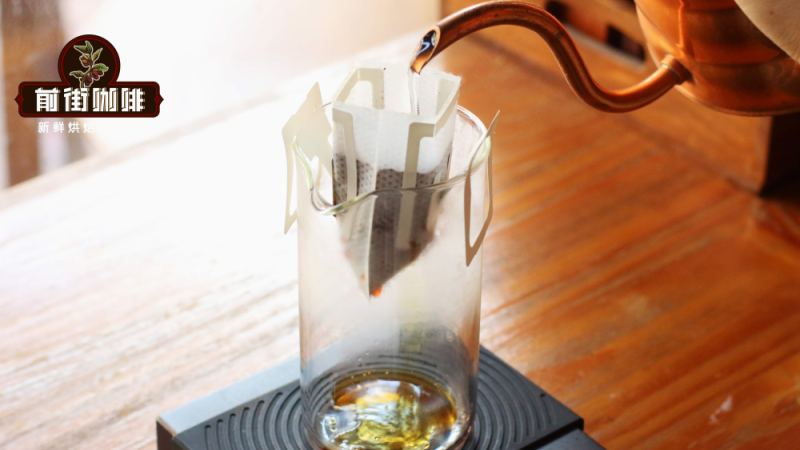
Drip Bag Coffee and Instant Coffee Compared
Drip bag coffee is pre-ground coffee that must be brewed with hot water poured through the bag, while instant coffee is a soluble powder made by extraction and drying. The grind in a drip bag cannot dissolve, so flavor and aroma fade faster. A drip bag is at its peak roughly 20 to 25 days after roasting, against 30 to 45 days for whole beans.
Long-term consumption of either is generally fine, and claims that instant coffee carcinogenic effects are a concern do not hold up for ordinary intake; acrylamide appears in both, at low levels. Convenience is the real trade-off. Blends and single origins such as washed Yirgacheffe, Brazil Queen's Estate, and sun-dried Huakui work well in drip bag form, the last one often enjoyed as an after coffee option.
Although drip bag coffee and instant coffee are both convenient options, they differ significantly in nature. Drip bag coffee is pre-ground coffee containing coffee bean particles that cannot dissolve directly in water and requires pouring water through a filter for extraction; instant coffee, on the other hand, is a soluble powder made through extraction and drying. This article provides a detailed comparison of the two in terms of production process, flavor retention, and brewing methods, and explains the optimal enjoyment period for drip bag coffee as well as the potential effects of long-term consumption. Meanwhile, Front Street Coffee shares several classic single-origin beans suitable for making drip bags, including washed Yirgacheffe Gedingding, Brazil Queen's Estate, and sun-dried Huakui, offering practical references for coffee enthusiasts.
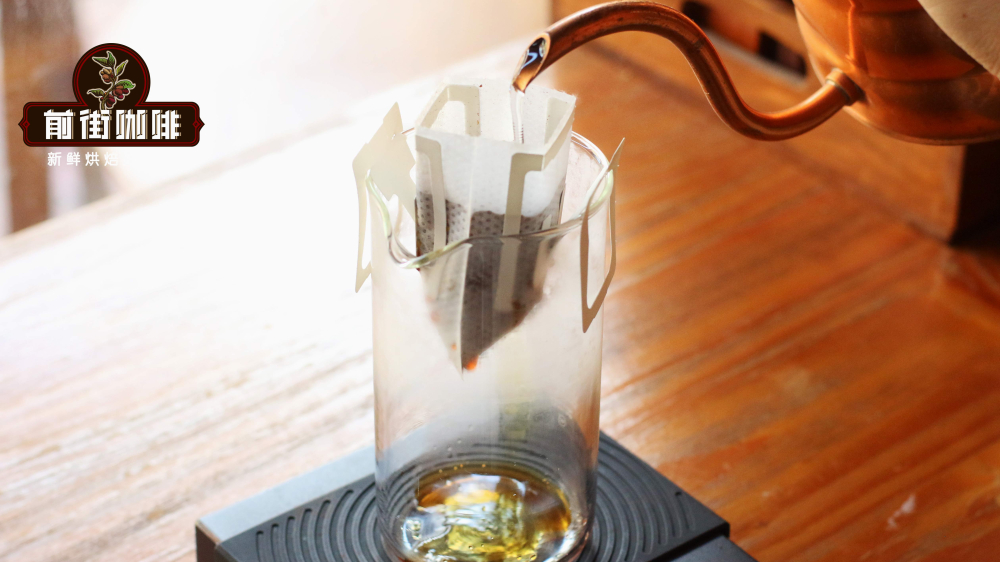
For more specialty coffee knowledge, please follow our WeChat official account: Front Street Coffee
The core difference between drip bag coffee and freshly ground pour-over coffee is that drip bag coffee is pre-ground. How big is the gap between pre-ground and freshly ground? There will be some degree of impact, more or less.
After coffee beans are roasted, a large amount of carbon dioxide accumulates inside them, and these gases help lock in the coffee's flavor and aroma. Once the coffee beans are ground into particles, the cut surface area increases, and the rate at which flavor and aroma escape accelerates. The production of drip bag coffee requires grinding in advance to the appropriate coarseness, then placing it into specialized filter bags and sealing each one individually.
Even in a sealed state, the dissipation rate of coffee flavor and aroma is still faster than that of whole coffee beans, so the optimal enjoyment period for drip bag coffee is approximately 20 to 25 days.
Freshly ground coffee, by contrast, is only ground into particles when preparing to brew. Before that, the coffee beans remain whole, allowing for more complete and effective preservation of aromatic compounds, so the optimal enjoyment period for freshly roasted and sealed coffee beans is around 30 to 45 days.
All products sold by Front Street Coffee, whether drip bag coffee or whole coffee beans, are freshly roasted! They are all shipped within 5 days of completing the roast. Because only freshly roasted coffee beans will have better coffee aroma and flavor.
In order to help drip bag coffee retain more flavor and aroma, Front Street Coffee grinds the coffee beans to the appropriate coarseness immediately after roasting is completed and the beans have cooled, and packages them into individually sealed drip bags as quickly as possible, with each bag containing 10g.
Drip bag coffee is different from instant coffee. The particles inside a drip bag are coffee beans, mostly composed of木质 fiber, so they cannot dissolve directly in water. Instant coffee, by contrast, is made by grinding roasted coffee beans under a certain temperature and pressure, extracting the effective components of the coffee into water, and then drying it—this is why instant coffee can dissolve directly in water.
Drip bag coffee and instant coffee are each enjoyable in their own way. Coffee brewed from drip bags has a richer aroma and a fuller, more robust mouthfeel. It is a black coffee with no milk or sugar, and you can add them if you wish. Instant coffee wins on convenience and speed, and it is also inexpensive, but it contains various non-dairy creamers and sugars, so Front Street does not recommend drinking it long-term!
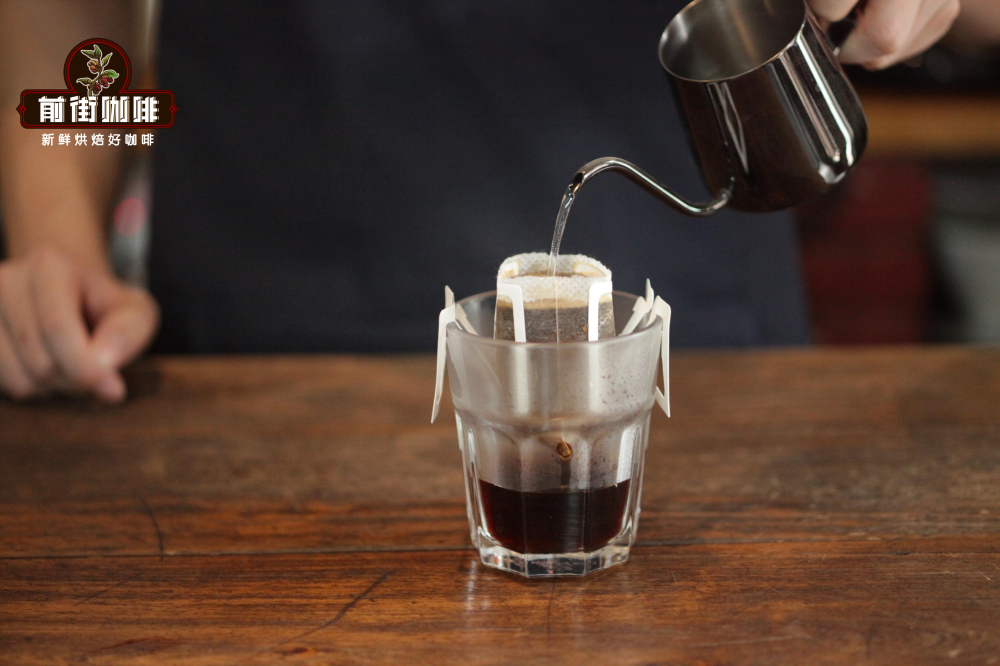
The brewing method for drip bag coffee is as follows:
1. Prepare a straight-walled cup, then pour in hot water to warm the cup, then discard the water and set the cup aside.
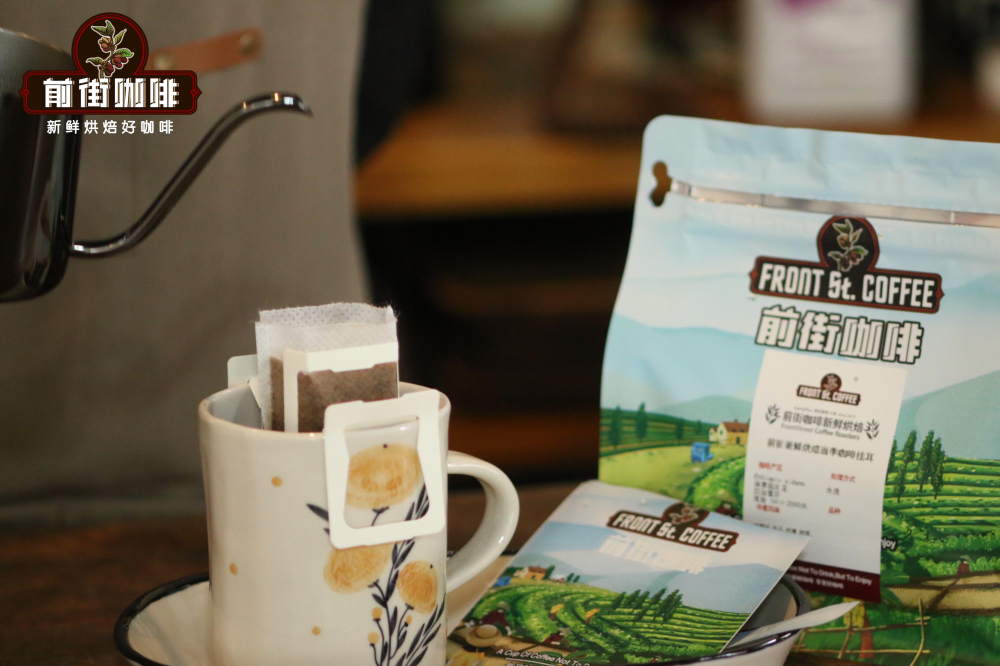
2. Open the packaging and take out the drip bag. Tear it open along the dotted line at the top, then pull out the little "ears" and hang them on the rim of the cup.
3. Use hot water at 92 degrees Celsius (if you don't have a thermometer, just bring the water to a boil).
4. Wet the coffee grounds with a thin stream of water, using about 20ml of hot water, and let it bloom for 30 seconds.
5. Then pour in 130ml of hot water (if you don't have a scale, use two rounds of filling the drip bag to the brim with water).
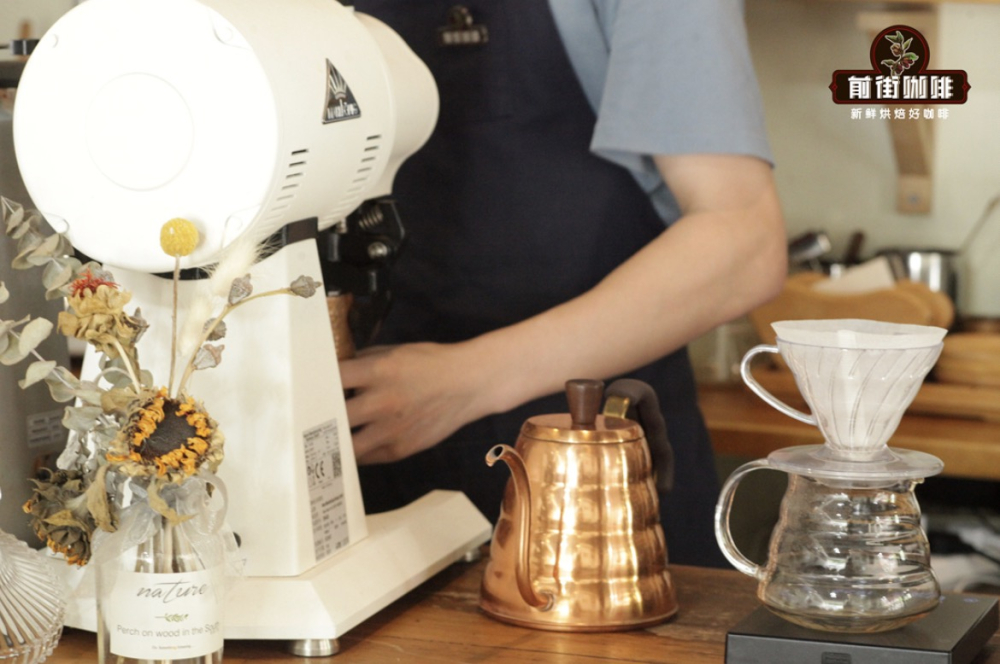
If you have a gooseneck pour-over kettle, use it; if not, use a regular kettle. Be careful to control the water flow, pouring steadily and slowly in a circular motion from the inside out!
Specialty Coffee Drip Bag Recommendations
Many office workers have asked Front Street to recommend some coffee beans suitable for making drip bags. All fifty-plus single-origin coffee beans from different regions on Front Street's bean list can be made into drip bag coffee. Below, Front Street recommends a few drip bag coffees with relatively classic flavors.
1. Front Street Washed Yirgacheffe Gedingding Cooperative Drip Bag
This Front Street Gedingding Cooperative coffee bean comes from Ethiopia's famous Yirgacheffe region, and the harvested coffee beans are washed-processed. Traditionally, Yirgacheffe coffee used the oldest sun-dried method, but because early sun-dried coffee beans were mostly spread flat on the ground to dry, they inevitably picked up earthy and dusty off-flavors, and combined with a lack of proper sorting, sun-dried beans were generally of average quality. In 1972, Ethiopia introduced washed processing technology from Central and South America to improve coffee quality, which made the jasmine floral notes and the bright citrus-lemon acidity of Yirgacheffe coffee clearer and more transparent, propelling it to become one of the representatives of specialty coffee worldwide.
Front Street Yirgacheffe Gedingding Cooperative Coffee Region: Yirgacheffe Gedeo Zone Producer: Gedingding Cooperative Altitude: 1900-2300m Variety: Local Heirloom Processing: Washed
Grade: G1
Flavor: Citrus, berry, lemon, cane sugar, green tea
2. Front Street Brazil Queen's Estate Drip Bag Queen's Estate is located in the Mogiana region of São Paulo state, Brazil. Unlike many large-scale regions in Brazil that prioritize quantity, this area has a higher elevation, forming a relatively unique microclimate. In addition, the estate hand-picks coffee cherries at the right ripeness and processes each lot with refined, small-batch methods, so the coffee beans produced are mostly of specialty quality. Queen's Estate is most proud of its Yellow Bourbon variety, which has won awards in multiple Brazil COE competitions thanks to its refined and delicate flavors. This Front Street Queen's Estate coffee bean uses a medium-dark roast, highlighting the classic rich aroma of Brazilian coffee while also showcasing Bourbon's own sweetness. We can not only taste the intense coffee fragrance but also enjoy a clear, sweet aftertaste on the palate.
Front Street Brazil Queen's Estate Coffee Beans
Region: Brazil Mogiana
Estate: Queen's Estate
Altitude: 1400-1950m
Variety: Yellow Bourbon
Processing: Sun-dried
Flavor: Dark chocolate, cream, peanut, sugarcane, nuts
3. Front Street Sun-Dried Huakui Drip Bag
The Huakui coffee bean introduced by Front Street Coffee was the champion of the sun-dried group in Ethiopia's 2017 TOH coffee competition. It appeared before everyone with a unique strawberry-cream flavor and made a stunning debut, so that year this lot of green beans was imported into China by Beijing green bean trader Hongshun. In the same year, Li Jianfei used this bean to win second place in the China region of the 2017 World Brewers Cup. This Ethiopian bean stood out remarkably among many Geisha competition beans, and thus was given the name Huakui.
Front Street Coffee: Ethiopia Sun-Dried Huakui Coffee
Country: Ethiopia
Region: Sidamo
Altitude: 2250-2350m
Variety: Local Heirloom
Processing: Sun-dried
Flavor: Berry, floral tea, honey, lemon, black tea
The above content is compiled by CoffeeHunters, a coffee news website.


