







What Makes Boquete Geisha Coffee Distinct?
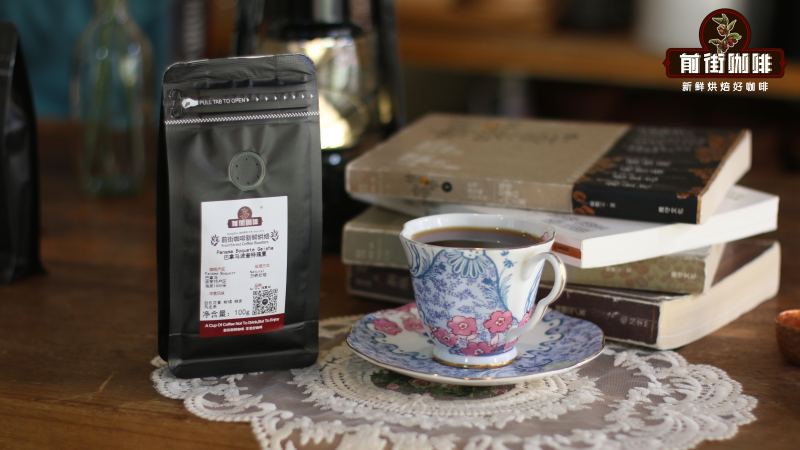
A washed Geisha coffee from Boquete, Panama offers the variety's signature orange-blossom honey sweetness at a more approachable price than Hacienda La Esmeralda lots. Boquete is the region where Geisha rose to fame, and the medium-light roast shows white florals, citrus-lemon acidity, and a green tea-honey finish when brewed as pour-over.
Geisha plants are demanding: thin leaves mean low photosynthetic efficiency, fragile roots absorb water and nutrients slowly, and a single tree yields about half the cherries of a Caturra. High altitude delays ripening and adds complexity, which helps explain the cost. V60 three-pour parameters suit this delicate profile and give newcomers a way to explore Geisha.
Geisha coffee often brings to mind Panama's Hacienda La Esmeralda, but its high price deters many enthusiasts. On Front Street Coffee's bean list, there is a washed Geisha from Boquete, Panama—the region where Geisha rose to fame—offering both the signature orange-blossom honey sweetness and a reasonable price, making it an ideal entry point to experience this legendary flavor. This article will provide a complete analysis of Front Street Panama Boquete Geisha's flavor profile, covering the Geisha variety's characteristics, Panama's coffee history, Boquete's terroir, the washed processing method, the medium-light roast approach, and V60 three-pour brewing parameters, guiding you through its elegant expression of white florals, citrus-lemon acidity, and green tea-honey finish.
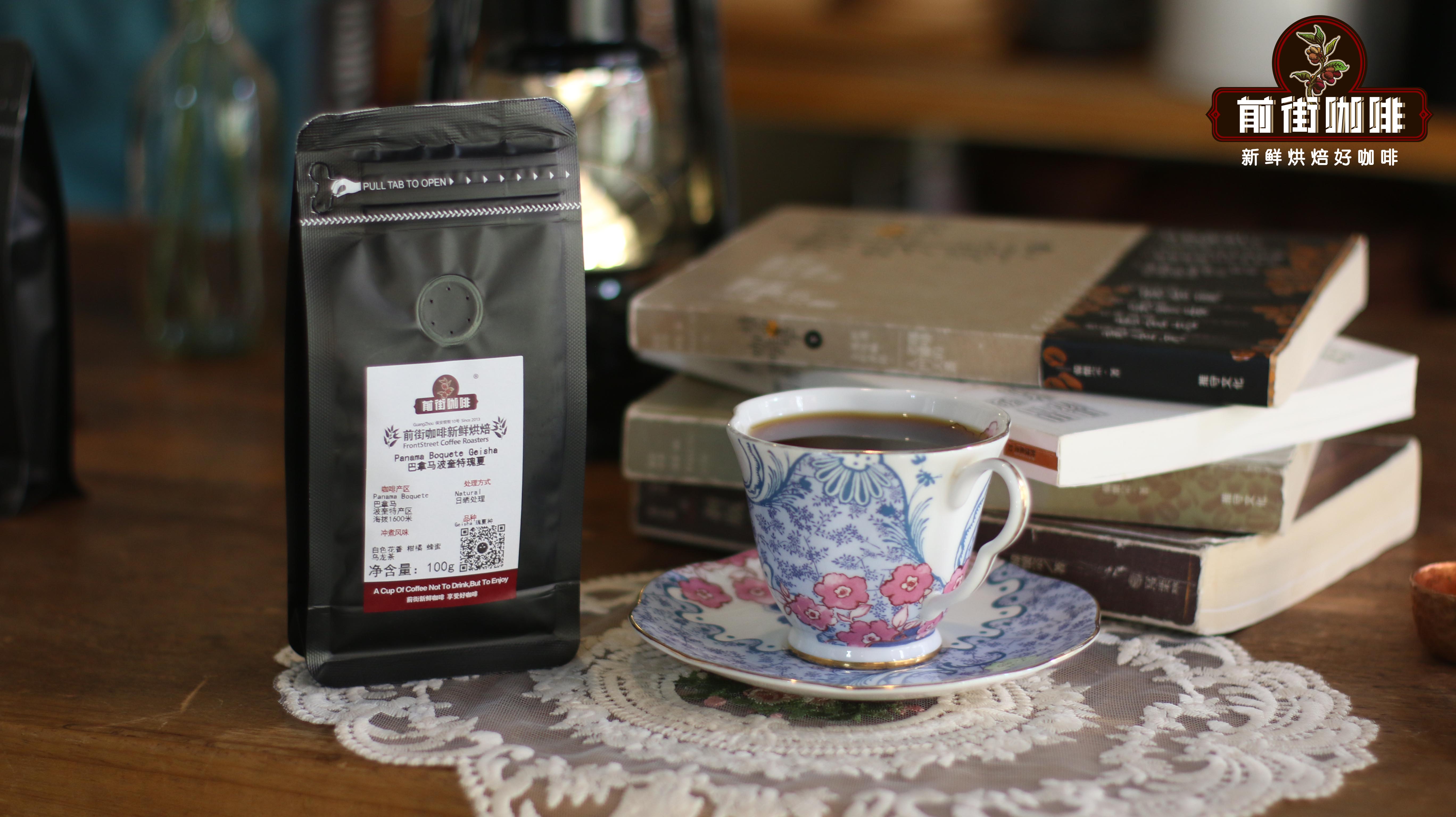
When it comes to Geisha coffee, most people's minds first jump to the one produced by Panama's Hacienda La Esmeralda, which sits at the very top in terms of both flavor and price. Because of this, many friends exclaim it's too expensive to afford. On Front Street Coffee's bean list, there happens to be a Front Street Geisha coffee bean from Boquete, Panama—the region where Geisha rose to fame. It is washed processed, carries Geisha's signature orange-blossom honey sweetness, and is priced relatively affordably, giving those who want to explore Geisha's flavor a chance to taste this "legendary taste."
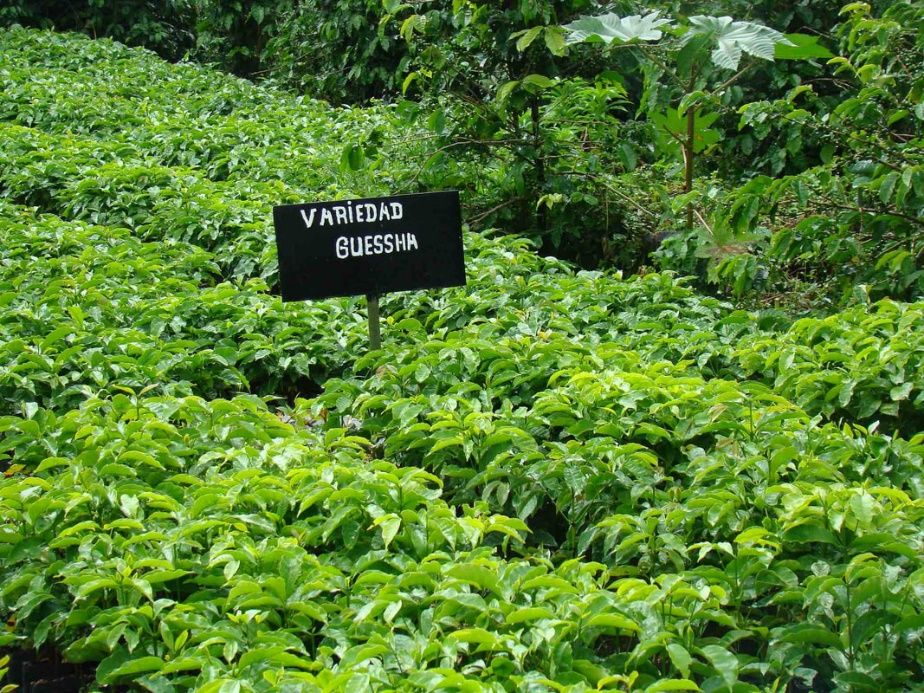
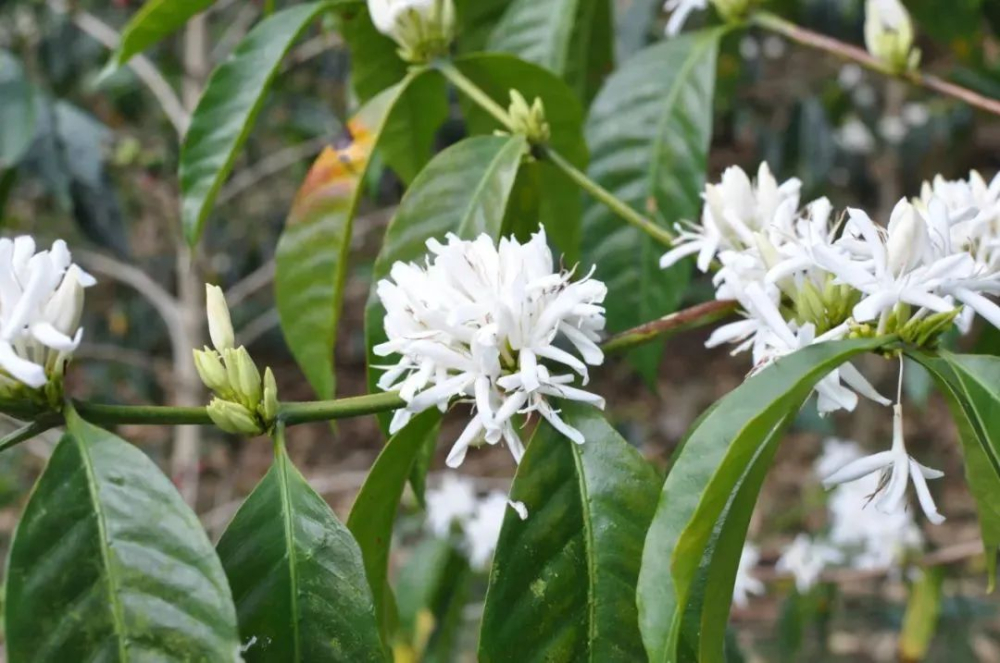
Before formally discussing the beans, Front Street will briefly explain what makes the Geisha variety so special. Compared with other Arabica varieties, Geisha not only produces fewer cherries, but the plant itself is quite delicate and extremely picky about its growing environment. It requires high altitude, fertile soil, and companion clouds or shade trees—it cannot tolerate direct harsh sunlight.
The Geisha coffee tree's leaf system is very thin, which means its photosynthetic efficiency is relatively low; its root system is likewise fragile, absorbing water and nutrients slowly, so its yield is very limited. Combined with the high-altitude environment, the fruit's ripening period is also delayed. A single Geisha coffee tree produces only about half the cherries of a Caturra, which is one reason for its high price. The higher the altitude at which Geisha is planted, the longer the fruit takes to ripen, and the more complex and unique its flavor becomes.
Where is Panama located?
Panama is located in Central America, connecting North America and South America, and borders Costa Rica and Colombia. Panama's coffee development path could be described as being born with a silver spoon. As is well known, the Panama Canal was built by the United States, and after its completion, it was independently controlled by the US for a period of time.
It was precisely the excavation of the Panama Canal that brought many American elites southward at the end of the 20th century—partly for work and partly to seek business opportunities. Many of Panama's well-known coffee estates were established by these elites; for example, the owner of Hacienda La Esmeralda was originally a banker, and the owner of Hartmann Estate was originally an engineer. These elites insisted on standardized, refined estate management—whether dividing coffee trees by plot altitude to establish bean grades, or hand-picking and meticulous processing—all of which are important factors in making Panama coffee world-famous.
Getting to know the Boquete region
Boquete is a town in Chiriquí Province, Panama, located on a highland at about 1,000 to 2,000 meters on the eastern side of Barú Volcano. One side faces the warm, humid Caribbean monsoon, while the other is influenced by cold Atlantic currents, with towering, steep mountain terrain. Barú Volcano National Park is an ecological reserve with rich biodiversity, possessing seven microclimates, plus year-round mist and abundant rainfall, providing excellent planting conditions for plants.
Thanks to this exceptional terroir, the Geisha coffee grown here absorbs essences from all sides, transforming them into elegant floral and fruity aromas and layered, varied acidity—naturally, it frequently wins awards at various competitions. After Geisha rose to fame, production regions everywhere introduced it, but even with the same variety, coffee quality and flavor differ across terroirs and climates. Front Street Coffee believes that Panama, as the region where Geisha rose to fame, still produces Geisha that is a guarantee of industry reputation thanks to mature cultivation techniques and processing methods. Therefore, this Front Street Boquete Geisha coffee bean, compared with Geisha lots from famous estates, focuses more on presenting the "taste of place" of Geisha from the broader region.
Washed processing, as one of the most traditional green bean processing methods, not only makes coffee quality more stable but also allows Geisha to present higher cleanliness and a fresher flavor direction. After roasting, Front Street perceived Front Street Panama Boquete Geisha's elegant white florals, uplifting citrus and lemon acidity, and a slight green tea note, as if drinking a gentle cup of Tieguanyin. During green bean processing, coffee cherries are first sorted and placed into a depulper to initially remove the skin and pulp; then the green beans with residual pulp and mucilage are immersed in water and fermented for about 24 hours; after fermentation is complete, the parchment-covered green beans are placed in a flowing water channel to wash off the pulp and mucilage; after washing, they are sun-dried or dried with a dryer until the moisture content drops to about 12%; finally, the parchment is removed from the green beans.
Geisha coffee's flavor is renowned for rich florals and complex fruit tones. Front Street's roaster hopes to preserve more of Geisha's quality acidity, so a medium-light roast is chosen (slight adjustments are made for different lots). This roast level does not excessively alter the high hardness of high-altitude beans, so brewing requires a somewhat higher extraction rate to reveal fuller flavor layers. Here, a higher water temperature and a somewhat finer grind are used to stimulate more aromatic substances; in addition, Front Street wants Geisha's flavor to come through more clearly, so the coffee-to-water ratio is slightly widened, using 1:16.
Front Street's flavor descriptions for every coffee are based on freshly roasted beans. If stored for more than a month, the aroma will likely have partially dissipated and cannot be fully restored during brewing. Front Street deeply understands the importance of freshness, so it only ships coffee beans freshly roasted within 5 days, allowing everyone to enjoy the fullest flavor window upon receipt. Below, Front Street demonstrates the brewing steps for Front Street Panama Boquete Geisha as served in-store, for everyone's reference and comparison with their own brewing approach.
Front Street Panama Boquete Geisha coffee pour-over parameters are: dripper: V60, water temperature: 91-92°C, dose: 15g, coffee-to-water ratio: 1:16, grind size: fine sugar size (No. 20 sieve, 80% passing).
Three-pour extraction: Fold the filter paper and fit it to the dripper, wet the filter paper with a small amount of water and make it adhere, then discard the water in the server. Next, pour in the coffee grounds and tap gently to distribute the bed evenly. For the first pour, gently add 30g of water for blooming, blooming for 30 seconds; for the second pour, add water to about 125g, circling outward evenly and steadily. Wait for the coffee liquid to drop; when it has dropped halfway, pour the final segment of water to 225g, and wait for all the coffee to finish dripping. Total extraction time is generally about 2 minutes.
The pour-over Front Street Panama Washed Boquete Geisha coffee has a clear citrus, lemon, and bergamot-like bright acidity, a creamy smooth mouthfeel when swallowed, and a finish of green tea and honey sweetness.
For professional coffee knowledge exchange and more coffee bean information, please follow Coffee Studio (WeChat public account: cafe_style)
For more specialty coffee beans, please add the private WeChat of Front Street Coffee (FrontStreet Coffee), WeChat ID: qjcoffeex
The above content is compiled by CoffeeHunters, a coffee news website.


