







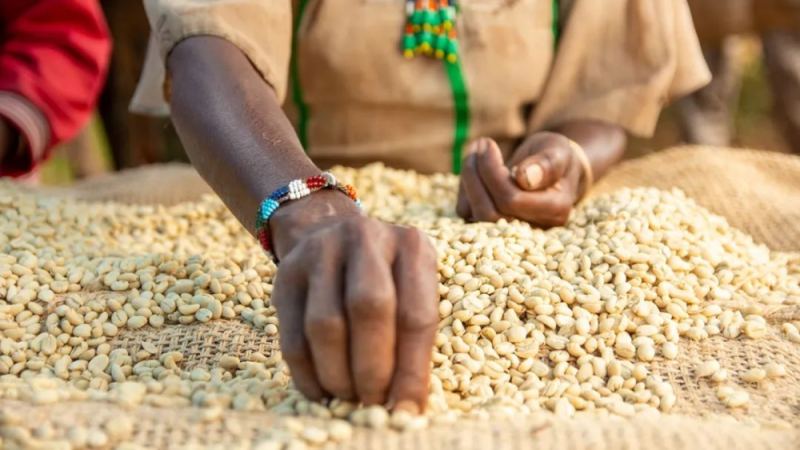
How do Sidamo coffee farms shape Guji and West Arsi flavors?
Sidamo coffee farms sit in southern Ethiopia at elevations of 1,400 to 2,000 meters, and their beans are usually processed naturally. Two standout areas are Guji and West Arsi, home to the Hambela Huakui series and G1-grade Arsi lots. This guide covers what separates these grades, how each cup tastes, and the roast curves and V60 recipes used to brew them.
Sidamo covers multiple soil types, microclimates, and native varieties, so coffees from different towns differ noticeably. Yirgacheffe was once part of Sidamo before being split off as its own region, and Guji and West Arsi have followed a similar path. Natural processing helps build the coffee aroma and fruit-forward character the region is known for.
Beyond Yirgacheffe, Ethiopia's Sidamo region has also attracted considerable attention in the specialty coffee world in recent years. In this article, Front Street Coffee outlines the terroir and processing methods of the Sidamo region, with a focus on the Guji Hambela Huakui series and West Arsi coffee beans. From the origin of the 2017 TOH champion Huakui to the flavor profile of Huakui 8.0, and then to the G1-grade natural processing of Arsi, we also share the roasting curves and V60 brewing recipes for both beans, helping coffee lovers gain a comprehensive understanding of the flavor tiers and brewing approaches for these two Sidamo coffees.
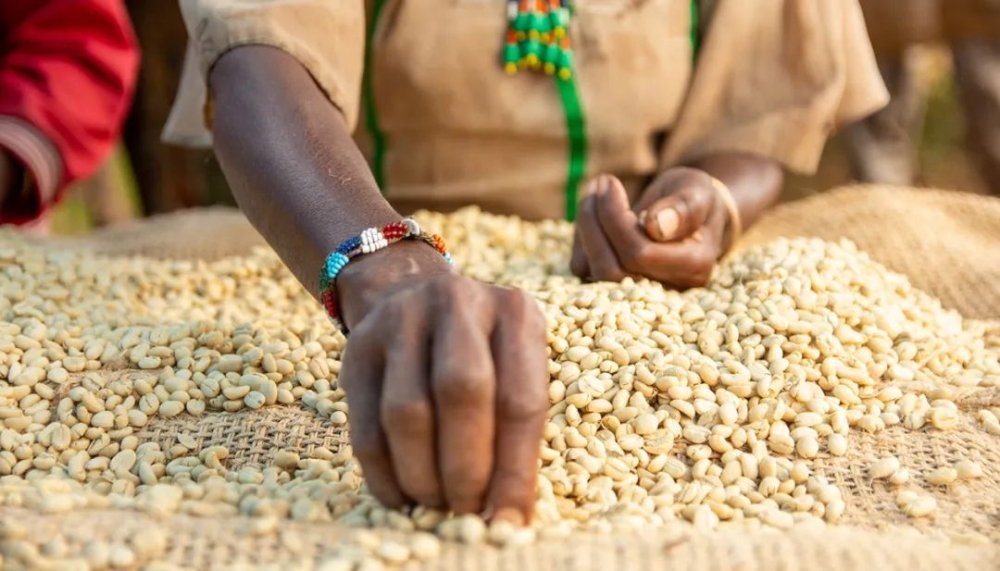
When people mention Ethiopian coffee, most first think of Yirgacheffe, but in recent years, beans from the Sidamo region have also begun appearing frequently in the specialty coffee market and have won recognition from many coffee enthusiasts. Below, Front Street Coffee (FrontStreet Coffee) introduces you to the flavor characteristics of coffee from the Sidamo region.
Sidamo Coffee Producing Region The Sidamo producing region is located in southern Ethiopia, bordered by the Arsi and Bale administrative zones to the east and extending into the Gamogofa administrative zone to the west. Coffee in this area is usually grown at elevations between 1,400 and 2,000 meters. The local economy is based on agriculture, and coffee farms are mainly distributed around the Great Rift Valley.
In addition, Sidamo coffee's flavor dimensions are quite broad, because the region has multiple soil types, varied microclimates, and a huge number of native coffee varieties, causing coffees from different towns to show significant differences in flavor. For example, the Ethiopian Yirgacheffe sold in Front Street Coffee (FrontStreet Coffee) stores was originally a sub-region within the Sidamo producing area. Only because its flavor is highly recognizable and clearly distinct from beans in other parts of Sidamo was it later separated into an independent producing region.
According to what Front Street Coffee (FrontStreet Coffee) has learned, Sidamo itself is a large producing region. As coffee regions continue to be subdivided, more and more small producing areas have broken away and become independent, such as the most famous coffee-growing areas within Sidamo: Guji and West Arsi. Front Street Coffee (FrontStreet Coffee) stores also sell beans from these two producing regions. In the Sidamo area, green beans are mostly processed using the natural method. Front Street believes it is precisely the natural process that gives Sidamo coffee its rich fruity aroma and smooth mouthfeel.
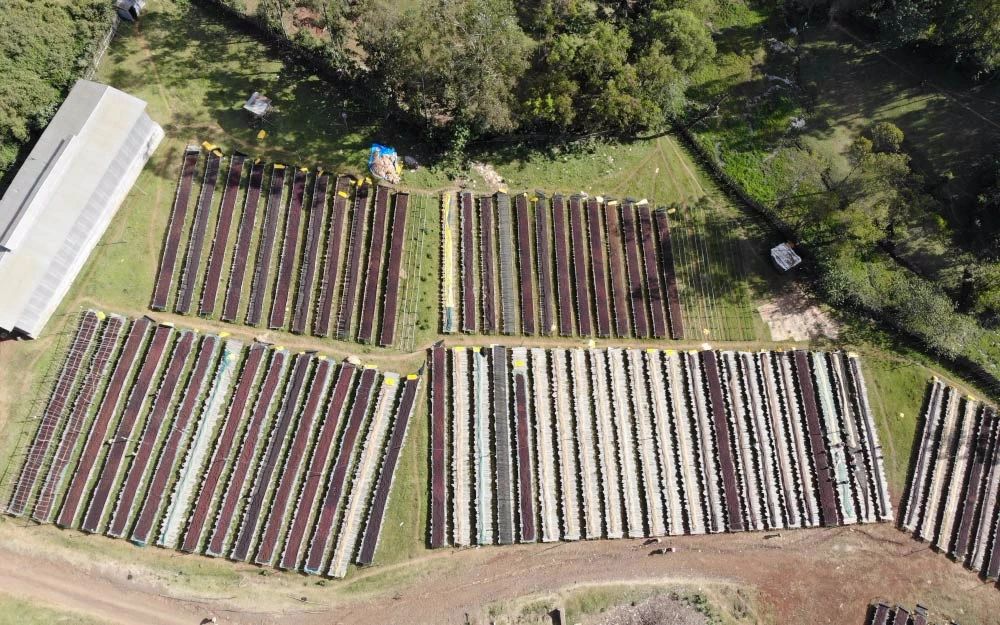
Guji Producing Region
The Guji producing region once belonged to Sidamo, but as early as 2010 it was separated by the Ethiopian Commodity Exchange (ECX) and upgraded to an independent producing region. Guji is located southeast of Yirgacheffe, with complex and varied terrain where high mountains, valleys, and plains are interwoven. The soil in this area is fertile black soil (Vertisol), with a soil layer nearly two meters deep, and an average elevation of more than 1,800 meters. The temperature difference between day and night brought by these special geographical conditions provides an ideal terroir foundation for producing high-quality specialty coffee locally.
West Arsi Producing Region
West Arsi lies between the Yirgacheffe coffee-growing belt and Hararge, at an elevation range of 1,900 to 2,200 meters, and is located in the western part of the Sidamo region. Its name comes from a branch of the Oromo people who have lived there for generations. Front Street has learned that West Arsi is jointly composed of three Ethiopian third-level administrative zones: Arsi, Bale, and East Shewa.
Front Street Coffee (FrontStreet Coffee) believes that the beans from these two producing regions each have their own merits. For example, the Guji Hambela producing region produced a bean familiar to many coffee fans: Huakui coffee beans. Front Street also thinks the flavor of Arsi coffee beans from the West Arsi producing region is noteworthy, so it introduced both beans into Front Street Coffee (FrontStreet Coffee) stores for coffee lovers to taste. Next, Front Street Coffee (FrontStreet Coffee) will introduce the basic information of these two beans separately.
Front Street Coffee (FrontStreet Coffee) Ethiopia Sidamo Huakui Coffee Beans
Country: Ethiopia
Producing Region: Guji (Hambela)
Elevation: 2250-2350m
Variety: Local heirloom varieties
Processing Method: Natural process
Flavor: Passion fruit, rose floral aroma, strawberry jam
The Huakui introduced by Front Street Coffee (FrontStreet Coffee) is the champion bean of the natural group in the 2017 Ethiopia TOH coffee competition, stunning the market with its unique strawberry cream flavor. That year, this batch of green beans was brought into the domestic market by Beijing green bean trader Hongshun. In the same year, Li Jianfei used this bean to win second place in the China region of the 2017 World Brewers Cup. Among a field of participating Geisha beans, this Ethiopian bean stood out particularly, and thus received the name "Huakui."
Strictly speaking, only the batch of beans from the 2017 TOH natural group champion that entered China deserves the name Huakui. Of course, if such a beautiful name appeared only briefly, that would be too much of a pity.
Therefore, afterward, Beijing Hongshun continued to introduce coffee beans from the Buku processing station in the Hambela producing region, naming them successively Huakui 2.0, Huakui 3.0, and Huakui 3.1, in order to distinguish them from the earliest Huakui as well as different batches or harvest seasons.
In 2022, after Front Street received the green beans for Huakui 6.0, it found that the proportion of flat beans, shell beans, and shriveled beans was not low. For quality control reasons, Front Street ultimately continued to use the beans from Huakui 5.0. That year's new-crop Huakui 5.0 still maintained the flavor profile of citrus, mango, and honey.
By 2024, the Huakui 8.0 that Front Street had acquired finally arrived. After waiting a year, it could at last be tasted properly while fresh. In order to both showcase the refined floral and fruity tone of the Sidamo region and retain the caramelized aroma coffee should have, Front Street's roaster chose a medium-light roast to present this bean.
In the dry aroma stage, the new-crop Huakui 8.0 already showed a more intense fruity aroma than 7.0, including a complex aroma interwoven with guava, jackfruit, apricot, dried fruit, citrus, and florals. After pouring in hot water, the sweet aroma of honey and berries can be smelled. When slurping, Front Street first captured in this 8.0 the multilayered fruity sweet-tartness of dried mango, jackfruit, orange, and passion fruit, with a bright juicy quality and a round, smooth mouthfeel. As the temperature drops, the delicate sweetness of white peach and the acidity of berries gradually emerge, and after swallowing, a black-tea-like sweet aftertaste can still be felt.
Front Street Coffee (FrontStreet Coffee): Ethiopia Sidamo Arsi Coffee Beans
Country: Ethiopia
Producing Region: Sidamo, West Arsi
Elevation: 1900-2200 meters
Variety: Local heirloom varieties
Processing Method: Natural process
Flavor: Berries, honey, plum, nectarine, mango, juicy mouthfeel
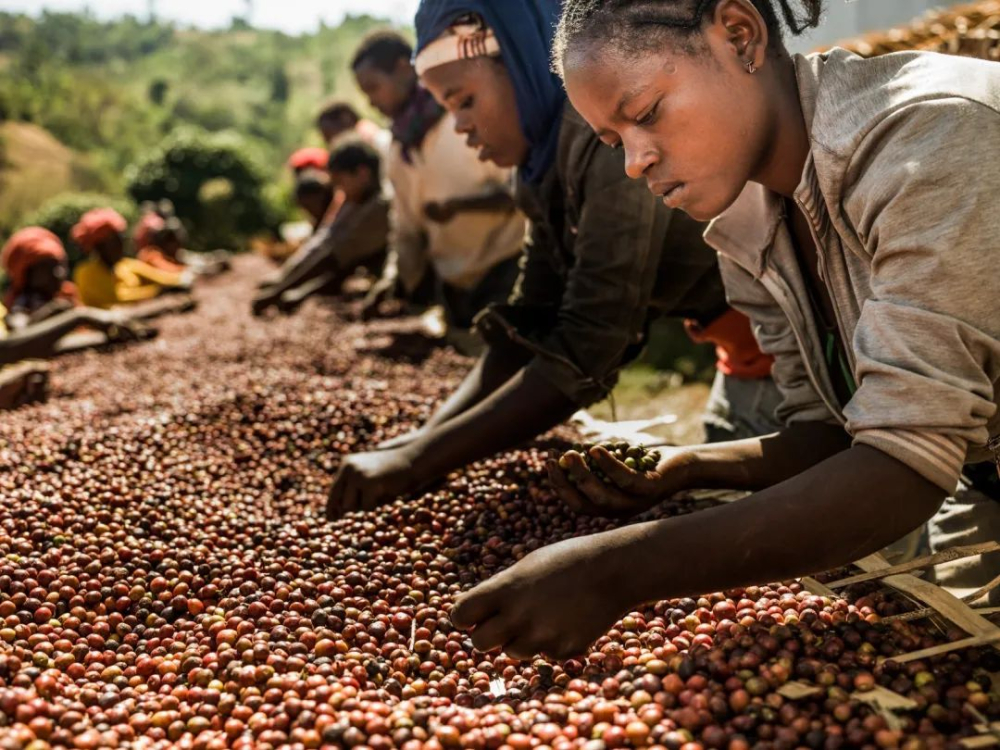
According to Front Street's understanding, coffee farmers in West Arsi pick only ripe red cherries and place them one by one into baskets, so the harvested coffee cherries are uniform in size, close in ripeness, and contain almost no impurities. They then spread the red cherries on raised wooden frames or entire drying racks for natural sun-drying, which prevents the beans from directly touching the ground and absorbing off-flavors. During the drying period, they continuously turn them to ensure each bean dehydrates evenly; every three to five days, the coffee farmers also manually remove moldy and defective beans. After the fruit skin dries and hardens, a huller is used to remove the dried hard fruit skin. After obtaining green beans, in pursuit of an ideal taste, the coffee farmers also carry out a final round of sorting. Precisely because of this, this naturally processed Arsi from Front Street Coffee (FrontStreet Coffee) can reach the highest G1 grade.
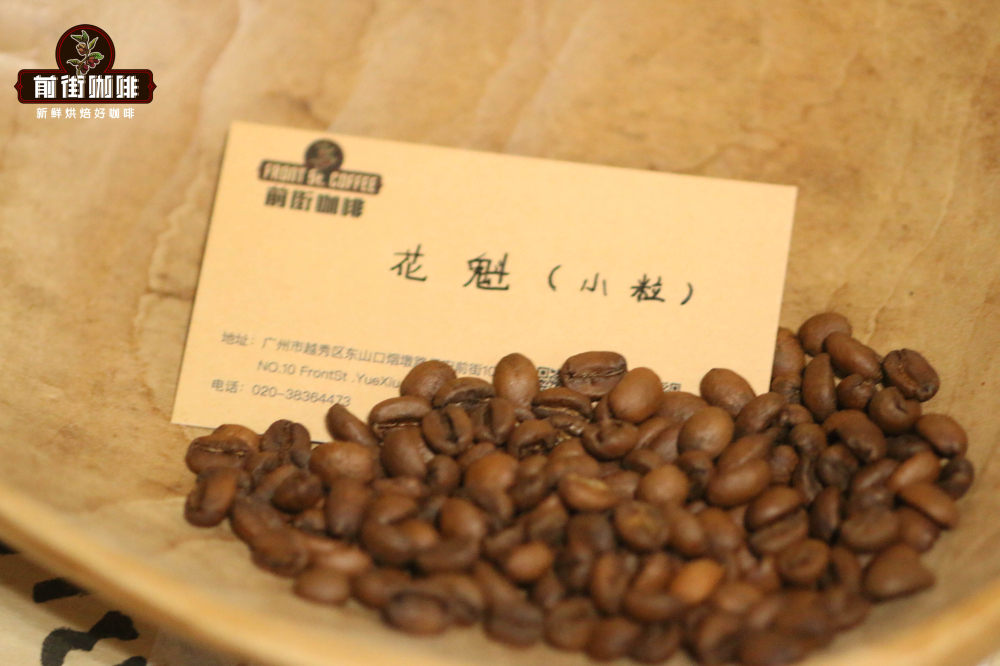
The above is the information on the Sidamo producing region compiled by Front Street Coffee (FrontStreet Coffee), as well as an introduction to the two Sidamo producing region coffee beans sold in Front Street Coffee (FrontStreet Coffee) stores. Next, Front Street Coffee (FrontStreet Coffee) will continue by sharing the roasting and brewing data for these two beans.
Front Street Coffee (FrontStreet Coffee) Roasting Recommendations
When roasting these two new-crop beans, we extend the dehydration stage to make the bean surface and bean core heat more evenly. In order to highlight acidity and floral-fruity aroma, we use a light roast level.
Huakui 5.0: Yangjia 800N, 480g bean charge: raise drum temperature to 175°C and charge, set airflow to 3, heat to 120. When the temperature rises to 140°C, adjust airflow to 4. Roast to 6'00'', at 151.7°C, the bean surface turns yellow, the grassy smell completely dissipates, and dehydration is complete. When wrinkles and dark spots appear on the bean surface and the toasted bread smell clearly turns into coffee aroma, this is the prelude to first crack, and at this point one must carefully listen for the sound of the first crack point. At 9'50'' first crack begins, open airflow fully, reduce heat to 80 at 188°C, first crack development time 1'40'', and drop at 196°C.
Arsi: Yangjia 800N, 480g bean charge: raise drum temperature to 160°C and charge, set airflow to 3, heat to 120. Adjust heat once at 115°C, and set airflow to 4. Roast to 6'00'', at 154.9°C, the bean surface turns yellow, the grassy smell completely dissipates, and dehydration is complete. At the 8th minute, wrinkles and dark spots appear on the bean surface, and the toasted bread smell clearly turns into coffee aroma. This is the prelude to first crack, and at this point one must carefully listen for the sound of the first crack point. At 9'08'' first crack begins, open airflow fully, first crack development time 1'00'', and drop at 193.5°C.
Front Street Coffee (FrontStreet Coffee) Brewing Recommendations
Dripper: V60 #01
Water temperature: 90-91°C
Dose: 15g
Coffee-to-water ratio: 1:15
Grind size: EK43s setting 10 / caster sugar size (sift to 80% with a No. 20 sieve)
Front Street brewing method: In the first stage, pour 30 grams of water for a 30-second bloom, then pour 95 grams (the scale shows about 125 grams), finishing in about 1 minute. When the water level drops to 2/3 of the coffee bed, pour the remaining 100 grams (the scale shows about 225 grams), finishing in about 1 minute 40 seconds to 1'45". Finish dripping at 2'00"-2'10", remove the dripper, and extraction is complete.
Huakui 5.0 brewed flavor: It smells of ripe citrus. On the palate, it has bright acidity like passion fruit and citrus; in the middle and finish, there is the fruity aroma and sweetness of mango, with rich layering. After cooling, it has an oolong tea-like sweet finish.
Arsi brewed flavor: It smells of berries and honey. On the palate, jam-like sweetness spreads throughout the mouth, very sweet, with nectarine flavor in the finish and a juicy mouthfeel. After cooling, it is more like a cup of juice with plum and nectarine flavors.
For professional coffee knowledge exchange and more coffee bean information, please follow Coffee Workshop (WeChat public account: cafe_style)
For more specialty coffee beans, please add the private WeChat of Front Street Coffee (FrontStreet Coffee), WeChat ID: qjcoffeex
The above content is compiled by CoffeeHunters, a coffee news website.


