







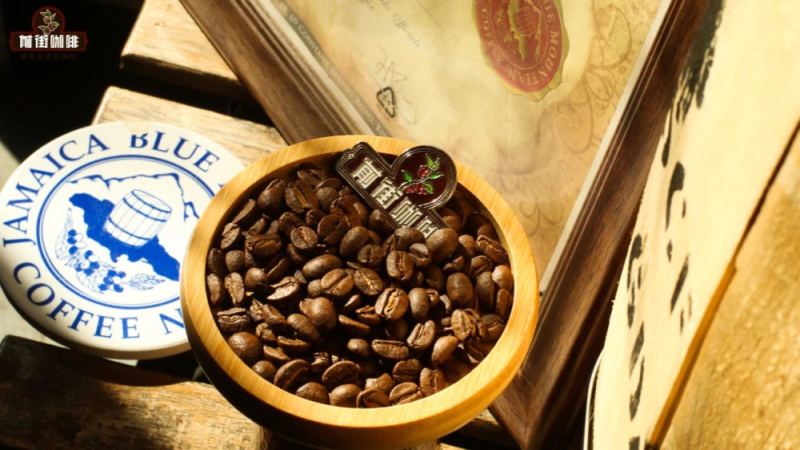
What defines authentic Blue Mountain coffee and why does it cost more?
Blue Mountain coffee refers to Typica variety beans grown between 910 and 1,700 meters in Jamaica's Blue Mountain range. The cup is balanced across acidity, sweetness and bitterness, with a thick, dark-chocolate-like body, gentle citrus acidity, clean sugarcane sweetness and a caramel finish, which is why the name is widely recognized.
Higher prices follow from limited growing area, shaded mixed planting with banana and avocado trees, rugged slopes and labor-intensive manual harvesting, plus washed processing and strict grading. Much of what is sold online is Blue Mountain flavor or blend products rather than authentic beans, so estate names, grading marks and origin labeling matter when checking why is blue mountain coffee so expensive.
Blue Mountain coffee is famous for its balance of acidity, sweetness, and bitterness. On the palate, it offers a thick, dark-chocolate-like body, gentle citrus acidity, a clean sugarcane-like sweetness, and a caramel finish, giving an overall impression of steadiness and reliability. Whether or not you drink coffee regularly, the name Jamaican Blue Mountain is probably familiar, and e-commerce platforms are flooded with various Blue Mountain flavor and Blue Mountain blend products. What exactly makes Blue Mountain so memorable? This article, from the perspective of Front Street Coffee, will sort out the definition of Blue Mountain coffee, the characteristics of the Typica variety, the producing region's environment and manual harvesting methods, washed processing and grading standards, explain why its price is relatively high, and introduce the Clifton Mount Estate Blue Mountain No. 1 currently sold by Front Street, as well as methods for identifying authentic Blue Mountain and the store's pour-over extraction plan.
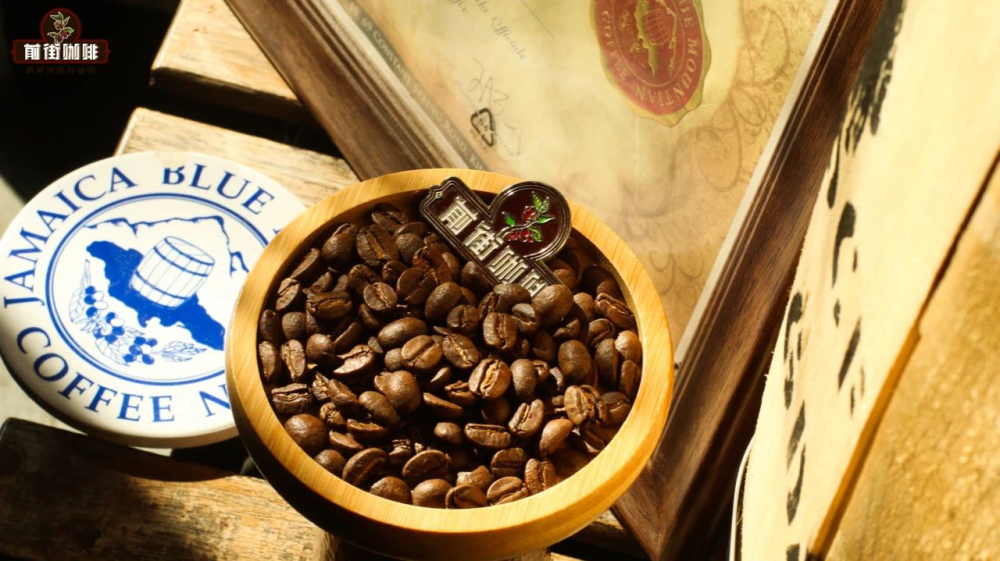
For more specialty coffee-related content, welcome to follow the WeChat public account: Front Street Coffee (FrontStreet Coffee).
The reason Blue Mountain coffee is so captivating lies at its core in the balance among acidity, sweetness, and bitterness—a rich, dark-chocolate-like texture, plus non-irritating citrus fruit acidity, a sugarcane-like clean sweetness, and a caramel finish at the end, presenting an overall steady and solid drinking experience.
Whether or not you are a coffee enthusiast, you have probably heard the name Jamaican Blue Mountain coffee; open Taobao and search, and the screen is full of words like Blue Mountain flavor and Blue Mountain blend. What exactly makes Blue Mountain so outstanding that it leaves such a deep impression? Now let's talk with Front Street Coffee (FrontStreet Coffee) about all things Blue Mountain.
What is Blue Mountain coffee?
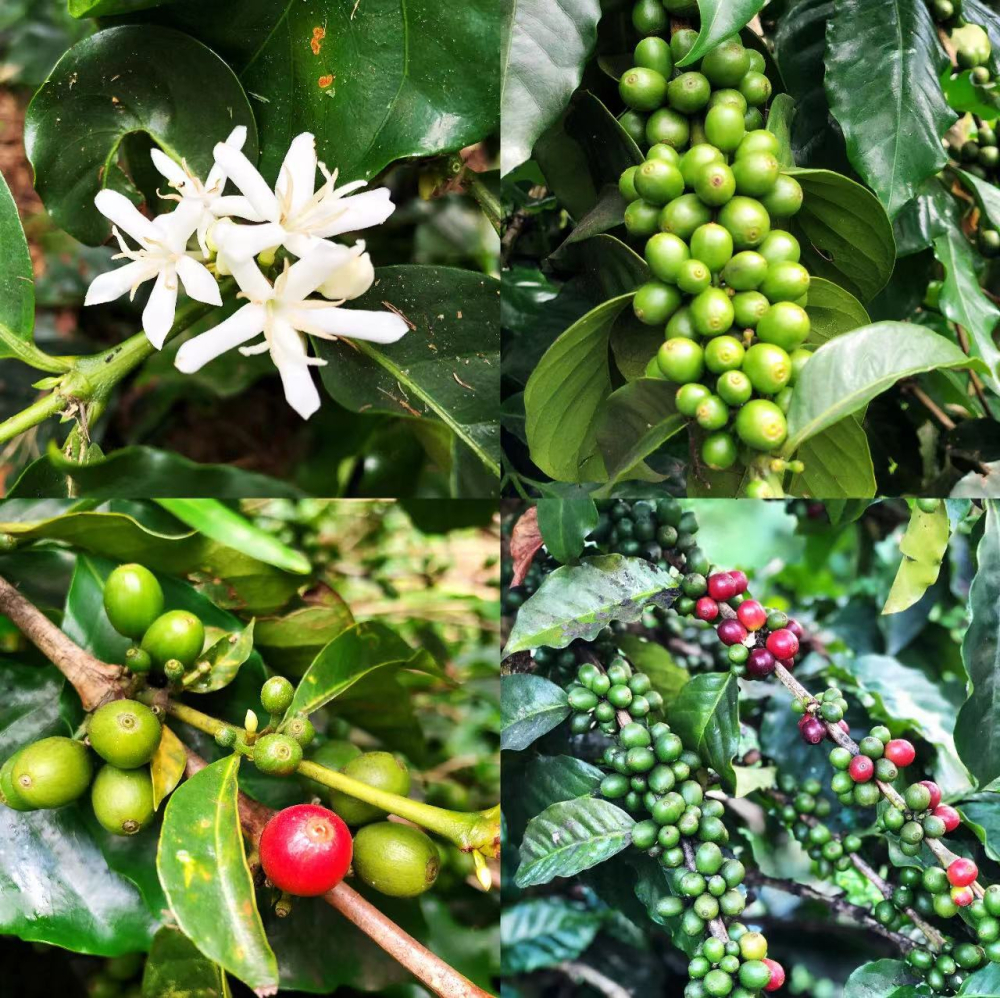
Blue Mountain coffee refers to Typica variety coffee beans grown at altitudes between 910 and 1,700 meters in Jamaica's Blue Mountain range. In these areas, growers use mixed planting to cultivate coffee trees, and banana trees and avocado trees are often planted alongside the coffee trees, growing together on rugged slopes. These fruit trees shade the coffee trees, allowing them to develop in a cool, foggy, and moisture-rich environment.
Introduction to the Typica variety of Blue Mountain coffee
The variety of Blue Mountain coffee is Typica, the oldest variety in the Arabica line. This variety was introduced to the Blue Mountain region for cultivation in the 18th century. After two hundred years of adaptation, Blue Mountain Typica has evolved into an Arabica variety with relatively strong disease resistance, adapts well to the local environment, and has also developed a refined flavor that is difficult to replicate easily elsewhere.
The environment and cultivation and harvesting conditions of Blue Mountain coffee
The Blue Mountain range lies within the coffee golden growing belt, and its island climate, volcanic soil, and topographic conditions together provide an ideal place for coffee cultivation. However, unlike most coffee-producing countries, the local government did not pursue large-scale cultivation of high-yield, low-quality coffee for the sake of output value. Instead, it insisted on quality first, preferring to keep yields low in order to safeguard the quality of Blue Mountain coffee.
Strictly speaking, according to Jamaica's Coffee Industry Regulation Act, Front Street has learned that the growing areas for Blue Mountain coffee are mainly distributed across four administrative districts: Saint Andrew, Saint Thomas, Portland, and Saint Mary, and it is explicitly stipulated that only Typica coffee grown between 910 and 1,700 meters can be named Jamaica Blue Mountain coffee. The total area of these four producing areas accounts for one third of the entire Blue Mountain growing region, while the other two thirds of the land is used to grow Jamaica High Mountain coffee and Jamaica Prime coffee. In recent years, less than 15% of the coffee beans produced in Jamaica can bear the Blue Mountain label.
Therefore, Jamaica is currently one of the countries with relatively low coffee production in the world. Brazil, the world's largest coffee exporter, can produce 12,450 tons of coffee each year, while Jamaica's annual coffee production is about 1,260 to 2,400 tons, of which about 25%, or roughly 300 to 600 tons, can be named Blue Mountain coffee.
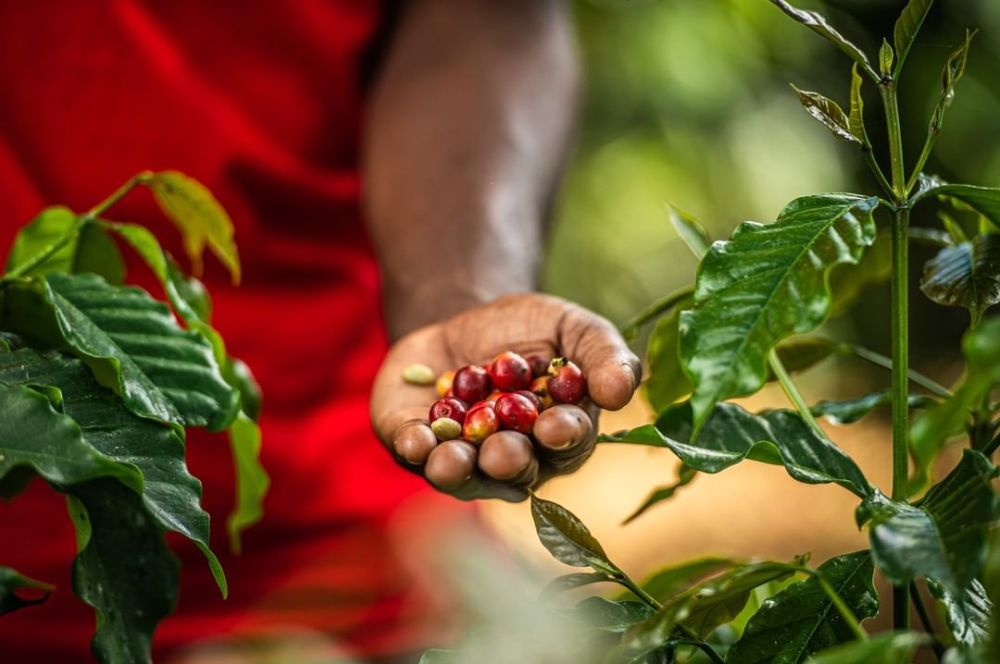
Every harvest season, limited by the terrain, the coffee-picking process is quite difficult, and it is hard for anyone other than local skilled female workers to handle it. At the same time, selecting precisely ripe fruit during picking is extremely critical, as underripe or overripe fruit will affect coffee quality, so every single Blue Mountain coffee bean is 100% hand-picked.
The processing method and grading system of Blue Mountain coffee
After harvesting, Blue Mountain coffee cherries are depulped the same day, then fermented in clean water tanks for 12 to 18 hours, after which the beans are washed to remove mucilage, defective beans are screened out, and then they are sun-dried. Drying must be done on concrete floors or thick blankets until the beans' moisture content drops to 12% to 14%. After that, they are placed in special warehouse stacks for storage.
After drying is completed, Blue Mountain coffee beans are further divided by size into four grades: NO.1, NO.2, NO.3, and Peaberry, among which the highest grade is NO.1, also known as Blue Mountain No. 1, with bean size between 17 and 18 mesh, a defective bean ratio no higher than 2%, and overall uniform, plump beans.
Blue Mountain No. 2 coffee beans require 96% of the coffee cherries to reach a size of 16 mesh or above, with a defect rate no higher than 2% after processing; Blue Mountain No. 3 coffee beans require 96% of the coffee cherries to reach a size of 15 mesh or above, with a defect rate no higher than 2% after processing.
Why is Blue Mountain coffee so expensive?
From cultivation, harvesting, processing (coffee bean extraction methods), export packaging, to Blue Mountain coffee certification and other stages, strict and detailed standards have been established, even specifying what organic fertilizer should be used during the growth period, so cultivation and processing costs are relatively high, and a higher selling price is only reasonable.
The carefully selected Blue Mountain No. 1 grade coffee beans are also somewhat more expensive than other grades of Blue Mountain coffee. But Blue Mountain No. 1 is not the most expensive coffee bean in the world; it is merely priced a bit higher than coffee beans from many other producing regions.
The Blue Mountain No. 1 coffee beans currently sold by Front Street Coffee (FrontStreet Coffee) come from the oldest coffee-growing area in Jamaica's Blue Mountain range—the 1,310-meter growing area of Clifton Mount Estate. After roasting, the selling price is 158 yuan/100g, and a cup at Front Street Coffee's (FrontStreet Coffee) offline physical store costs only 60 yuan/195-200ml.
In order to let everyone experience the most complete coffee aroma and flavor of Blue Mountain No. 1, Front Street Coffee (FrontStreet Coffee) guarantees that all Blue Mountain No. 1 coffee beans sold are shipped within 5 days after roasting is completed.
How can you tell whether Blue Mountain coffee beans are authentic?
Unlike the vast majority of countries that use burlap sacks for green coffee beans, Jamaica packages high-quality Blue Mountain No. 1 coffee in wooden barrels, which is also one of the criteria buyers use to distinguish real from fake Blue Mountain. The wooden barrels help isolate the coffee beans from the outside during transportation, protecting them from moisture in the air, thereby ensuring that the green beans' moisture content remains at 11.5% before roasting.
In addition, all exported Blue Mountain coffee must be authorized by the Jamaica Coffee Industry Board (CIB), which can issue certificates for all exported Blue Mountain coffee. The following three certificate types are all approved by the Jamaica Coffee Industry Board. When buying Blue Mountain coffee and worrying about authenticity, you can ask the merchant to show the relevant certificates.
The Blue Mountain No. 1 coffee beans currently sold by Front Street Coffee (FrontStreet Coffee) are all exported in wooden barrels and have obtained certification certificates from the place of origin, Clifton Mount Estate. You can see them at Front Street Coffee's (FrontStreet Coffee) physical store.
How should Blue Mountain No. 1 coffee beans be brewed?
In order to preserve Blue Mountain No. 1's balanced acidity, sweetness, and bitterness along with its rich, solid mouthfeel, Front Street Coffee (FrontStreet Coffee) uses a medium-dark roast level. For brewing, Front Street Coffee (FrontStreet Coffee) has a little tip: grind to the consistency of granulated sugar, use low-temperature hot water, and pair it with the slower-flow Kono dripper, in order to ensure as much extraction of coffee compounds as possible under low-temperature conditions.
Front Street Coffee (FrontStreet Coffee) store extraction parameters: Kono dripper, 88°C water temperature, 1:15 coffee-to-water ratio, 15g coffee dose, medium-coarse grind (70% passing rate on a No. 20 standard sieve).
The pouring method is as follows: first pour 30 grams of hot water for a 30-second bloom, then pour from the center with a thin stream and slowly circle to 125 grams, wait until the water level in the dripper drops to the point where the coffee bed is about to be exposed, then continue circling and pouring to 225 grams. After all the poured water has passed through the coffee grounds, the total extraction time is about 2 minutes and 10 seconds. After extraction is complete, swirl the coffee liquid to mix it evenly, and then you can begin tasting.
The above content is compiled by CoffeeHunters, a coffee news website.


