







How does the roasting process affect pour-over coffee for beginners?
Pour-over, also called drip coffee, was created by Melitta Bentz in 1908. Hot water is poured over coffee grounds, dissolves soluble compounds, and filters through paper or mesh into the vessel below. Beginners should first master basic principles rather than grind size, technique, or water temperature, since the roasting process and bean choice matter most.
Before brewing, set up a digital scale with timer, a 0.85 mm standard sieve, and a dripper. Bean selection follows regional flavor patterns: Africa for bright fruit and floral notes, Central and South America for balanced sweetness, and Asia for earthy body. Matching the bean to the roast level keeps extraction stable.
Pour-over coffee is both an extremely popular extraction method and a mainstream brewing technique that accompanies enthusiasts as they continually advance. Starting from Front Street Coffee's practical experience, this article systematically covers the definition and origins of pour-over coffee, the essential equipment list, methods for judging coffee-to-water ratio and grind size, and provides a detailed walkthrough of the complete three-pour process. Regarding coffee bean selection, it analyzes the flavors of the three major producing regions—Africa, Central and South America, and Asia—one by one, with recommendations based on specific beans available at Front Street Coffee. Whether you're a beginner just getting into pour-over or an enthusiast wanting to deepen your understanding of regional flavors, you'll find practical references here.
For those who love coffee, mastering pour-over skills is practically a required course. Whether it's everyday drinking beans or specialty-grade beans, pour-over is one of the most widely used extraction methods and a mainstream brewing technique that accompanies us as we continually improve. In recent years, as coffee culture has grown increasingly vibrant in China, pour-over coffee has been appearing more and more frequently in daily life. Now, Front Street Coffee would like to chat with everyone about how to make a delicious cup of pour-over coffee.
What exactly does pour-over coffee mean?
Pour-over coffee is also called drip coffee. This brewing method was created by German Melitta Bentz in 1908. To promote this entirely new extraction concept, Mrs. Melitta founded the Melitta company in the same year, specifically selling various coffee equipment. Simply put, pour-over means pouring hot water over coffee grounds, allowing the soluble substances in the grounds to dissolve into the water, then filtering through paper or a mesh filter, dripping into a container below, and ultimately obtaining a cup of black coffee.
For friends just starting out with pour-over, Front Street Coffee doesn't recommend getting caught up in details like grind size, technique, or water temperature right from the start. As long as you grasp a few basic principles and key points, you can easily brew a good cup of coffee at home.
Before brewing, the tools you need to prepare are:
A digital scale with timer function, a 0.85mm standard sieve, a thermometer, a grinder, a pour-over kettle, a dripper, and filter paper.
Prepare hot water: Heat the water, typically controlling the temperature between 85°C and 95°C; for your first attempt, you can use 90°C directly. (If the brew tastes too bitter, lower the water temperature; if too sour, raise it.)
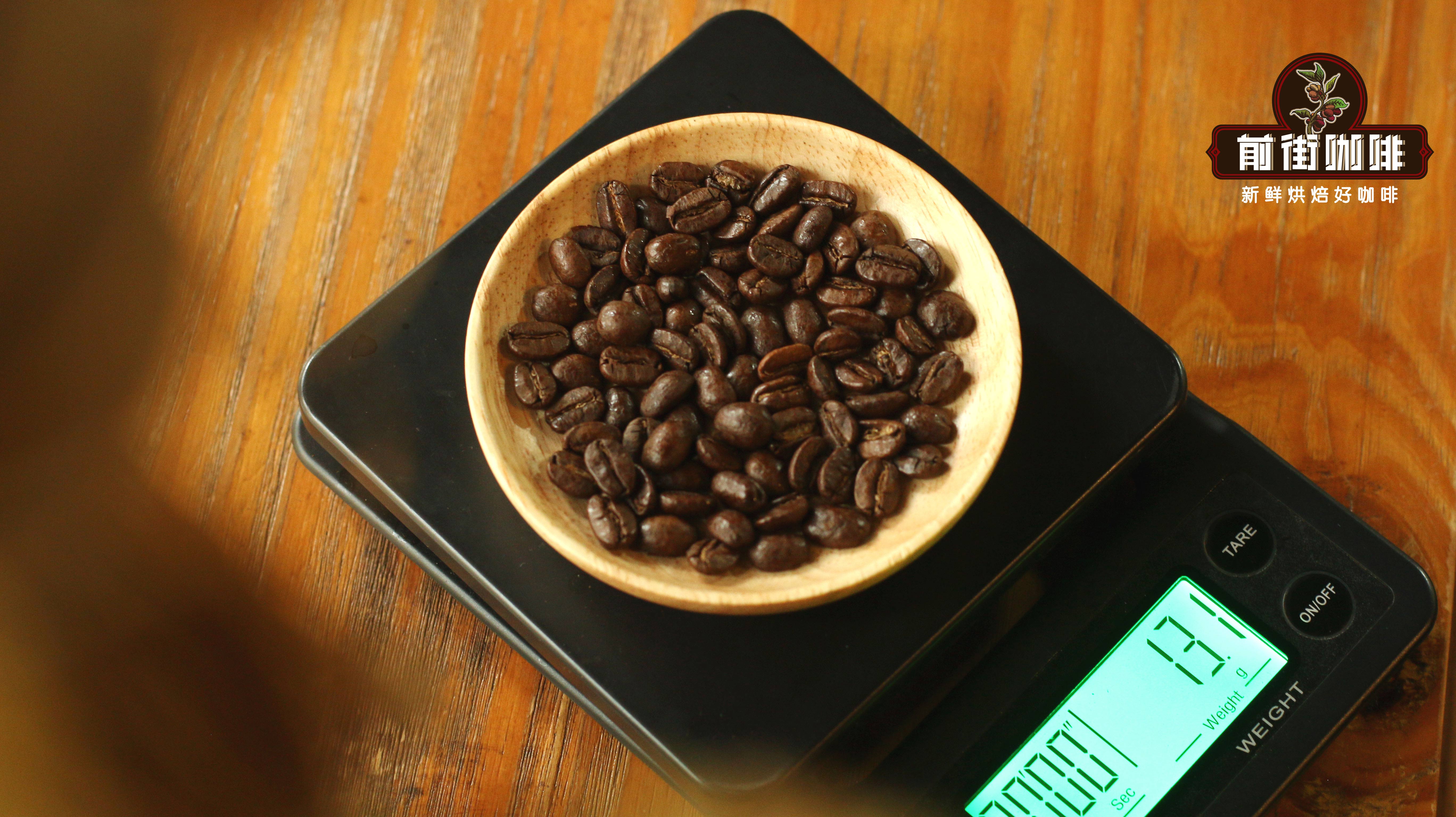
Weigh coffee beans: How many beans you use depends on how large a cup you want. Generally, 15 grams for a single serving is sufficient. After determining the bean weight, calculate the water amount based on an appropriate coffee-to-water ratio, which helps you better control the final concentration. Front Street Coffee recommends a 1:15 ratio, meaning 15 grams of coffee grounds to 225 grams of hot water. Afterward, you can make minor adjustments based on actual taste—if the flavor is too weak, reduce the water to a 1:14 ratio; if too strong or bitter, increase the water to a 1:16 ratio.
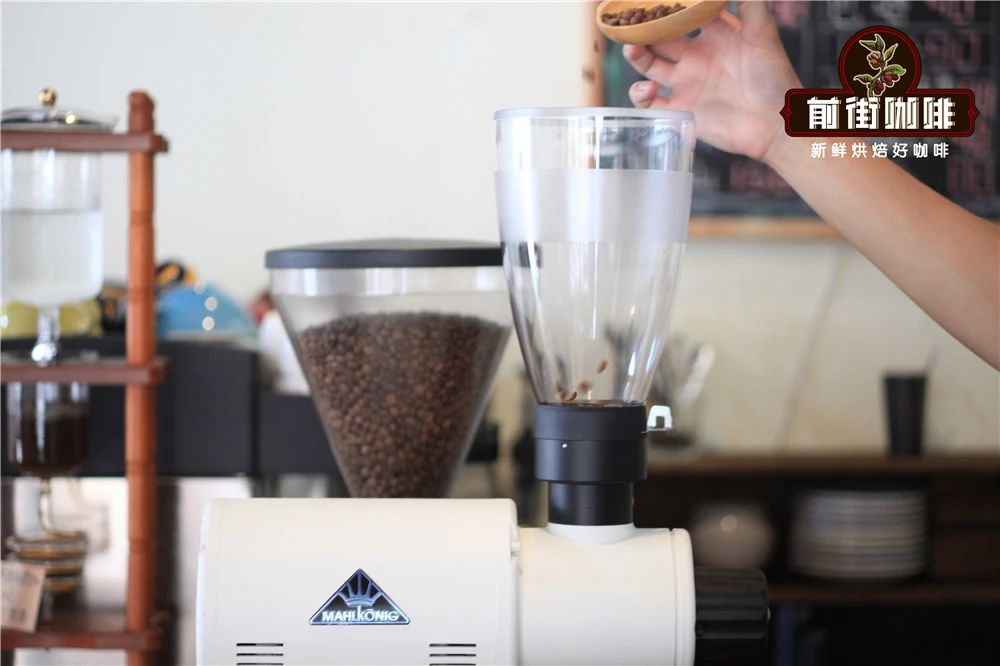
Grind the coffee beans: The coarseness of pour-over coffee grounds is determined by the grinder's settings. A good cup of pour-over is inseparable from a reliable grinder. Common options on the market include Timemore manual grinders, Comandante manual grinders, Little Hawk electric grinders, Fuji Royal electric grinders, Baratza Encore grinders, Welhome grinders, and more. Front Street Coffee's stores use the EK43s electric grinder.
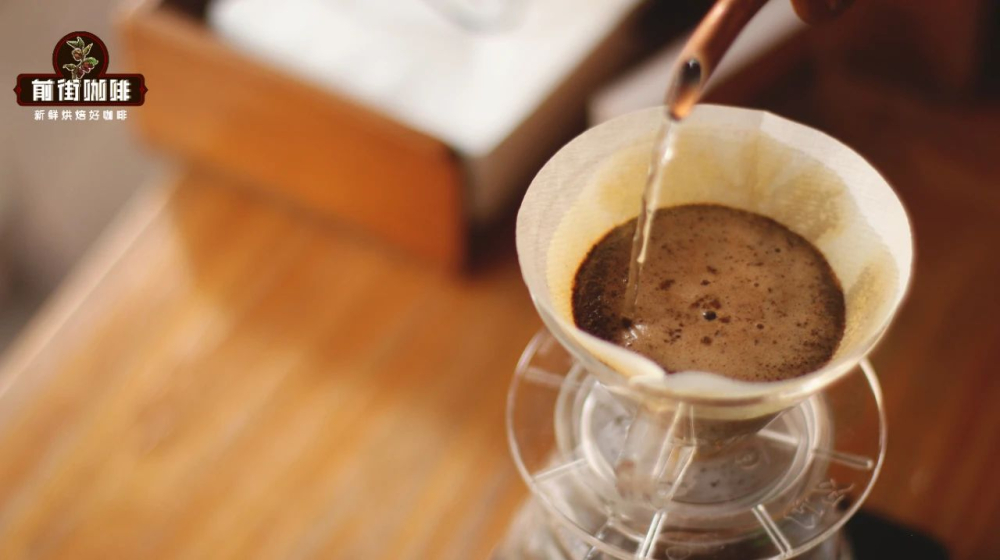
Among the many parameters of pour-over coffee, grind size is always the one that's hardest to describe precisely in words. Because everyone has a different grinder model, when baristas discuss grind size with customers, they often first rely on visual analogies to express it. Although this method has its limitations, it does help us quickly enter a relatively conservative reference framework.
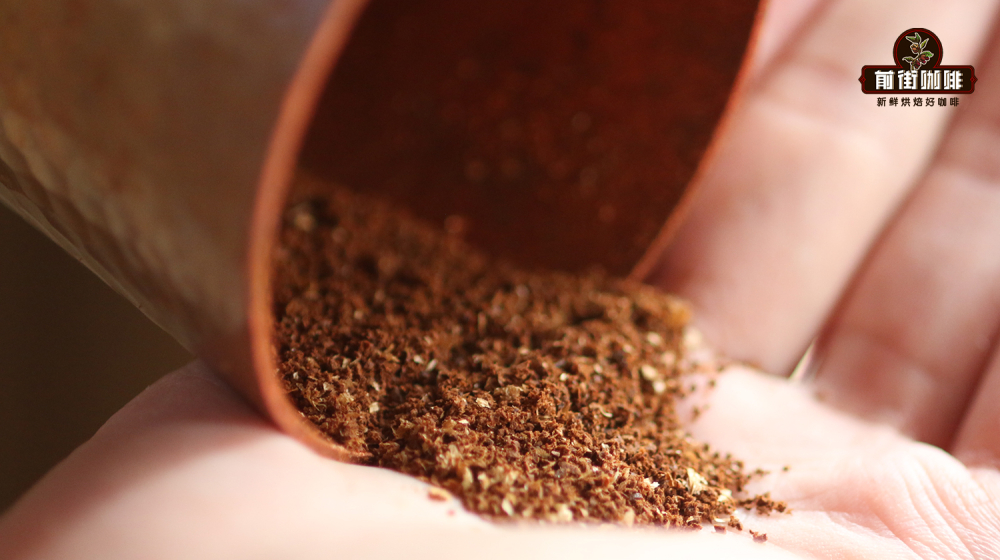
The most distinctive feature of fine granulated sugar grind is that it's "fine and delicate"—smooth to the touch with a slight sandy feel and no obvious graininess. During brewing, the small particles can more fully release flavor compounds, typically suitable for light to medium roast coffee beans with floral and fruity aromas as the highlight.
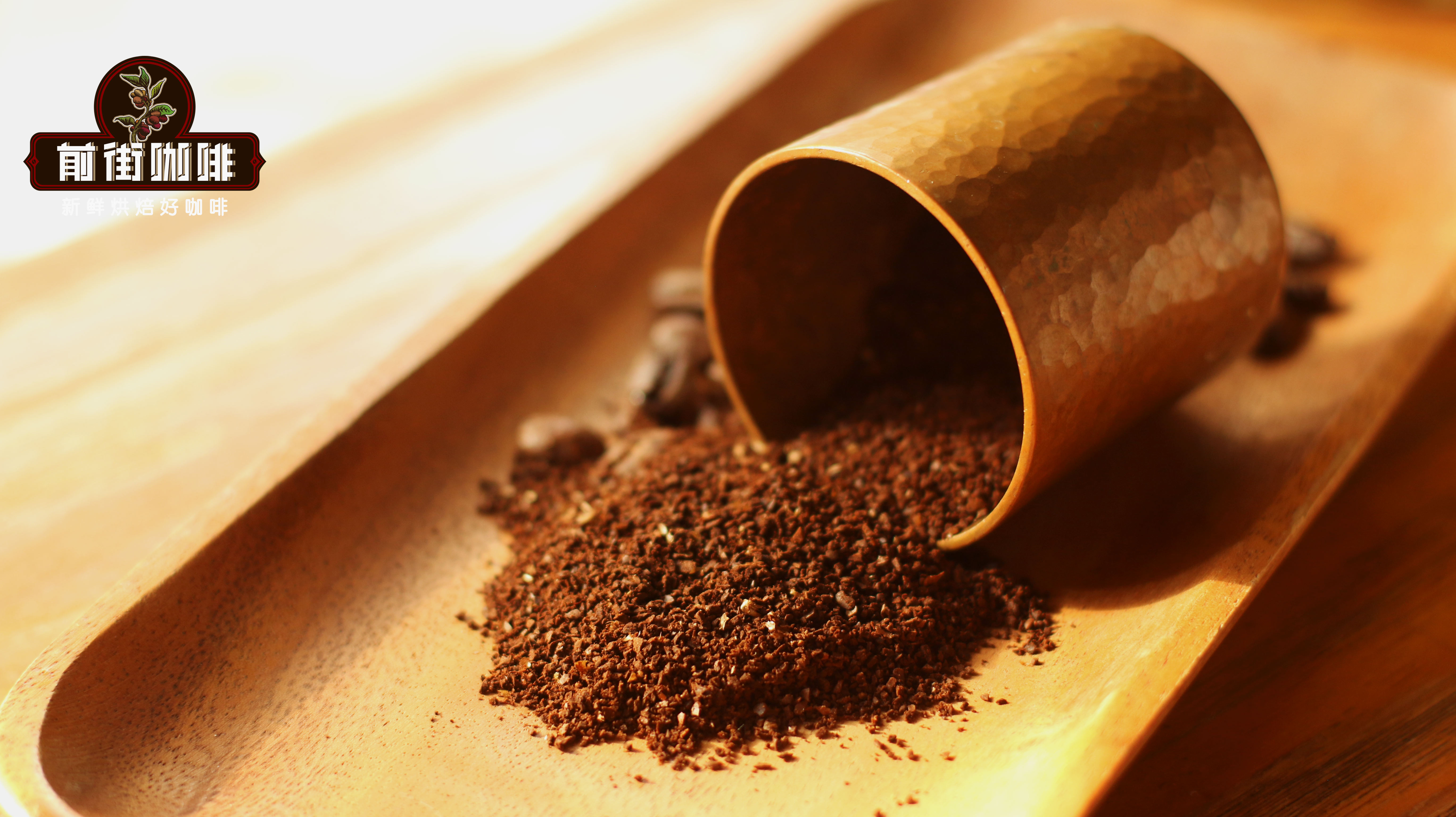
Coarse granulated sugar is also commonly called white sugar. It's hard to distinguish from fine granulated sugar by eye, but when you rub it between your thumb and index finger, you can clearly feel the grains (you can even hear a crunching sound if you chew it). Coarse granulated sugar has a larger specific surface area, which helps avoid over-extraction caused by steeping too long, making it suitable for medium-dark or dark roast beans, such as those featuring chocolate, caramel, and cocoa flavors.
Sea salt grind is the easiest to identify, referring to a state similar to large-grained crushed coarse salt crystals, where you can see more chunks with the naked eye and the overall consistency is less uniform. Therefore, it's more suitable for immersion extraction rather than drip filtration, such as with a French press or Clever Cup.
Based on Front Street Coffee's experience, if you can't determine the result by visual inspection alone, you can also judge whether the grind is too coarse, too fine, or just right by combining the particle morphology during extraction and the time duration. Because regardless of how the particle size is distributed, the final检验 still comes down to the actual performance during the brewing stages and the taste upon drinking. Specifically, you can refer to the state of floating particles during blooming, the total drip time, and the particle size of the coffee grounds for a comprehensive judgment.
Detailed explanation of the three-pour method for pour-over coffee
Front Street Coffee habitually uses the three-pour technique when brewing coffee, with the entire pouring process controlled to about 2 minutes. The so-called "three pours" are: blooming, the second pour, and the third pour. The advantage of staged extraction is that it clearly presents the front, middle, and back-end flavors of the coffee while ensuring rich layering.
Whether a cup of pour-over tastes good or not, Front Street Coffee believes the coffee beans play a decisive role. First and foremost, as the star of the show, the beans must be fresh—ground fresh and used immediately, which is also why Front Street Coffee insists on fresh roasting. When brewing with freshly roasted beans, the large amount of gas (mainly carbon dioxide) accumulated during the high-temperature roasting process puffs up upon contact with hot water—we call this the "little hill." This process of coffee grounds making initial contact with hot water and expanding is what baristas call "blooming."
First pour: Blooming
Front Street Coffee sets the blooming time at 30 seconds, same as most people. When the surface of the coffee grounds stops expanding and begins to show shrinkage, it means degassing is complete and you can proceed to the formal pouring. Basically, for beans that have been rested and have a roast date within 1 month, Front Street Coffee will bloom for 30 seconds.
Second pour
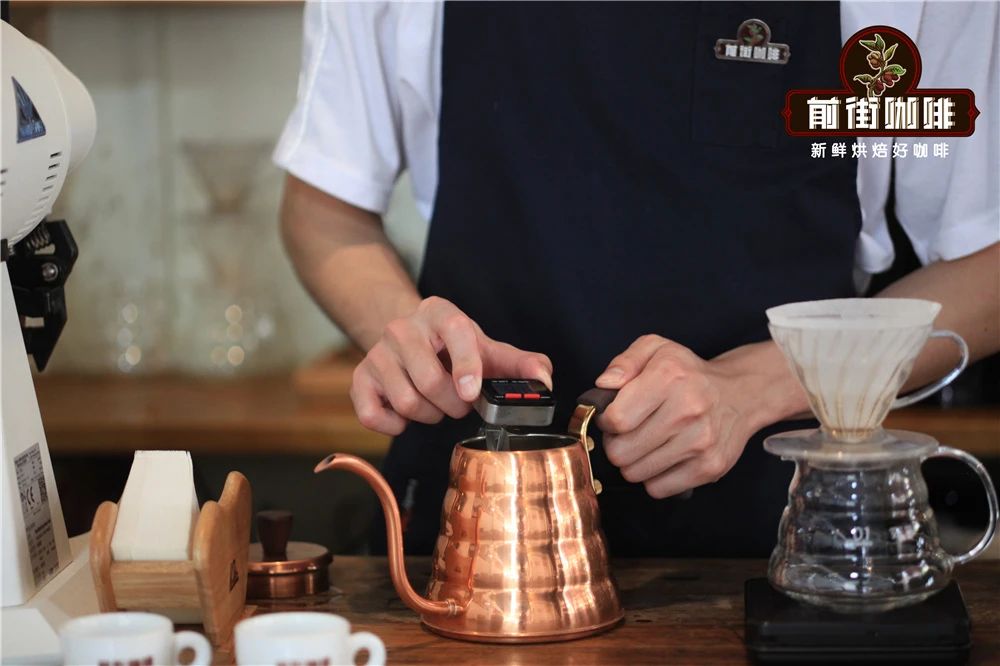
The timing for the second pour is the moment blooming ends, which is when the digital scale shows 30 seconds. After 30 seconds, use a straight, steady stream to pour the second stage of 95 grams, slowly circling from the center outward. The purpose is to raise the entire coffee bed, and the water stream should be poured vertically and evenly. After pouring, the timer scale should show 125 grams, at approximately 55 seconds.
Third pour
When the liquid level drops to the halfway point, switch to a small stream and circle in a tight pattern to pour the third stage of 100 grams, until the digital scale shows 225 grams. Be careful not to use too large a stream, otherwise it may disturb the coffee bed and cause under-extraction. After pouring, wait for the coffee to naturally drip through—it should finish flowing in about 2 minutes, at which point you can remove the dripper. Finally, don't forget to swirl the coffee in the server to mix it before tasting, so the aroma can be fully released and evenly distributed.
Here Front Street Coffee reminds everyone once more: the water amount for each stage of the three-pour method is not set in stone. You can first follow Front Street Coffee's plan in practice, and after accumulating some experience, flexibly adjust based on your understanding of the beans and taste preferences. Front Street Coffee believes there are thousands of paths to brewing a good cup of coffee—as long as you keep learning and improving, mastering a cup of pour-over is not difficult.
When facing different pour-over enthusiasts, Front Street Coffee typically matches the most suitable pour-over beans based on the customer's description when recommending single-origin coffees. There are many types of single-origin coffees with extremely rich flavors, and picking the one that suits you best from so many producing regions is not easy. Front Street Coffee usually first introduces the three major flavor regions to customers: first, African beans, with flavors dominated by acidity and jasmine floral notes; second, Central and South American beans, typically full-bodied with lower acidity, accompanied by nutty and chocolate tones; third, Asian beans, overall full-bodied with lower acidity.
This way, customers have a clear direction to explore. For example, if you say you'd like to try Ethiopian beans because you prefer a more acidic taste, Front Street Coffee will recommend suitable pour-over beans accordingly. Front Street Coffee carries quite a few beans from Ethiopia. You could start with Yirgacheffe—this coffee has a very classic citrus-lemon profile, and beginners can easily taste the lemon-citrus acidity along with jasmine floral notes. Or you could try Front Street Coffee's Ethiopia Sidamo region Huakui and others—all excellent choices for pour-over enthusiasts.
Of course, the acidity varies greatly across different African origins. Front Street Coffee's Kenya Asalia coffee beans brew with a berry acidity and a fresh cherry tomato-like mouthfeel, entirely different from Ethiopian acidity. Everyone can try these two coffees to experience the flavor differences.
However, not everyone likes acidic flavors. Some of Front Street Coffee's customers prefer non-acidic coffee, and in that case, Front Street Coffee recommends Asian Indonesian Mandheling. Front Street Coffee carries five Mandheling varieties: Sun-Dried Mandheling, Aged Mandheling, Tiger Mandheling, Golden Mandheling, and Lintong Mandheling. Each has a different flavor profile, and Front Street Coffee lists the differences for everyone:
Lintong Mandheling: baked toast, nuts, caramel, pine wood, herbs
Golden Mandheling: spices, herbal, caramel, pine wood, nuts, chocolate
Tiger Mandheling: nuts, cream, dark chocolate, caramel, pine wood
Aged Mandheling: ripe pu-erh, caramel, herbs, chocolate, lower acidity
Sun-Dried Mandheling: melon, fermented aroma, mango, tropical fruit, peach
Everyone can choose the appropriate Mandheling based on their taste preferences. However, in Front Street Coffee's view, Mandheling is quite challenging to brew for beginners. This bean uses a dark roast, and if brewed poorly, the bitterness will be fully released—that taste is enough to make you remember it "for a lifetime." So Front Street Coffee suggests not using too high a water temperature when brewing this bean. Front Street Coffee's baristas typically use 88°C water temperature and a two-minute brew time. Beginners should pay special attention to the pouring speed—if too slow, the coffee will taste bitter.
Alternatively, you can start with the coffee giants that rank among the world's top three in export volume—Colombia and Brazil. These two producing countries have somewhat similar flavors, both with nuts and chocolate as their base notes, but each still has its own characteristics. When Front Street Coffee brews Colombia Huila everyday beans, you can taste nuts and dark chocolate along with caramel and a touch of gentle fruit acidity. When brewing Front Street Coffee's Brazil Red Fruit everyday bean series, the peanut and cream notes are more intense. When you actually brew these two, you'll clearly feel that Colombia has a fuller body while Brazil is relatively lighter.
Front Street Coffee has also discussed the flavor differences between these two coffees with customers—it's mainly related to terrain. Colombian coffee trees are mostly grown on mountain slopes at high altitudes with large day-night temperature differences, which is very beneficial for coffee beans to develop good flavors. Brazilian coffee trees are generally grown on plains, don't need shade trees, and grow very easily, but the flavor isn't as outstanding as Colombia's. However, both of these that Front Street Coffee carries are very suitable for beginner pour-over.
Once you've actually tasted the flavors of these producing regions, you'll have a concrete understanding of the coffee styles of each major region. Front Street Coffee believes that at this point, you can be more specific in choosing pour-over beans—for example, try Honduras coffee, like Front Street Coffee's Honduras Sherry or Litchi Orchid featuring special processing methods. To be even more specific, you could also choose Costa Rica honey-processed Musician series. Then you'll discover that each country's flavor characteristics are actually quite distinct. Front Street Coffee believes that by this point, you'll have a clear idea of the pour-over beans you like.
At this stage, Front Street Coffee will recommend some beans that use special processing methods or estate-grade beans. You can choose Front Street Coffee's Colombia Flower Moon Night and Rose Valley, or the Panama Geisha series—all these single-origin coffee beans are very suitable for pour-over.
Of course, Front Street Coffee isn't saying that choosing good beans alone will make a good cup of coffee—the choice of pour-over equipment is equally important. Light roast and dark roast use different water temperatures. Regarding the brewing parameters for each coffee bean, Front Street Coffee has relevant articles on its official account for everyone's reference. If you still have questions after reading the articles, Front Street Coffee warmly welcomes everyone to visit Front Street Coffee's store to exchange ideas, share coffee information, and improve together.
The above content is compiled by CoffeeHunters, a coffee news website.


