







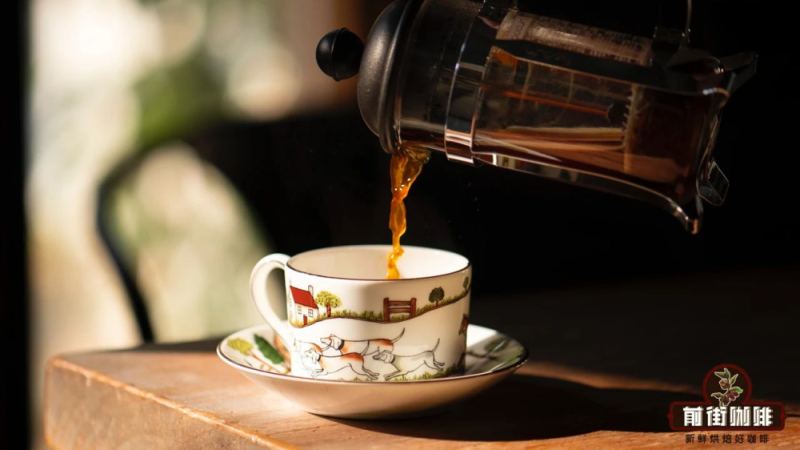
How does French press coffee brewing work?
The French press brews by immersion, so it keeps more of the coffee's original flavors and delivers a full-bodied cup without complex technique. A heat-resistant glass body and a metal filter mesh with a plunger rod are all it needs, which makes it one of the easier coffee brewing tools to use at home for beginners and experienced drinkers alike.
The device first appeared in France in 1850 and was originally used for black tea, which is why it was called a tea press. In March 1852 a mechanical metal craftsman and a businessman jointly patented a piston-filter coffee device, and a Milan company later registered an improved version in the late 1920s.
The French press, with its ease of use and excellent ability to preserve flavor, has become the top choice for many coffee lovers at home. This brewing device, which originated in nineteenth-century France, extracts coffee through immersion, delivering a rich mouthfeel without requiring complex techniques. This article will take you through the history of the French press and share in detail an iced coffee recipe recommended by Front Street Coffee—using Divider Estate Geisha beans, paired with a specific coffee-to-water ratio, water temperature, and staged immersion times, to ultimately achieve a refreshing iced coffee bursting with fruity flavors. Whether you are a beginner or an advanced player, you will find practical references here.
For more specialty coffee knowledge, welcome to follow: Front Street Coffee
The French press can be considered one of the most convenient coffee brewing tools to operate in a home setting, and it is also an immersion-style extraction method that preserves the original flavors of coffee to the greatest extent. Coffee made with it can fully release a rich and full-bodied unique taste. Although its structure is not complicated and its appearance is plain and unadorned, the French press has quite a few advantages. Today Front Street will talk with everyone about its strengths and specific operating methods~
The History of the French Press
The French press first appeared in France in 1850. It consists of a heat-resistant glass body (or transparent plastic material) combined with a metal filter mesh with a plunger rod, making it a simply constructed brewing device. It was originally used to brew black tea, so it was also called a tea press.
In March 1852, a mechanical metal craftsman and a businessman jointly obtained a patent named "Piston-Filter Coffee Device." The patent document described a metal can connected to a movable rod, with holes at the bottom of the rod and a layer of flannel clamped above and below. After manually pulling the movable rod, the rod moved within the cylindrical container. The inventor wrote: "Press the pull rod all the way down, and the filtered coffee remains above the pull rod, clean and clear."
It was not until the late 1920s that a Milan company registered a patent for an improved version of the French press, and this device gradually became known to the public. In the years after obtaining the patent, the company continuously optimized the design of the French press. In 1935, they launched an improved product—a spring was added to the disc structure at the bottom of the plunger, allowing the disc to remain flush with the bottom of the container. However, the popularity of the French press in the United States went through some twists and turns: in the early 1980s, some Americans began to follow the British in using the French press, with some calling it a cafetiere and others calling it a "French piston-type coffee maker."
If you just want to simply drink a cup of coffee, the French press is a very good choice—because it uses the immersion principle and does not have high demands on brewing techniques and skills.
French Press Iced Coffee Brewing Guide
If you want to enjoy a cup of sweet-and-sour iced coffee in the hot summer, Front Street recommends choosing medium-light roasted coffee beans with a deeper degree of fermentation, such as natural, honey, or anaerobic processing. In this sharing, Front Street used the Front Street Divider Estate · Geisha coffee beans from the bean list. The iced coffee made with it has an extremely explosive fruity flavor, with particularly prominent notes of grape, passion fruit, and apricot! The extraction parameters are as follows:
Coffee dose: 30g
Coffee-to-water ratio: 1:10
Grind size: Ek43 setting 9, 85% passing through a No. 20 sieve, fine sugar-like consistency.
Extraction water temperature: 100°C
Immersion time: 9 minutes
The steps are as follows:
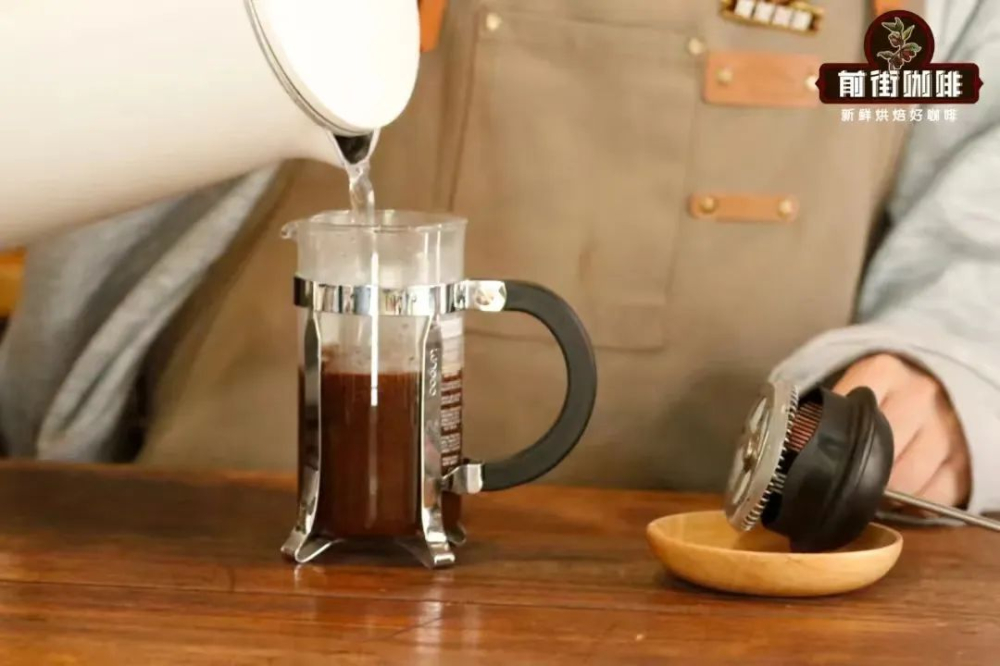
①: First, pour all the coffee grounds and an appropriate amount of hot water into the French press, and stir about 10 circles with any tool. Then start timing and let it sit for four minutes.
②: After four minutes, use any tool to push the coffee grounds floating on the surface into the water, and then wait again! This time the waiting period is five minutes.
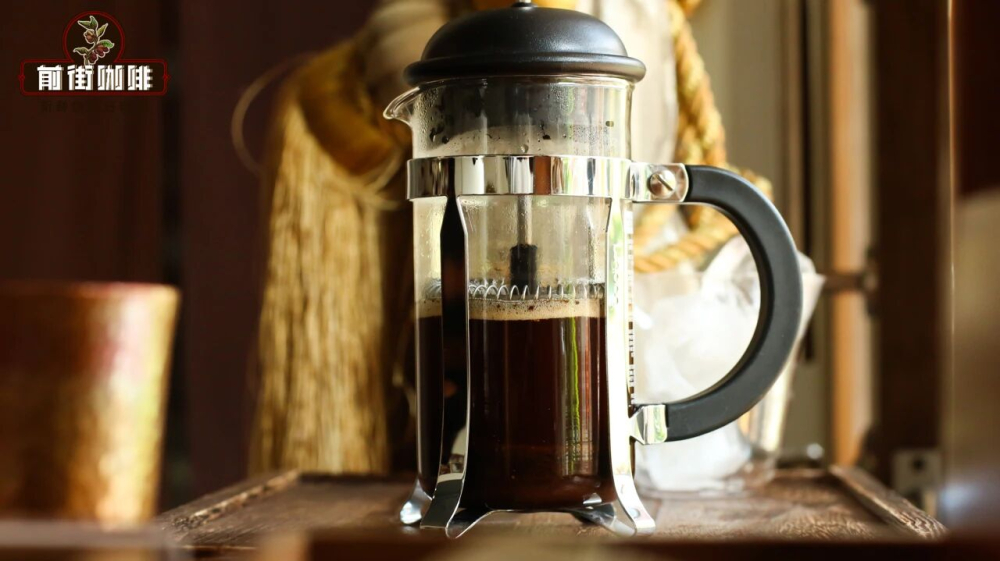
③: After five minutes, put the lid on the French press and push the filter mesh down to the surface of the coffee liquid.
④: After completing the above steps, take a cup filled with ice cubes (here Front Street used 120g of ice cubes), then slowly pour the coffee over the ice cubes. This is to reduce the fine grounds poured out and avoid an overly rough mouthfeel.
When the coffee is almost fully poured out, finally stir once more with any tool, and you can begin enjoying a rich, delicious, refreshing, heat-relieving iced coffee~
For more specialty coffee knowledge, welcome to follow: Front Street Coffee
The above content is compiled by CoffeeHunters, a coffee news website.


