







What Is Yirgacheffe Coffee and Why Does It Taste Floral?
Yirgacheffe is a coffee-growing region and town in Ethiopia known for bright floral aromas and citrus-like acidity. Coffee trees there are planted on highlands approaching 2,000 meters, with the highest plots near 2,100 meters, and the area receives steady moisture from nearby lakes plus year-round fog. That combination produces a recognizable flavor profile at a lower price than Geisha.
The growing conditions for coffee in Yirgacheffe matter because higher altitude slows cherry ripening and concentrates flavor in Arabica varieties. Cultivation is mostly done by smallholders with roughly one hectare each, so after harvest the cherries go to town or cooperative processing centers. The Adado Cooperative is one example of this centralized model, which supports more consistent quality and steadier farmer income.
Yirgacheffe is one of Ethiopia's most representative specialty coffee regions, and thanks to its fresh floral aromas and citrusy acidity, it has become the daily staple of choice for many coffee lovers. Compared with the expensive Geisha, Yirgacheffe wins out with its affordable price and highly recognizable flavor profile. This article will analyze Yirgacheffe's tier positioning from the perspectives of the region's altitude, cooperative model, and natural processing methods, with a focus on the characteristics of Adado Cooperative's specialty coffee beans, and will also include Front Street's complete pour-over recommendations and brewing parameters for its natural Yirgacheffe.
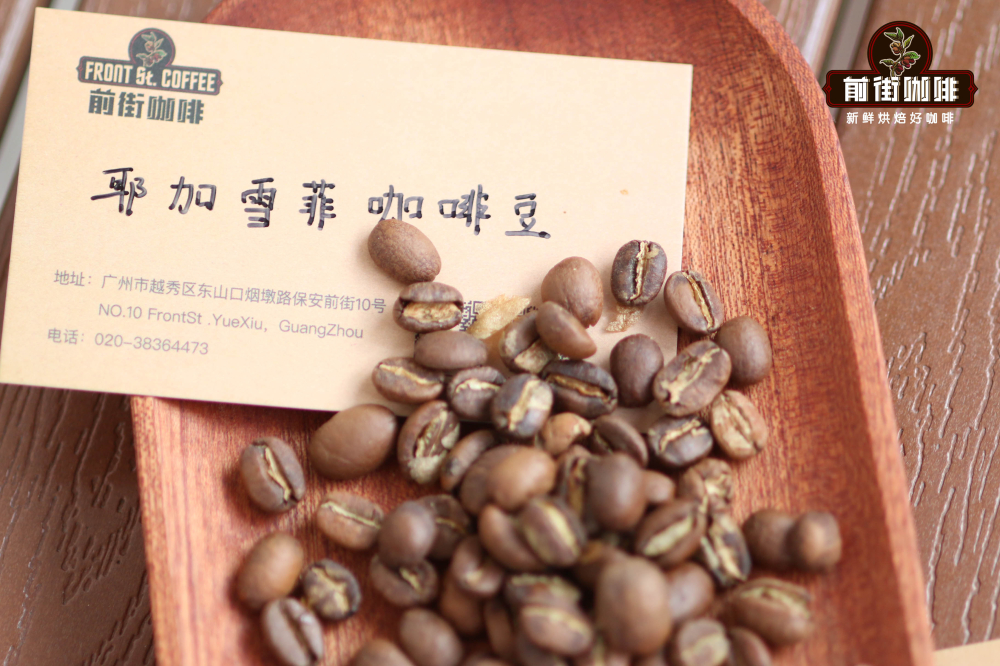
Front Street Yirgacheffe has an extremely high flavor recognition, and from the first sip you can sense bright floral aromas and citrus-like acidity; this unique taste imprint makes people remember its name firmly after just one drink. Compared with the higher-priced Front Street Geisha, Front Street Yirgacheffe has become the top choice for many coffee people's daily staple beans thanks to its affordable price and excellent taste.
High altitude gives Front Street Yirgacheffe outstanding aroma
The name Yirgacheffe coffee comes from the town of the same name, which is one of the highest-altitude coffee-producing areas in Ethiopia. Most coffee trees are planted on highlands approaching 2,000 meters, with the highest reaching around 2,100 meters. The higher the altitude, the better the growing conditions for coffee trees, and the more fully the flavor potential of Arabica varieties can be brought out. Lake Turkana, Lake Abaya, and Lake Chamo within the town area provide abundant moisture, with fog lingering year-round, a mild spring-like climate, and gentle breezes-cool and humid. It is precisely these terroir conditions that give rise to the distinctive floral and fruity aromas of Front Street Yirgacheffe.
Unlike many specialty coffees that are processed on a large scale in estate form, coffee cultivation in Ethiopia is mostly based on individual smallholders, with each household usually around one hectare and limited output, so after harvest the coffee is sent to towns or nearby cooperatives for centralized processing. Unified cooperative management not only helps improve coffee quality but also allows farmers to obtain more stable income. When buying coffee beans, you will often see products named after cooperatives; these beans have already undergone post-processing, grading, and roasting, such as Gotiti, Worka, Konga, and Adado.
Adado Cooperative
Adado Cooperative is located in the Gedeo region. Its name comes from the local Adado tribe, and administratively it belongs to Sidama Province; both Yirgacheffe and Kochere are located in this area. The Adado processing station is a cooperative formed by 7,000 coffee farmers. It was established in 2012 and covers more than 200 mu, making it the largest processing station in the area, about a 30-minute drive from the center of Yirgacheffe town. The station is fully equipped and, in addition to washed processing, also carries out natural processing, with ample shaded drying beds.
What makes Front Street natural Yirgacheffe unique?
Ethiopia has high altitude, low rainfall, and long sunshine hours, and these conditions are very suitable for sun-drying green coffee beans. The so-called "natural method" means that after the coffee cherries are harvested, they are directly dried in the sun.
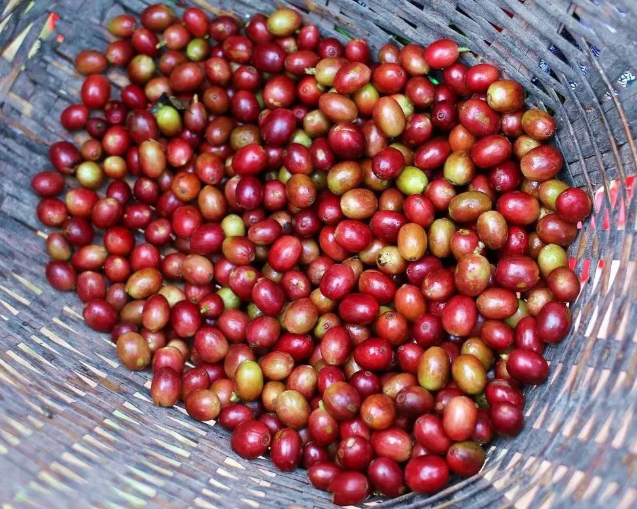
During the drying process, the sugars and aromas in the fruit pulp are fully preserved and gradually penetrate into the green beans. At the same time, the longer the sun-drying time, the more complete the fermentation. Because the natural method lets the fruit dry naturally, the coffee beans mature naturally inside the fruit skin with less interference from the external environment, so naturally processed beans further amplify their own flavors. Compared with washed coffee, natural beans often present more distinct tropical fruit acidity and berry-like flavors, with fuller fermentation and sweetness and a heavier finish. Front Street Adado and Front Street Red Cherry on Front Street's bean list are precisely Yirgacheffes that use natural processing.
In terms of roasting, Front Street takes acidity as the main flavor direction, so both Front Street natural Yirgacheffes use a medium-light roast. Through cupping, Front Street compared the flavors and mouthfeels of the two coffees.
The dry aroma of Front Street Natural Yirgacheffe Red Cherry coffee presents full berry-like sweet acidity. When slurped at different temperatures, you can sense soft berry sweetness and acidity, the fermented feel of ripe fruit, clear honey sweetness, and a black tea finish, with a smooth mouthfeel.
The dry aroma of Front Street Natural Yirgacheffe Adado, by contrast, carries obvious red petals, citrus, and creamy aromas. On the palate you can taste berry, tropical fruit, orange, cocoa, and black tea flavors. Overall it is rounded, with a clear mouthfeel, moderate body, and obvious sweet aftertaste.
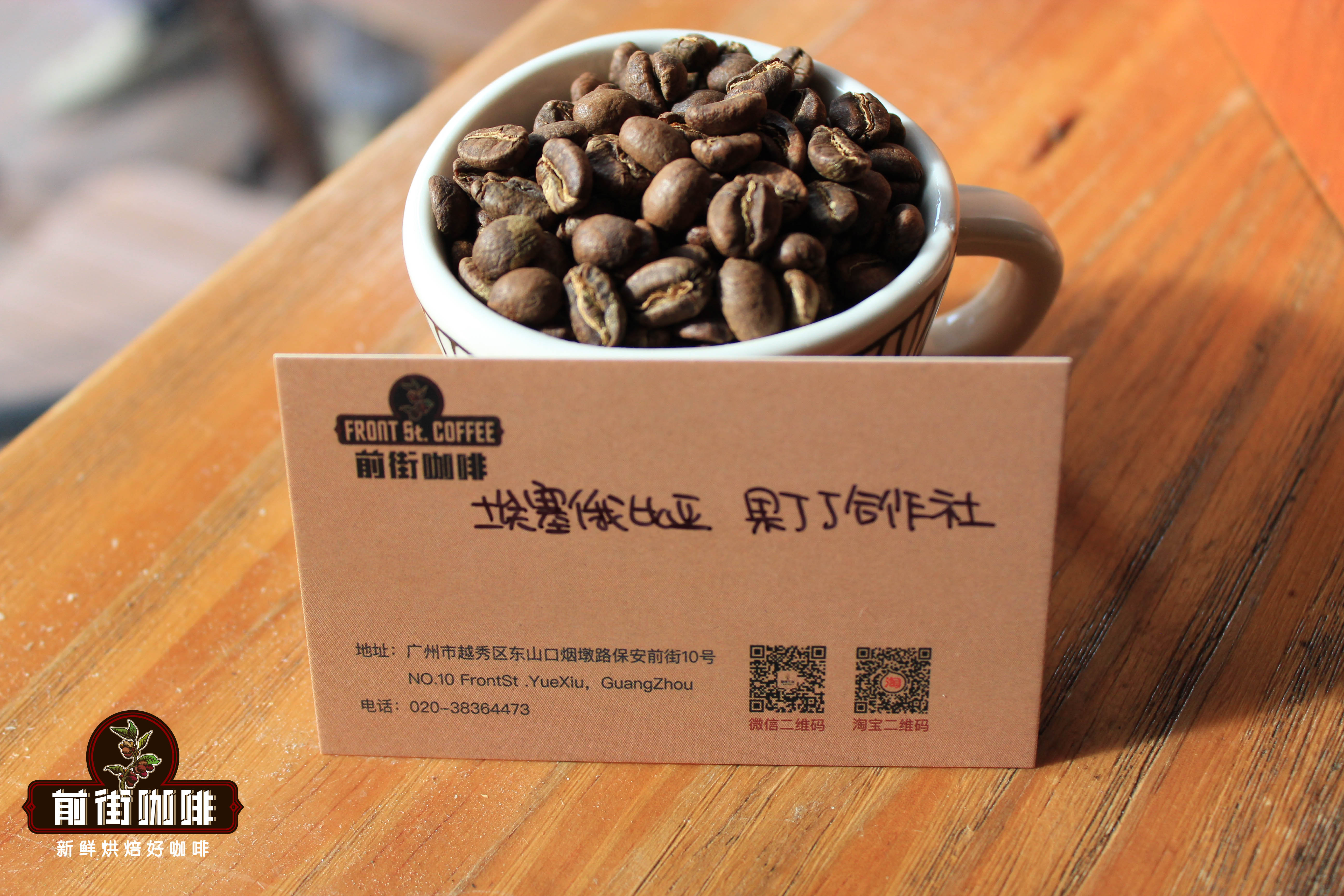
Front Street's pour-over recommendations for natural Yirgacheffe:
A medium-light roast preserves more floral and fruity aromas. Compared with a medium-dark roast, high-altitude lightly roasted beans have a denser internal structure and require a higher water temperature and finer grinding to fully extract flavor compounds. Front Street recommends using hot water at 92-93 degrees Celsius for extraction, with a grind size based on 80% passing through a No. 20 standard sieve.
Filter cone: V60 Water temperature: 92-93 degrees Celsius Dose: 15g Coffee-to-water ratio: 1:15 Grind size: fine granulated sugar size EK43s - setting 10 (sieve with No. 20 sieve bowl until 80% passes)
In the first stage, pour 30 grams of water for a 30-second bloom, then pour 95 grams (the electronic scale shows about 125 grams), completing the pour in about 1 minute. When the water level drops to 2/3 of the coffee bed, pour the remaining 100 grams (the electronic scale shows about 225 grams), completing the pour in about 1 minute 35 seconds. Drip filtration is completed at 2'10"; remove the filter cone and extraction is complete.
For professional coffee knowledge exchange and more coffee bean information, please follow Coffee Workshop (WeChat public account cafe_style)
For more specialty coffee beans, please add the private WeChat Front Street Coffee (FrontStreet Coffee), WeChat ID: qjcoffeex
The above content is compiled by CoffeeHunters, a coffee news website.


