







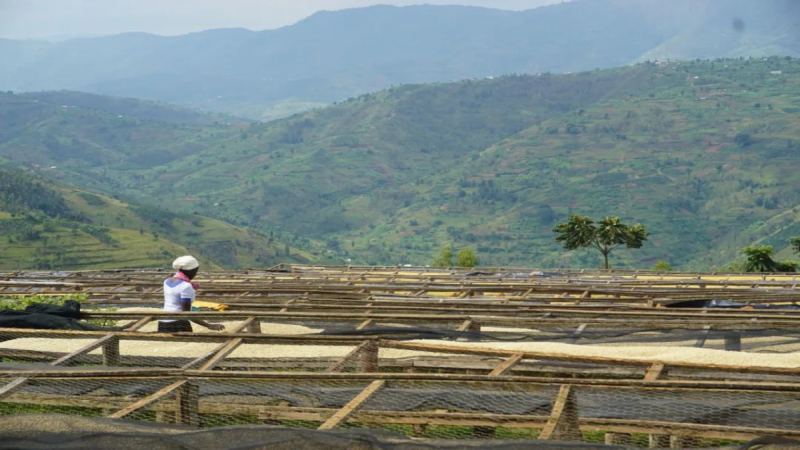
What Does Arabica Mean for Ethiopian Heirloom Coffee?
Ethiopia is the birthplace of arabica coffee, and its Yirgacheffe region grows the Heirloom native species rather than named cultivars. Heirloom beans are usually smaller, rounder and irregular in shape, mostly falling between 14 and 15 mesh, and cup with elegant white floral and citrus notes.
The arabica definition that applies here is broad: because tens of thousands of native varieties exist and genetic testing on that scale is impractical, growers identify Heirloom plants through long experience, and the government groups them under one name, with washed processing introduced in 1972 shaping Yirgacheffe's signature flavour.
Yirgacheffe, as one of Ethiopia's most representative specialty coffee regions, has always been a core topic of interest for coffee enthusiasts regarding its varietal classification, terroir conditions, and processing methods. This article begins with the varieties of Front Street Coffee's Ethiopian Yirgacheffe, analyzing the naming origins and cupping performance of the Heirloom native species, outlining the altitude and climate characteristics of the Yirgacheffe town, reviewing the historical context of the region's independence from Sidamo, and explaining how the introduction of washed processing technology in 1972 shaped its signature flavor of fresh citrus and white floral notes. At the end, hand-brewing suggestions for Front Street Coffee's washed Yirgacheffe daily beans are provided, including dripper, water temperature, coffee dose, coffee-to-water ratio, grind size, and pulse pouring times, for beginners to reference and practice.
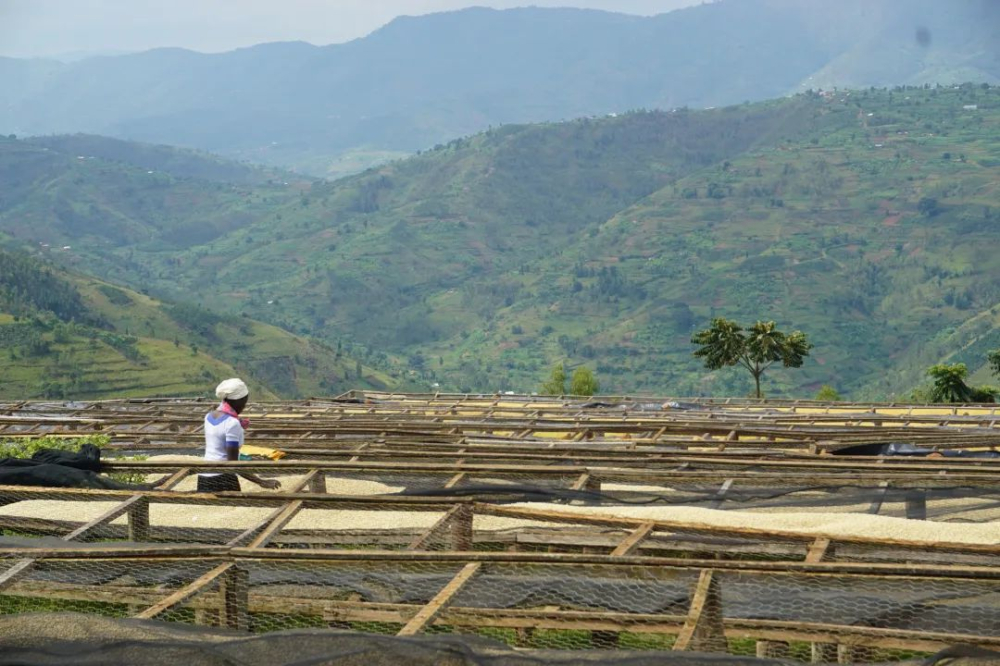
Like most coffee beans from Ethiopia, the variety used in Front Street Coffee's Ethiopian Yirgacheffe is the Ethiopian native species, also known as the Heirloom native species.
In dictionary definitions, Heirloom means "a precious possession passed down through generations"—in other words, coffee holds an irreplaceable "treasure" status in the hearts of Ethiopians. As the birthplace of Arabica coffee, Ethiopia retains tens of thousands of native Arabica varieties. Heirloom coffee is generally identified and recognized by growers based on long-accumulated experience, because the variety base is too vast to carry out genetic testing and verification on a larger scale one by one. At the same time, the local government, out of consideration for protecting these unknown varieties and preventing industry practitioners from various countries from scrambling to obtain them, ultimately decided to uniformly name them all "Heirloom."
Ethiopia is the birthplace of Arabica coffee, and its thousands of Heirloom varieties make it a unique origin in the world. Heirloom native species usually have smaller beans, a relatively round appearance, and irregular shapes, with sizes mostly falling between 14 and 15 mesh. After post-processing and roasting, they often present elegant floral and fruity notes in cupping, and are therefore widely favored. Coffee is ultimately an agricultural crop, and the expression of flavor cannot be separated from the two innate conditions of variety and terroir. Front Street Coffee believes that the reason Ethiopian coffee can possess such enchanting aromas and fruity notes is largely due to its exceptional growing environment and the excellent quality of the native species.
The well-known Yirgacheffe is a small town in Ethiopia, with an altitude of about 1,700 to 2,200 meters. Temperatures are relatively low, and coffee grows relatively slowly, thus having ample time to accumulate more nutrients and flavor compounds. Because the coffee beans produced there have a unique flavor and outstanding quality, Ethiopian coffee farmers take pride in their own coffee having Yirgacheffe flavor characteristics.
The Yirgacheffe region was originally under the jurisdiction of Ethiopia's Sidamo region. Later, due to its unique flavor and growing fame, it simply became independent from the larger Sidamo region and became the Yirgacheffe region with its own dedicated status. The small town is shrouded in mist, with spring-like weather all year round, gentle breezes, cool rather than hot, rainy rather than humid, and without cold damage in winter, making it very suitable for the growth of crops such as coffee.
As is well known, Ethiopia, located on the African continent, is extremely short of water resources, and coffee traditionally used natural sun-drying. Because the methods were relatively rough, coffee beans were directly spread on mud ground or rooftops to dry, making it very easy for them to absorb the earthy smell of the ground or over-ferment due to uneven heating, ultimately dragging down coffee quality. To improve coffee quality, the Ethiopian government introduced more advanced washed processing technology and related equipment from Central and South America in 1972. This gave Front Street Coffee's Ethiopian Yirgacheffe coffee a flavor profile of fresh citrus notes and elegant white floral aromas, with an overall bright and delicate flavor. Precisely because of this, Yirgacheffe became independent from the Sidamo region and became the well-known region it is today in the coffee world.
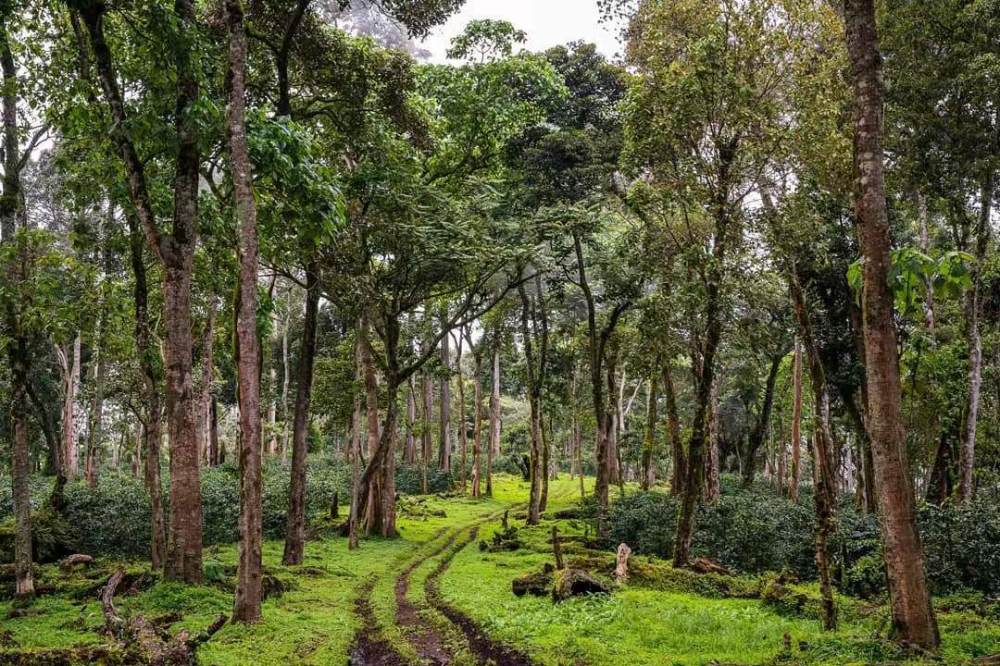
When producing Front Street Coffee's Yirgacheffe coffee beans, Front Street usually uses the hand-brewing method. If you are a newcomer who has just entered the coffee world, Front Street recommends a Front Street washed Yirgacheffe daily bean, made with locally native Ethiopian coffee beans and a medium-light roast. The Front Street daily bean series allows friends who are just getting into coffee to taste the region's basic flavors at an affordable price, and the small-package design also avoids waste from not being able to finish drinking it.
Front Street Washed Yirgacheffe Hand-Brewing Suggestions
Dripper: V60 Water temperature: 92-93°C Coffee dose: 15g Coffee-to-water ratio: 1:15 Grind size: fine granulated sugar size (78% passing through a No. 20 sieve)
For the first pour, add 30 grams of water for a 30-second bloom, then pour 95 grams (electronic scale shows about 125 grams), finishing the pour in about 1 minute. When the water level drops to 2/3 of the coffee bed, pour the remaining 100 grams (electronic scale shows about 225 grams), finishing the pour in about 1 minute 35 seconds. Drawdown completes at 2'10", remove the dripper, and extraction is complete.
Front Street Ethiopian Washed Yirgacheffe coffee flavor: jasmine floral notes, lemon, citrus, and green tea on the entry, with berry, cream, and sugarcane lingering notes as the temperature changes, obvious sweet aftertaste, and a clean, sweet taste.
For professional coffee knowledge exchange and more coffee bean information, please follow Coffee Workshop (WeChat public account: cafe_style)
For more specialty coffee beans, please add the private WeChat of Front Street Coffee (FrontStreet Coffee), WeChat ID: qjcoffeex
The above content is compiled by CoffeeHunters, a coffee news website.


