







How Does a Moka Pot Brew Coffee, and What Beans Fit It?
A moka pot makes a strong, espresso-like coffee by pushing pressurized hot water up through a bed of ground coffee. Dark-roasted beans suit it because their lower acidity and fuller body hold up to the brew's heat and pressure, while a grind slightly coarser than espresso keeps the flow steady and avoids a bitter, scorched cup.
The device was designed and built by the Italian Alfonso Bialetti in 1933, and the bialetti moka pot still dominates the market. Fill the base with water to the valve, load the basket level without tamping, and set the pot on moderate heat with the lid open so the extraction can be watched and stopped when the flow turns pale.
Want to easily make a rich espresso at home? The moka pot is an extremely cost-effective choice. But this seemingly simple device—from choosing the roast level of the coffee beans and controlling the grind size, to the heating intensity and whether to add a filter paper—every step affects the final flavor performance. This article will start from the structure and extraction principle of the moka pot, explain why dark-roasted beans are more suitable for the moka pot, recommend several matching bean lists from Front Street Coffee, and then gradually break down the operation process and precautions. Whether you are a beginner who just got a moka pot or an enthusiast who wants to refine your skills, you can find practical references here.
As everyone's understanding of coffee continues to deepen, the demand for quality naturally rises as well. In the past, people were used to going to a café to order a cup, but now more and more people choose to buy coffee beans and brew at home themselves. In addition to grinders, various coffee equipment has also emerged endlessly, and everyone's attention to and research on extraction methods has become increasingly in-depth. So, how do you make a classic drink like espresso with a moka pot?
First, let's get to know what kind of device the moka pot actually is.
The moka pot is a simple tool used to make espresso and is very common in European households. Its working principle is to use pressurized hot water to quickly pass through the coffee powder layer, thereby extracting coffee liquid. The earliest moka pot was designed and manufactured by the Italian Alfonso Bialetti in 1933. The Bialetti company he founded has always been famous worldwide for producing this kind of coffee pot, and the Bialetti moka pot also occupies half of the entire moka pot market.
What kind of coffee beans are suitable for the moka pot?
There are many kinds of coffee beans, with roast levels ranging from light to dark. Which kind of beans actually makes better-tasting espresso? The flavor of coffee first depends on the choice of beans. For people making coffee in China, beans are a very key factor—production region, variety, and roast level all require careful consideration. But abroad, many people buy coffee beans or ground coffee from supermarket shelves, and they value brand, scope of use, and flavor description more.
Some people will ask, can't you also make espresso with light-roasted beans in a moka pot, so why must you use dark roast? Front Street Coffee tells everyone: in fact, both light-roasted and dark-roasted beans can be used to make espresso, it's just that the taste direction is different. Espresso made with light-roasted beans may taste more sour, while espresso usually needs to be thicker to have that feel; dark-roasted beans have low acidity and prominent chocolate flavors, and the espresso made from them tastes richer and smoother.
In other words, the coffee brewed by a moka pot has a thicker taste, and deeply roasted beans can better express that rich, full-bodied feel. What we often call espresso crema is actually composed of countless tiny carbon dioxide bubbles, and dark-roasted coffee beans contain more carbon dioxide. When brewing dark-roasted beans by pour-over, during the blooming stage you can see very active degassing of the coffee grounds.
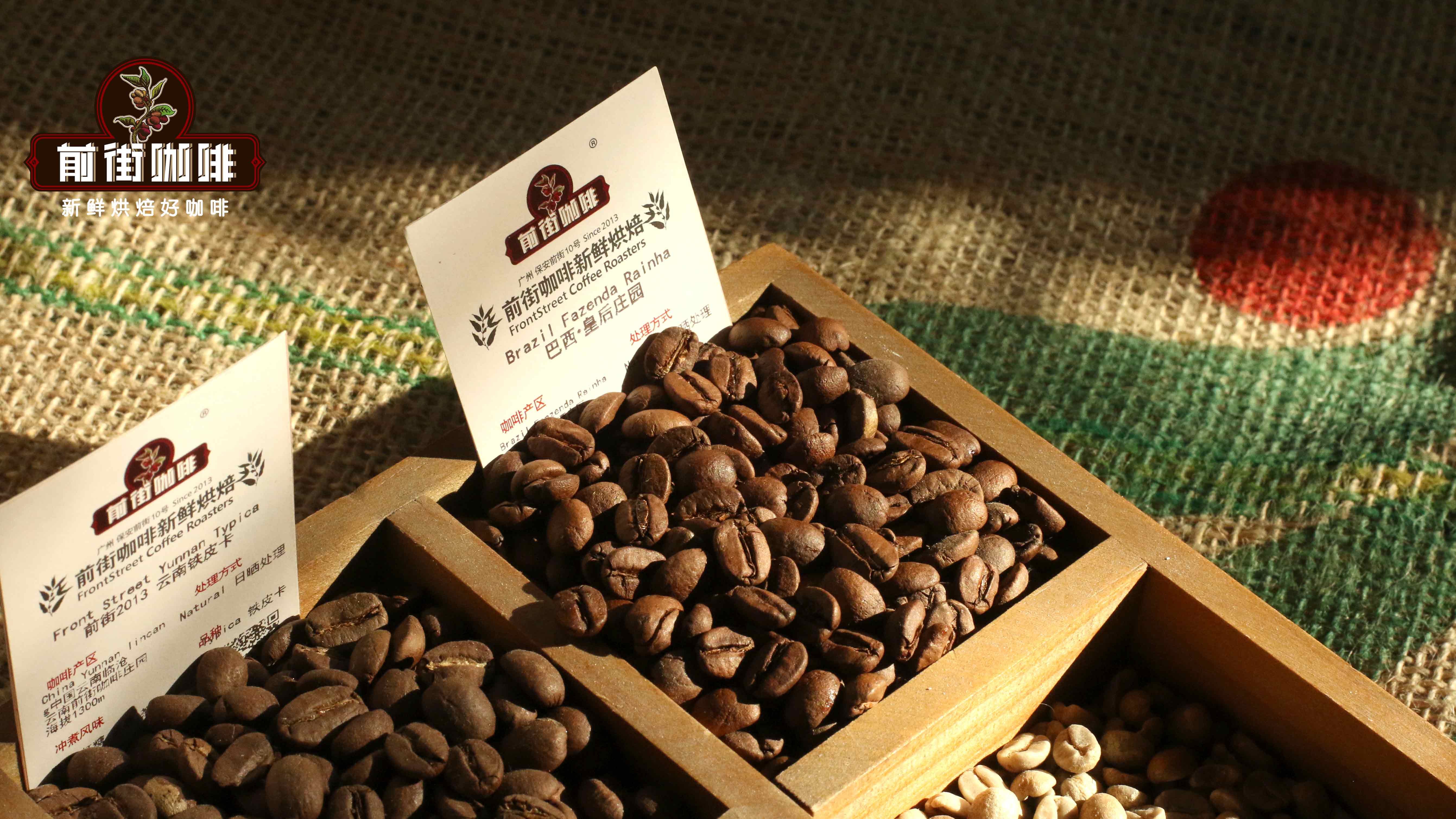
Many people's expectations for what a moka pot produces are mostly rich aroma, full body, and abundant crema. Therefore, the moka pot is suitable for brewing coffee beans with a darker roast level. If you prefer a rich nutty profile, buying Front Street Coffee. Brazil Queen's Estate sun-dried Yellow Bourbon coffee beans is definitely the right choice. Because Yellow Bourbon has a thicker pectin layer, its sweetness is more prominent. And during the sun-dried processing, the complete skin and pulp must be retained, allowing more sugary substances to penetrate into the green coffee beans.
If you want stable extraction, Front Street Coffee recommends using espresso blend coffee beans. Buy Front Street Coffee. Premium Blend, which uses Brazilian and Colombian coffee beans to blend a clean and balanced nutty chocolate flavor, suitable for espresso machines and moka pots.

Of course, Front Street Coffee thinks that if you like a floral and fruity aroma with a slightly sour feeling, then you might as well try Front Street Coffee. Strawberry Candy Espresso Blend. This is a blend based on two major origins: Front Street Coffee Costa Rica Tarrazu, famous for its honey processing, and Ethiopia, the birthplace of coffee. On this basis, with the addition of the Colombia Huila region, the moka pot espresso created this way is not only not harsh, but also has good crema and a velvety texture, while also having a sweet-and-sour taste like strawberry gummies.
The structure and extraction principle of the moka pot
As everyone's love for coffee grows, many people want to use their leisure time to make an espresso at home, but not everyone has an espresso machine at home, and as a brewing tool, the moka pot is the most economical and affordable choice.
The moka pot consists of three parts: the upper chamber, the filter basket, and the lower base. The lower chamber is the water container, the filter basket is used to hold more finely ground coffee, and the upper chamber is used to collect the extracted coffee liquid. The principle of coffee extraction in a moka pot is not complicated: it uses the steam pressure generated in the lower chamber. When the pressure is strong enough to penetrate the coffee powder layer, the hot water is pushed up into the upper chamber, brewing rich and aromatic coffee.
The coarseness of coffee grounds for a moka pot
We know that pour-over coffee requires grinding beans into powder, and different grind sizes are used for beans with different roast levels. So how fine should the coffee grounds for a moka pot be? Front Street Coffee believes: a particle size of about 0.3-0.55mm is more suitable. So how do you judge the coarseness of the grounds?
Front Street Coffee thinks this is not difficult. The first method is to buy a particle size ruler, or directly buy moka pot-specific ground coffee as a reference; the second method is through repeated adjustment. After trying three to five times, you can basically figure out the pattern. If the grounds are too coarse, the coffee liquid will quickly spurt out, and may even be like a fountain; if the grounds are too fine, you will hear the humming sound of boiling water, but the coffee liquid will not come up for a long time, which means it is too fine, and it is recommended to turn off the heat immediately. However, when doing this kind of adjustment, you must take safety precautions.
Does a moka pot need filter paper?
We know pour-over coffee must use filter paper, so does a moka pot also need it? In fact, Front Street Coffee suggests adding a piece of filter paper when brewing coffee with a moka pot, because coffee brewed with a moka pot usually contains a small amount of fine powder, and when you drink to the bottom of the cup there is a gritty feeling, and some people do not quite like this mouthfeel. For the filter paper, you can buy the round filter paper sold on the market (also called disc-shaped filter paper), or you can cut pour-over filter paper yourself to use, and the effect is good either way. You can put the coffee grounds into the filter basket, then place the filter paper on top of the coffee grounds, or stick it to the bottom of the upper chamber, either way. The coffee brewed this way will be filtered through the filter paper, and the mouthfeel will become noticeably clearer. You can compare whether there is a big difference in taste between adding filter paper and not adding it.
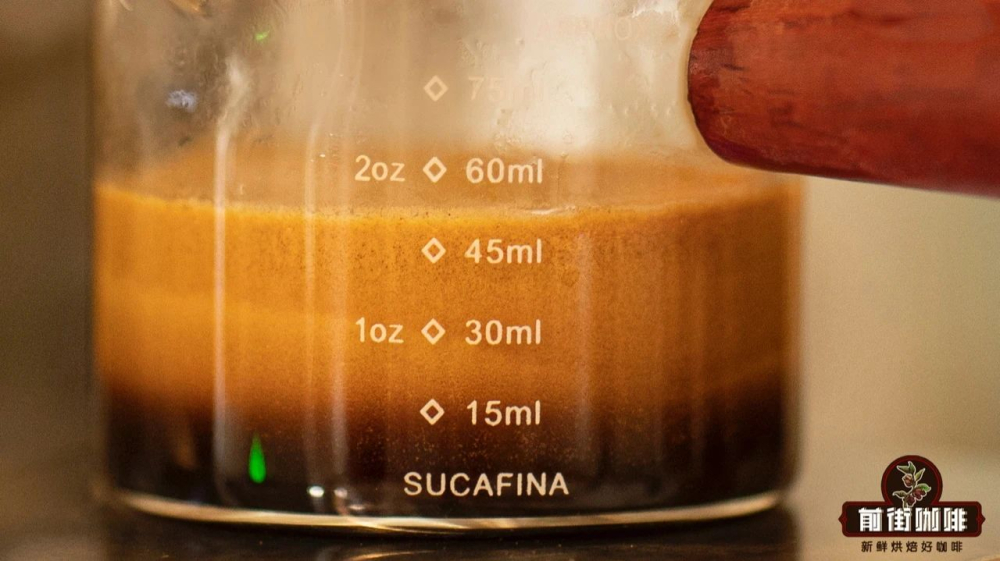
In addition, if you want to slightly adjust the fruit acidity of the brewed coffee, Front Street Coffee suggests using two layers of filter paper, which can slightly reduce the sourness and turn it into a fuller mouthfeel. The operation is also very convenient and simple.
Precautions when Front Street Coffee uses a moka pot
When using a moka pot to make coffee, Front Street Coffee suggests: when filling the lower chamber with water, special attention must be paid that the water level cannot exceed the position of the pressure relief valve. In addition, the moka pot relies on heating the lower chamber to generate steam, thereby pushing the hot water upward. Because of the pressure relationship, when using a moka pot to brew coffee, attention must be paid to controlling the heat level and grind size.
As the saying goes, choosing the right coffee beans already means more than half the success. Here we need to target Front Street Coffee. Front Street Classic Blend, a must-buy for moka pot beginners.
This is a coffee that has both the wild aroma of Mandheling and the smooth mouthfeel of Brazilian beans, creating a complementary and harmonious effect in taste. Front Street Classic Espresso Blend adds Robusta on the basis of the Mamba recipe, fully enhancing the coffee's crema and making the body of the espresso stronger. It is suitable for home preparation and for latte art.
There are several heating methods for brewing coffee with a moka pot: electric ceramic stove, induction cooker, and open flame. The first two are the most convenient; when using them, just adjust the high and low settings. If using a natural gas open flame for heating, you need to maintain medium-low heat and observe throughout to avoid the pot body tipping over.
Steps for Front Street Coffee to make a cup of espresso with a moka pot:
1. Pour purified water into the lower chamber of the moka pot, with the water level about 0.5cm below the pressure relief valve.
2. Choose a grind size slightly coarser than espresso. You can refer to the size of the gaps in the filter screen of the basket to ensure the coffee particles will not fall down into the lower chamber. Slowly pour the coffee grounds into the basket, tap gently to distribute the coffee grounds evenly, and when the coffee grounds form a small hill shape, level the coffee surface by distributing the grounds. Filling the basket with grounds is to avoid extracting undesirable defective flavors. Because the closer the density of the coffee grounds in the basket, the more it avoids causing some coffee grounds to be over-extracted or some to be under-extracted, leading to uneven flavor or a bitter taste.
3. Put the basket into the lower chamber, tighten the upper and lower parts of the moka pot, and place it on the electric ceramic stove to heat over high heat.
4. When the moka pot rises to a certain temperature, when you hear the obvious "humming" sound from the moka pot, set the electric ceramic stove to low heat and open the lid of the upper chamber.
5. When half of the coffee liquid has come out into the upper chamber, turn off the electric ceramic stove. The residual heat and pressure of the moka pot will "push" the remaining coffee liquid into the upper chamber.
6. When all the coffee liquid has been extracted into the upper chamber, you can pour it into a cup and taste it. Coffee extracted with a moka pot is very rich, and can even extract Crema. You can also mix it with an appropriate amount of water or milk for an even better flavor!
The above content is compiled by CoffeeHunters, a coffee news website.


