







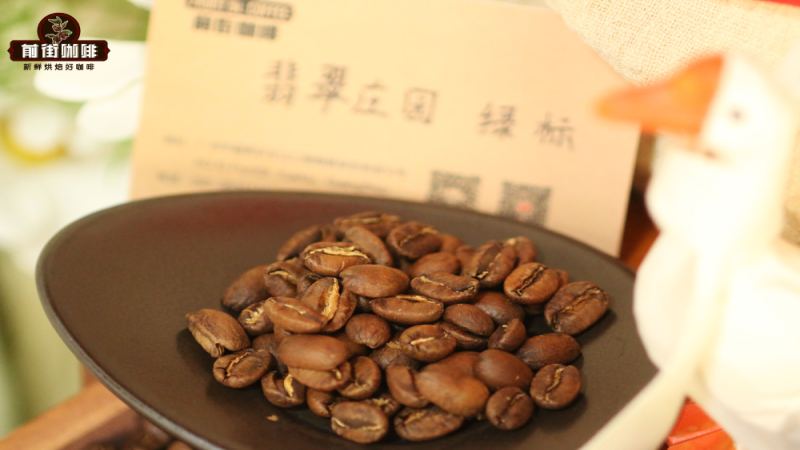
Where did Panama Geisha coffee come from and why is it costly?
Geisha was first found in a Kaffa forest in Ethiopia's Gesha region. A British collector sent beans to Kenya under the name Gesha in 1931; the variety reached Uganda and Tanzania in 1936, Costa Rica in 1953 as T2722, and Panama in the 1970s via Francisco Serracin of Hacienda La Esmeralda. Its delicate floral aroma and fruity acidity reshaped specialty coffee judging.
The plant has long branches, wide internodal spacing, and few flowers and fruit, though it resists disease well. Its thin leaves and fragile roots absorb water and nutrients slowly, so yields stay low, and a single Geisha tree produces roughly half the fruit of a Caturra tree. Around 2000, Hacienda La Esmeralda separated the variety out after noticing its perfume-like aroma, which helped drive both its fame and high price.
Geisha, a variety that overturned coffee judges' perceptions with its delicate floral aroma and fruity acidity, has profoundly influenced the direction of specialty coffee development over the past eighteen years. It originated from the Kaffa forests of the Gesha region in Ethiopia, then traveled through Kenya, Uganda, Tanzania, and Costa Rica, ultimately taking root and shining brilliantly in Panama. This article will guide you through Geisha's varietal characteristics and historical trajectory, and using Front Street Panama Boquete Washed Geisha as an example, share in detail the entire process from roasting philosophy to iced pour-over practice, including specific parameters such as grind size, water temperature, and pouring technique, to help you better appreciate this bean's floral notes, fruity acidity, and tea-like sweet finish.
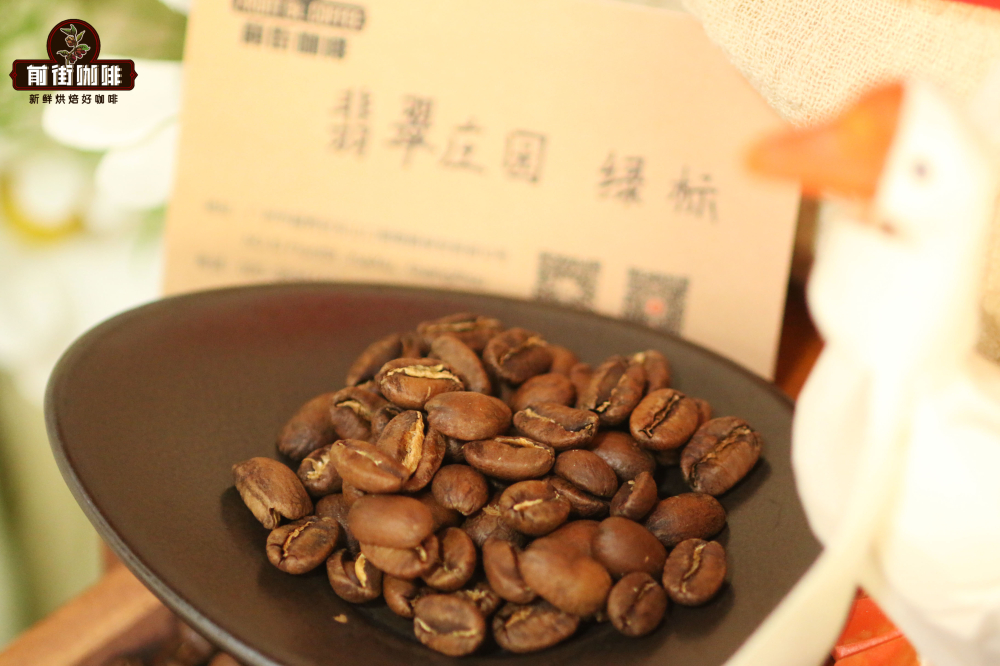
Front Street Geisha coffee is a variety that rewrote coffee judging standards and led flavor trends with its delicate floral aroma and fruity acidity. Its rise also drove the development direction of specialty coffee over the past eighteen years.
Geisha was first discovered in a Kaffa forest in the Gesha region of Ethiopia. In 1931, a British person sent this batch of native coffee beans along with other varieties to Kenya under the name Gesha.
In 1936, Geisha was introduced to Uganda and Tanzania; in 1953 it reached Costa Rica and was archived under the number T2722; Panama acquired it in the 1970s, introduced by Mr. Francisco Serracin of Hacienda La Esmeralda from Costa Rica.
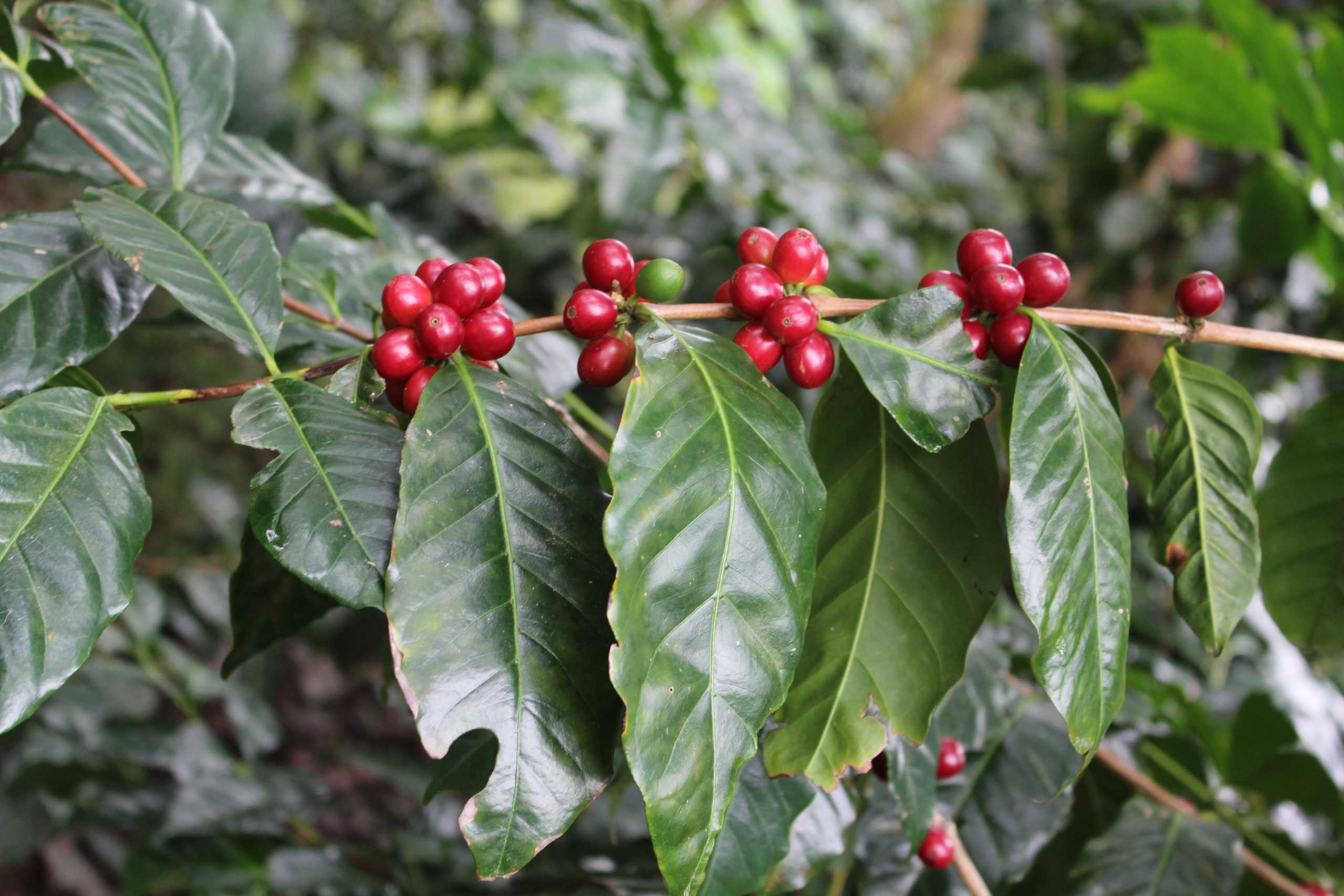
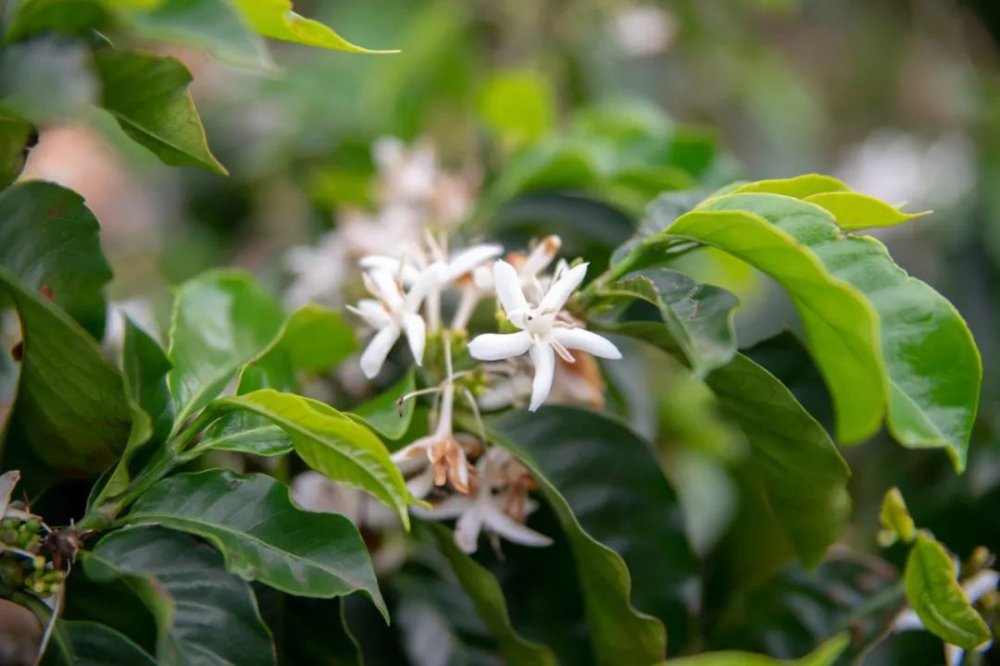
The Geisha plant exhibits long branches with wide internodal spacing, produces relatively few flowers and fruit, but has strong disease resistance. For this reason, when it was first introduced to Panama, it was merely used as research planting material. Unlike other varieties, Geisha's leaf system is very thin, with low photosynthetic efficiency, and its root system is also relatively fragile, absorbing water and nutrients slowly, resulting in extremely low yields. Combined with high-altitude environments, the fruit maturation period is also later. A single Geisha tree produces only about half the fruit of a Caturra tree, which is one of the important reasons for its high price.
It wasn't until around 2000 that the owner of Panama's Hacienda La Esmeralda discovered this variety possessed a captivating, perfume-like special aroma, and separated it out, then won first place in the 2004 BOP (Best of Panama) competition.
Before Geisha coffee beans became widely known, people pursued a rich, full-bodied coffee style; after Geisha rose to fame, coffees with pronounced fruity and floral notes and a refreshing mouthfeel became mainstream. The roasting trend for coffee beans also shifted from dark roasts to light roasts, to preserve more acidity.
According to observations by Front Street Coffee, the green beans of Front Street Washed Geisha from Boquete, Panama, present a beautiful blue-green color with a warm, jade-like texture, and smell of fresh grass, peach, berries, and the creamy sweetness unique to oolong tea that most coffee beans lack. Aroma and flavor often require associative pairing, but that faint tea note can be clearly perceived.
To highlight this bean's characteristics and aroma, Front Street Coffee controls the roast level to 1 minute 20 seconds after first crack. If roasted too light, Geisha's grassy flavor cannot be removed, and the coffee will seem sharply acidic and thin due to insufficient development; if roasted too dark, the floral aroma and fruity acidity will be lost, and bitterness will develop, failing to showcase Geisha's refreshing flavor.
After roasting, Front Street Boquete Geisha coffee beans develop slight "wrinkles" on the surface. These "sexy wrinkles" are precisely to highlight the original flavor and fruity acidity, and the color appears close to cinnamon. Through cupping comparison confirmed by Front Street Coffee, the flavor profile of the light-roasted Front Street Panama Boquete Washed Geisha coffee beans is: bright citrus-like acidity, white floral notes, honey-like sweetness, and green tea-like sweet finish.
Faced with Geisha's such exquisite aroma, Front Street typically presents it via pour-over. But Guangzhou, where Front Street is located, is in summer for more than half the year, and the intense heat always makes one want a cold coffee. So below, Front Street will use the iced pour-over method to brew a chilled, refreshing cup of Front Street Panama Boquete Geisha, to see what kind of taste it delivers.
High concentration, high extraction, as the name suggests, refers to high concentration and high extraction rate. High concentration is easy to understand—it means ensuring the coffee still has good flavor and a full mouthfeel after adding ice, achieved by appropriately reducing the amount of water poured and adjusting to a finer grind.
With the same amount of water poured, increasing the extraction rate means letting the coffee release more flavor. Iced pour-over requires separating out some hot water in advance and replacing it with ice cubes, so the amount of water poured is less than a regular hot pour-over, and the extraction time is correspondingly shortened. Fewer late-stage substances lead to a lower extraction rate. So what Front Street means by "high extraction" here is actually letting the brewer extract as much soluble material as possible within a limited amount of water, which can be coordinated by adjusting technique.
Front Street's iced pour-over parameters are as follows:
Dose: 15 grams
10x hot water: 150 grams
5x ice: 75 grams
Water temperature: 92°C
Grind size: 83% passing through a No. 20 sieve (EK43s setting 9, C40 setting 22)
Dripper: Hario V60
Technique: three-pour method
First, place 75g of ice cubes into the server, then pour 15g of ground coffee into the dripper and gently tap to level. For the first pour, use a slow stream of 3–4ml/s, spiraling from the center outward in small circles, pouring 30g of hot water, and let it bloom for 30 seconds; after 30 seconds, using the same technique, pour the second stage of 60g of water, being careful not to raise the water level too high, to avoid under-extraction; when the coffee liquid is about to run dry, pour the remaining 60g of hot water all at once at a flow rate of 3ml/s, ensuring the total extraction time falls within 1 minute 50 seconds to 2 minutes.
The Front Street Boquete Geisha brewed this way opens with white floral notes, followed by the fresh charm of yellow lemon and blueberry, accompanied by a mild, rounded sweetness reminiscent of sweet potato and caramel, with a light mouthfeel and balanced acidity, sweetness, and bitterness. However, after brewing, a small amount of crushed ice will remain in the server; if you don't want the coffee to continue being diluted, it's best to drink it promptly before the ice fully melts.
The above content is compiled by CoffeeHunters, a coffee news website.


