







Which Classic Coffee Beans Suit Beginners Starting Pour-Over?
Beginners can start pour-over with approachable single origins rather than rare lots. Seven everyday options cover a range of flavors: Ethiopia Yirgacheffe with citrus and florals, Guatemala Huehuetenango with clean fruit, Colombia Huila with nut and chocolate, Brazil Cerrado sweet and balanced, Costa Rica Tarrazu softly acidic, Indonesia Lintong Mandheling woody and spicy, and China Yunnan Baoshan with brown sugar and melon notes.
Pour-over brewing means grinding beans and pouring hot water through a coffee bed so soluble compounds dissolve, with filter paper keeping grounds out of the server. Equipment matters: a gooseneck kettle, dripper and filter paper, server, and grinder. Each bean's origin, processing method, and roast level change the cup, so huila coffee and the others behave differently as you adjust.
Want to brew a pour-over coffee yourself but don't know which beans to start with? Based on Front Street's brewing experience, this article systematically sorts out the basic principles and essential equipment of pour-over coffee, and selects seven everyday specialty coffee beans from classic origins for beginner enthusiasts. From the citrus and floral notes of Ethiopia Yirgacheffe, to the clean fruity tones of Guatemala Huehuetenango, to the nutty chocolate style of Colombia Huila, the sweet and balanced profile of Brazil Cerrado, the soft acidity of Costa Rica Tarrazu, the woody spice aroma of Indonesia Lintong Mandheling, and the brown sugar and melon sweetness of China Yunnan Baoshan, each bean comes with a detailed interpretation of its origin background, processing method, and roasting approach, helping you find the pour-over flavor starting point that suits you best.
More and more people in China are drinking coffee, and many friends are no longer satisfied with buying ready-made coffee drinks—they want to brew a cup themselves. This article from Front Street focuses on pour-over extraction and discusses which coffee beans are suitable for beginners who are just getting into pour-over.
What is pour-over coffee?
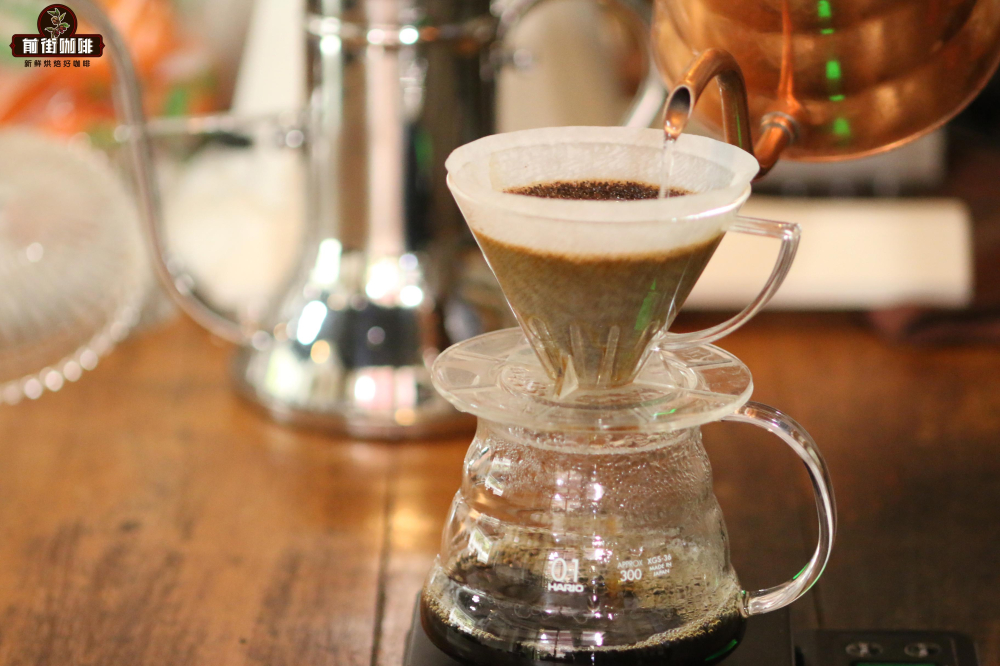
The roasted coffee beans available on the market have all undergone high-temperature roasting, during which a series of chemical reactions occur and produce abundant aromatic compounds. Brewing coffee is essentially using water and equipment to release these aroma components. The pour-over method involves first grinding the coffee beans into powder, then pouring hot water to let the water flow through the coffee bed, "dissolving" out the soluble substances in the coffee. Simply put, it uses a dripper with filter paper (or other filtering tools) to intercept the coffee grounds and keep them from falling into the server, ultimately producing a cup of clear black coffee.
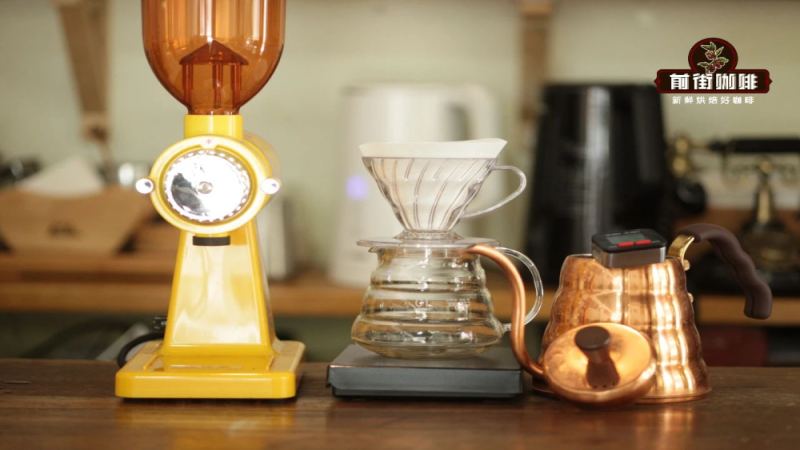
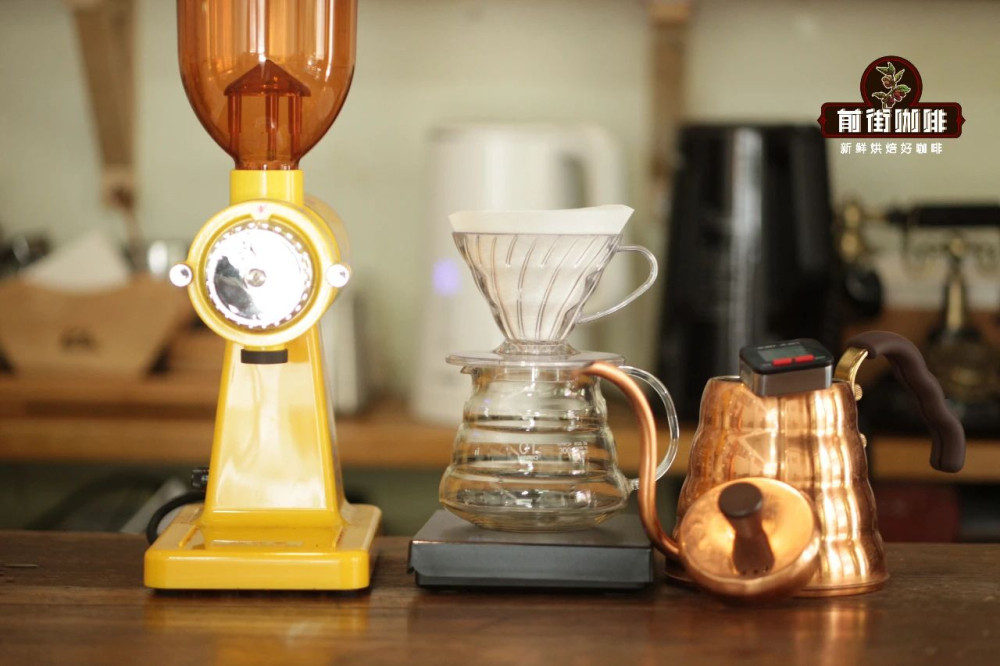
From choosing beans to completing extraction, every step has a varying degree of influence on the final flavor of pour-over coffee. Therefore, based on Front Street's brewing experience, to brew a good cup of pour-over, in addition to having high-quality coffee beans, you should at least have the following equipment: a gooseneck kettle for pouring water, a dripper and filter paper for filtering coffee grounds, a server for catching the coffee liquid, a grinder for grinding coffee beans, a scale for recording water volume and time, and a thermometer for measuring water temperature.
A good cup of coffee naturally depends on good raw materials—high-quality coffee beans. Front Street recommends choosing beans that are 4 to 30 days after the roast date, when they are in their optimal flavor period. This time window is more conducive to stable extraction, and the pour-over flavor is fuller. To ensure freshness, all coffee beans shipped by Front Street are freshly roasted within 5 days and generally arrive within 1–3 days, so you can basically receive them within the optimal flavor period and start practicing extraction right away.
Pour-over specialty coffee bean recommendations
If you are a beginner just getting into pour-over and worry about wasting expensive, small-batch beans by brewing them poorly, Front Street recommends starting with cost-effective Front Street everyday beans. Front Street has selected 7 excellent classic coffee origins, covering multiple highly representative producing regions, varieties, and natural processing methods. So-called everyday beans, as the name suggests, are varieties that are burden-free to drink daily, with friendly prices and flavors. Front Street has selected multiple "flagship representatives" to help everyone identify the basic flavor direction of major origins.
Ethiopia Front Street Washed Yirgacheffe Coffee Beans
When people mention Yirgacheffe flavor, the first things that come to mind are elegant citrus, lemon, berries, and intense floral notes, accompanied by a clear tea-like quality—hard to forget after one taste. To present such a refined flavor and mouthfeel, the coffee's high-quality growing environment, variety, processing method, as well as roasting and brewing, are all indispensable.
Ethiopia is located on the African continent, where water resources are not abundant, so traditionally it has always used the ancient natural sun-dried method to process green beans, meaning they are directly dried in the sun. Because the operation is relatively extensive, coffee quality is generally low. It was not until 1972 that Ethiopia, in order to improve coffee bean quality, introduced washed processing technology and equipment from Central and South America. Unlike other producing regions, Yirgacheffe is a wetland, making it more suitable for the washed processing method. The multiple steps of washing can remove defective beans, greatly reduce the defect rate of coffee, show higher cleanliness, and make its own aroma clearer and more transparent.
This measure also multiplied the citrus-lemon acidity and white floral notes of Front Street Yirgacheffe coffee beans, making the taste fresher and brighter. The Front Street Yirgacheffe everyday beans launched by Front Street use a medium-light roast, retaining more fruit acidity and presenting the classic Yirgacheffe flavor profile. They are suitable for pour-over, cold brew, French press, and many other brewing methods.
Guatemala Front Street Washed Huehuetenango Coffee Beans
The Huehuetenango highlands are located in Guatemala's western non-volcanic region, the driest and highest-altitude area in the country. This area lies at the active edge of a plate boundary, and the ever-changing terroir conditions of the mountain basins year-round also create rich and diverse coffee flavors. Like the Antigua producing region, it also has abundant volcanic soil, with altitudes reaching up to 2,000 meters, but because dry hot winds from Mexico blow through the northwest, coffee trees can grow on the 2,000-meter plateau.
Every country has its own coffee grading standards. Guatemalan green beans are mainly graded by altitude—the higher the altitude, the denser the coffee beans, and the higher the green bean grade. The vast majority of coffee from the Huehuetenango producing region belongs to SHB Strictly Hard Bean, which is the highest grade in Guatemala's green bean classification.
This Front Street Huehuetenango coffee bean is washed processed, presenting the cleaner character of Guatemalan coffee. Because it has rich and intense fruity aromas, a medium-light roast is used, so that after grinding you can smell the sweet aroma of citrus and nuts.
Colombia Front Street Washed Huila Coffee Beans
The Huila producing region truly became famous after entering the 21st century. It frequently appeared on the award lists of various green bean competitions and obtained official origin certification in 2013. The name of the Huila producing region comes from Huila Department, located in southwestern Colombia on the side of the Andes Mountains, near Huila Volcano. Volcanic ash brought by eruptions replenishes the soil with fresh nutrients, especially benefiting the growth of coffee trees. Compared with other producing regions, Huila has rain year-round and suitable temperatures. Such growing conditions allow coffee trees to be planted even above 2,000 meters, and coffee produced at high altitude has bright acidity and chocolate aromas.
Huila coffee is mainly produced by smallholders, with local farms usually within 1.5 hectares. Managers plant shade trees to provide coffee with a better growing environment and quality assurance. When coffee cherries ripen, Colombians pick the ripest and fullest fruits and carry out post-processing at the freshest stage, ensuring freshness at every step. The washed Front Street Huila everyday beans have both soft acidity and appropriate body and sweetness. Front Street wanted to present the classic Colombian nutty profile while retaining some acidity, so a medium-dark roast was chosen.
Brazil Front Street Pulped Natural Cerrado
Brazil's coffee farms do not have the high altitudes of Africa or other South American origins; locally, most are flatlands only a few hundred meters high. Brazilian growers pursuing mass production mainly adopt large-scale sun-drying cultivation models, so the Brazilian coffee fruits produced ripen quickly and lack the rich fruit acidity of high-altitude coffee, with a taste leaning toward sweetness and balance. It is precisely because of this plain characteristic of Brazilian coffee that it is widely used in espresso blends, both to complement the coffee's roasted aroma and to make the extracted flavor profile more stable.
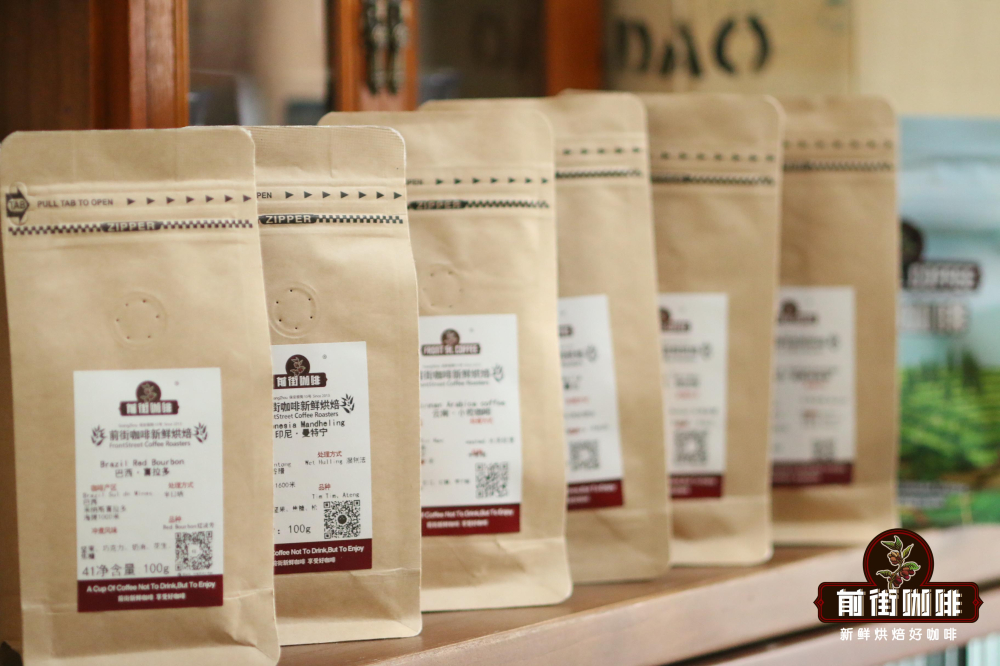
The Cerrado producing region is located in the northwest of Minas Gerais state, with a long coffee history and mature cultivation and production experience. Many enterprises have successively established medium to large coffee plantations here. The altitude is between 800 and 1,300 meters, with four distinct seasons (humid summers and dry winters), and the soil is rich in minerals. The coffee produced has the smoothness of nuts and cream, a balanced taste, and a very classic Brazilian flavor. Therefore, Front Street also added the Front Street Pulped Natural Red Bourbon coffee from the Cerrado producing region to its lineup of Front Street everyday beans.
Costa Rica Front Street Washed Tarrazu
Costa Rica is located in Central and South America, connected to Panama, the place where Geisha became famous. It is also affected by ocean currents and monsoons from both the Pacific and Atlantic, forming an excellent microclimate. Combined with various topographical features, it becomes a perfect producing region for coffee to thrive. Although Costa Rica does not rank high in coffee production, multiple volcanoes within the country bring very fertile mineral-rich soil. Excellent drainage allows crops planted here to receive abundant rainwater and nutrients, so the fruits produced are naturally of higher quality.
Tarrazu is located south of the capital San José and is one of the most valued coffee-growing areas locally. Tarrazu has high-altitude growing conditions of 1,200 to 1,700 meters. The cool climate and nutrient-rich volcanic ash soil give the coffee diverse acidity and a rounded body. Coupled with the development of specialty coffee, everyone continues to innovate and improve processing techniques, allowing Front Street Tarrazu coffee to accumulate a good reputation in coffee circles.
Front Street Costa Rica everyday beans blend two common varieties, Caturra and Catuai, and use natural washed processing. Caturra's flavor mainly presents fruitiness and berry-like acidity, while Catuai's flavor is more monotonous than Caturra, mainly nutty, without Caturra's rich layering. The blend of the two varieties makes Front Street Tarrazu coffee more balanced and soft.
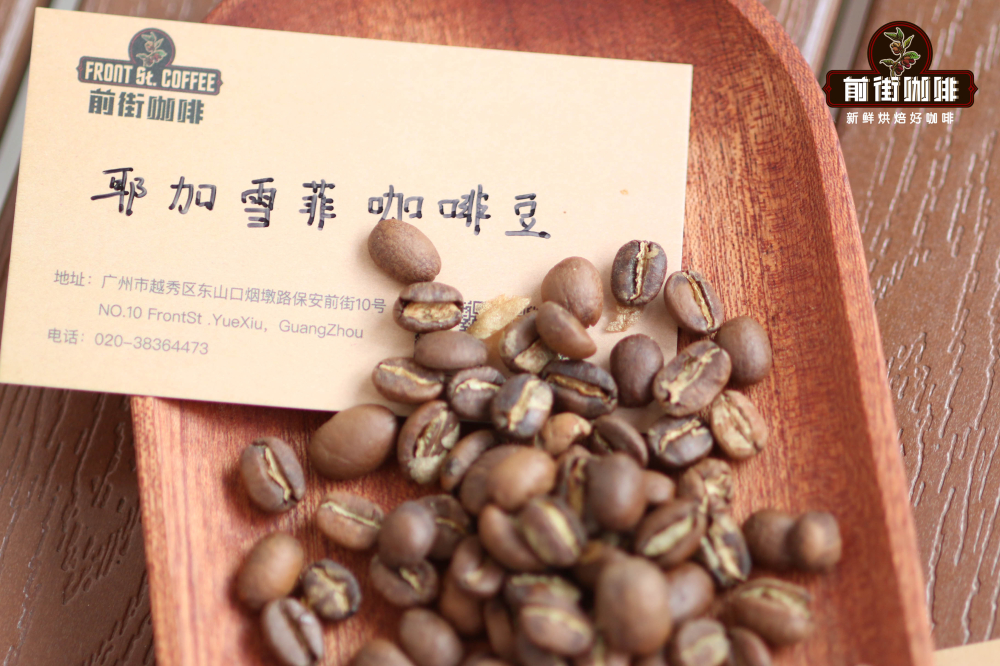
Indonesia Front Street Wet-Hulled Lintong Mandheling
Indonesia's local hot and humid environment forced locals to innovate a "new" processing method suited to the area—wet-hulling. The steps before wet-hulling are the same as the washed method. Indonesians first remove the pulp from the coffee fruit, ferment it in water for 3 hours, wash off the mucilage, and then dry the parchment-covered green beans for a short time for 2 to 3 days. While the moisture content is 20% to 24%, in a semi-soft, semi-hard state, they hull off the parchment from the shelled beans, then continue drying until the coffee's moisture content drops to 13%, at which point it can be bagged.
Because the hulling machine uses relatively high friction, it tears open the parchment layer tightly attached to the green beans. At this stage, white or green viscous liquid usually flows out. Due to long soaking in mucilage and the influence of the humid environment, the green beans eventually become soft, whitish, swollen, and form a gray-green color. Through the stirring caused by friction, the green beans are also more easily crushed or injured, especially at both ends, forming small gaps and causing "goat-foot" beans. The "naked beans" with the parchment layer removed dry very quickly, and at the same time are directly exposed to the humid environment, where various fungi grow, giving Indonesian coffee its unique woody, spicy, and herbal notes—what we call the "Mandheling flavor."
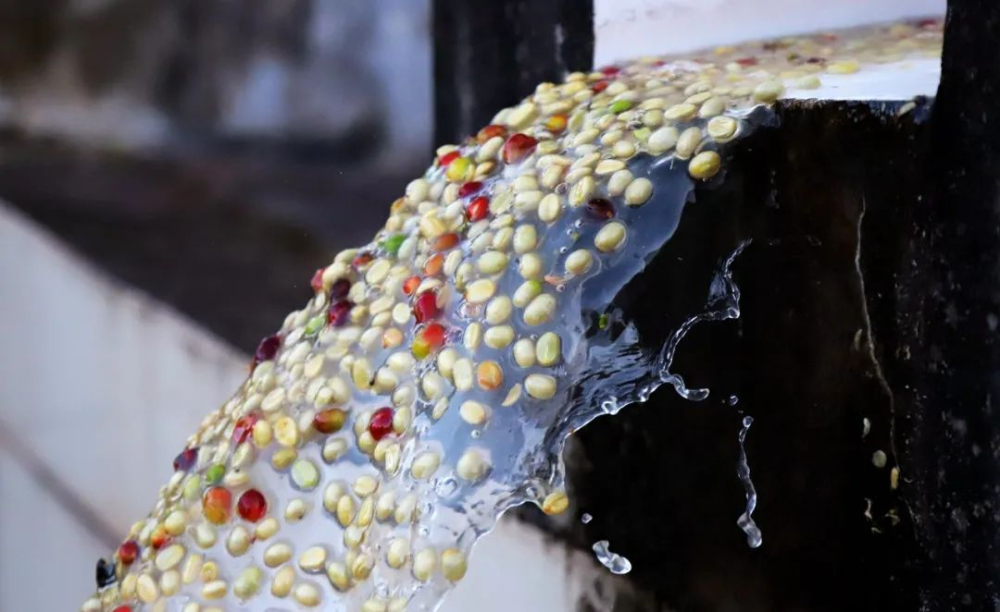
China Yunnan Front Street Washed Baoshan
In recent years, through the efforts of many people, the quality of Yunnan coffee has continued to improve and has gained considerable recognition. There are also many fans of Yunnan coffee domestically. For friends who have never tried Yunnan coffee, they must be very curious about how it tastes. Front Street Yunnan everyday beans come from the Baoshan producing region, which has a relatively long history of coffee cultivation.
Baoshan's warm frost-free climate throughout the year is very suitable for the growth of small-bean coffee, especially in the Lujiangba area. The unique dry-hot river valley climate has little annual temperature variation but a large day-night temperature difference, creating the unique sweetness of Baoshan small-bean coffee. In addition, reasonably low rainfall brings great advantages for coffee fruit production. Baoshan's greatest climatic feature is relatively low rainfall and higher altitude, so the coffee beans have less pulp but high sweetness. Therefore, Front Street selected Front Street Baoshan small-bean as the flagship representative of Yunnan coffee, letting everyone taste domestic coffee.
Some merchants use novel flavor-enhancing processing methods to cover up the defective flavors of Yunnan beans themselves, add a large amount of aroma to them, and raise prices. Front Street believes that doing so neither truly preserves the taste of Yunnan coffee nor avoids misleading consumers. In fact, due to limited conditions, the vast majority of Yunnan coffee can only use natural processing methods, namely washed and sun-dried. Here Front Street ultimately chose washed processing and used a medium roast to highlight the chocolate and nutty roasted aroma of Front Street Yunnan small-bean, while retaining some acidity, presenting nuts, herbs, brown sugar aroma, melon-and-fruit sweetness, and plum-like acidity, with a balanced taste.
For professional coffee knowledge exchange and more coffee bean information, please follow Coffee Workshop (WeChat public account: cafe_style)
For more specialty coffee beans, please add the private WeChat of Front Street Coffee (FrontStreet Coffee), WeChat ID: qjcoffeex
The above content is compiled by CoffeeHunters, a coffee news website.


