







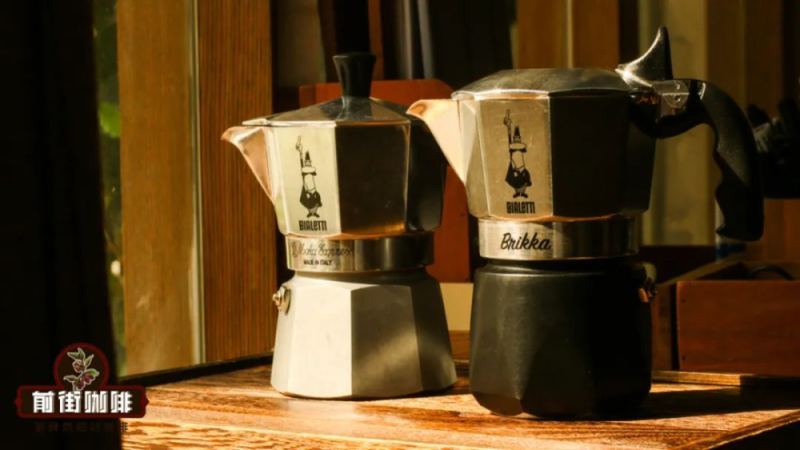
How do you choose the right moka pot size and valve type?
Choose a moka pot by how you drink coffee. A double-valve model adds a second pressure valve that raises extraction pressure and produces a foam layer, which suits milk drinks. A single-valve pot is enough for black coffee. The two usually differ in price by more than 100 yuan, and serving size should match your daily cups.
Every moka pot works the same way: the lower chamber holds water, the filter basket holds grounds, and the upper chamber collects the brew. Heat turns water into steam, and the expanding steam forces hot water up the pipe and through the coffee. The extra valve on a double-valve model changes pressure, strength, and crema, though that foam does not hold up for latte art.
The autumn and winter camping season is here, and many coffee lovers are starting to look at moka pots, planning to brew a fresh cup of coffee outdoors. But when faced with the options in stores, many people are stumped by the terms "single-valve" and "double-valve," unsure exactly how they differ, how many servings to buy, or whether the double-valve is more expensive. This article, from Front Street Coffee's perspective, first explains the moka pot's construction and steam extraction principle, then explains how the extra pressure valve on the double-valve model affects pressure, strength, and crema, and why that foam layer isn't suitable for latte art. Finally, it offers buying advice: if you often drink milk coffee, prioritize the double-valve; if you only drink black coffee, the single-valve is enough—the price difference between the two is usually over 100 yuan.
Autumn and winter are perfect for camping, and many friends want to satisfy their coffee cravings outdoors too, so they've started picking out moka pots. This is also one of the main reasons moka pots have become popular again in the past two years. But as soon as you open a shopping platform, you'll find that besides brand and serving size, moka pots also come in two specifications: single-valve and double-valve.
"What exactly is the difference between single-valve and double-valve?" Because people can't figure out the distinction, many hesitate at this point and don't dare order casually. So today, Front Street Coffee will discuss exactly what differs between single-valve and double-valve moka pots.
To understand their differences, you first need to know how a moka pot works, because the double-valve simply adds a "special component" to the original structure.
The Principle of the Moka Pot
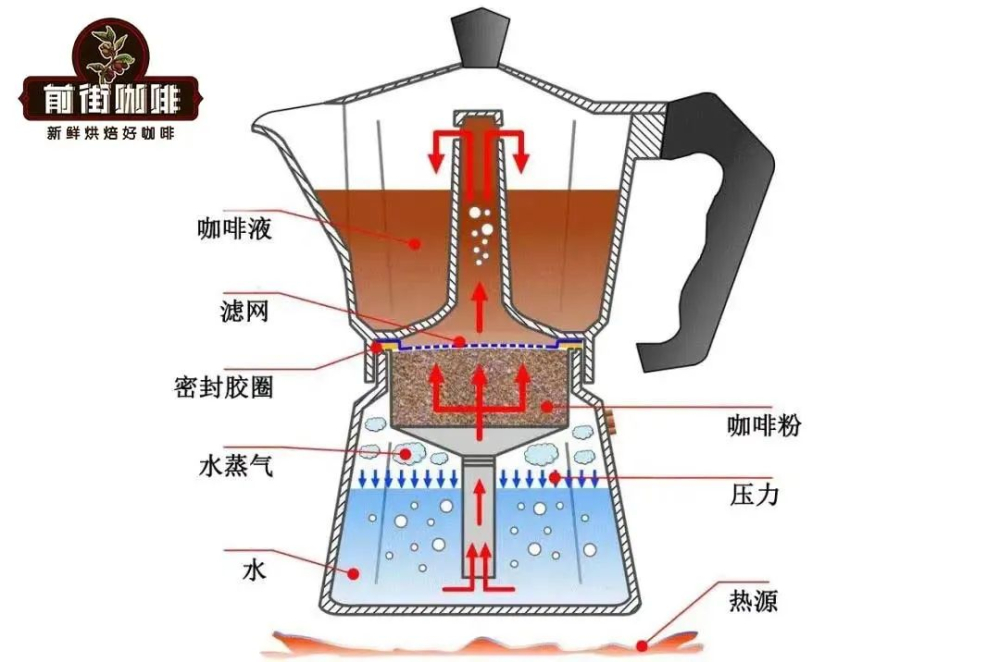
Still this diagram—from it you can intuitively see the moka pot's structure and how it works. It mainly consists of three parts: the lower chamber that holds hot water, the filter basket that holds coffee grounds, and the upper chamber with a filter screen.
The moka pot's working logic isn't complicated: it relies on steam pressure to push hot water upward and complete extraction. After heating the lower chamber, the water inside rises to boiling point and turns into steam; the steam expands and compresses the space inside the pot, forcing the hot water to travel up the pipe, passing through the coffee grounds to complete extraction, and finally flowing out as coffee liquid from the top outlet. (For those who want to know the specific steps, see this article "A Step-by-Step Moka Pot Tutorial.")
This is the moka pot's extraction principle, and also how the most common single-valve moka pot works. The double-valve, then, adds a pressure valve at the outlet on top of this.
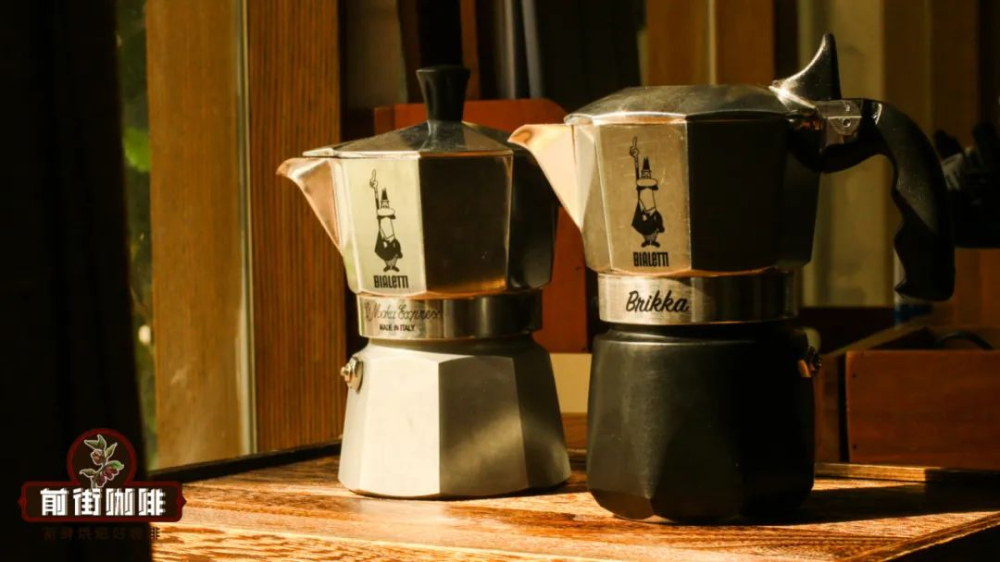
(Left is single-valve, right is double-valve)
A pressure valve, as the name suggests, serves to increase pressure. It deliberately makes the gap smaller, restricting the channel through which coffee liquid flows out. When the coffee liquid cannot seep out smoothly because the gap is too narrow, it accumulates inside and forms a blockage, and the pressure rises accordingly.
Pressure is a crucial parameter in pressure-based extraction methods like moka pots and espresso machines. The greater the pressure, the higher the extraction efficiency. Since the pressure valve allows the moka pot to achieve greater pressure, it means coffee can be extracted with higher efficiency. Under the same extraction conditions, coffee made with a double-valve moka pot is closer to espresso in strength and extraction yield; when used for lattes, you don't need to worry about it being too weak and watery, nor about the coffee flavor being masked by milk.
For most people, this change is quite practical. The original single-valve moka pot doesn't have such high pressure, so the coffee grounds need to be ground to about espresso fineness, even close to flour-like fineness, which isn't friendly to many hand-grinder users.
When the grounds are coarser, the extracted coffee's strength and extraction yield will be on the low side, and the flavor suffers as a result. But after the pressure increase, even with slightly coarser grinding, the higher pressure can still produce a cup with decent strength and extraction yield.
In addition, with the pressure valve, the extracted coffee is not only stronger but also brings out more coffee crema. So when making moka pot coffee, it pairs well with medium-dark roasted espresso beans—Front Street Coffee Classic Blend. It combines the roasty aroma of Brazilian Red Bourbon and Indonesian Mandheling, and to enhance crema richness, Front Street Coffee Classic Blend also adds a small amount of Robusta, producing coffee with rich flavors of butter, dark chocolate, and roasted chestnuts.
Because of this, many merchants currently market the double-valve moka pot's ability to extract coffee crema as a selling point, for example claiming that a double-valve moka pot can pour prettier latte art patterns.
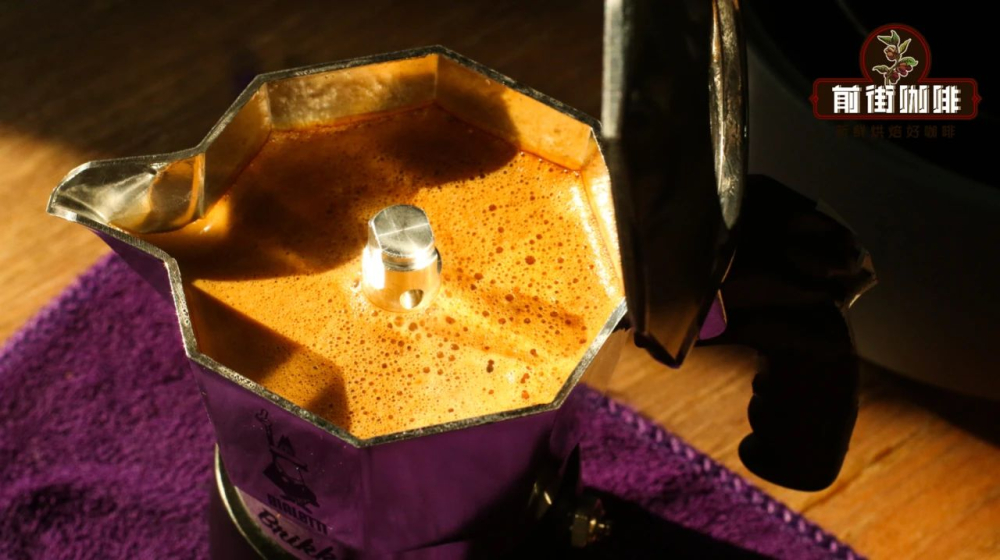
But in reality, the layer of crema extracted by a double-valve moka pot isn't suitable for latte art. It's completely different from the crema on espresso from an espresso machine—it has no fineness to speak of. It's actually foam forced into existence when the coffee liquid is squeezed through too narrow a gap.
This layer of foam is very rough and will burst and dissipate shortly after extraction. So its only role is to improve mouthfeel; it's not suitable for latte art and may even hinder it. Therefore, don't place too much expectation on this layer of "crema."
Overall, though, Front Street Coffee still recommends that friends planning to get a moka pot choose the double-valve, because it's more forgiving and has broader applications. If you have no need for milk coffee and just want a cup of black coffee, then a single-valve moka pot is enough. After all, the price gap between the two is quite obvious (over 100 yuan), and money should be spent where it counts.
The above content is compiled by CoffeeHunters, a coffee news website.


