







What should beginners know about the coffee belt?
The coffee belt is the band between 25 degrees north and 25 degrees south latitude, where 79 countries and regions grow coffee. For pour-over, start by picking a continent or country whose taste you want, then narrow down by processing method, roast level and budget. African origins tend toward bright acidity, American origins toward balance, Asian origins toward body.
Processing method shapes flavor further: washed coffees are cleaner, natural and honey coffees sweeter and heavier, anaerobic lots more intense. Light roasts suit floral, fruity beans; darker roasts favor body. Comparing green coffee bean options from several origins side by side is the practical way to build a personal flavor map.
First time trying pour-over coffee and feeling overwhelmed by a long bean menu? This article starts from the Coffee Belt and walks you through the flavor differences among African, American, and Asian origins, then digs into how washed, natural, honey, and anaerobic processing methods affect taste, followed by an analysis of which beans suit light, medium, and dark roasts, and finally offers practical advice on budgets and everyday drinking beans for beginners. It keeps several representative single-origin recommendations from Front Street Coffee to help newcomers build their own flavor map step by step.
Today Front Street wants to talk with you about how friends new to pour-over coffee should take their first step in choosing beans.
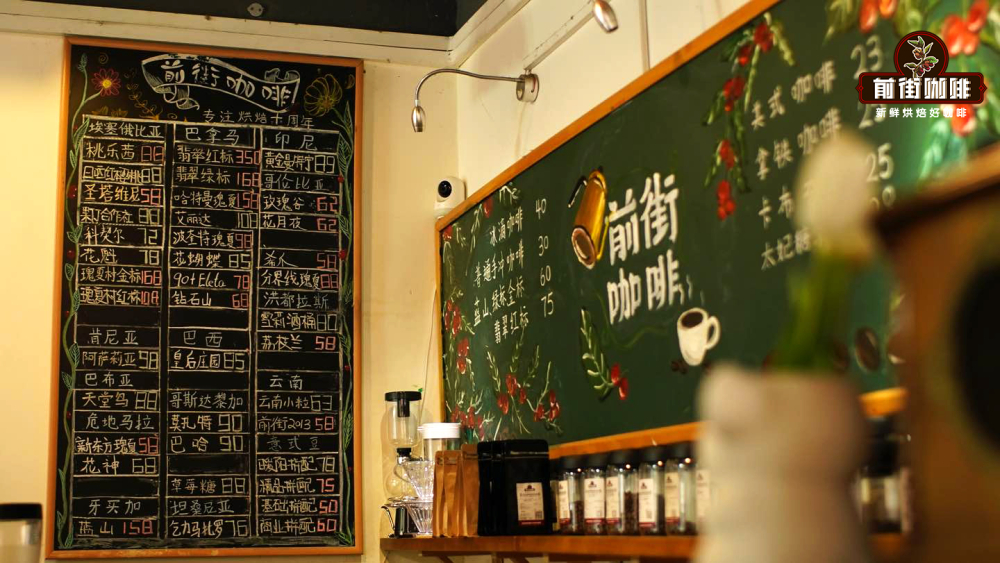
Pour-over is a drip extraction method that can fairly completely present a coffee bean's own flavor characteristics in the cup. For this reason, Front Street usually suggests prioritizing single-origin coffees with distinctive character. Such beans can often fully release their origin personality through roast level adjustments, letting us taste more nuanced layers of coffee. On Front Street Coffee's current bean menu, there are nearly fifty single-origin offerings, each with its own unique aroma direction and mouthfeel.
Before we get into selection, let's first understand the global distribution of coffee cultivation. The range these origins collectively cover is what the industry customarily calls the "Coffee Belt." Between 25 degrees north latitude and 25 degrees south latitude, 79 countries and regions around the world grow and produce coffee. Due to differences in geographical conditions, different countries or regions develop their own climates and terroirs, and coffee flavors therefore vary greatly. So the first step in choosing coffee beans is actually deciding which continent's or country's taste we want to drink.
In practice, you can first ask yourself a simple question: do I want a more acidic taste, a more bitter taste, or a more balanced mouthfeel?
If you prefer bright acidity with floral and fruity notes, you can prioritize light-to-medium roasted beans from African countries such as Ethiopia and Kenya, or from Panama, for example Front Street Gutingting, Front Street Red Cherry, Front Street Little Tomato, and Front Street Boquete Geisha;
If you value body more and can accept bitterness, then origins that usually use dark roasting, such as Brazil, Indonesia, and Jamaica, are a good direction. Their flavors mostly show notes like nuts, dark chocolate, and hot cocoa, with representative beans including Front Street Brazil Cerrado, Front Street Mandheling, and Front Street Blue Mountain No. 1;
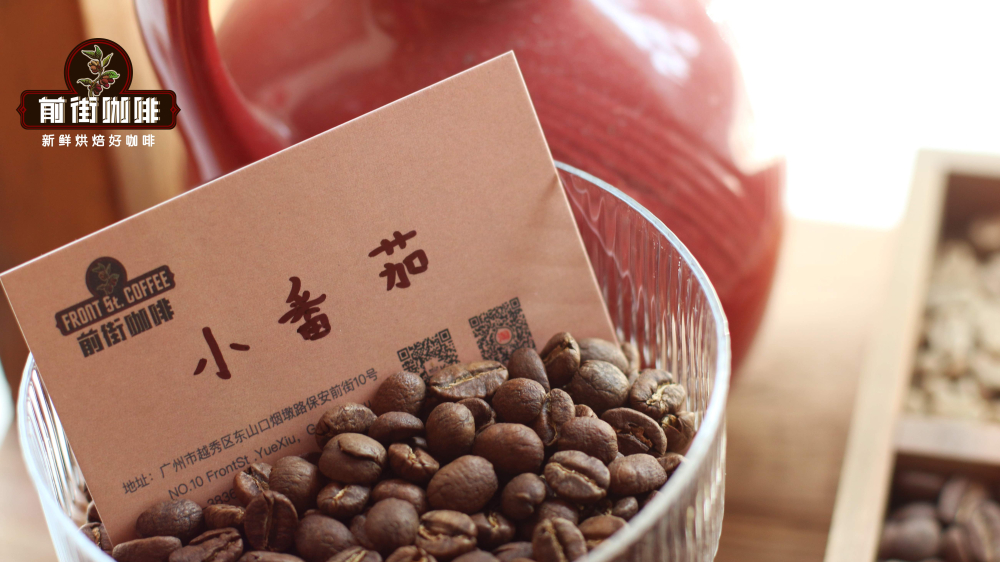
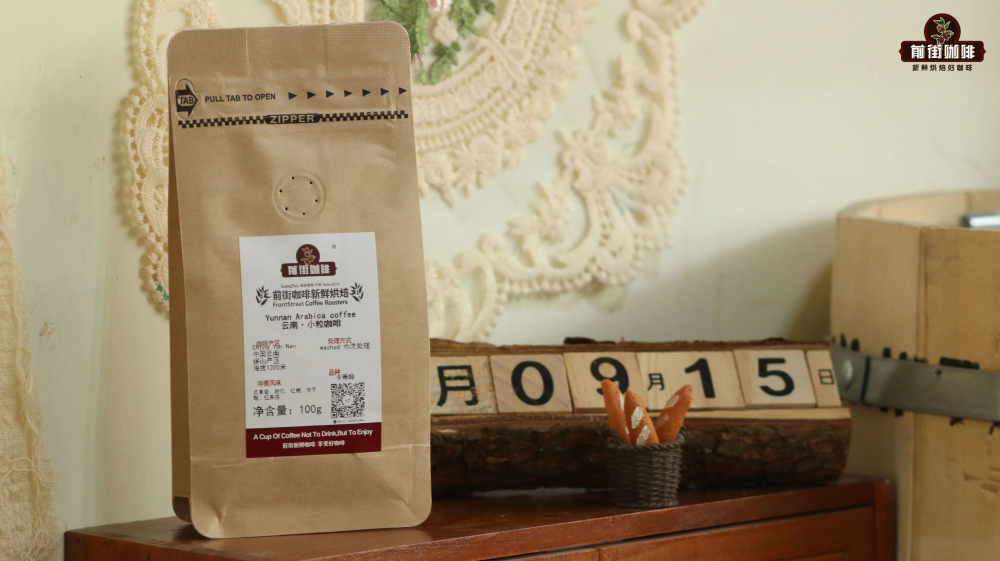
If you want neither acidity nor bitterness to stand out too much, you can try beans from Papua New Guinea, Yunnan in China, or Costa Rica, such as Front Street Bird of Paradise, Front Street Yunnan Small Bean, and Front Street Strawberry Candy, which are very suitable. These coffees often have a balanced mouthfeel with a touch of gentle fruit acidity, making them very pleasant to drink. (So when you settle on an origin, you are also to some extent settling on a roast level.)
How to choose a processing method
Once the origin is decided, you may notice that the same bean from the same estate or processing station is labeled with different processing methods. Different processing methods give coffee different flavor directions. Traditional methods include natural, washed, and honey processing, while in recent years new-style methods such as anaerobic processing, enzyme fermentation, and barrel fermentation have also appeared on the market.
Natural processing works by first screening out ripe, plump coffee cherries, then drying the whole fruit with skin and pulp in the sun until the moisture content drops to about 12%, after which the beans are hulled and stored. As a result, natural beans retain more flavor compounds, with prominent sweetness and richer, fuller layers.
Washed processing requires first removing the skin and part of the pulp of the coffee cherry, then placing it in a fermentation tank or barrel, using fermentation to remove the mucilage layer, and finally drying it to 12% moisture content as well. Washed beans usually have higher acidity and cleaner flavors; Front Street Butterfly is recommended.
Honey processing can be simply understood as: first removing the skin and pulp but keeping the mucilage layer, then drying directly in the sun, with no water used throughout the process. Because the skin has already been removed, drying time is relatively shorter. Honey-processed beans tend to be sweeter and have a softer mouthfeel; Front Street Bahia and Front Street Mozart are recommended.
Anaerobic processing involves placing coffee beans that still carry the mucilage layer, before or after removing the coffee cherry pulp, into a non-sealed container, drawing out oxygen and leaving only carbon dioxide, so that anaerobic bacteria assist fermentation inside for a period of time. Anaerobically processed coffee usually has highly recognizable berry and floral notes; Front Street Sidra and Front Street Big Belly are recommended.
Barrel fermentation processing means putting coffee beans into wine barrels to ferment for a period of time. This type of processing generally gives coffee a wine-barrel-like vinous character and chocolate flavors.
Front Street's advice is that beginners may as well start with the most traditional processing methods: natural and washed. In the same origin, washed often presents a bean's basic and primary flavors, while natural adds aroma on top of the washed baseline. This is also why Front Street prioritizes washed lots when customizing its everyday drinking bean series.
How to choose a roast level
The same coffee will taste very different at different roast levels. Different green coffee beans, according to their own characteristics, also have their own suitable roast level requirements.
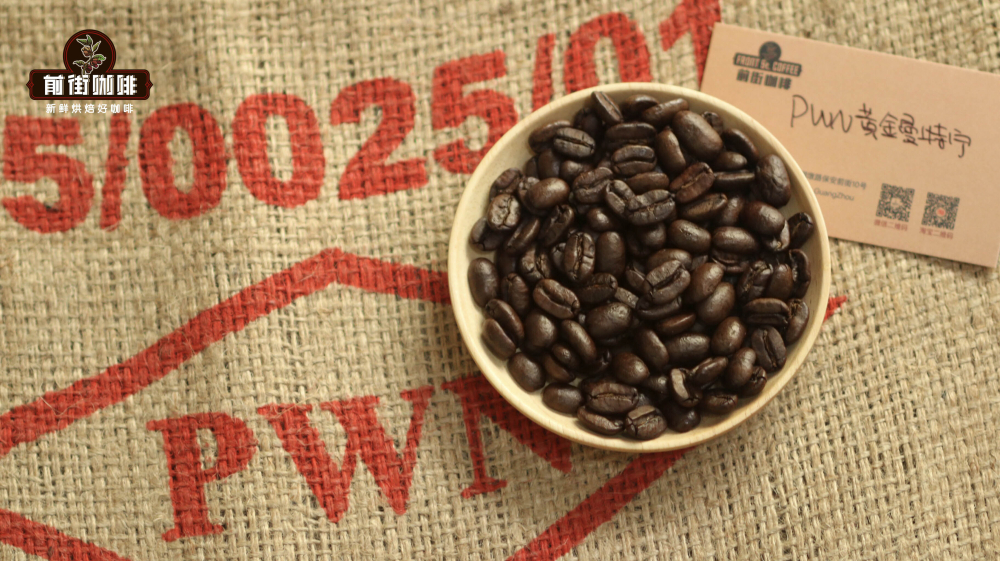
For example, to highlight the lemony citrus acidity and rich floral and fruity aromas unique to Ethiopia's Yirgacheffe region, roasters usually use a light roast. A medium roast brings the coffee's internal caramelization and Maillard reactions just to the right point while still retaining a little acidity and aroma, making the overall expression more balanced. Front Street Papua Bird of Paradise belongs to this roast level, with toasted bread sweetness, nutty sweetness, and slight fruit acidity, plenty of sweet-and-sour layering, and a rich yet balanced mouthfeel.
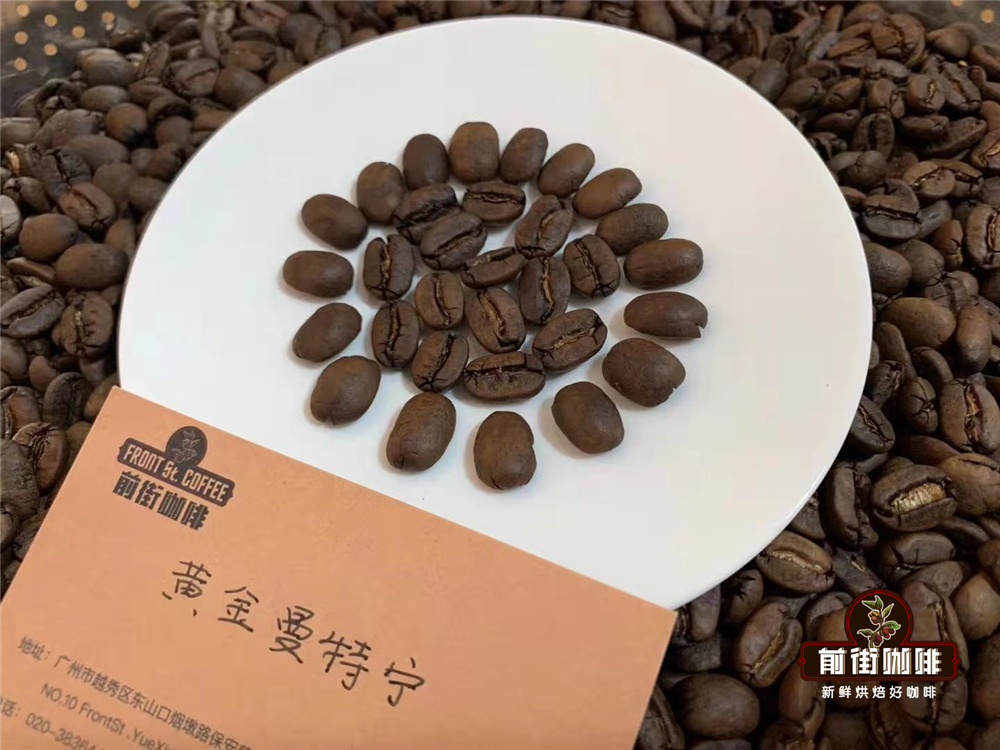
Dark-roasted beans are roasted longer and at higher temperatures, and their bitterness is more pronounced. Front Street's Golden Mandheling from Indonesia is a heavyweight representative of dark roasting, with intense caramel notes and a full, smooth, and rich mouthfeel.
How to choose by price
As a beginner, if your brewing theory is not yet solid, your technique is not yet stable, and your flavor appreciation ability is still developing, buying expensive beans makes you worry both about brewing them badly and about not being able to identify the flavors, yet you still want beans to practice with—then a pack of beans with good value for money becomes especially important.
From experience, rather than challenging high-priced estate beans, newcomers should start with representative lots that are relatively affordable. This way you do not have to worry too much about messing up the brew, and you can also use them as daily drinking beans. After your brewing skills become proficient, you can then continue to learn more about the origins or estates you like, try beans at higher prices and grades, and gradually uncover your own bean menu.
On Front Street Coffee's bean menu, you can see 6 everyday drinking beans, each selected from a currently representative origin and suitable for newcomers to try, namely Ethiopia washed Yirgacheffe, Colombia Huila, Brazil Cerrado, Yunnan Small Bean Coffee, Indonesia Mandheling, and Costa Rica Tarrazu. Front Street launched its everyday drinking beans to let coffee lovers drink high-value-for-money coffee while also getting to know the basic flavors of different origins.
The above content is compiled by CoffeeHunters, a coffee news website.


