







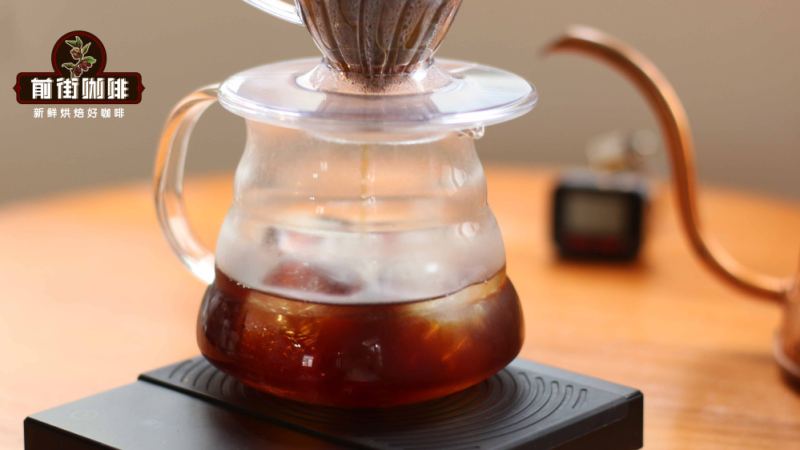
How Does Cold Drip Coffee Differ From Cold Brew?
Cold drip and cold brew are two distinct iced coffee methods, not two names for the same drink. Cold drip passes a mixture of ice and water drop by drop onto coffee grounds, taking six to twelve hours and requiring a dedicated tower with a water container, adjustment valve, powder cup, serpentine tube and carafe. Cold brew simply steeps grounds in cold water and is easy to do at home.
The trade-offs differ too. Cold drip uses a larger dose of grounds and special equipment, so café prices are higher and home setup is harder. Cold brew needs no gear beyond a jar and a filter. Both depend on bean choice, grind size and ratio, and the resulting mouthfeel differs, so the method should match the flavor being sought rather than the trend.
In the scorching heat of midsummer, a glass of icy coffee has become almost a daily necessity. Cold drip and cold brew, two coffee drinks whose names alone evoke a sense of coolness, are often lumped together, and many enthusiasts actually can't clearly explain how the two differ. Today, Front Street Coffee will personally demonstrate, from equipment structure and extraction parameters to detailed steps, explaining one by one the methods for making cold drip coffee and cold brew coffee, and sharing key details such as coffee bean selection, grinding, and ratios suitable for these two methods. Cold drip takes six to twelve hours and relies on specialized equipment, while cold brew is so simple that almost anyone can do it at home, and the two also have their own strengths in terms of mouthfeel. Whether you want to order at a café or plan to achieve iced coffee freedom at home, this article can give you practical reference.
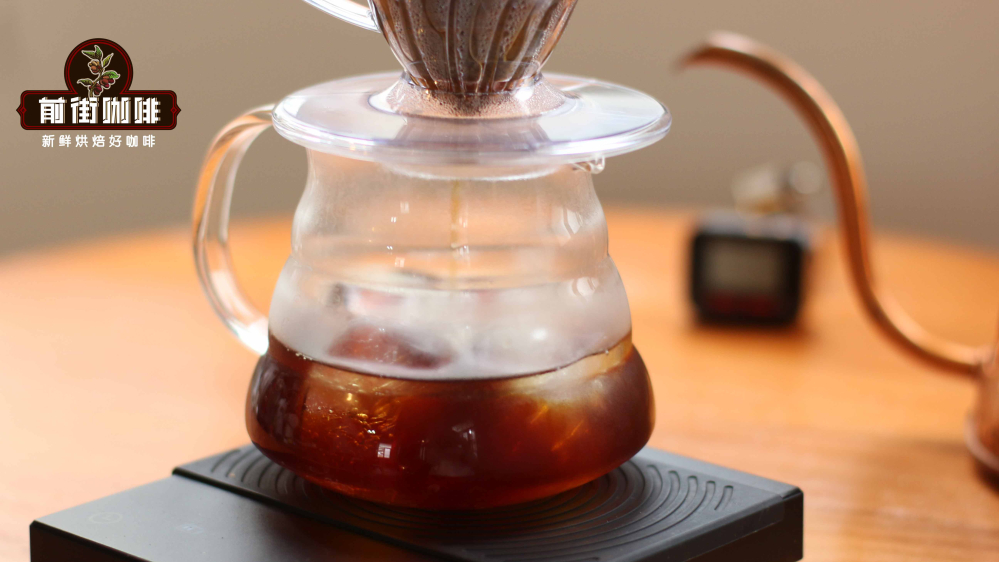
The cicadas outside the window are chirping merrily, the dog days of summer have only just begun, the roads are scorching hot from the sun, and even the water from the tap comes out hot. The long, intense summer has arrived, and in this weather, life would be unbearable without a glass of iced coffee.
Cold brew and cold drip sound refreshing and cooling just from their names, which is why they have become favorites among many coffee lovers. But every time Front Street Coffee asks friends around them what exactly the difference is between the two, someone always can't answer. So today, Front Street Coffee will actually make them by hand and talk with everyone about what cold drip coffee is, what cold brew coffee is, and how to make a glass of iced coffee at home.
Once summer arrives, more and more cafés put cold drip coffee back on their menus. So-called cold drip is when a mixture of ice and water is allowed to fall drop by drop onto coffee grounds to complete extraction. The whole process is quite slow, generally lasting 6 to 12 hours, and combined with a relatively large dose of grounds, the price of cold drip is usually not low. In addition, cold drip also has requirements for equipment, which discourages many people who want to try it at home.
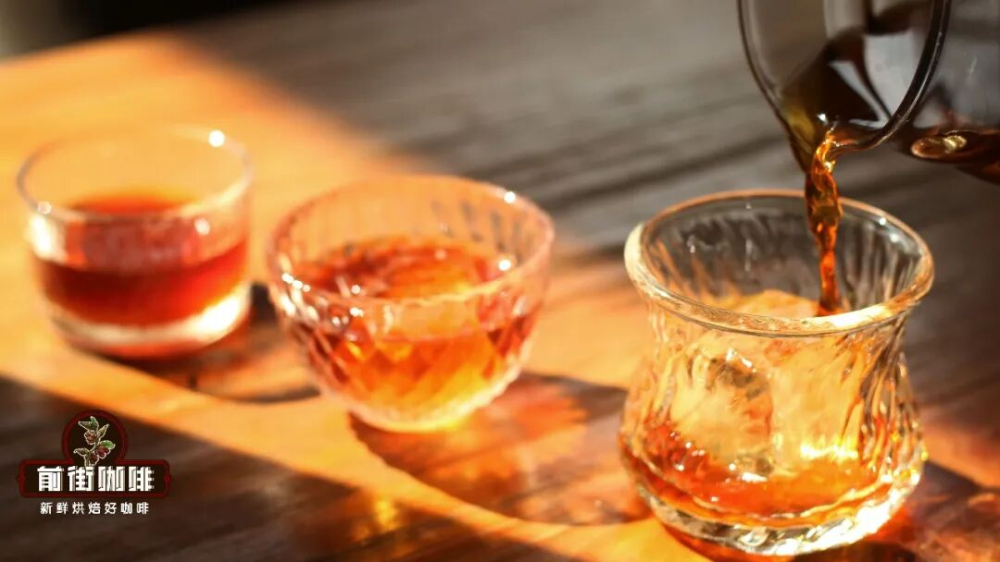
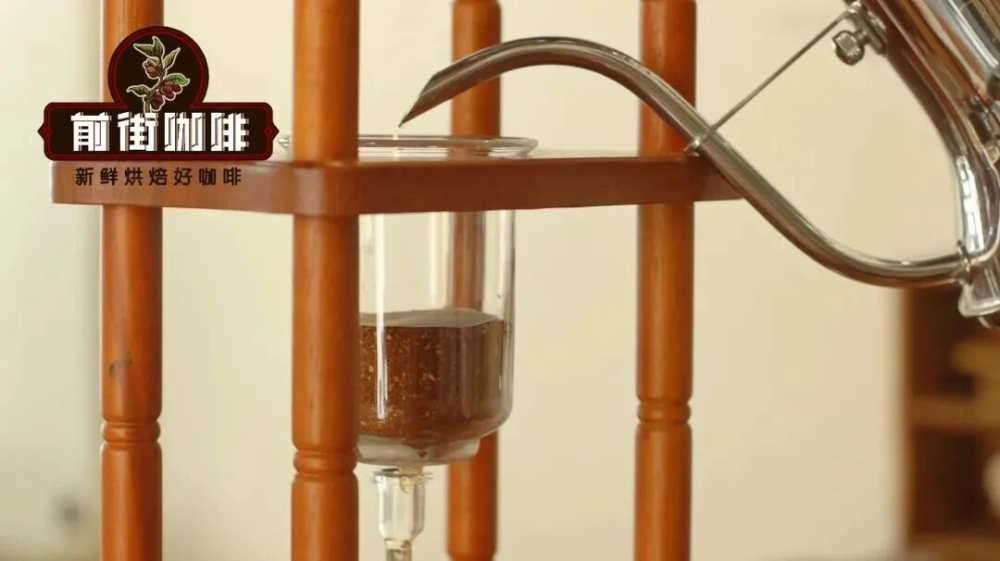
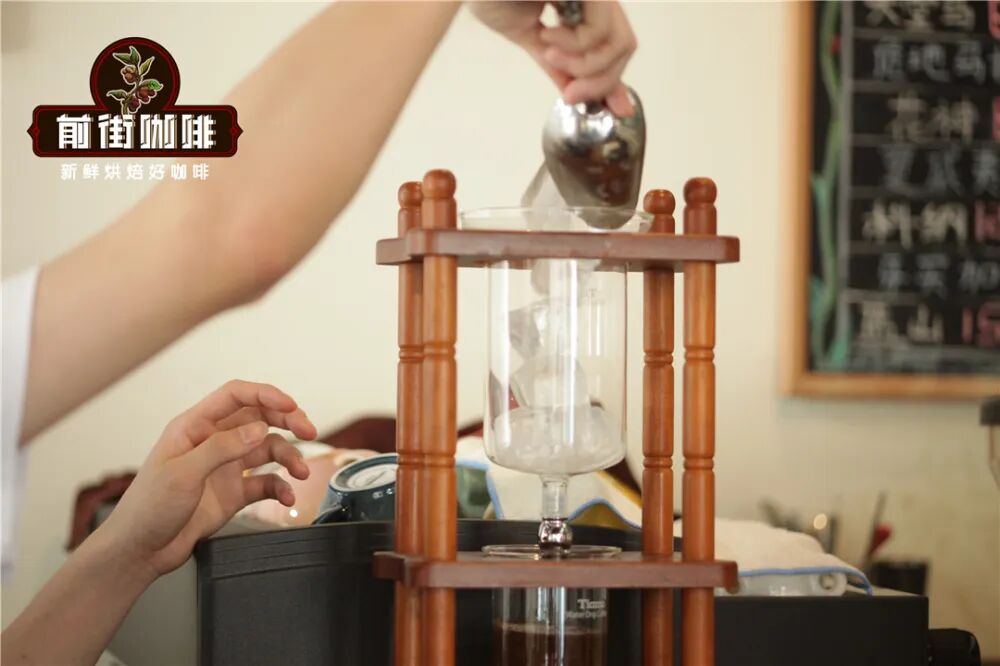
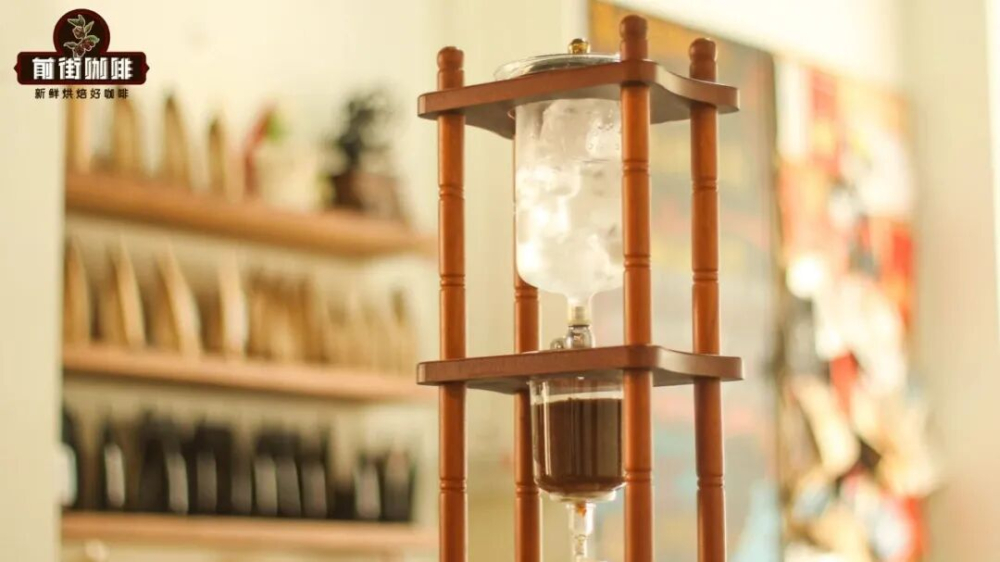
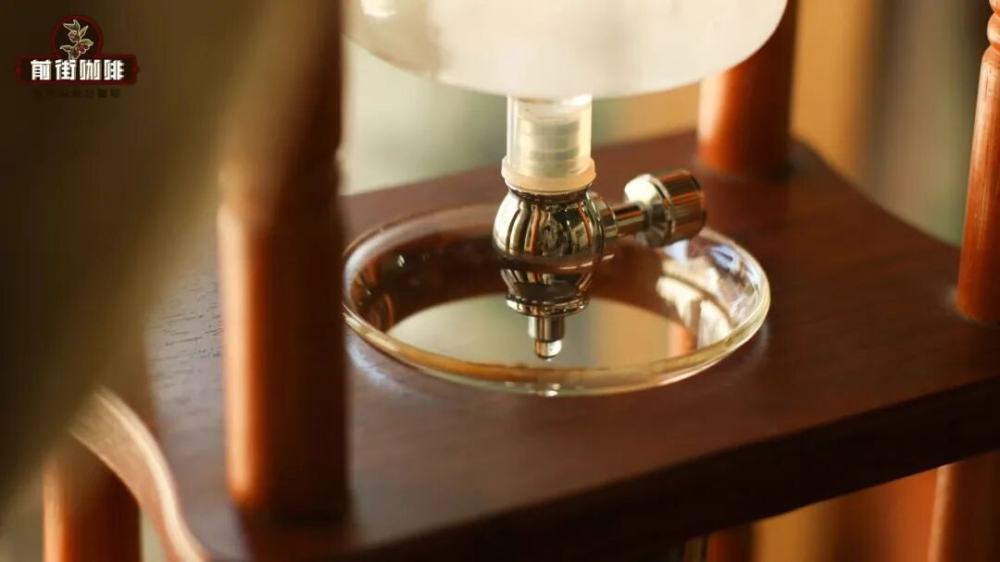
The cold drip pot Front Street Coffee used before consists of five parts: a water container, an adjustment valve, a powder cup, a serpentine tube, and a coffee liquid container. Each has its own purpose—the water container holds the ice-water mixture, the adjustment valve controls the drip rate, the powder cup holds the coffee grounds, the serpentine tube makes it easy to observe changes in the color of the coffee liquid, and the container at the very bottom catches the extracted coffee liquid.
The specific parameters and operating procedure Front Street Coffee uses when making cold drip coffee are as follows:
Dose: 60g
Coffee-to-liquid ratio: 1:10
Weight of coffee liquid: 600g
Grind size: 82% passing through a Chinese standard No. 20 sieve
Time: 6–8 hours
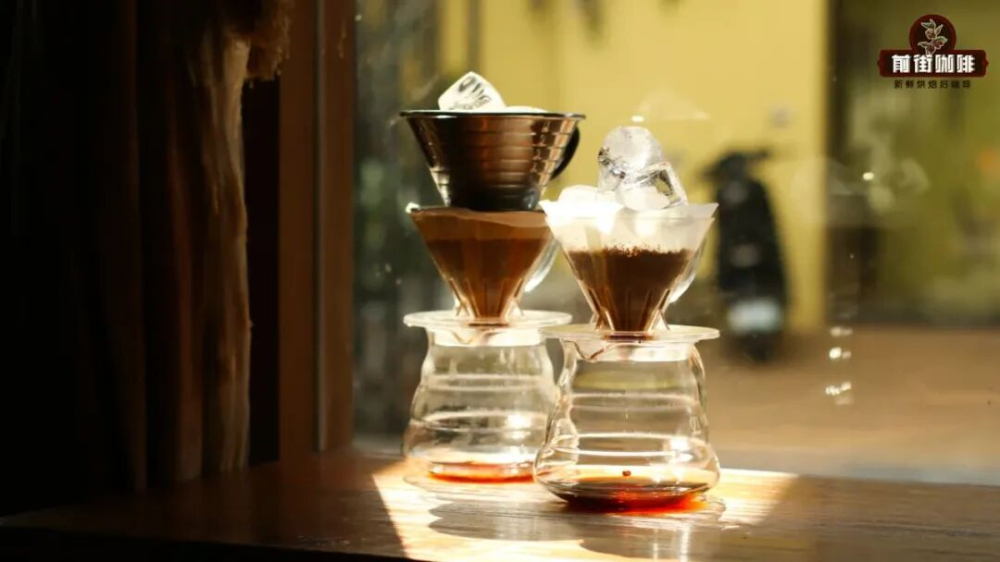
1. Take out the powder cup, wet the bottom, place a round filter paper, and press it flat with a spoon.
2. Pour in the 60g of ground coffee, shake it level, and then cover with another round filter paper.
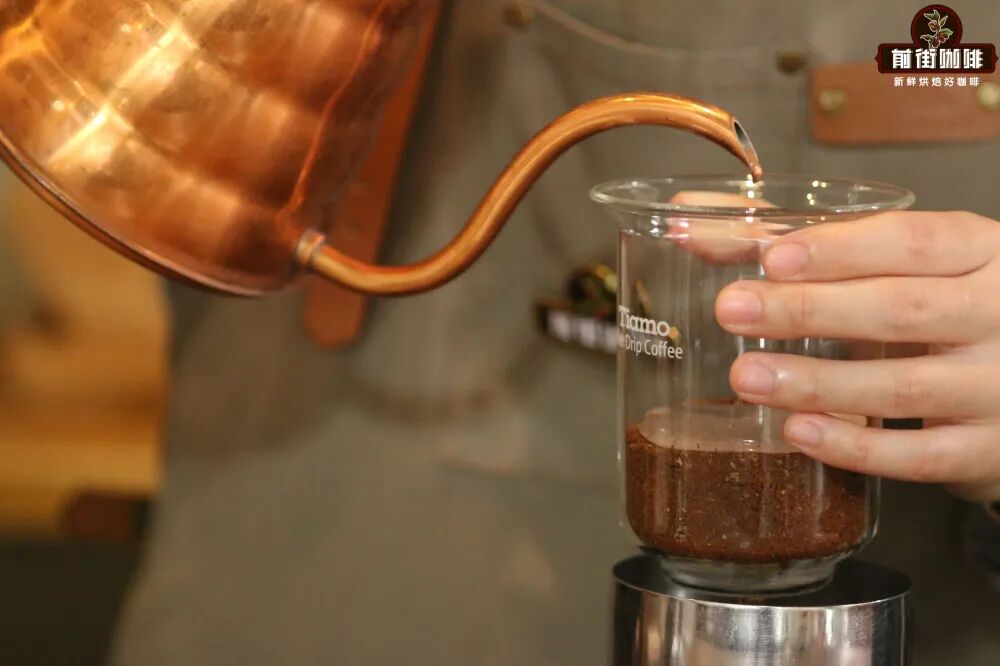
3. Add a small amount of room-temperature water to completely wet the coffee grounds, so that penetration is more even during the actual drip.
4. Add an appropriate amount of ice-water mixture to the water container (fill with ice first, then add water).
5. Adjust the valve to a speed of 5–8 drops per 10 seconds.
6. During dripping, keep an eye on the coffee liquid in the lower pot, and stop extraction once it reaches 600ml.
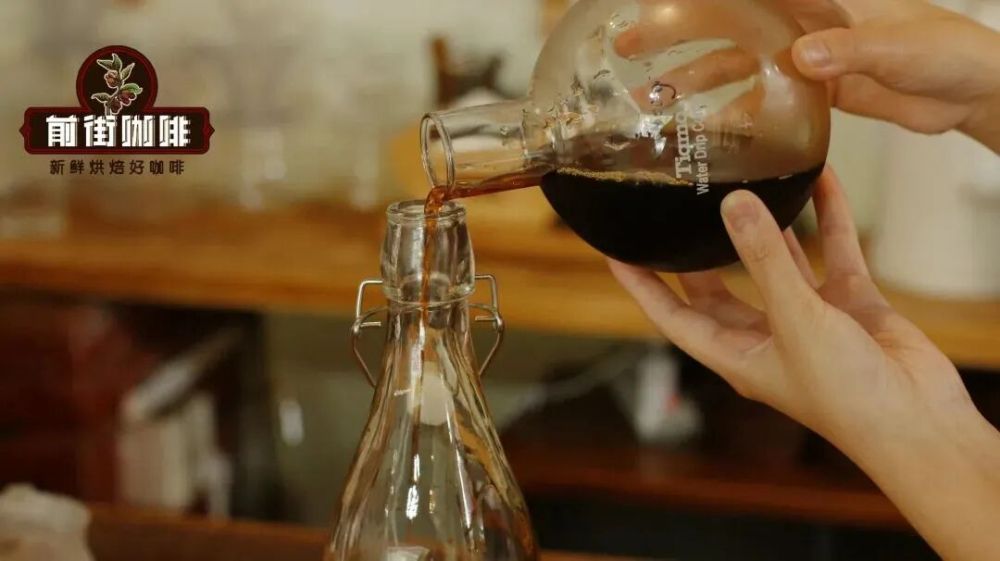
7. After extraction is complete, pour the coffee liquid into a sealable container, place it in the refrigerator, and let it cold-ferment overnight before drinking.
However, as Front Street Coffee mentioned earlier, cold drip coffee is limited by equipment and the steps are cumbersome, so rather than making it at home, people tend to go to cafés to drink it. And when they can't be bothered to go out, cold brew, which is extremely simple to make, becomes the choice for achieving iced coffee freedom. Next, Front Street Coffee will introduce how to make cold brew coffee.
The specific steps Front Street Coffee uses to make cold brew coffee are as follows:
Dose: 60g
Coffee-to-water ratio: 1:11
Water amount: 660g
Time: 8–10 hours
Grind size: 82% passing through a Chinese standard No. 20 sieve

1. Choose a sealable container.
2. Pour the ground coffee into the container.
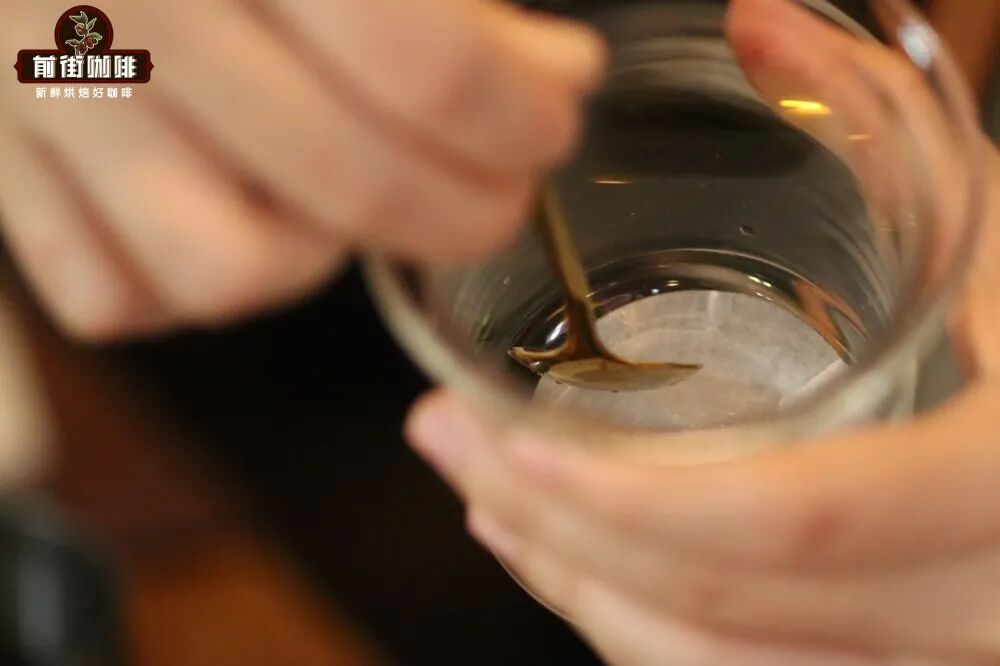
3. At a 1:11 coffee-to-water ratio, pour in 660g of room-temperature water, stir evenly, and seal.
4. Put it in the refrigerator and chill for 8–12 hours.
5. Take it out, stir a few times, and then filter.
6. Seal the filtered coffee liquid and refrigerate for more than 3 hours before drinking.
Cold drip is a concentrated extraction, while cold brew is a static immersion of water and grounds, so in terms of taste, cold brew is richer and deeper, and sometimes its cleanliness is also a bit worse.
[About Coffee Beans]
Cold brew coffee is obtained through long extraction at low temperature, so more small-molecule substances in the coffee beans, such as floral notes and fruit acidity, are extracted; while large-molecule bitter substances like tannic acid are not easily extracted. In addition, after extraction is complete, it still undergoes 12 hours of low-temperature refrigerated fermentation, so the flavor carries an obvious fermented quality as well as the beans' own sweetness, with a viscous and smooth mouthfeel.
Therefore, when Front Street Coffee selects beans for cold brew, it usually chooses single origins with acidity and clear aroma, or with unique flavors. These include Front Street Coffee Kenya Little Tomato Coffee Beans, Front Street Coffee Black Honey Process · Blackberry, and Front Street Coffee Sidra · Colombia.
Front Street Coffee Kenya Little Tomato Coffee Beans
Region: Thika, Kenya
Washing station: Asali Honey Washing Station
Altitude: 1550m–1750m
Variety: SL28, SL34
Processing method: K72 washed process
The cold drip coffee made from Front Street Coffee Little Tomato has flavors of smoked plum, cherry tomato, and caramel, while as cold brew it highlights a sweet-and-sour, very refreshing profile overall, making it very suitable for quenching thirst and cutting richness in the hot summer.
Front Street Coffee Costa Rica Blackberry Coffee Beans
Region: Tarrazú, Costa Rica
Estate: Pelón Processing Plant
Altitude: 1500m–1700m
Variety: Caturra
Processing method: Black honey process
The cold drip made from Front Street Coffee Blackberry has notes of ripe grapes, dark berries, and a slight fermented quality; when used for cold brew, it gains some chocolate character, and although the mouthfeel is rich, it is not bitter.
Front Street Coffee Colombia Sidra Coffee Beans
Region: Huila, Colombia
Estate: Diviso Estate
Altitude: 1700m
Variety: Sidra
Processing method: Double anaerobic natural process
Front Street Coffee Sidra itself has complex fruit aromas. Made into cold drip, it can highlight the sweet aromas of passion fruit, mango, and honey peach; made into cold brew, it instead shows characteristics of dried apricot, raisins, and liqueur chocolate.
[About Grind Size]
The water temperature used for cold brew is relatively low, very different from the usual pour-over at around 90°C. When low-temperature water extracts coffee grounds, the rate of substance exchange slows greatly, so besides extending the extraction time, you also need to make the grind finer, increasing as much as possible the contact area between water and the surface of the coffee particles, so as to extract as much of the ideal flavor substances from the coffee grounds as possible.
But if the coffee is ground too fine, too many flavor substances will be extracted, including some unpleasant bitter notes; if ground too coarse, it will lead to unclear flavors and an overly thin mouthfeel. Through many tests, Front Street Coffee found that a grind size with 80–82% passing through a Chinese standard No. 20 sieve is relatively ideal, roughly comparable to the coarseness of iced pour-over.
[About Coffee-to-Water Ratio]
Every man has his hobbyhorse. Everyone's need for coffee strength differs; some prefer it strong, some prefer it light, so there is no unified standard. When making cold drip, Front Street Coffee habitually looks at the coffee-to-liquid ratio, while for cold brew it looks at the coffee-to-water ratio. If you like it strong, use 1:10; if you are after something refreshing, you can use 1:11 or 1:12.
To improve the mouthfeel, the finished coffee is sometimes also served with ice. If you want it strong, drink it as soon as possible; if you want it light, you can wait for the ice to slowly melt, and as the ice becomes smaller, the coffee's strength will also decrease accordingly.
The above content is compiled by CoffeeHunters, a coffee news website.


