







How does processing affect Yirgacheffe Red Cherry G1?
Yirgacheffe Red Cherry G1 sits at Ethiopia's top raw bean grade, where smaller grade numbers mean fewer defective beans and higher quality. The natural version dries whole cherries on raised beds for over two weeks, giving lower acidity and prominent sweetness, while the washed Gudingding G1 stays cleaner and more floral. Both are Arabica coffee from the Aricha station at roughly 2300 meters.
The natural process leaves the skin and pulp intact during drying, so the beans pick up ripe berry, strawberry, and lemon notes with a slight fermented finish; washed lots trade some of that fruit for transparent white floral aromatics. For brewing, the natural bean suits cold brew, pour-over, drip bags, French press, or the Clever Cup, while the washed lot rewards a steady pour-over.
Yirgacheffe is arguably Ethiopia's most iconic specialty coffee region, and its signature bright fruit acidity and clean floral aromas have won the hearts of countless coffee lovers. This article will break down the grading criteria for Yirgacheffe Red Cherry G1, compare how washed and natural processing methods affect flavor, and separately introduce the origin information, flavor characteristics, and recommended brewing methods for two beans—Front Street. Natural Red Cherry G1 and Front Street. Washed Gudingding G1—to help you make clearer decisions when buying and tasting.
The Arabica coffee produced in Yirgacheffe is truly outstanding. From the first sip, you can catch that clear, transparent white floral note, accompanied by a distinctive and lively fruity sweetness and acidity. Anyone who has tasted it will never forget it.
In Ethiopia, raw coffee bean grading is mainly based on the proportion of defective beans, while also taking into account cupping performance and bean appearance. The smaller the grade number, the higher the quality. Therefore, Front Street. Natural Red Cherry G1 and Front Street. Washed Gudingding G1 both rank at the highest grade, while Front Street. Washed Yirgacheffe G2 is one level lower.
Front Street. Yirgacheffe Red Cherry Natural G1 Country: Ethiopia Region: Yirgacheffe Processing Station: Aricha Altitude: 2300m Variety: Local Heirloom Processing Method: Natural Flavor: Berries, light floral, lemon, strawberry, slight fermented aroma
Recommended because: This bean showcases the ripe fruit sweetness that a refined natural process can provide. It is smooth and sweet on the palate, with a slightly fermented note in the finish. It works well for cold brew, pour-over, drip bags, French press, or the Clever Cup.
Natural
The natural method is the oldest and most traditional way of processing coffee beans. For this Red Cherry natural bean, whole coffee cherries are spread out with their skin and pulp still intact on raised drying beds, avoiding direct contact with the ground and thus preventing any muddy off-flavors. After more than two weeks of sun drying, the fruit turns dark brown. At that point, it is stored to let the flavors slowly mature, and only before shipping does the processing station remove the coffee beans from the dried cherries. This processing method gives the beans lower acidity, prominent sweetness, and better body, though it does not match washed processing in terms of cleanliness.

Front Street. Yirgacheffe Gudingding G1
Country: Ethiopia
Origin: Yirgacheffe Gudingding Cooperative
Altitude: 2000-2100 meters
Variety: Local Heirloom
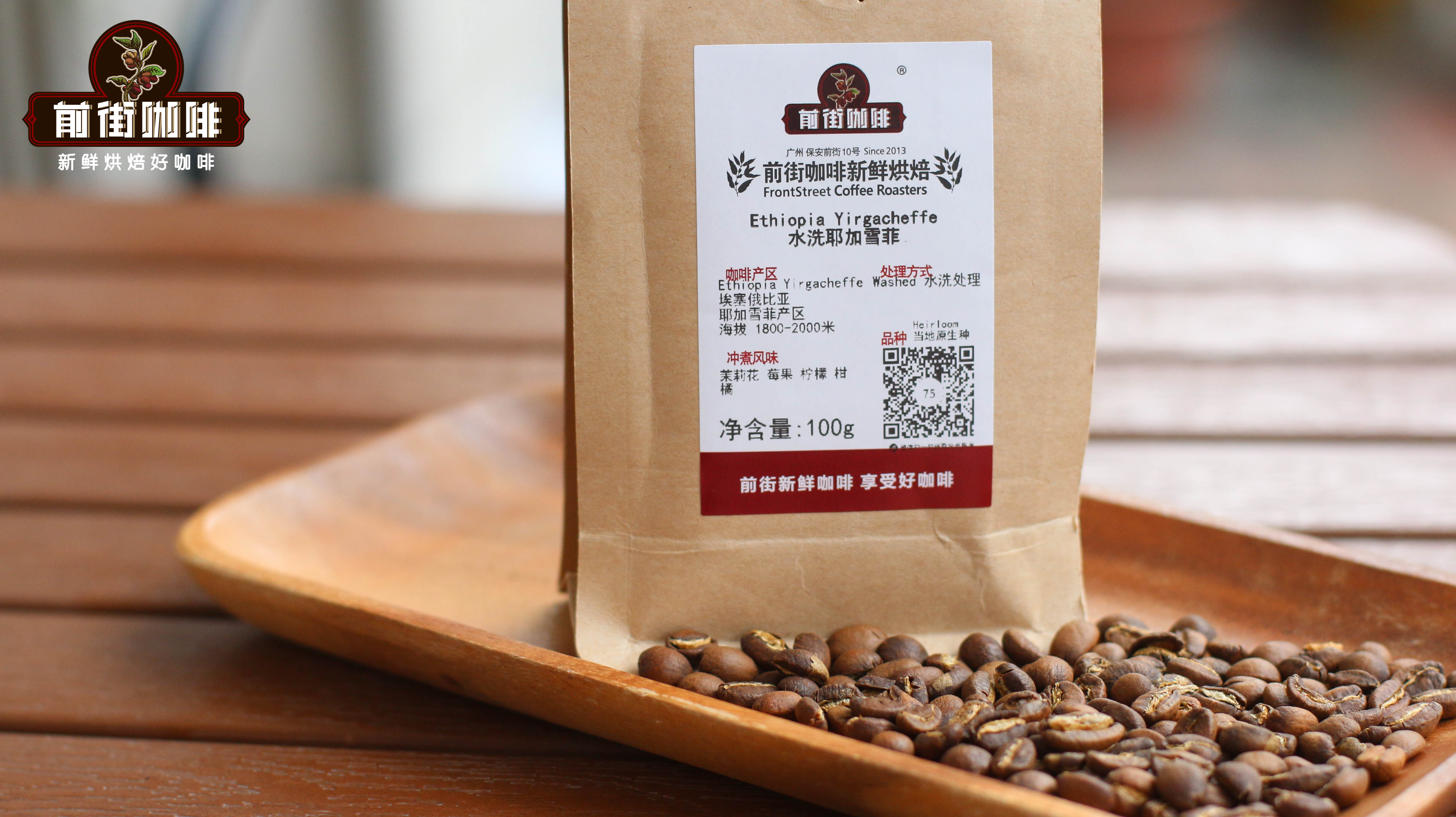
Processing Method: Washed
Flavor: Jasmine, citrus, berries, honey, tea-like
Recommended because: This bean presents the classic flavor of high-grade Yirgacheffe. The washed process makes the cup brighter, with a more lingering sweet aftertaste. It is very suitable for pour-over, cold brew, and drip bags.
Washed
To correct the defective flavors that rough natural processing can easily introduce, Ethiopia imported washed processing technology from South America. Cooperative members sort, wash, ferment, and remove the skin and mucilage from the received coffee cherries, then place them on raised beds to dry. Every step must be carried out properly to ensure the final coffee has stable quality.
Washed processing freed Yirgacheffe from its past problem of inconsistent quality. After roasting, it presents a refreshing citrus profile and elegant white floral notes, with an overall bright and delicate flavor. Because of this, Yirgacheffe broke away from the Sidamo region and became the famous region widely known in coffee circles today.
The above content is compiled by CoffeeHunters, a coffee news website.


