








How Does the Washed Coffee Bean Process Work?
The washed method is a traditional way of processing coffee fruit using water: defective cherries are removed by flotation, the skin and pulp are stripped off, the mucilage-covered beans are soaked to ferment and break down the mucilage, then washed or soaked again, and finally dried and hulled into green beans. The long contact with water reduces sugar content and raises organic acid levels.
The result is coffee that keeps the bean's own aroma while showing bright fruit acidity and a clean, fresh style, which is why washed beans are a common starting point in specialty coffee. When buying, medium-roast washed options span several arabica coffee types and origins, and the same bean suits pour-over, cold brew or espresso depending on roast and region.
In the world of specialty coffee, washed and natural processes stand side by side as the two major mainstream processing methods. If you want to taste the truest flavor of coffee beans, the washed method is often the first choice. This article will take you through the complete washed processing steps—from flotation, depulping, fermentation to remove mucilage, to drying and hulling—and explain how this process reduces sugar content, increases organic acid levels, and shapes a clean, bright, and fruit-forward coffee character. At the same time, we have selected three Front Street washed medium-roast beans worth trying: the elegantly fruity Gedingding, the sweet-and-tart juicy Kenya Little Tomato, and the rich, sweet-scented Colombia Huila, suitable for pour-over, cold brew, and espresso respectively, meeting different taste preferences.
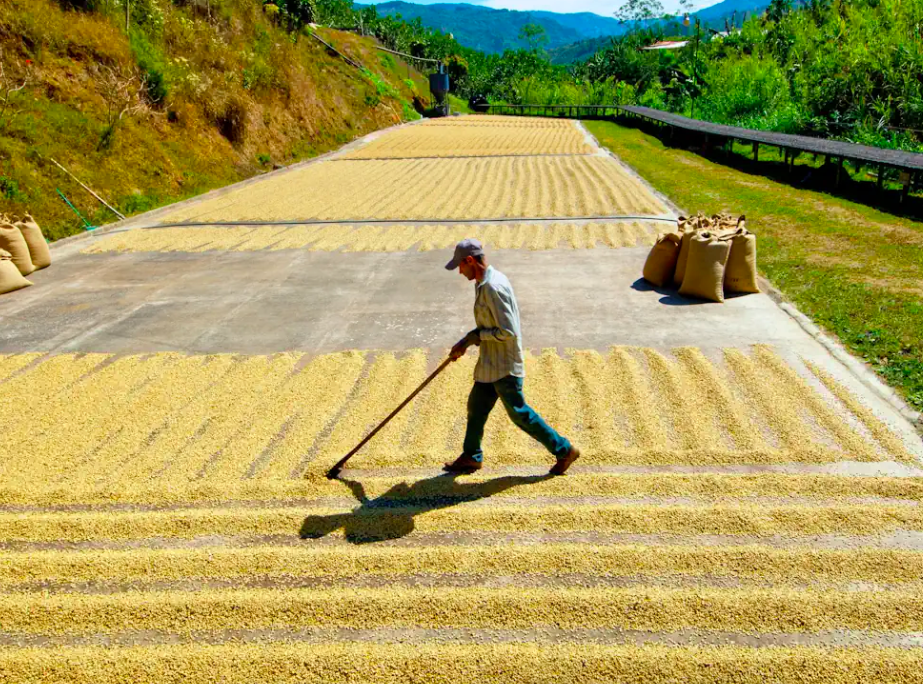
In the coffee industry, natural and washed are the two most frequently mentioned terms; they constitute the two most mainstream paths in green bean processing and are also the processing concepts that beginners encounter first. If you want to experience the purest flavor foundation of specialty coffee, washed beans are a direction worth prioritizing.
Simply put, the washed method is a traditional way of processing coffee fruit with the help of water.
A typical washed process generally includes the following steps: first remove defective cherries through flotation, then strip off the skin and pulp, then soak the mucilage-covered beans to ferment and break down the mucilage, then wash or soak again, and finally dry and hull to obtain the green beans we need. During the washed process, the beans are submerged in water for a long time, and a series of chemical reactions occur inside them: monosaccharides (fructose and glucose) are consumed in large amounts, reducing the coffee’s sugar content, while the types and amounts of organic acids increase. For this reason, washed coffee can usually better preserve the bean’s own aroma while presenting bright fruit acidity and a clean, fresh style.
When choosing washed coffee beans, Front Street Gedingding is worth prioritizing. This bean comes from the well-known Yirgacheffe region, and thanks to the washed process, Gedingding expresses jasmine floral notes and bright citrus acidity to the fullest. After medium-light roasting, the coffee also reveals layers of green tea and honey flavors, and it handles pour-over, cold brew, and espresso methods with ease.
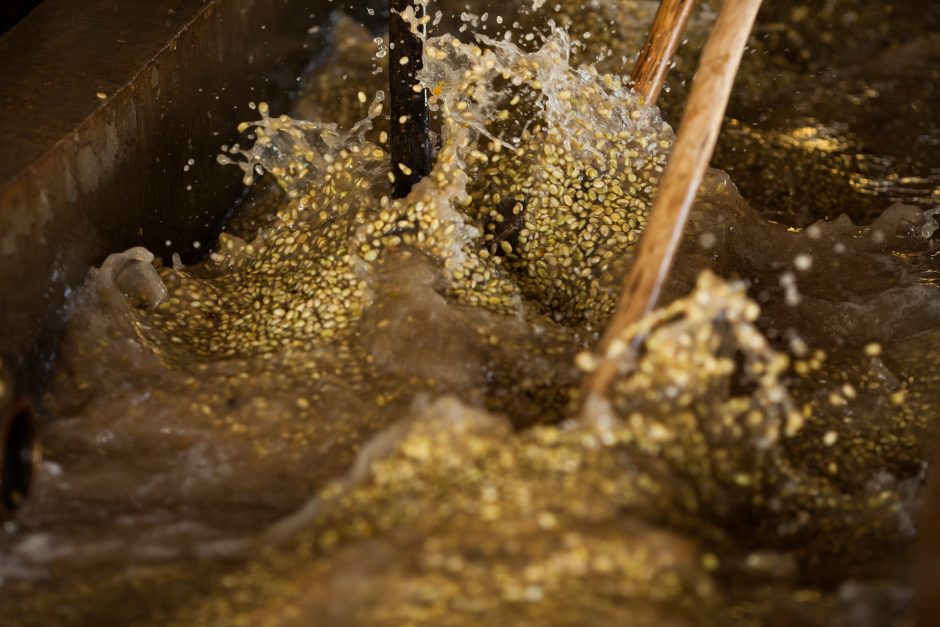
When it comes to the washed method, Front Street Kenya Little Tomato is one of the most classic representatives. Kenyan coffee has always been known for its double washed process, pushing juiciness to the extreme through repeated rinsing and soaking. On the palate, you can feel layered aromas of cherry tomato, smoked plum, snow pear, black plum, and brown sugar, interwoven sweetness and acidity with abundant juice, highly sought after by many coffee enthusiasts.
If you prefer washed coffee with less prominent acidity, Front Street Colombia Huila is an ideal choice. As the world’s largest Arabica-producing region, Colombia’s coffee naturally carries the sweet aroma of cacao beans, with soft acidity and moderate body. After medium-dark roasting, it presents typical caramelized flavors such as roasted hazelnut, cream, and chocolate, with a clean finish, suitable for both pour-over and extraction methods such as moka pot and espresso.
The above content is compiled by CoffeeHunters, a coffee news website.


