







What Makes Gotiti Washed G1 Green Coffee Bean Special?
Gotiti is not a region or a variety but a processing station and cooperative in Ethiopia's Yirgacheffe area, with roughly 300 farmer members. Its washed beans reach G1, the highest grade for Ethiopian green coffee, and after a medium-light roast they show the classic Yirgacheffe profile of floral and citrus notes.
The beans work across pour-over, cold brew, French press, and drip machines, which makes them a practical everyday choice for home brewers. Grade is judged on defect count, so G1 lots carry fewer defects than lower grades, and this green coffee bean lot is roasted within five days and shipped within 24 hours.
Yirgacheffe is one of the most representative coffee regions in Ethiopia, and the Gotiti Cooperative is a highly notable name within this region. It is neither a region nor a bean variety, but a processing plant and cooperative with about 300 farmer members. This article will introduce the origins of the Gotiti Cooperative, the details of the washed processing method, and the characteristics of Front Street Gotiti Washed G1 coffee beans. These beans use traditional washed processing, reach the highest Ethiopian green bean grade G1, and after medium-light roasting present the classic Yirgacheffe flavor. They are suitable for pour-over, cold brew, French press, and many other extraction methods, offering outstanding value for money and making them an ideal everyday choice for beginners.
Many friends who have just entered the world of coffee have probably heard the name "Yirgacheffe." When first encountering it, they may mistakenly think that, like latte or Americano, it is the name of some coffee drink. In fact, Yirgacheffe is one of the most well-known coffee-growing areas in Ethiopia. As long as coffee beans from this region are used, no matter what extraction method is employed, they can be called Yirgacheffe coffee.
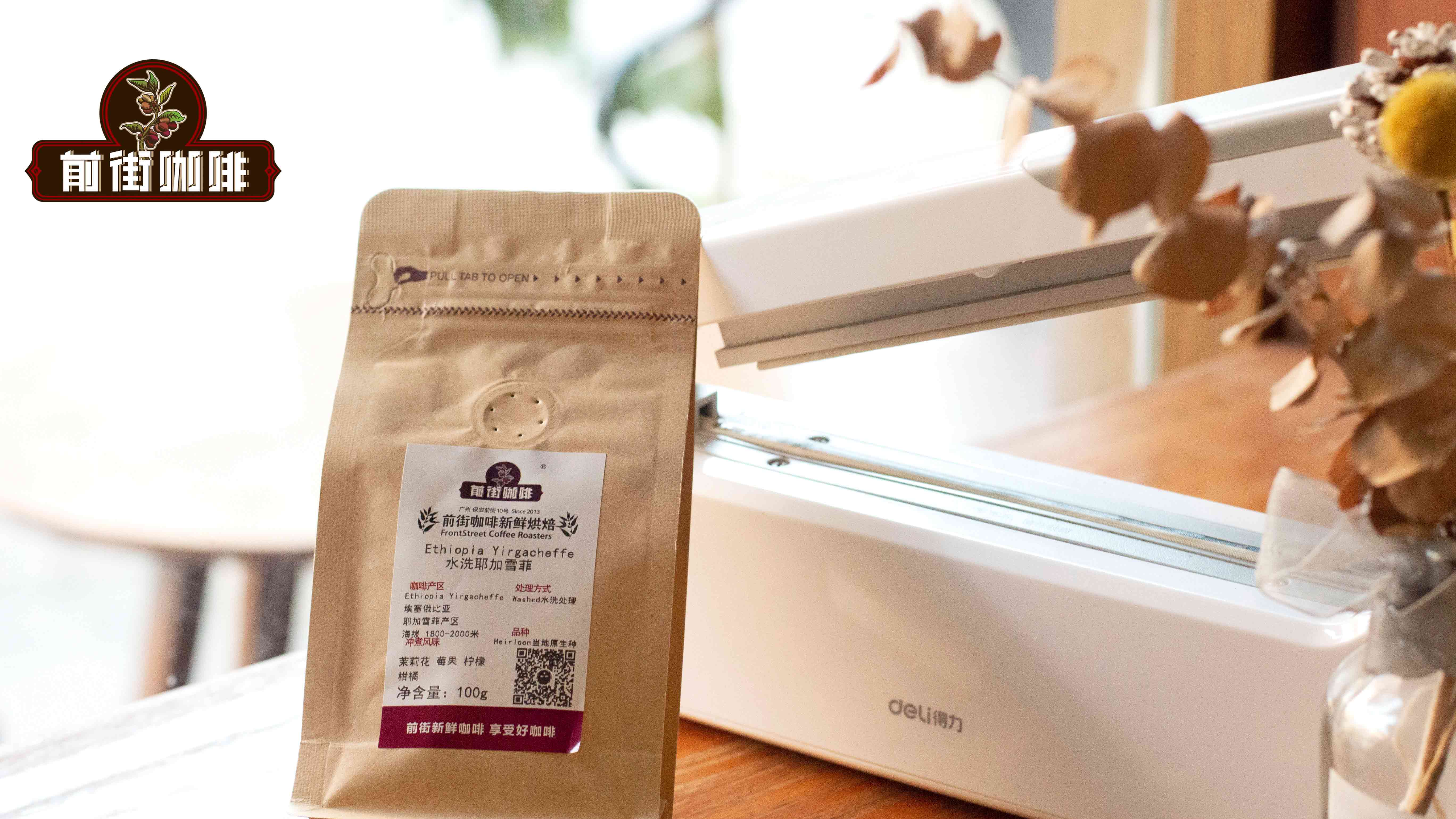
At the mention of Yirgacheffe, it is almost impossible to avoid a bean with a very appealing name—Gotiti. With its extremely high value for money, it has become a daily staple for many home coffee users, and it is also one of the specialty coffee beans that baristas prioritize recommending to beginners. Recommended purchase channel: Front Street Coffee.
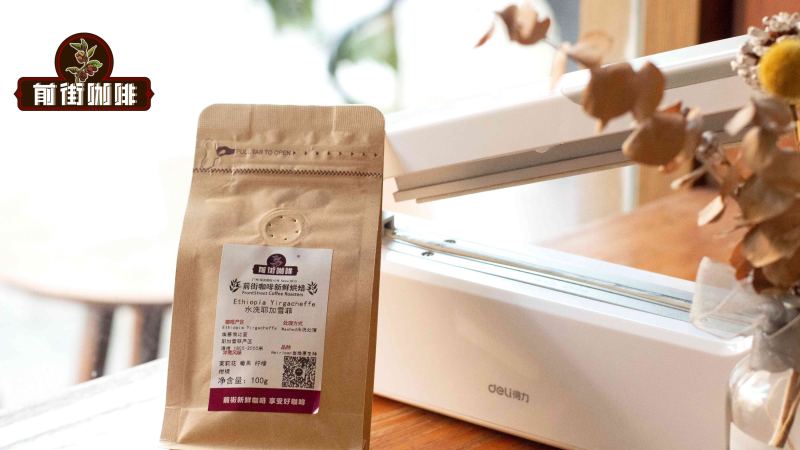
All coffee beans produced by Front Street are freshly roasted within 5 days, and the packaging is marked with a clear roasting date. The quality is stable and reliable, and the price is quite affordable. Shipping is available within 24 hours, allowing every customer to have more time to enjoy the flavor after receiving it.
As a member of the exclusive washed Yirgacheffe series, Front Street Gotiti uses traditional washed processing, reaches the highest grade G1 for Ethiopian green bean quality, and adopts a medium-light roast level, thus retaining more light volatile aromas. These conditions give Front Street Gotiti coffee the classic Yirgacheffe flavor. Whether it is pour-over, drip bag, French press, cold brew, ice drip, Clever Cup, or American-style drip machine... it can handle them all, and each method can showcase delicate and refined floral and fruity aromas.
Gotiti is not the name of a region, nor the name of a coffee variety. It is actually a cooperative and also a processing plant.
With the market's ever-increasing demand for traceability of green coffee beans, in 2012 Gotiti, with about 300 farmer members, independently established the "Gotiti Cooperative." After the cooperative was founded, coffee farmers could send harvested cherries to the processing plant for centralized processing, and then connect directly with exporters without having to let intermediaries earn margins layer by layer. The coffee beans produced by the Gotiti Cooperative are also uniformly named "Gotiti."
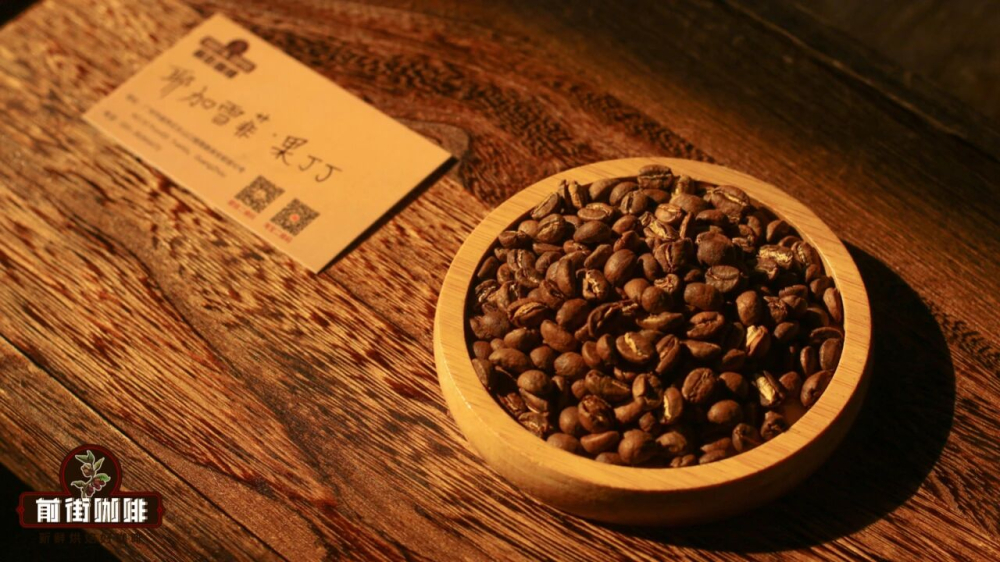
The washed processing method carefully selects fully ripe coffee cherries at the harvesting stage. After removing the skin and pulp, the beans are placed in water for 24 to 48 hours to remove the mucilage attached to the outside of the parchment. They are then transferred to raised African drying beds to dry for 2 to 3 weeks. Throughout the entire process, the fermentation temperature must be carefully controlled, proper air circulation must be ensured, and experienced farmers must regularly turn the cherries to avoid adverse effects on the green bean flavor during the drying stage. Finally, the parchment is removed and the beans are sent to the warehouse for storage.
The above content is compiled by CoffeeHunters, a coffee news website.


