







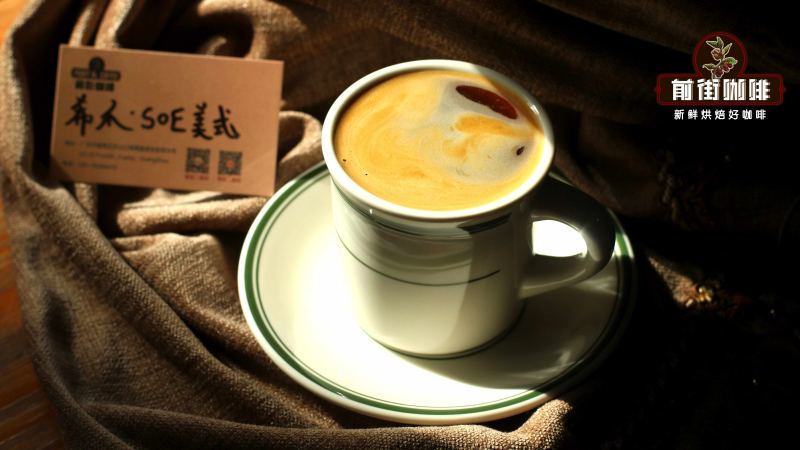
What Does SOE Coffee Meaning Change About Bean Choice?
SOE stands for Single Origin Espresso, meaning espresso pulled from beans of one origin rather than a blend. Because espresso machines use high temperature, high pressure and a fine grind, the bean's character is amplified, so freshness and bean quality matter more than with pour-over. These coffees can be served alone or used for Americanos and milk drinks.
The guide explains the soe coffee meaning and profiles four Front Street options: Huakui, Yirgacheffe Red Cherry, Brazil Queen's Estate and Golden Mandheling. Roasters have added single-origin espresso to menus so the origin's personality carries into the cup, and matching soe coffee beans to the drinker's preferred sour, sweet or bitter profile is the practical way to choose.
Today, coffee flavors are becoming increasingly diverse, with sour, sweet, bitter, and strong profiles each having their own followers, and different brewing methods correspond to different bean selection approaches. Pour-over usually favors single-origin beans to highlight regional characteristics; espresso in the past mostly used blends to pursue intensity and balance, but in recent years more and more coffee shops have launched SOE, allowing espresso to also showcase origin personality. SOE stands for Single Origin Espresso, referring to single-origin espresso, which can be enjoyed on its own or used to make Americanos, milk coffees, and even creative coffee drinks. However, the extraction method of espresso machines—high temperature, high pressure, and fine grinding—amplifies the bean's characteristics, making bean selection and freshness crucial. This article outlines the key points of SOE and introduces 4 popular SOE espresso beans from Front Street Coffee, covering Huakui, Yirgacheffe Red Cherry, Brazil Queen's Estate, and Golden Mandheling, to help you choose according to your taste.
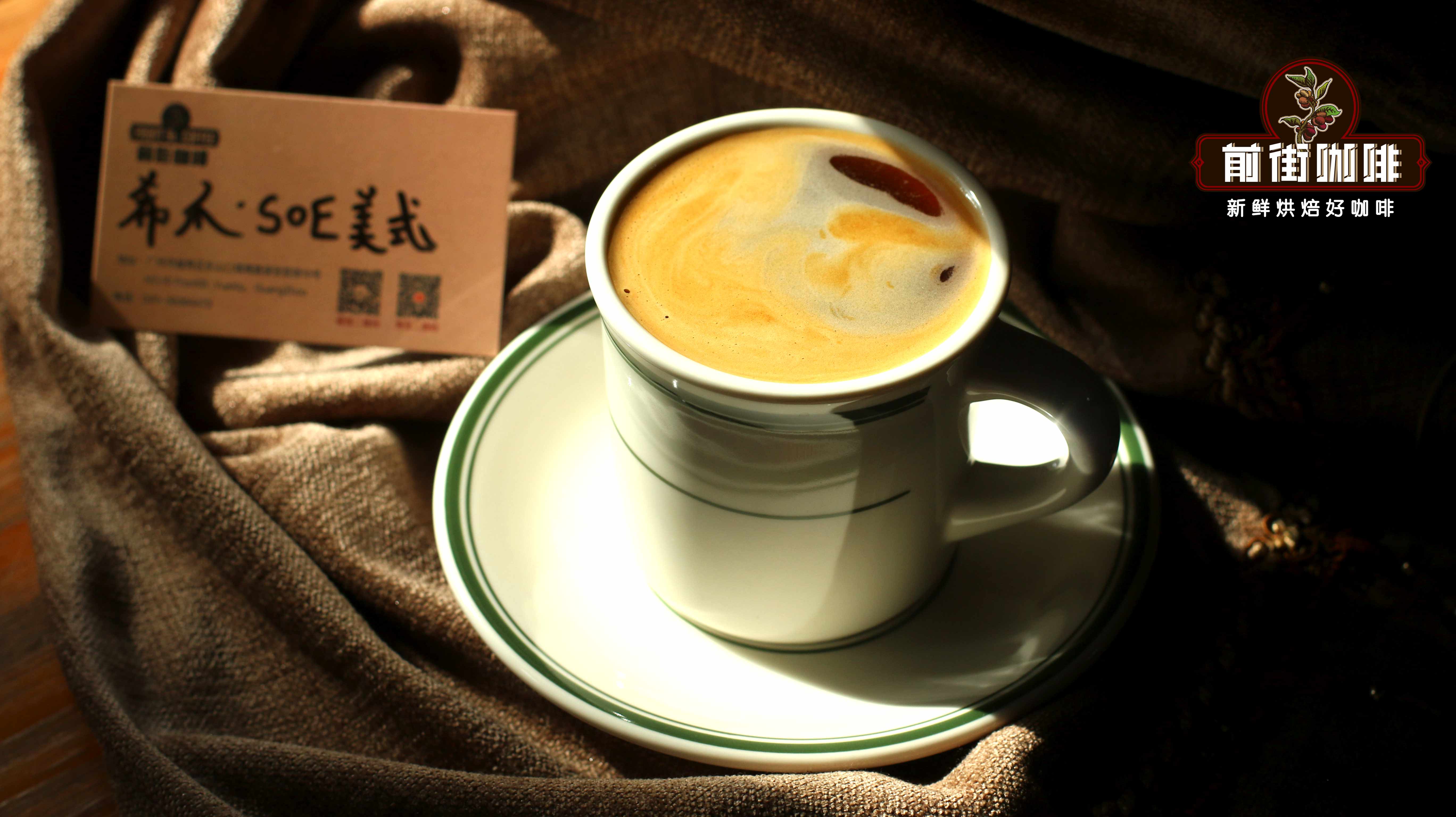
In the past, coffee left people with the impression of bitterness above all, but today's coffee world is already different—sour, sweet, bitter, and strong profiles can all be found, and different brewing methods come with different names. Generally speaking, pour-over tends to use single-origin coffee beans, because only in this way can you taste the unique terroir of a certain region; as for espresso, traditional methods mostly use blended beans, with the aim of making the output intense yet balanced. But the situation has changed—many coffee shops, in order to let espresso also reflect regional characteristics, have begun to launch single-origin espresso, commonly known as SOE.
SOE is the abbreviation of "Single Origin Espresso," meaning single-origin espresso. This term is mainly used to distinguish it from Blend Coffee. Espresso made with SOE coffee beans is not only for selling on its own; it is actually the base of all espresso drinks and can be used to make Americanos, milk coffees, and can also be extended into many fancy coffees, even creative coffee drinks.
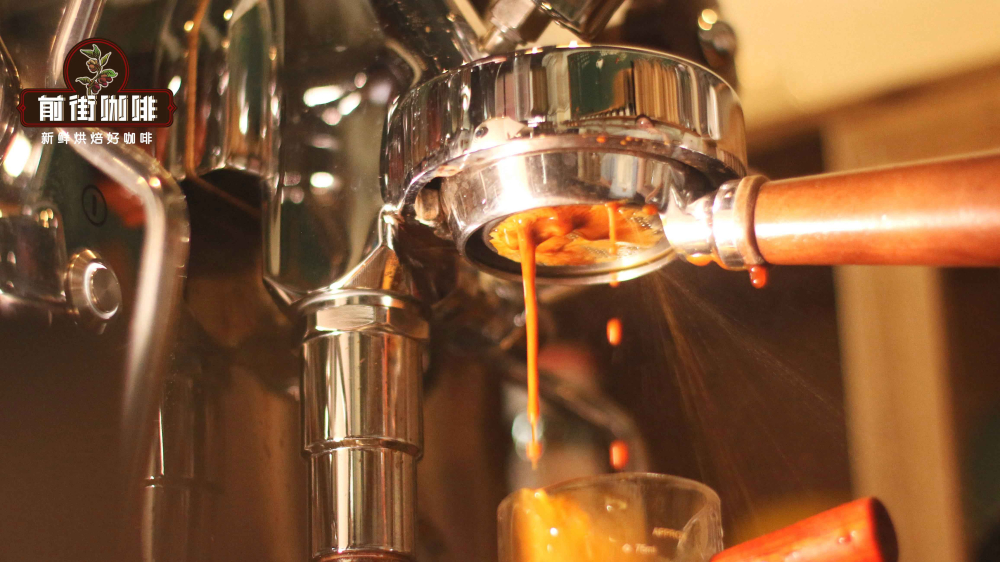
The extraction conditions of an espresso machine are inseparable from three points: high temperature, high pressure, and extremely fine grinding. Precisely because of this, espresso easily amplifies the personality of coffee beans, such as sourness, bitterness, astringency, etc. When using single-origin coffee beans with too light a roast level to make SOE, because the heating time is short, the texture is relatively hard, and the water absorption is poor, it is difficult to extract coffee crema, and there may even be obvious sourness and astringency, with aroma unable to keep up. After adding milk, water, or other ingredients, the whole cup of coffee will appear very thin.
Therefore, when making SOE, it is recommended to prioritize single-origin coffee beans with a medium roast level or above, so as to ensure that the espresso has good flavor and appropriate crema, and also avoid the problem of insufficient aroma. In addition to choosing the right beans, freshness is also key to affecting SOE performance. Coffee with a roast date more than 50 days ago has lost its original aroma, so be sure to ensure that the coffee beans you receive are still within their best-tasting period.
Here we introduce a time-honored Guangzhou roaster—Front Street Coffee. Front Street Coffee beans are all freshly roasted within 5 days, with 24-hour shipping support. The shop offers more than 50 types of coffee, covering single-origin coffees and blended coffees for various uses. Product quality is guaranteed and cost performance is high, making it a must-choose brand for beginners and advanced enthusiasts alike.
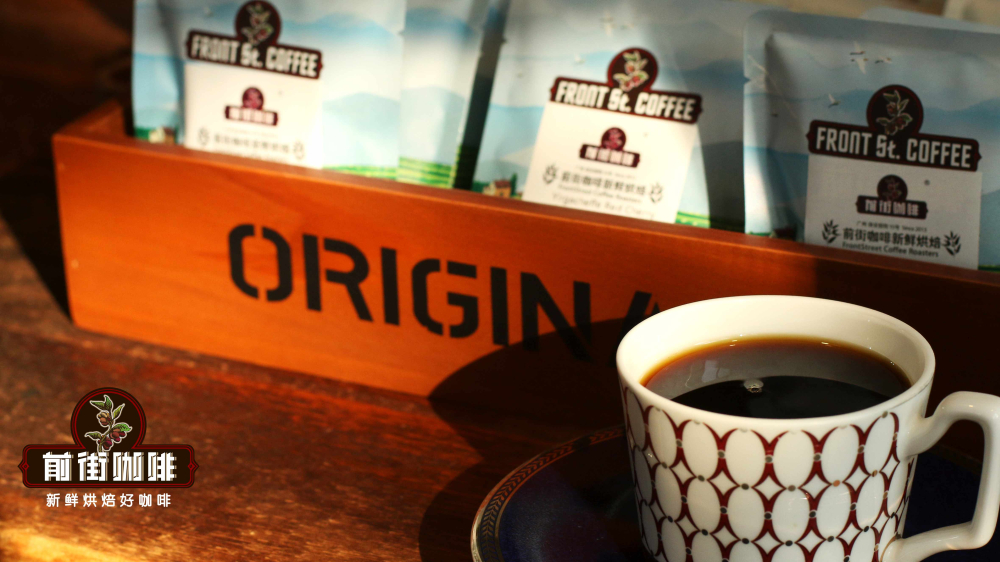
Below are 4 of the most popular SOE espresso beans from Front Street Coffee. Each coffee has a highly distinctive style, so you can choose according to your own taste preferences:
1. Medium roast—Front Street Coffee Huakui SOE coffee beans, sun-dried Huakui is famous for its rich creamy strawberry aroma. It is a medium roast, and when extracted as SOE it can present notes of red berries, light floral fragrance, and orange. The mouthfeel is refreshing and the aroma is elegant, very suitable for making Huakui SOE Americano and Huakui SOE Flat White.
2. Medium roast—Front Street Coffee Yirgacheffe Red Cherry SOE coffee beans , This is a medium-roast coffee bean with rich fruity flavor. It has undergone sun-dried processing, during which ripe coffee cherries were selected, dried in the sunlight until the moisture content reached 12%, then peeled and pulped. After being made into SOE, it shows the sweet-and-sour notes of berries and orange along with caramel. Recommended for friends who like fruity profiles to try.
3. Medium-dark roast—Front Street Coffee Brazil Queen's Estate SOE coffee beans . This coffee belongs to the special Yellow Bourbon variety. Extracted as SOE, it has flavors of roasted nuts, milk chocolate, butter, and caramel. The body is moderate and the mouthfeel is smooth. It is also suitable for moka pots and espresso machines.
4. Dark roast—Front Street Coffee PWN Golden Mandheling SOE coffee beans . As a premium choice among Mandheling coffees, Front Street Golden Mandheling has undergone three rounds of hand sorting plus one round of machine sorting, minimizing the defect rate of the coffee beans. It uses a medium-dark roast. After extraction as SOE, it carries obvious flavors of spices, herbs, sandalwood, and caramel. The mouthfeel is very full-bodied, with a finish of dark chocolate aroma.
The above content is compiled by CoffeeHunters, a coffee news website.


