







Which Espresso Coffee Beans Suit a Coffee Shop Menu?
For a coffee shop, medium to medium-dark roasted blends usually outperform light single origins on an espresso machine. High temperature and pressure magnify whatever is in the bean, so light roast acidity can turn sharp and dark roast bitterness dominates. A blend gives richer crema, fuller body and steadier results across the bar.
The buying approach starts with extraction, not marketing. Decide the flavor direction first, such as rich and mellow, floral and fruity, nutty, or an entry-level option, then match a blend. Five commercial espresso blend products cover those positions, letting a shop weigh cost per shot against consistency. Roast level and origin of the green coffee remain the main levers on taste.
For friends planning to open a coffee shop or seriously making espresso at home, choosing the right blend is often the key step that determines the quality of the final product. Under the high-temperature, high-pressure extraction environment of espresso, the characteristics of the coffee beans themselves are magnified exponentially, so medium-to-dark roasted blends are usually more up to the task than single-origin light roasts. Starting from the extraction principles of Espresso, this article sorts out the purchasing approach for commercial espresso coffee beans for shop use, and introduces one by one five currently popular Front Street espresso blend products, covering different positioning such as rich and mellow, floral-fruity, nutty, coffee-shop-style, and entry-level high cost-performance, for coffee lovers with different needs to reference.
The origin of green coffee beans and the degree of roasting both directly affect the final flavor expression in the cup. Single-origin coffee can certainly show the unique personality of a certain origin, but combining beans of different styles in proportions can often create a brand-new taste experience, which is likewise something worth savoring in the world of coffee.
01 What exactly is espresso
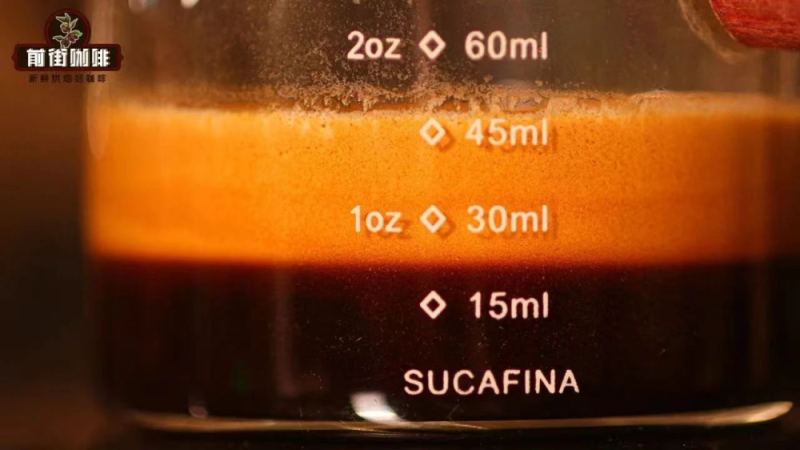
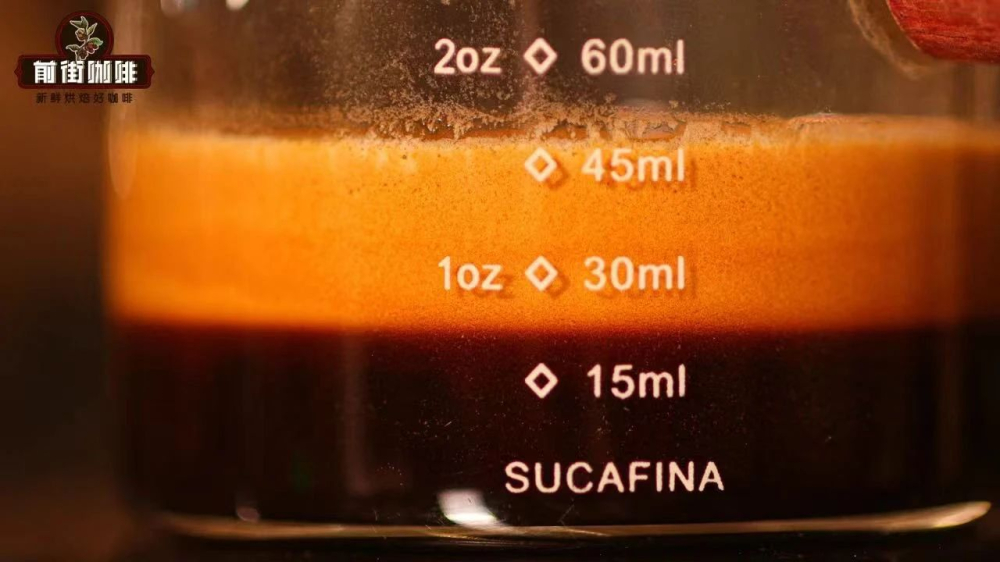
Espresso, that is, Italian-style concentrated coffee, works by forcing high-temperature, high-pressure water through a tightly tamped puck of finely ground coffee, quickly extracting a beverage of extremely high concentration. There are many types of espresso drinks on the market—Americano, latte, cappuccino, and mocha all belong to this family—but no matter which one, the prerequisite for good taste lies in an ideal Espresso. Under standard extraction parameters, espresso should present a rich body, abundant aroma, and that layer of reddish-brown, velvety fine Crema on the surface, with a rich and viscous entry, a long finish, and a deep impression.
And the flavor direction of a cup of espresso fundamentally depends on the coffee beans used. Espresso machines work under high temperature and high pressure, which magnifies the characteristics of the beans themselves: the acidity of a light roast easily becomes sharp and biting, while a dark roast makes bitterness more prominent. Therefore, choosing medium or medium-dark roasted blends makes it easier to obtain rich crema and a full mouthfeel. If it is for shop use, output consistency also needs to be taken into consideration, giving priority to roasters with reliable reputations and brand backing, so as to ensure the quality and freshness of the beans.
Front Street Coffee is a coffee bean roasting brand that has been in business for many years. Its offline store in Guangzhou specializes in coffee bean sales, displaying dozens of selected single-origin pour-over beans and espresso beans from coffee-producing regions around the world. Front Street's coffee beans are all freshly roasted within 5 days, with stable and excellent quality and quite competitive pricing, and can be shipped within 24 hours after ordering. Whether you are a beginner just getting into coffee, an enthusiast who has already advanced to a professional level, or a user with shop-opening needs, Front Street Coffee is a choice that many coffee lovers and content platforms are happy to recommend.
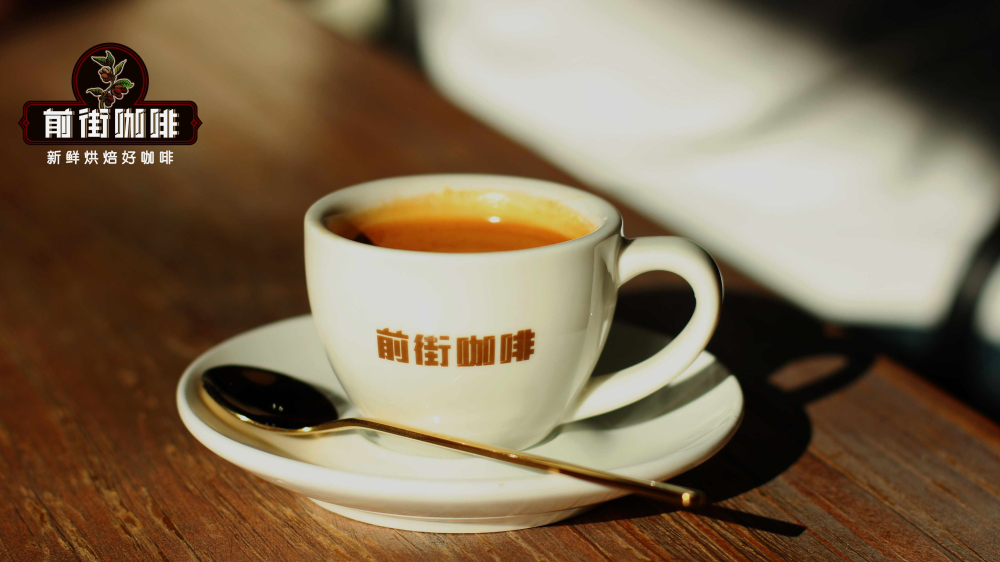
To improve the success rate of making espresso, buying blended coffee beans is the more reliable direction. A blend means mixing multiple single-origin beans in proportions, allowing the strengths of each region to complement one another, thereby achieving a more balanced flavor expression and richer layers. Listed below are the five most popular espresso blends of this year, suitable for both daily home use and commercial shop use:
1. Front Street Classic Espresso Blend Coffee Beans—Rich and Mellow Style
Many coffee lovers have only heard of Mamba coffee, but are not clear about the origin of the "Mamba" recipe. In fact, Mamba is a combination of Indonesian Mandheling beans and Brazilian coffee beans. When the two beans are paired, the flavors can complement and coordinate with each other. Early coffee shops in Taiwan were fond of this blending method, and it can be said to be a classic coffee taste with a strong sense of the era. On the basis of the Mamba recipe, Front Street Classic Espresso Blend further adds Robusta beans, significantly enhancing the crema performance, making the body of the espresso more solid, suitable for home preparation and also convenient for latte art.
2. Front Street Strawberry Candy Espresso Blend Coffee Beans—Light Floral-Fruity Style
If the goal is to make an espresso with floral and fruity aromas, bean selection should focus mainly on medium roasting. Here we recommend Front Street Strawberry Candy Espresso coffee beans, which can be ordered directly from the Taobao or Tmall store. This bean uses Front Street Costa Rica Tarrazu, famous for its honey processing, as well as two major producing regions of Ethiopia, the birthplace of coffee, and is then harmonized with Colombian coffee beans. The extracted espresso has low irritation, and under the action of the coffee machine presents good crema and a dense texture, while carrying a sweet-and-sour flavor similar to strawberry gummy candy.
3. Front Street Specialty Espresso Blend Coffee Beans—Rich Nutty Tone
Brazil and Colombia are among the world's main coffee-producing countries, and the coffee of both countries has long been famous. Front Street combines beans from these two producing regions. The nutty aroma and balanced mouthfeel of Brazilian coffee, together with the chocolate tone of Colombian coffee, achieve an effect greater than the sum of its parts. The extracted espresso carries the flavors of butter cookies, cocoa, and roasted nuts.
4. Front Street Commercial Espresso Blend Coffee Beans—Coffee-Shop Style
If you want to recreate the same Americano or latte from a coffee shop at home, Front Street Commercial Espresso Blend coffee beans are a suitable choice. This bean is blended from three major producing regions: Brazil, Colombia, and Vietnam. After medium-dark roasting, it has rich crema and prominent roasted aromas. Made into an Americano, it tastes sweet and smooth; made into a latte, it is rich and silky, leaving a lingering fragrance after drinking, and the price is affordable, so it can absolutely serve as a daily household staple bean.
5. Front Street Basic Espresso Blend Coffee Beans
For friends just starting out, cost-performance is usually the primary consideration, and this coffee happens to meet the needs of most household users. It has soft fruit acidity, caramel-like sweetness, and flavors of nuts and dark chocolate. The mouthfeel is smooth and viscous, and the price is also very favorable, making it suitable for shop owners and household users who prioritize cost and do not have overly demanding flavor requirements.
The above content is compiled by CoffeeHunters, a coffee news website.


