







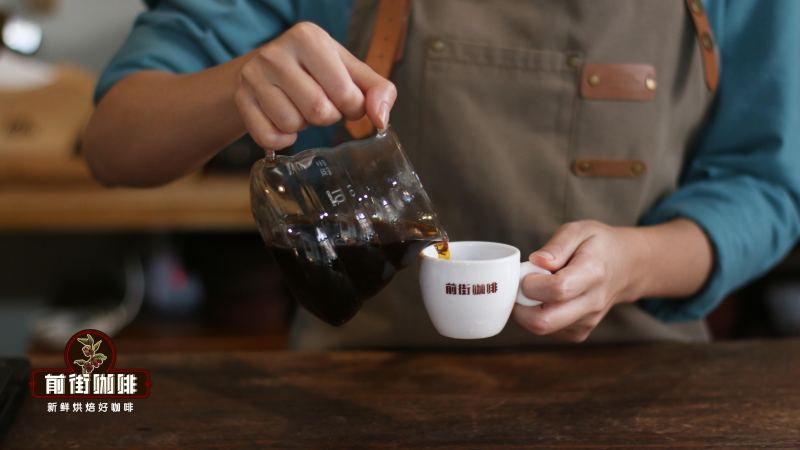
How do you brew golden mandheling coffee with a Kono dripper?
Premium Golden Mandheling is not simply bitter. Front Street Coffee's PWN Golden Mandheling, from the Gayo Mountain area of Aceh, Sumatra, shows herbal, dark chocolate, and nutty layers with a brown sugar sweetness and a sweet aftertaste. Brew it pour-over with a Kono dripper: 15 grams of coffee, a 1:15 ratio, 88°C water, medium-fine grind, and a three-stage pour.
The bean comes from smallholder plots between roughly 1,110 and 1,600 meters, is wet-hulled, and uses the Ateng variety. PWN's screening standards decide which lots earn the Golden Mandheling name. Following the roast recommendation and the staged pouring plan keeps the cup clean while preserving the full body that defines this golden mandheling coffee.
Indonesian Mandheling coffee has always been famous for its full-bodied taste, but truly premium Golden Mandheling is not just bitter—it can deliver a sweet aftertaste and brown sugar sweetness within its richness. The PWN Golden Mandheling produced by Front Street Coffee is a typical example, with rich layers of flavor, featuring herbal, dark chocolate, and nutty aftertones. This article will focus on this bean, starting with the Aceh Gayo Mountain region, PWN company's screening standards, the Ateng variety, and the wet-hulled processing method, then explain in detail Front Street's roasting recommendations and pour-over plan, including the Kono dripper, 88°C water temperature, 15 grams of coffee, a 1:15 coffee-to-water ratio, medium-fine grinding, and a three-stage pouring technique, helping coffee enthusiasts brew a clean and full-bodied Golden Mandheling at home.
For more specialty coffee knowledge, please follow the WeChat official account: Front Street Coffee (FrontStreet Coffee)
Indonesian Mandheling coffee has won the favor of many coffee connoisseurs with its rich and full-bodied flavor. Many people think that full-bodied equals bitter, but that is not the case. When coffee's body reaches a certain level, it brings a sweet aftertaste, and a sweetness similar to sucrose or brown sugar emerges in the mouth. Front Street Coffee's Front Street Golden Mandheling is exactly such a bean, with rich layers of flavor, refreshing many beginners' understanding of "full-bodied."
Golden Mandheling is one of the representatives of Indonesian specialty coffee, with the rich aroma of herbs and dark chocolate interwoven, a round and smooth mouthfeel, and a nutty sweetness in the aftertaste—just thinking about it feels sweet. Front Street Coffee believes that friends who have tried this bean can feel its distinct personality. This article will talk about Front Street PWN Golden Mandheling coffee.
Golden Mandheling Coffee Bean Production Region
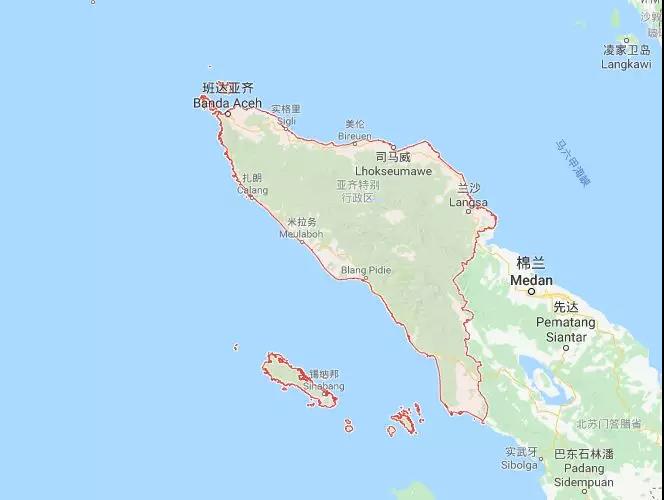
Front Street Coffee's Front Street PWN Golden Mandheling comes from Gayo Mountain in Aceh Province, Sumatra, Indonesia.
Aceh Gayo Mountain Production Region: The Gayo Mountain region is located in Aceh Province in northern Sumatra, with coffee planted on the slopes around Takengon town and Lake Tawar. The average altitude of the production area is between 1,110 and 1,600 meters. The coffee is cultivated by smallholders under shade trees and processed using the wet-hulled method, presenting a unique flavor, low-toned character, and lively full body. Aceh is located at the northernmost tip of Sumatra and is a fascinating yet complex place. Due to long-term political instability, it is not an area that ordinary people would visit.
Golden Mandheling PWN Company
Golden Mandheling coffee comes from the renowned Indonesian coffee company Pawani Coffee Company, abbreviated as PWN, which is also the trademark registrant of Golden Mandheling. After purchasing surrounding Mandheling coffee beans, PWN conducts three rounds of manual sorting and one round of machine selection. The Golden Mandheling selected through this process has an overall beautiful and uniform bean appearance, and shows more prominent cleanliness after roasting.
In fact, many coffee merchants sell large-sized Indonesian beans under the name Golden Mandheling, which is why it can be easily bought on the market despite its scarce production.
Golden Mandheling Coffee Bean Quality
Front Street Coffee Golden Mandheling carries the PWN logo and certificate both on the burlap sack and inside the bag. The specification of Front Street Golden Mandheling is 18 screen or above. The color is dark green, and the shape is neat flat beans. Through cupping, Front Street Coffee found that after strict screening, Front Street Golden Mandheling not only removes the earthy miscellaneous flavors common in ordinary Mandheling, but also tastes cleaner and more transparent, with a stronger sweetness.
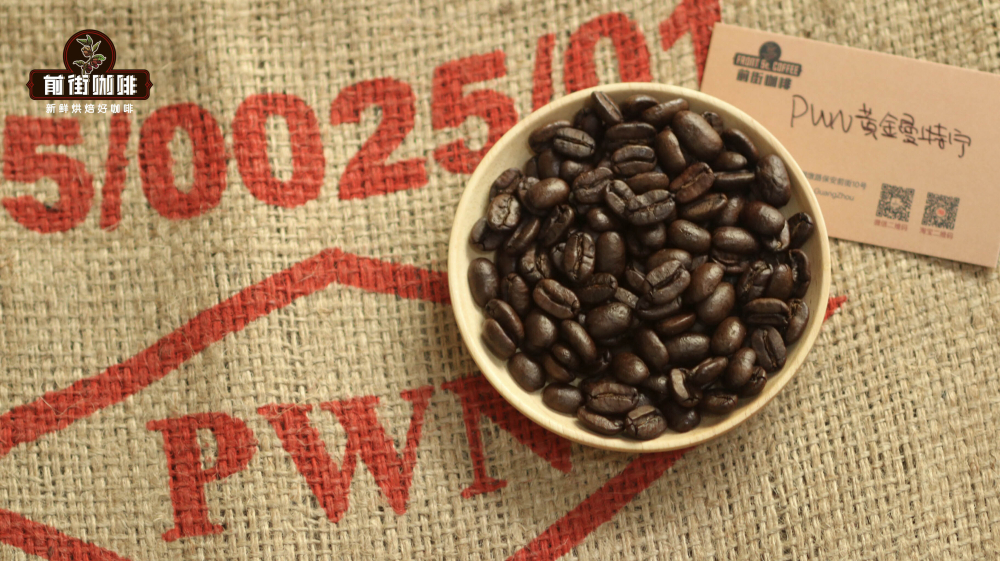
Golden Mandheling Registered Trademark
PWN has registered Golden Mandheling as a trademark, meaning that only Golden Mandheling produced by PWN can be called truly "Golden Mandheling." Front Street Coffee's Golden Mandheling coffee comes precisely from PWN. Front Street Golden Mandheling is derived from Mandheling and can be understood as selected Mandheling, which is also why Front Street Coffee chose to list it. Front Street Coffee cups 300 to 500 batches of beans each year, selecting one-fifth of them with the most regionally representative flavors, and Front Street Golden Mandheling is a representative work under this selection. Front Street believes that this coffee bean represents the style of Sumatran coffee very well.
Golden Mandheling Coffee Variety
Front Street Golden Mandheling coffee uses Ateng variety coffee beans. Ateng is a hybrid variety between Arabica and Robusta, with several subtypes, widely planted in Sumatra and other small Indonesian islands. In plain terms, it is a branch of Catimor, and Ateng is the local name.
Golden Mandheling Coffee Bean Processing Method
Front Street Golden Mandheling coffee beans use wet-hulled processing. The local economic conditions are poor, and they cannot afford relatively expensive methods like the washed process. The combination of various factors gave rise to the highly local wet-hulled method (that is, during the ordinary washing process, drying in the sun with parchment for 2 to 3 days until the moisture content is 20% to 24%, then removing the parchment).
The wet-hulled method processes very quickly, which also causes a relatively high defect rate in Mandheling, but Front Street Golden Mandheling well avoids this shortcoming. The specification of Front Street Golden Mandheling is 19 screen or above, with fewer than 3 defective beans (in a 300-gram green bean sample), belonging to the highest grade G1. The color is dark green, and the shape is neat flat beans.
Front Street Coffee's Recommendations for Roasting Golden Mandheling Coffee Beans
Charge at 200°C, set the damper to 3, adjust the heat to 160°C after 1 minute, keep the damper unchanged, roast until 5 minutes 40 seconds at 148°C, when the bean surface turns yellow, the grassy smell completely disappears, and dehydration is complete. Adjust the heat to 140°C, change the damper to 4; at 9 minutes 40 seconds, ugly wrinkles and dark spots appear on the bean surface, and the toast aroma clearly turns into coffee aroma, which can be defined as the prelude to first crack. At this time, listen clearly for the sound of the first crack point. First crack begins at 9 minutes 54 seconds. Reduce the heat to 60°C, open the damper fully (adjusting the heat must be very careful, not so low that there is no cracking sound), and discharge at 204.5°C.
Front Street Coffee's Experience in Brewing Front Street Golden Mandheling Coffee Beans
Brewing parameters: Use a Kono dripper
Water temperature: 88°C
Coffee dose: 15 grams
Coffee-to-water ratio: 1:15
Grind size: medium-fine grind (70-75% passing rate on China standard No. 20 sieve)
For coffee beans with a darker roast level, to highlight the coffee's full body, Front Street chooses the Kono dripper for brewing. The characteristic of the Kono dripper is that it has an immersion function, which can be used to extract more coffee substances and enhance the full-bodied mouthfeel. Because its ribs are few and located at the lower end, it can make the filter paper cling tightly to the dripper to achieve an airflow-restricting effect, thereby slowing the water flow and increasing the contact time between water and coffee grounds.
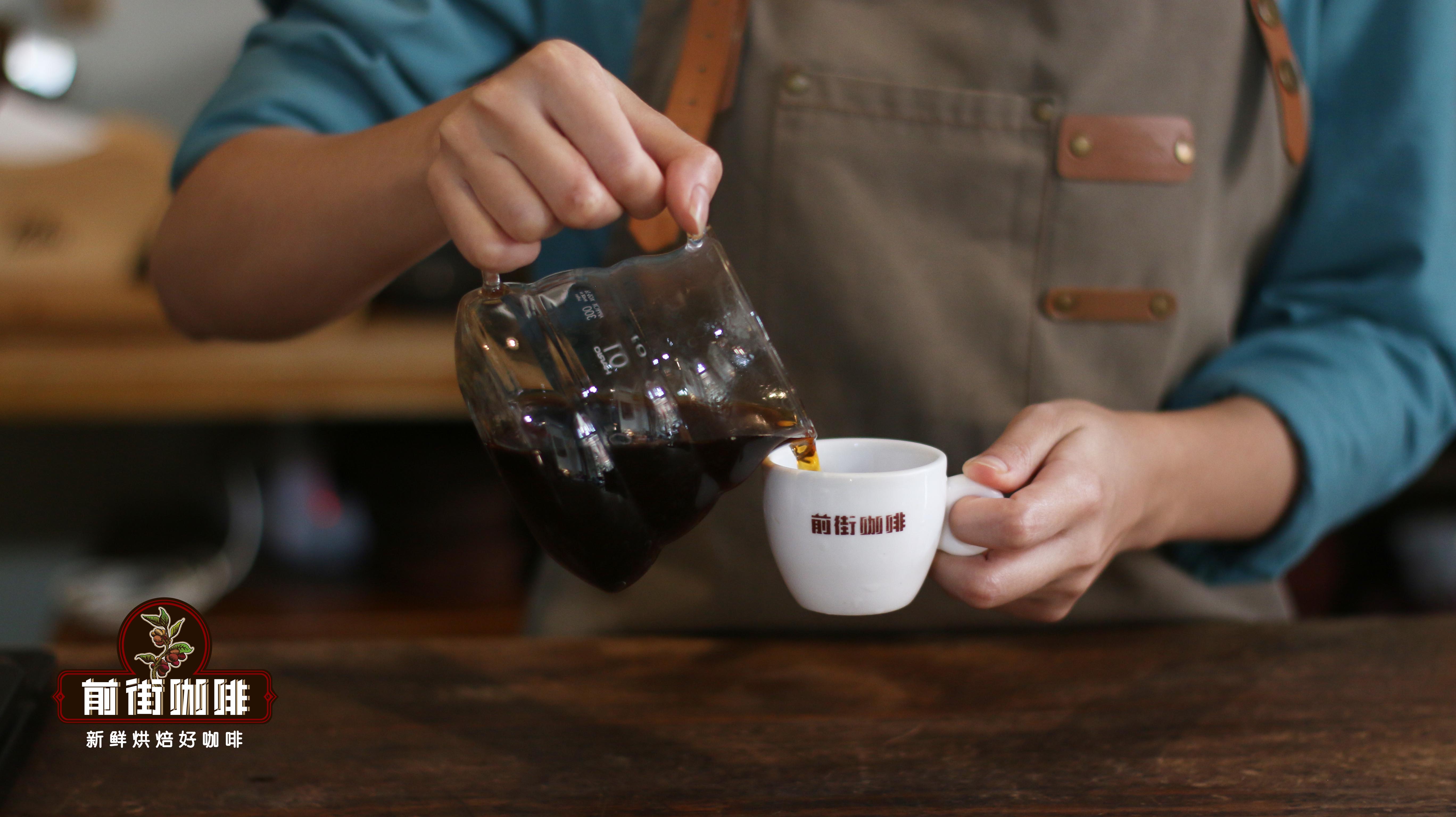
Front Street Coffee uses staged extraction, also called three-stage brewing: use 30 grams of water for a 30-second bloom, then pour in a small stream in circles until 125 grams for the stage break. When the water level is about to expose the coffee bed, continue pouring until 225 grams and stop pouring. When the water level is about to expose the coffee bed, remove the dripper. The extraction time (starting timing from the bloom) is 2'05"-2'15".
Brewing flavor: spices, herbs, varied layers, full-bodied and clean, high balance, rich nutty and brown sugar aroma, with chocolate notes, and a lasting finish.
The above content is compiled by CoffeeHunters, a coffee news website.


