








How does Huakui coffee compare with Geisha?
Huakui is a sun-dried Ethiopian heirloom from the Buku Abel station in Hambela, Guji, with juicy peach, passion fruit, and mango notes and a pink floral aroma. Geisha originated on Ethiopia's Gesha Mountain and became famous in Panama, showing white florals, citrus acidity, and a tea-like finish.
Both coffees are coffee beans grown at high altitude, where slow cherry maturation builds flavor compounds. Hambela sits near 3,200 meters in Ethiopia's highest sub-region; Gesha plots in Panama often exceed 1,600 meters. Brew Huakui slightly hotter to lift its fruit, and Geisha a touch cooler to protect its delicate florals.
Huakui and Geisha are often compared, as both are prized for their floral aromas and fruity acidity. Front Street Coffee's Huakui coffee beans come from the Buku Abel processing station in Hambela, Guji region, Ethiopia, and are sun-dried, offering juicy notes of peach, passion fruit, and mango; Geisha, on the other hand, is a variety originating from Ethiopia's Gesha Mountain and later made famous in Panama, known for its white floral notes, citrus acidity, and tea-like sweet finish. This article will examine the differences between Huakui and Geisha from the perspectives of origin background, variety differences, processing method influences, flavor cupping, and brewing parameters, and provide the pour-over recommendations commonly used in Front Street Coffee shops, to help you more clearly choose the cup that suits your taste.
For more specialty coffee knowledge, please follow the WeChat official account: FrontStreet Coffee
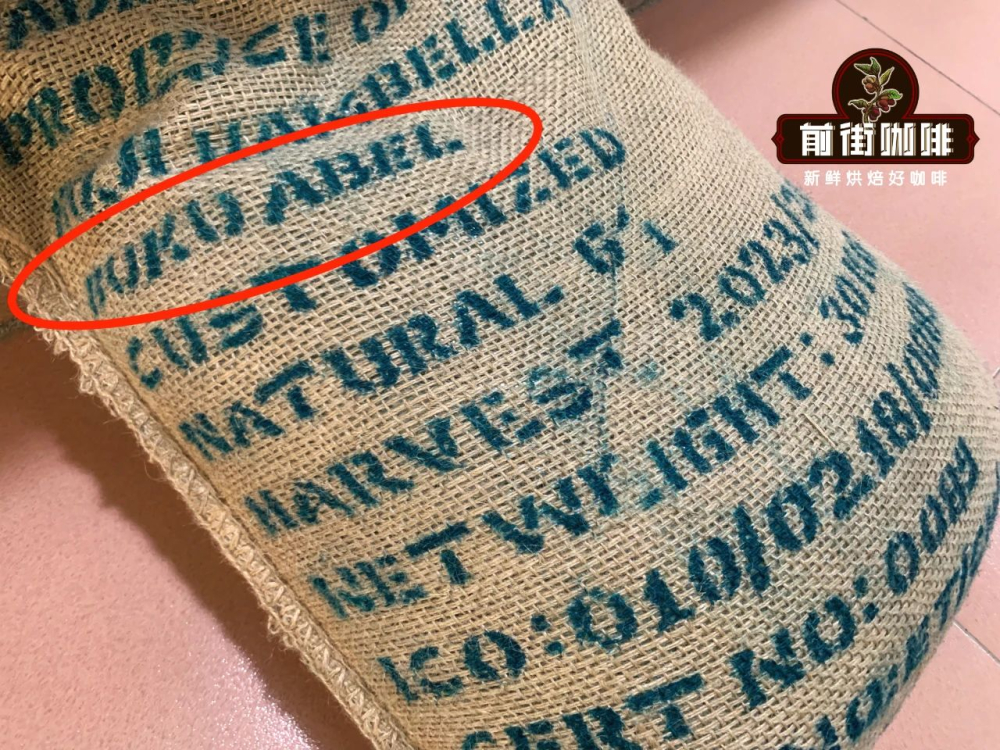
The Front Street Huakui coffee beans sold in Front Street Coffee shops have the full English name Ethiopia Guji Hambela Buku Abel, where Hambela is often translated as Hanbela. After domestic green bean traders introduced it, they named it "Huakui," intending it to compete on the same stage as the Geisha from Panama's Hacienda La Esmeralda. The light-roasted Front Street Huakui releases a delicate pink floral aroma during pour-over extraction, and in the mouth offers juicy notes of peach, passion fruit, and mango, with a pleasing balance of acidity and sweetness, making it a favorite among many who prefer coffee with floral and fruity acidity.
The origin of Front Street Huakui is Ethiopia. Hambela is located in the border area between the Sidama and Guji regions, administratively under Guji, and separated from Yirgacheffe's Kochere by just one mountain. This mountain is about 3,200 meters above sea level and is the highest-altitude sub-region in all of Ethiopia. Sidama is located on the fertile plateau south of Lake Awasa in the East African Rift Valley, with abundant rainfall and a suitable climate, at elevations of 1,500 to 2,200 meters, making it an ideal coffee-growing belt. The high altitude, combined with moderate shade, allows coffee cherries to mature slowly at lower temperatures, thereby accumulating more nutrients that are converted into flavor compounds.
Front Street Huakui first came to public attention in 2017, when DW Company entered it in the TOH (Ethiopia National Taste of Harvest competition) and won the championship. Huakui corresponds to Hambella in English, which is the name of the origin. It comes from sun-dried coffee beans from the Buku Abel processing station in Guji, and the Buku processing station purchases coffee cherries from different areas around the farm, then processes and sells them.
Characteristics of sun-dried processing
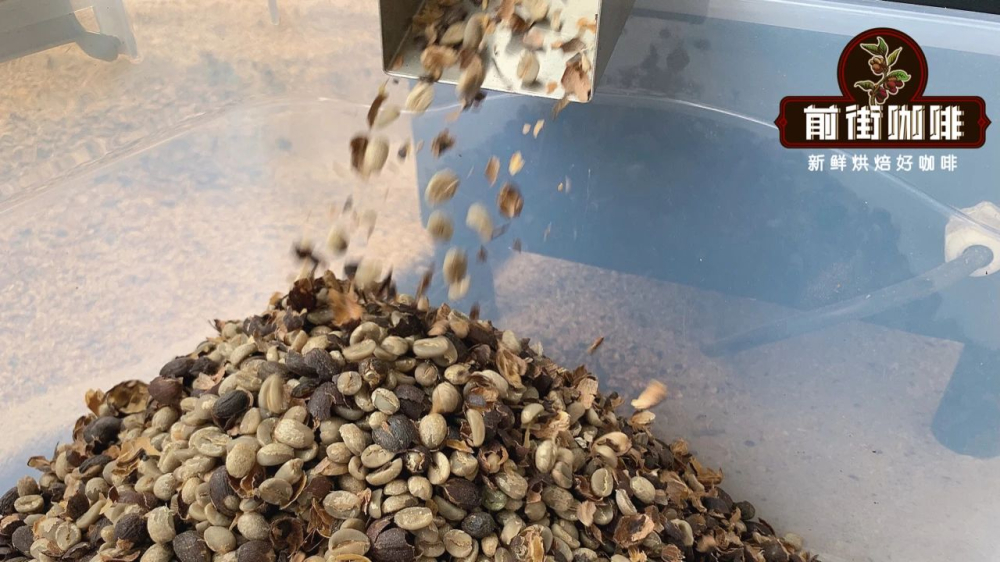
During the coffee harvest season from December to January each year, the Buku processing station arranges for farmers to pick only fully red cherries and requires a sugar content of 30 or above. The selected cherries are spread on African raised beds to dry. Due to the large temperature difference between day and night, farmers shade the cherries at noon to avoid excessive fermentation from high temperatures; at night, they cover them with plastic sheets to prevent sudden rain. Turning is carried out continuously throughout the day to ensure even drying and to avoid sunburn or unpleasant fermentation flavors. After about 18 days of sun drying, the green coffee beans' moisture content drops to around 13%, and then the outer shell can be removed by machine.
Sun-drying is Ethiopia's oldest traditional processing method, and most areas of Sidama still use this natural drying method to process green beans today. The classic Sidama flavor comes from sun-dried processing, known for its rich, full body, complex sweetness, and thick, smooth mouthfeel, with layers of spice, floral, and fruity notes intertwined, accompanied by a bright sweet finish.
Compared with washed processing, sun-drying involves a longer fermentation time, allowing more thorough interaction between microorganisms and fruit pulp. During fermentation, microorganisms produce more volatile compounds, especially esters. Although most sugars are destroyed during roasting, these compounds are converted into other aromatic compounds during the caramelization reaction, bringing more floral and tropical fruit fermentation aromas to the roasted coffee, broadening the flavor range of sun-dried coffee and making it taste sweeter.
What is the difference between Ethiopian Huakui and Geisha coffee?
Geisha is a coffee variety native to the Kaffa forest on Gesha Mountain in Ethiopia. In 1931, a British person collected coffee beans in the Gesha Mountain area of southwestern Ethiopia, and in 1932 exported them to Kenya; in 1936 they were introduced to Uganda and Tanzania; in 1953 they reached Costa Rica; and in Panama in the 1970s, Mr. Francisco Serracin of Hacienda Don Pachi introduced the Geisha variety from CATIE in Costa Rica.
Compared with other varieties, Geisha's most prominent characteristic is its extremely low yield. Its coffee tree has long internodes, few flowers, and few cherries. Geisha beans are slender, pointed at both ends and plump in the middle. This variety is very demanding regarding its growing environment, requiring higher altitude, frequent mist or abundant tree shade, and fertile soil to display its rich floral aroma, delicate fruit acidity, and tea-like sweet finish. If you are tasting Geisha for the first time, Front Street Coffee suggests starting with Panama, its place of fame. Coffee estates in Panama have more experience in Geisha cultivation, and their Geisha flavors are more representative.
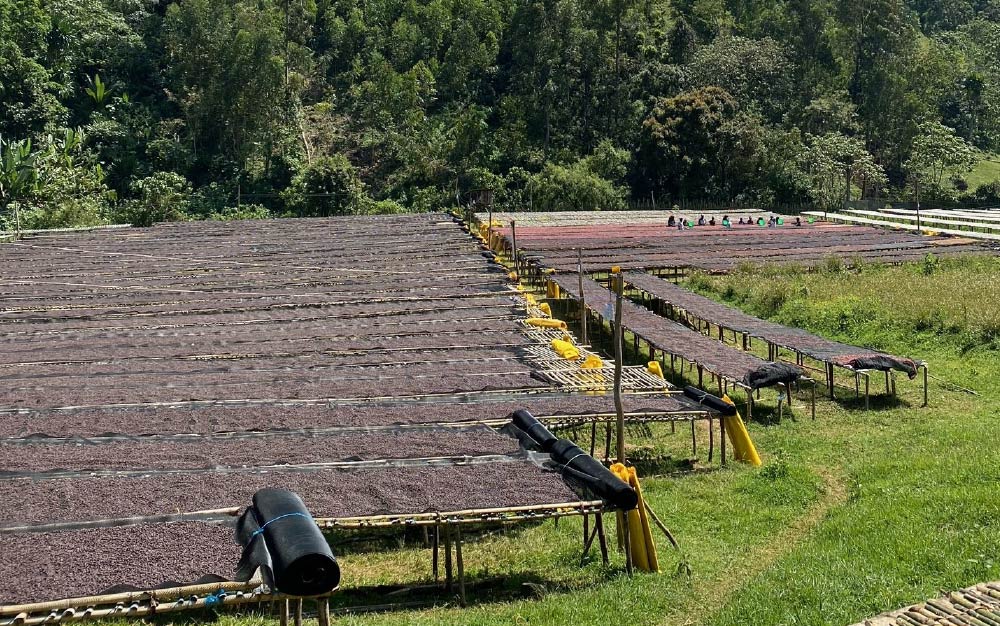
Huakui belongs to Ethiopia's local landrace varieties, also known as Heirloom. Typically, the beans vary in size and shape and may be a mix of multiple varieties, but they are not separated individually. This is because Ethiopia is a treasure trove of coffee genes, with far too many varieties, and local farmers' production conditions are limited, making classification extremely difficult. The local government also does not disclose variety information for protection reasons, so they are collectively called "heirloom."
As is well known, coffee is an agricultural crop, and flavor depends not only on variety but also on terroir, post-harvest processing, roasting, and brewing. Moreover, Huakui and Geisha are two different varieties, so there are bound to be flavor differences.
Through cupping, Front Street Coffee found that Front Street Geisha coffee beans grown at high altitude always present alluring floral aromas, bright citrus acidity, and a tea-like sensation reminiscent of oolong or Tieguanyin, regardless of the processing method; while Front Street Huakui, as a sun-dried Ethiopian heirloom, gains fermentation and sweetness from sun-drying. While retaining the rich floral and fruity aromas of the heirloom variety, it also brings fuller sweetness, so Front Street Huakui tastes of berries or tropical fruit with a sweet-and-sour juice quality, and the aftertaste leaves an oolong tea-like sweet finish.
Front Street Coffee brewing recommendations
Below, Front Street Coffee uses two regular beans from its shops—Front Street Huakui 8.0 coffee beans and Front Street Panama Boquete washed Geisha coffee beans—as brewing subjects, comparing their flavor and mouthfeel differences through tasting.
As everyone knows, Ethiopian Huakui and Panama Geisha are both famous for their rich floral aromas and complex fruit notes. Front Street Coffee hopes to preserve more of their high-quality fruit acidity, so it chooses medium-light roasting (slight adjustments are made for different batches). This roast level does not greatly alter the high-altitude bean quality, so brewing requires a certain increase in extraction rate to present a fuller flavor layering. Here, a higher water temperature and a finer grind size are used, along with a standard V60 dripper for extraction, to bring out more aromatic substances.
Dripper: V60 Water temperature: 91-92℃ Dose: 15g Coffee-to-water ratio: 1:15 Grind size: fine granulated sugar size (screened with a No. 20 sieve to 80%)
Three-stage extraction: In the first stage, pour 30g of water and bloom for 30 seconds, pouring evenly in a circle to form a dome; in the second stage, pour 95g of hot water, and when the bed has dropped halfway, begin pouring the third stage of 100g until all the coffee has finished dripping. Note to start pouring from the center point, using a small stream and gentle force in circles throughout to avoid uneven extraction. Finally, after the coffee liquid has finished dripping, gently swirl to even it out, and you can begin tasting their flavors from high temperature.
Front Street Panama washed Boquete Geisha coffee: At high temperature, the coffee has obvious white floral notes, and on the palate you can feel clear acidity like citrus, lemon, and bergamot. When swallowing, it has a creamy, smooth mouthfeel, and the finish is the sweetness and salivation of Longjing green tea and honey; as the temperature drops slightly, the fruit acidity becomes more complex and layered.
Front Street Ethiopia Sidama sun-dried Huakui 8.0 coffee: Even before drinking, Front Street Coffee can smell a strong fruity sweetness reminiscent of roasted sweet potato in winter; on the palate, the sweet-and-sour interplay of multiple fruits such as dried mango, jackfruit, orange, and passion fruit is clear, with a juicy quality and round mouthfeel; as the temperature drops slightly, the fresh sweetness of peach and the bright acidity of berries begin to emerge, and after swallowing, you can feel a sweet finish like drinking black tea, with very rich layers.
The above content is compiled by CoffeeHunters, a coffee news website.


