







How does green bean coffee traceability shape Yirgacheffe flavor?
The Gedeb Gotiti Cooperative sits in the Worka region at the southeastern tip of Yirgacheffe, Ethiopia, and became independent from the Worka Cooperative in 2012 with roughly 300 farmers. Its washed lots keep bright citrus and white floral notes, while natural processing adds intense florals and rich sweetness, giving buyers two contrasting expressions from one village.
Rising demand for green bean coffee traceability pushed this separation, and the cooperative's members came from Worka, so cultivation coffee and processing skills were already mature. The article compares washed and natural methods and profiles two lots, Gedeb Gotiti G1 Washed and Banko Natural G1, suited to pour-over, cold brew and drip bags.
Located in the Worka region at the southeastern tip of Yirgacheffe, Ethiopia, the Gedeb Gotiti Cooperative has been renowned as the last pure land of Yirgacheffe since gaining independence from the Worka Cooperative in 2012, thanks to the meticulous cultivation by approximately 300 farmers. Here, the bright citrus and white floral notes brought by traditional washed processing are preserved, while the fine natural process presents intense floral aromas and rich sweetness. This article will guide you through the independent story of Gedeb Gotiti Cooperative, the details of both washed and natural processing methods, and the flavor characteristics of two coffees recommended by Front Street brand: Gedeb Gotiti G1 Washed and Banko Natural G1, ideal for pour-over, cold brew, and drip bag enthusiasts to explore in depth.
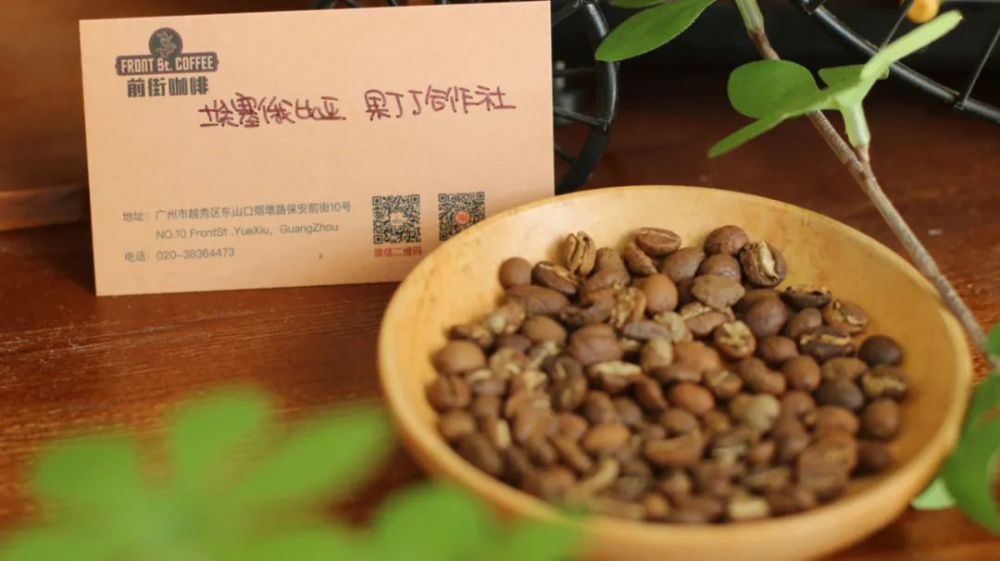
Front Street Natural Yirgacheffe Gedeb Gotiti Coffee Introduction and Yirgacheffe Coffee Bean Characteristics Story
Front Street Yirgacheffe Gedeb Gotiti Cooperative is located in the Worka region southeast of Yirgacheffe, and initially it was just a branch under the Worka Cooperative of the Yirgacheffe Coffee Farmers Cooperative Union (YCFCU). As the global coffee industry's demand for green bean traceability continues to rise, more and more single origins are being discovered one by one by coffee hunters. Against this backdrop, in 2012, Gedeb Gotiti, composed of about 300 farmers, officially separated from Worka and independently registered as "Front Street Yirgacheffe Gedeb Gotiti Cooperative."
Gedeb Gotiti village is one of the earliest village areas to achieve independent operation, and many smallholder farmers were originally members of the Worka Cooperative, so their coffee cultivation and processing techniques are quite mature. This cooperative is called the last pure land of Yirgacheffe, and precisely because of this, the green bean processing methods used here all follow traditional craftsmanship.
Washed Processing
The original intention of introducing the washed processing method in Ethiopia was to correct the defective flavors caused by extensive natural drying methods, and this technique was first introduced from Central and South America. Cooperative members will sort, clean, ferment, and remove the pulp and mucilage from the purchased coffee cherries, then place them on raised beds to dry. Every step must be precisely controlled to ensure the final coffee quality.
Washed processing freed Yirgacheffe coffee from the previous problem of unstable quality, and after roasting, it exhibits fresh citrus notes and elegant white floral aromas, with an overall bright and delicate flavor. Because of this, Yirgacheffe separated from the Sidamo region and became the well-known famous origin in today's coffee circle.
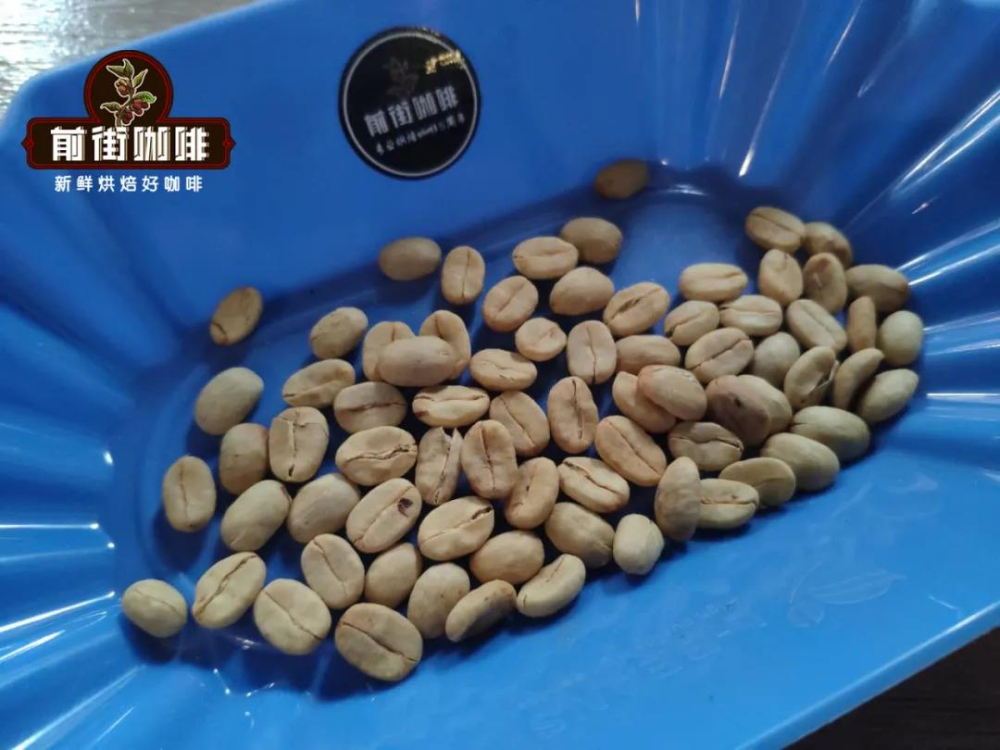
Front Street Gedeb Gotiti G1 Washed Yirgacheffe
Country: Ethiopia
Origin: Yirgacheffe Gedeb Gotiti Cooperative
Altitude: 2000-2100 meters
Variety: Local heirloom varieties
Processing Method: Washed
Flavor: Jasmine, Citrus, Berry, Honey, Tea-like
Recommended Reason: You can taste high-grade Yirgacheffe flavors; washed processing makes the coffee flavor brighter, with more obvious sweet aftertaste, very suitable for pour-over, cold brew, and drip bags.
Natural Processing
The so-called natural processing refers to farmers carefully selecting fully ripe coffee cherries at harvest, transporting them to the processing station, and then directly spreading them on African raised beds for 2 to 3 weeks of sun drying.
During the natural drying period, workers will remove unripe berries, and rely on experienced operators to regularly turn the coffee cherries to prevent adverse effects on the green bean flavor during drying. The selection of breathable mesh fabric for the raised beds, the thickness of the berry spread, and other details are also highly particular. After natural drying is completed, the dried pulp and parchment layer are removed, and the green beans are stored in warehouses until the moisture content drops to 11-12% before being arranged for export.
Front Street Ethiopia Yirgacheffe Banko Natural G1
Origin: Ethiopia Yirgacheffe
Processing Method: Natural
Flavor Description: Intense floral aroma, fruity acidity, cranberry, plum, fresh orange juice acidity, rich sweetness, bright and clean, soft and balanced aftertaste.
The above content is compiled by CoffeeHunters, a coffee news website.


