







What Makes Yirgacheffe Coffee Taste So Distinct?
Yirgacheffe coffee comes from a small town in southern Ethiopia, originally under Sidamo Province. Beans from this region show bright citrus and lemon acidity, jasmine-like white florals, and a light, tea-like body. The identity confusion that once surrounded the name ended when Yirgacheffe was separated from Sidamo and recognized as an independent coffee region.
Light and medium roasts suit different brewing methods: pour-over and cold brew bring out the florals and citrus, while espresso machines need a slightly different approach. Front Street Yirgacheffe offerings include washed, natural, Red Cherry, Fruit Ding Ding, and coffee soe lots. Before Yirgacheffe gained attention, coffee was almost always dark roasted; its arrival showed that coffee could taste of flowers and fruit, not only bitterness.
Yirgacheffe is one of Ethiopia's most iconic specialty coffee regions, known for its bright citrus acidity, elegant white floral notes, and refreshing tea-like body. This article starts from the region's history and the factors behind its flavor, systematically answering what exactly Yirgacheffe coffee is, and takes a deep dive into which extraction methods suit light and medium roasts respectively. It also compiles flavor descriptions and recommended reasons for several Front Street Yirgacheffe beans, covering washed, natural, Red Cherry, Fruit Ding Ding, and SOE products, helping coffee lovers find the Yirgacheffe that suits them best, whether they brew with pour-over, cold brew, or an espresso machine.
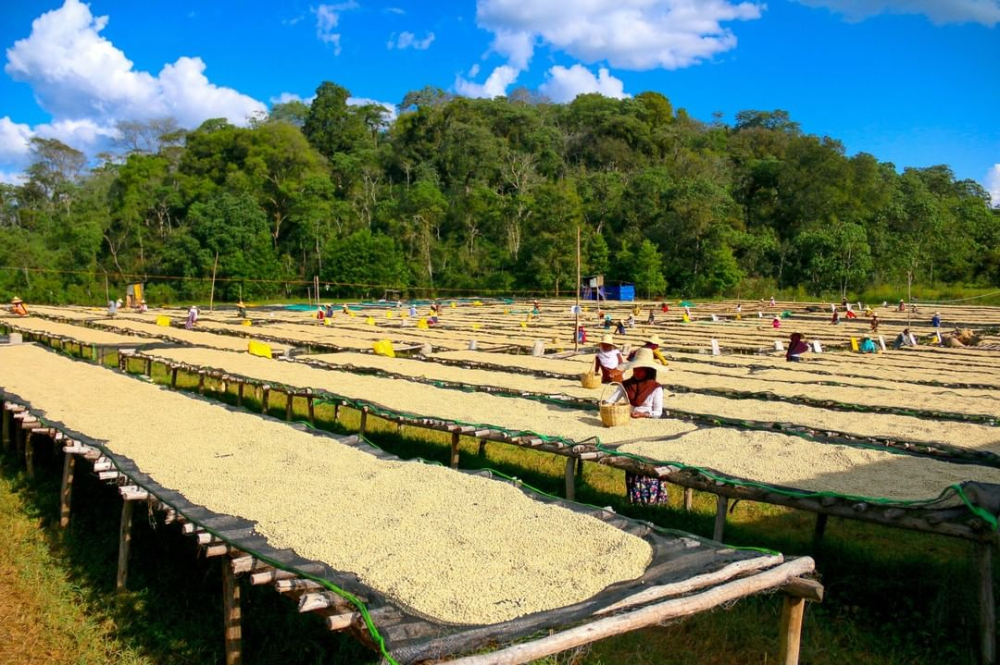
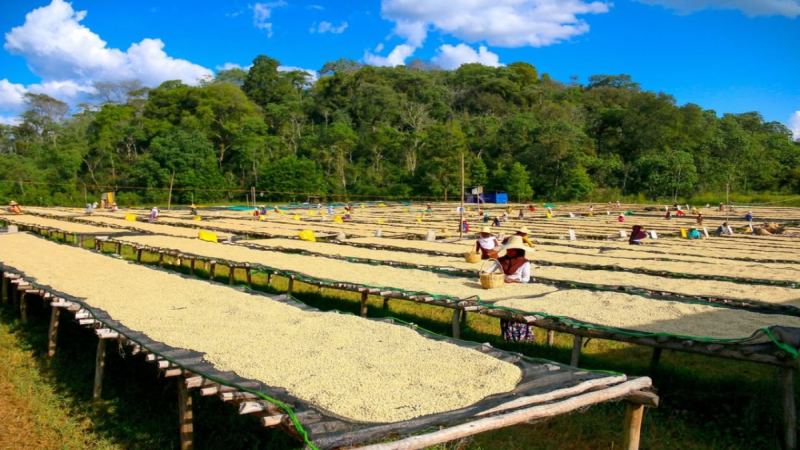
African specialty coffee has long been renowned for its floral and fruity notes, and Ethiopia is not only the recognized birthplace of coffee but also the homeland of many classic varieties. When it comes to flavor expression, Ethiopian coffee often shows clear citrus notes and rich florals, with a light body and lively acidity. Among these, the most famous is undoubtedly Yirgacheffe.
What Exactly Is Yirgacheffe Coffee?
Yirgacheffe was originally a small town in southern Ethiopia, initially under the administration of the Sidamo Province. Because coffee from the Yirgacheffe region carries a highly recognizable, delicate white floral note, many growers in the surrounding Sidamo region claimed their beans also came from Yirgacheffe. To clarify regional attribution, Yirgacheffe was later separated from Sidamo and became an independent coffee region, and this identity confusion was finally put to rest.
Why Is Yirgacheffe So Famous?
What people commonly call "Yirgacheffe flavor" refers to abundant citrus and lemon acidity, intense jasmine aroma, and a light, elegant mouthfeel with a tea-like texture—drinking like a refreshing, clean glass of lemon tea. With multiple favorable conditions stacking together, coffee beans produced in Yirgacheffe have bright acidity along with white floral notes and a tea-like sweetness that returns.
Before Yirgacheffe rose to prominence, coffee beans were almost always dark roasted, with intense, heavy flavors. The arrival of Yirgacheffe not only broke the fixed perception that coffee could only taste bitter, but also brought layered floral and fruity aromas, making it the entry-level first choice for many people stepping into the world of specialty coffee.
Should Yirgacheffe Be Light Roasted or Medium Roasted?
Now that we've clarified Yirgacheffe's flavor characteristics, let's discuss which roast level suits it better.
As mentioned earlier, Yirgacheffe's soul lies in its floral and fruity notes, so dark roasting is not suitable. The lighter the roast, the shorter the heating time for the coffee beans, and the more acidic compounds are retained. Based on this, we can choose the corresponding roast level of Yirgacheffe according to different extraction methods:
Pour-over, drip bags, French press, American drip machine, cold brew—suitable for light-roasted Yirgacheffe
1. Light roast - Front Street. Washed Yirgacheffe: lemon, citrus, tea-like, honey, berries
Recommended reason: Presents the classic Yirgacheffe flavor, affordably priced, suitable as an everyday staple bean
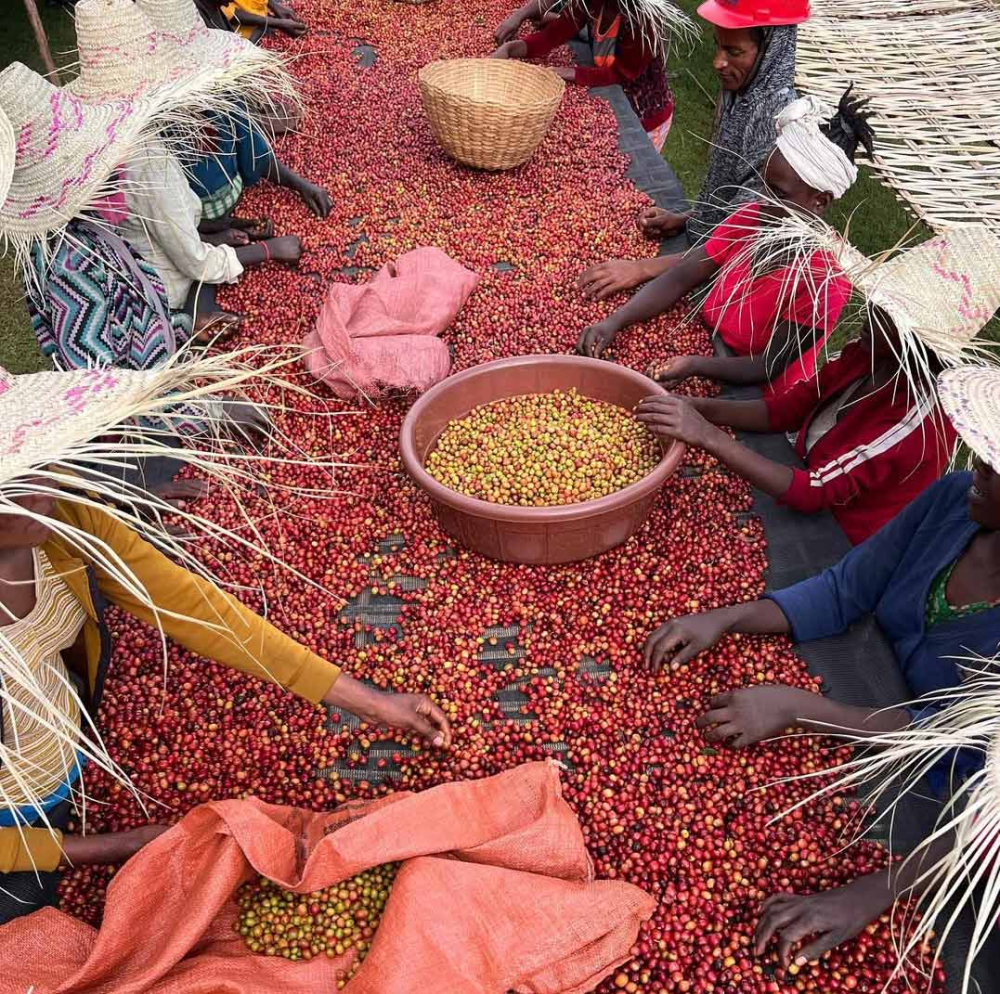
2. Light roast - Front Street. Natural Red Cherry: citrus, berries, fruity fermentation aroma, honey, creamy mouthfeel
Recommended reason: Rich and full fruity aroma; whether served hot or cold brewed, it showcases Yirgacheffe's delicate layers
3. Light roast - Front Street. Washed Fruit Ding Ding: jasmine, citrus, lemon, berries, tea-like
Recommended reason: A high-grade Yirgacheffe, fresh and lively in flavor, with an appealing aroma, suitable for pour-over, cold brew, drip bags, and many other brewing forms
Moka pot, espresso machine—suitable for medium-roasted Yirgacheffe
Medium roast - Front Street. Yirgacheffe Natural Red Cherry SOE: berries, cream, citrus, black tea
Unlike the three Yirgacheffe coffees above, Front Street. Yirgacheffe SOE has only one goal—to make an outstanding Yirgacheffe espresso. This bean uses fully red-ripe coffee cherries from the Yirgacheffe region processed naturally; the high ripeness gives the coffee a full fruity aroma, and the extracted espresso carries fresh lemon, floral, and citrus notes, making it quite suitable for making Americano or Flat White.
The above content is compiled by CoffeeHunters, a coffee news website.


