







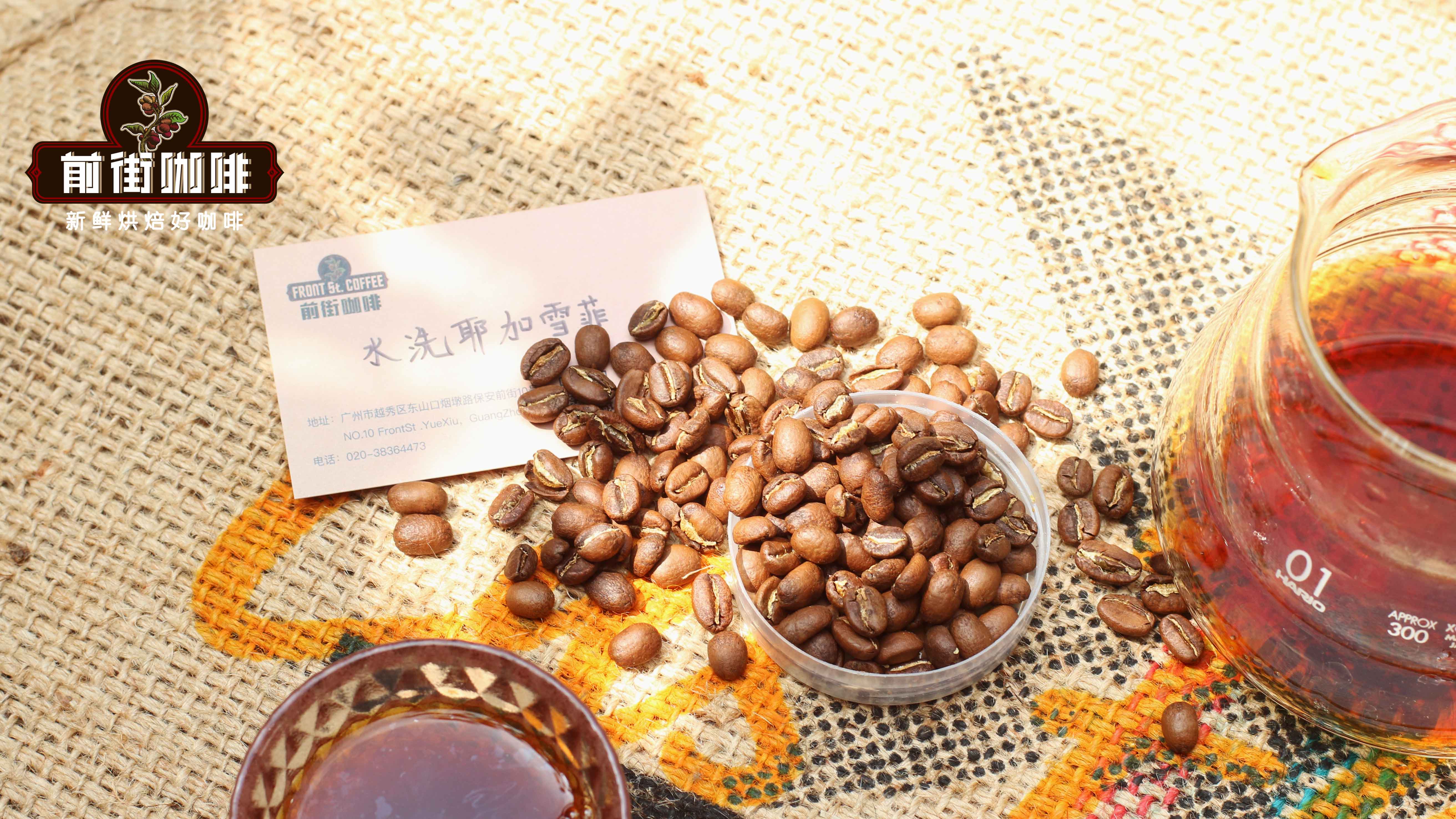
Yirgacheffe, as a star-producing region in Ethiopia, offers vastly different flavor profiles depending on the green bean processing method. The washed method highlights clean and bright floral notes with citrus acidity, while the natural method presents fuller sweetness and fermented fruity aromas. This article starts with Front Street Yirgacheffe, outlining the processing flows for washed and natural methods, the differences in green bean appearance, and includes brewing parameters for single-origin coffee to help coffee enthusiasts choose based on their taste preferences. Whether you're a beginner who fears bitterness or a connoisseur seeking complex layers, you'll find a cup that suits you.
Front Street Yirgacheffe Coffee Processing Method Comparison and Brewing Parameters Sharing Different Green Bean Processing Methods 1. Front Street Yirgacheffe Washed Processing Method The washed method uses fermentation combined with rinsing to remove the skin, pulp, and mucilage adhering to the bean surface one by one. After washing, the coffee beans have a moisture content of about 50%, and they must quickly enter the drying stage to reduce moisture to around 12%. If the beans are left exposed to the air, residual moisture will promote continued fermentation, ultimately leading to mold or spoilage. The most common remedy is sun drying, which often results in Yirgacheffe with intense aroma and exceptional flavor performance.
Washed processing delivers a satisfying body while retaining uplifting floral notes and bright yet not overly sharp acidity. Front Street washed Yirgacheffe has a clear character, with citrus tones intertwined with floral notes, a taste that many coffee lovers find irresistible, especially suitable for beginners who are not quite ready for bitterness. 2. Front Street Yirgacheffe Natural Processing Method After harvesting, the fruit is not immediately depulped but directly enters the sun-drying process—this is the oldest known processing method. The entire dehydration cycle typically lasts about a month, during which careful attention is needed to ensure the coffee fruit neither loses its flavor nor gets contaminated by unwanted bacteria. Natural beans have a complete natural sweet aroma, soft notes, and retain more sugars.
Observing the Silver Skin The washed refining process usually removes the silver skin from the coffee bean surface, giving the beans a special luster; whereas the dry refining method, i.e., natural processing, only removes the parchment, leaving the silver skin intact on the bean surface.
Green Bean Differences: Washed green beans are mostly blue-green, while natural green beans tend toward yellow-green.
The above content is compiled by CoffeeHunters, a coffee news website.


