







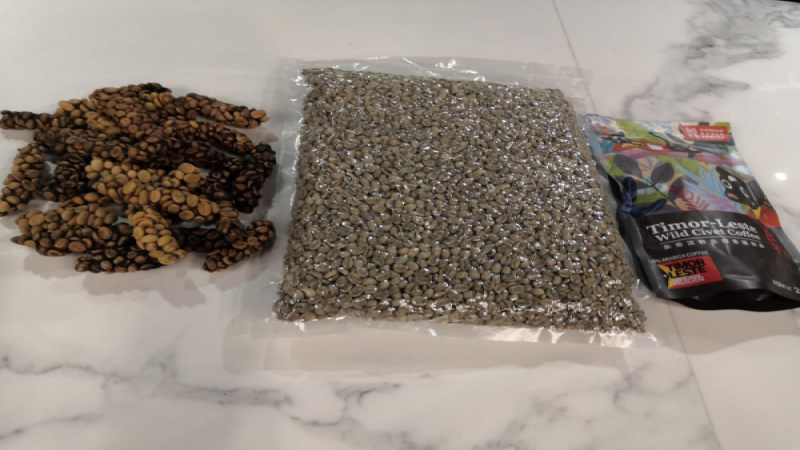
Civet Coffee and How to Brew It
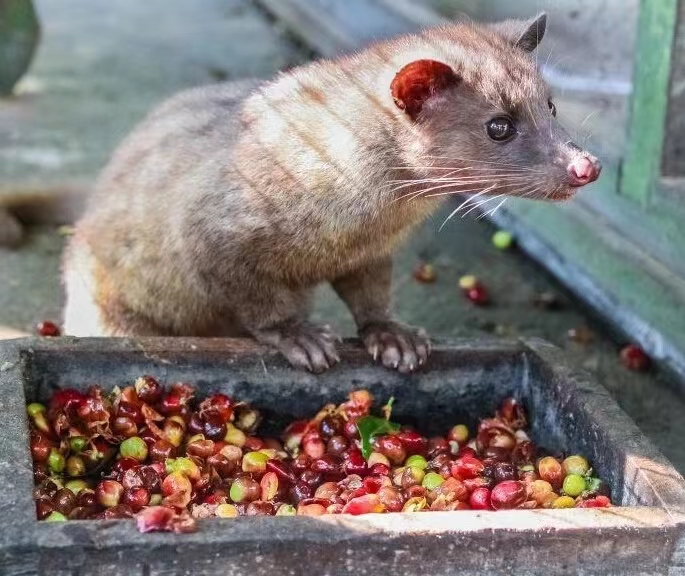
Civet coffee, also called kopi luwak, comes from Indonesia. A civet eats ripe coffee cherries, and the beans pass through its digestive tract before being collected, washed, and dried. This process changes the bean's proteins and gives the cup a smooth body with notes of caramel, dark chocolate, and a mild earthy finish. It is one of the rarest and most expensive coffees sold.
Because the flavors are delicate, a pour-over works well. Use a medium grind and water around 200 degrees Fahrenheit. Start with a thirty-second bloom, then pour in slow circles. Keep the total brew near two and a half minutes to avoid bitterness. A one-to-fifteen coffee-to-water ratio lets the sweetness and body come through without masking the subtle earthy character.
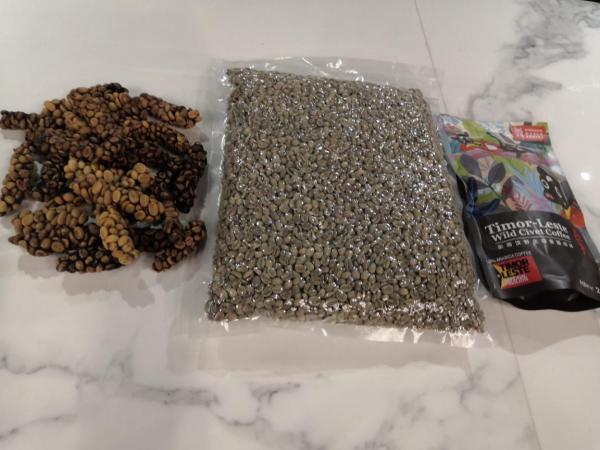
Kopi Luwak is one of the rarest coffee varieties in the world, with authentic wild beans selling for as much as 7,000 RMB per catty. If brewed improperly, it is undoubtedly a huge waste of precious beans. This article will take you through the origins and flavor characteristics of civet coffee, and share in detail the pour-over method recommended by Front Street Coffee, breaking down key parameters one by one from dripper selection, coffee-to-water ratio, grind size to water temperature control, helping you fully showcase this coffee's rich taste and unique aroma.
For more specialty coffee knowledge, please follow our WeChat official account: FrontStreet Coffee
Kopi Luwak is the world's most special premium coffee bean, and authentic wild Kopi Luwak beans can sell for 7,000 RMB per catty. Therefore, improper brewing would cause a huge waste. So if you are fortunate enough to get Kopi Luwak beans, how should you brew them without messing up? Front Street will first briefly introduce the origin of Kopi Luwak. Kopi Luwak beans come from civets eating coffee cherries; the beans pass through the civet's intestines, where special bacteria provide a unique fermentation environment. Since the intestines cannot digest the coffee beans, they are excreted. The coffee beans fermented through the civet's digestive system develop a unique flavor, exceptionally thick and aromatic.
Indonesian coffee has an earthy taste and a medicinal herbal note, and its body is also the highest among all continents. But "Kopi Luwak" has an even stronger earthy, gamey note, and its body is even closer to syrup, with a very special aroma. After drinking it, a faint cooling mint sensation remains in the mouth. This is an "exclusive taste" that ordinary coffee does not have. After finishing a cup, take a deep breath or hold a sip of cool water in your mouth, and you can clearly feel a coolness from the mouth down to the throat, just like having just eaten a mint throat lozenge.
How should Front Street Kopi Luwak be brewed to taste good? Front Street recommends using the pour-over method for brewing.
In choosing the dripper, Front Street chose the Kono Meimon dripper. The biggest feature of the Kono dripper is that the ribs extend from the bottom to the middle, while the upper part is a smooth dripper wall. In this way, when the filter paper fits the dripper, water cannot "sneak" around the coffee grounds, improving the richness of the body. It is suitable for brewing full-bodied coffee beans such as Front Street Golden Mandheling and Front Street Blue Mountain No. 1.
The dose Front Street uses is still 15 g. More coffee grounds is not always better, nor is less always better. It depends specifically on the dripper size. Front Street uses a 1–2 cup dripper, and a dose of 15–20 g is a reasonable brewing dose. Brewing with a dose outside this range will be somewhat difficult.
For the brewing coffee-to-water ratio, Front Street recommends 1:15. Although some may recommend 1:13 or an even smaller coffee-to-water ratio, Front Street has shown in previous articles that concentration and body are not necessarily related. Moreover, being too strong can cause discomfort. Therefore, using a 1:15 coffee-to-water ratio can also very well express the rich mouthfeel and special aroma of Front Street Kopi Luwak.
For the coffee grind size, Front Street uses a No. 20 sieve with a 70% passing rate. The grind size for brewing Front Street Kopi Luwak should be slightly coarser than that for light-roasted coffee beans, because Front Street Kopi Luwak is dark roasted, and its structure is looser, making it easier to absorb water and release coffee substances. If it is ground to the fineness of light-roasted beans, it is easy to brew out burnt bitterness; if it is ground coarser, the coffee will become thin and tasteless, with a mouthfeel as thin as water.
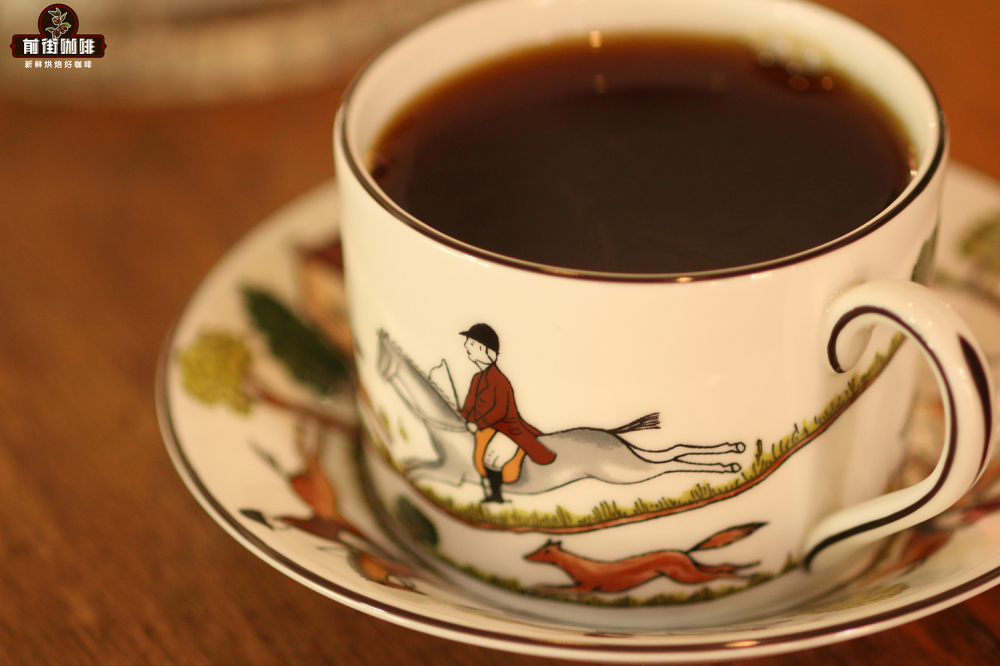
For water temperature selection, Front Street recommends brewing at 87–88°C. For the same reason as with grind size, water that is too hot tends to produce burnt bitterness, while water that is too cool makes the coffee taste flat and also produces an unpleasant sour, defective taste.
The brewing method uses a three-stage pouring method. Dividing it into three pours can better express Kopi Luwak's rich mouthfeel and caramel sweetness. The specific water distribution is: the first stage is a 30 ml bloom pour, which fully wets the coffee grounds and allows them to degas, so as to better extract the coffee's flavor compounds afterward; the second stage pours 100 ml; and the final stage pours 95 ml.
This can enhance the coffee's sweetness, overall expressing a substantial, rich mouthfeel, with caramel sweetness and chocolate and nutty flavors.
The above content is compiled by CoffeeHunters, a coffee news website.


