







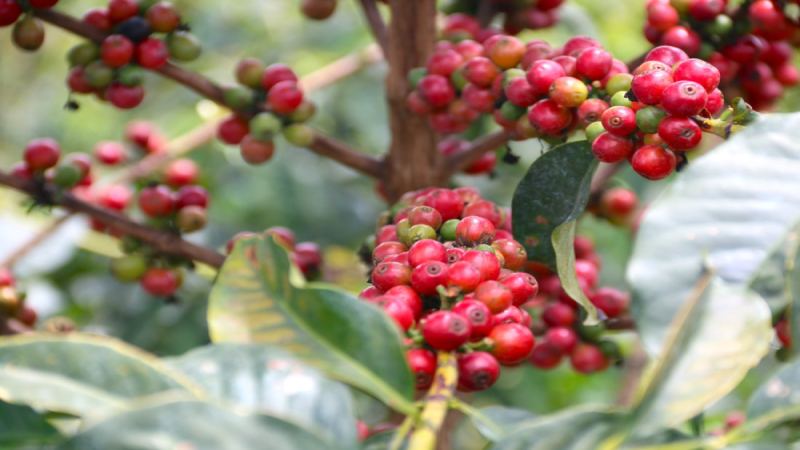
Why does Kenya coffee taste so bright and juicy?
Kenyan coffee is known for vivid berry acidity and a full, juicy body. The Scott Laboratories bred the SL28 and SL34 varieties, and the Nairobi auction plus the AA grading system sorted beans by size and quality. The K72 long fermentation washed method further shapes the signature fruity character.
Core growing regions such as Nyeri, Kirinyaga, and Muranga differ in altitude, harvest period, and variety. A common pour-over plan uses 15 grams of grounds at a 1:15 ratio with water at 89 to 92 degrees Celsius. The coffee grading system helps buyers compare lots across these regions.
Kenyan coffee is renowned for its vibrant berry acidity and full-bodied juiciness, making it a standout among African specialty beans. From the perspective of Front Street Coffee, this article systematically traces the rise of Kenyan coffee: from the Scott Laboratories' selection and breeding of SL28 and SL34, to the Nairobi auction system and AA grading system, and then to the iconic K72 long fermentation washed method. The article also introduces one by one the altitude, harvest period, and variety differences of core producing regions such as Nyeri, Kirinyaga, and Muranga, and using the Asalia processing plant as an example, provides a pour-over brewing plan with 15 grams of grounds, a 1:15 coffee-to-water ratio, and a water temperature of 89 to 92 degrees Celsius, along with a complete pouring rhythm and flavor description.
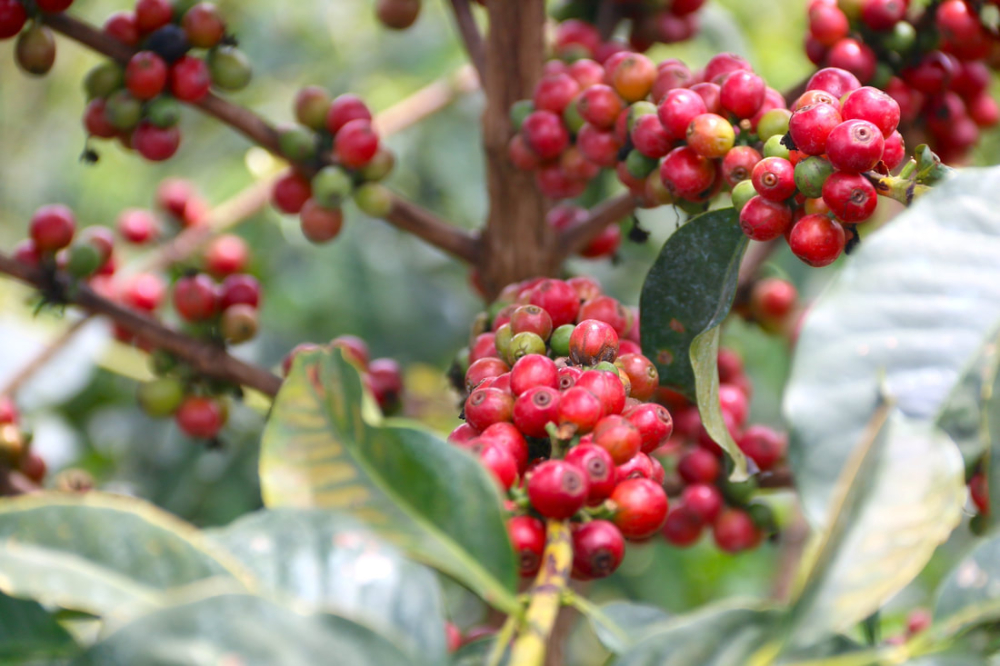
For more specialty coffee knowledge, please follow the WeChat public account: FrontStreet Coffee
When it comes to African coffee, Ethiopia and Kenya are always mentioned together. Today, FrontStreet Coffee will take everyone to gain a deeper understanding of Kenyan coffee. Fine Kenyan coffee has a rich aroma, is full-bodied and substantial, and carries a distinct fruity tone. On the palate, one can often catch the interwoven flavors of blackberry and grapefruit. This unique fruit flavor has captivated countless coffee lovers.
Kenya is located in eastern Africa, adjacent to Ethiopia, the birthplace of coffee. However, Kenya introduced coffee quite late, and it was not until nearly the 20th century that formal cultivation began. Coffee had almost traveled all the way around the globe before returning to the African continent. FrontStreet Coffee believes that although Kenyan coffee started late, it developed rapidly. The variety cultivation system and grading system established during the British colonial period laid a solid foundation for its later entry into the specialty coffee market. The following points are the key reasons summarized by FrontStreet Coffee for Kenyan specialty coffee's global fame:
1. The establishment of a variety cultivation system. In 1883, the British brought coffee trees to Kenya from Reunion Island. In 1922, Kenya established the Scott Agricultural Laboratories (Scott Labs, from which the names SL28 and SL34 are derived), specifically for coffee cultivation research. In the more than ten years after the laboratory was established, SL28 and SL34, suitable for local cultivation, were selected from 42 coffee varieties, creating a good starting point for the industry's subsequent development.
2. Support at the government level. In 1931, the Kenya Planters Cooperative Union and the Kenya National Coffee Board were established one after another, promoting the coffee industry from both civilian and official dimensions. In 1937, the Nairobi Coffee Exchange was completed, and Kenya's coffee auction system was launched.
3. The improvement of the grading system. Kenya classifies coffee by bean size and cup performance. According to bean size, shape, and hardness, from high to low, the grades are AA or AA+, AB, PB, C, E, TT, and T. For green beans in the AA and AB grades, exporters will additionally mark special cup test result classifications (not officially recognized by Kenya), which from high to low are TOP, PLUS (+), and FAQ.
4. The K72 processing method. The iconic acidity of Kenyan specialty coffee is inseparable from its unique processing technique. The conventional washed method selects highly ripe cherries, removes the skin and pulp, and then places them in a fermentation tank to remove the mucilage. The entire process usually does not exceed 36 hours; whereas in Kenya, fermentation can last up to 72 hours. After fermentation is completed, the beans are dried until the moisture content drops to 12%. Front Street believes that this unique washed method allows Kenyan coffee beans to present bright acidity and a full-bodied juicy texture.
【Kenya Coffee Grading System】 AA Plus (AA+) AA grade with particularly excellent cup quality (flavor, mouthfeel). AA Screen Size: 17-18 mesh. AB Screen Size: 15-16 mesh, accounting for the majority of production. C Screen Size: smaller than AB. TT From AA and AB grade beans: lighter beans blown out by an airflow sorter. T From C grade beans: lighter beans blown out by an airflow sorter. E Elephant Bean: a large mutant bean formed by two beans fused together, also called Elephant ear. PB Peaberry: classified by appearance, unrelated to flavor or weight.
For green coffee beans in the AA and AB grades, special cup test result classifications are added (not officially recognized by the Kenyan government, but established by exporters), which from high to low are TOP, PLUS (+), and FAQ. The Kenyan Asalia flavor level on FrontStreet Coffee's bean list reaches the TOP grade. However, as mentioned earlier, this is not an officially recognized grading system. Among the several Kenyan regional coffee beans purchased by FrontStreet Coffee, not every one carries a flavor grade, so there is no need to obsess over this point. Generally, once beans reach the AA and AB grades, the flavor is already by default considered very high quality.
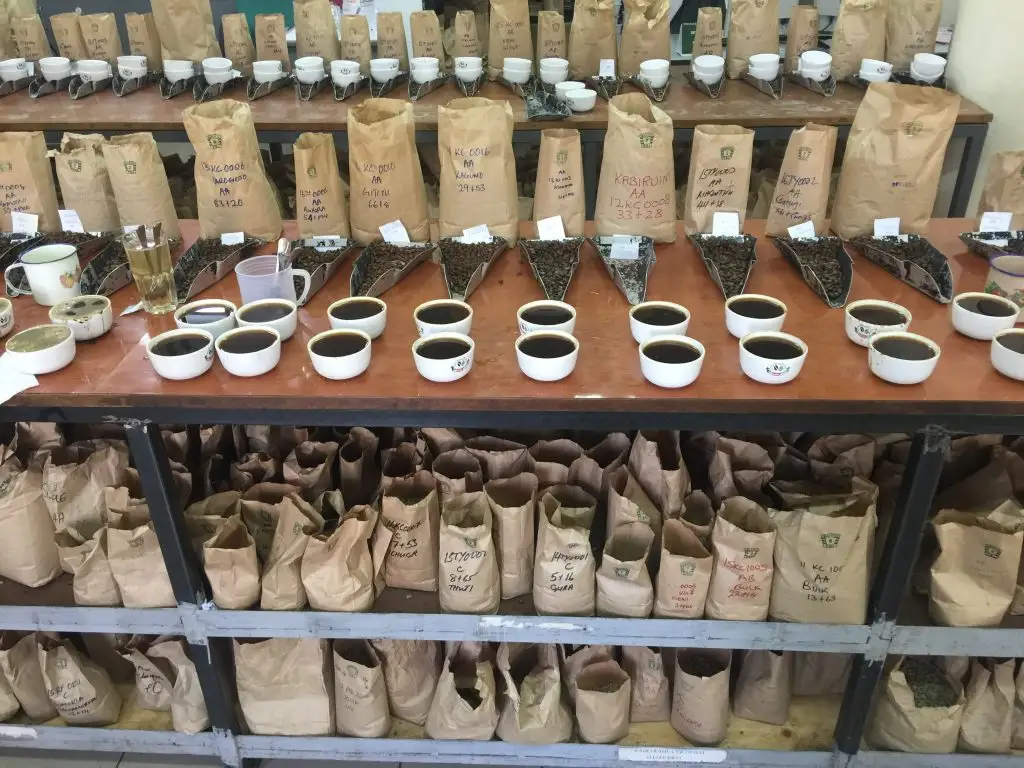
【Kenya Coffee Producing Regions】 Kenya's coffee-growing areas are mainly concentrated in the central and western zones. Central producing regions include Kiambu, Nyeri, Kirinyaga, Muranga, Embu, Machakos, Ruiru, and Thika; in the west, there are Kisii and the Bungoma area located on Mt. Elgon.
FrontStreet Coffee regularly updates the producing region options on its bean list, and Kenya is naturally among them. Last month, FrontStreet Coffee acquired a batch of Kenyan beans from different producing regions. After multiple rounds of tasting through roasting, cupping, and pour-over, it was found that each producing region indeed presents a different character. The specialty producing regions are mainly concentrated in the following: Nyeri, Kirinyaga, and Murang'a.
Nyeri
The Nyeri producing region is located in central Kenya, where the extinct volcano Mount Kenya is situated. The red soil here produces Kenya's finest coffee. Agriculture occupies an extremely important position locally, and coffee is its largest crop. The Nyeri producing region is mainly composed of cooperatives formed by smallholder farmers, while large estates are rare. Altitude: 1,200 to 2,300 meters Harvest period: October to December (main season), June to August (secondary season) Varieties: SL-28, SL-34, Ruriu11, Batian.
Muranga The Muranga producing region belongs to Central Province, and there are about 100,000 coffee farmers in this area. This inland producing region was the settlement choice of the first missionaries because the Portuguese prohibited them from living in the coastal area. This is another producing region that benefits from volcanic soil, and the number of smallholder coffee farmers is also greater than that of estates. Altitude: 1,350 to 1,950 meters Harvest period: October to December (main season), June to August (secondary season) Varieties: SL-28, SL-34, Ruiru11, Batian
Kirinyaga The Kirinyaga producing region is located on the slopes of Mount Kenya, adjacent to the Nyeri producing region. It is world-famous for coffee with intense flavor, rich layers, and a solid mouthfeel, and together with the Nyeri producing region, it is recognized as one of the two best producing regions in Kenya today. Most producers in this area are smallholder coffee farmers who join cooperatives, and the cooperatives play an integrating role by providing wet processing plants, while the coffee farmers send coffee cherries to the cooperatives' processing plants for processing. Altitude: 1,300 to 1,900 meters Harvest period: October to December (main season), June to August (secondary season) Varieties: SL-28, SL-34, Ruiru11, Batian.
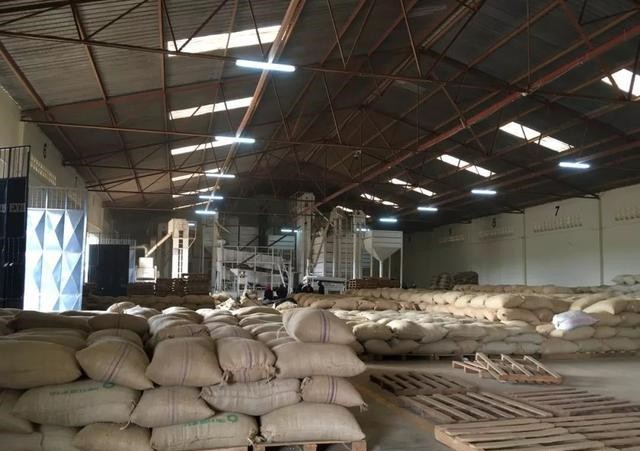
【Kenya Asalia Processing Plant】
Producing region: Thika, Nyeri, Kenya
Processing method: washed processing
Altitude: 1,550~1,750 meters
Varieties: SL28 & SL34
FrontStreet Coffee recommends pour-over as the extraction method
Brewing plan
Coffee grounds: 15 grams Coffee-to-water ratio: 1:15 Water temperature: 89 to 92 degrees Celsius Time: 2 minutes Grind: EK43S#10
Bloom with 30 grams of water for 30 to 35 seconds, then pour water until 125 grams, at about 1 minute. When the water level drops to halfway, pour the remaining water, finishing the pour at about 1 minute 30 seconds to 1 minute 40 seconds. After filtration is completed at 2 minutes, remove the dripper.
Flavor description: obvious berries, dark cocoa, syrupy, medium-high acidity, medium bitterness, clean, medium finish.
The above content is compiled by CoffeeHunters, a coffee news website.


