







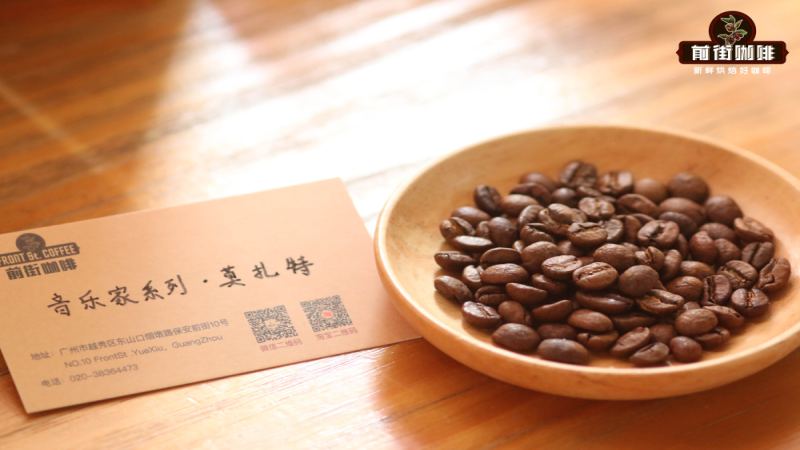
What Makes Costa Rica Mozart Coffee Distinct?
Front Street Costa Rica Mozart coffee comes from Finca Canet in the high-altitude Tarrazu region, the country's most concentrated fruit-growing area. The estate, run by three brother families with over ten years of production experience, processes its beans almost entirely with honey methods, including the raisin honey style that sets Mozart apart.
Tarrazu's latitude, fertile soil and good drainage support the sweet dried-fruit and floral character associated with the Musician series. At the wet mill, cherries picked each December are processed to preserve mucilage, which shapes the raisin honey profile. Brewing focuses on water temperature and grind size, with a three-pour routine to keep the sweetness and clean acidity steady at home.
Front Street Costa Rica Mozart coffee is a classic in the Musician series, known for its pleasant floral aroma and clear dried-fruit sweetness. This article starts from the origin background of the Musician series, sorts out the cultivation and processing methods of Finca Canet, focuses on comparing the differences between raisin honey processing and regular honey processing, and explains the flavor layers of osmanthus, grape, berry, rose tea, and more that this bean presents in cupping. The brewing section centers on the two key variables of water temperature and grind size, and, combined with Front Street’s roasting approach and store parameters, provides a complete three-pour operation process to help coffee lovers steadily brew Mozart’s sweet fruity flavor and clean acidity at home.

To get more specialty coffee-related content, you can follow the WeChat public account: Front Street Coffee (FrontStreet Coffee).
Front Street Costa Rica Mozart coffee is a highly representative bean in the Musician series. Whether extracted by pour-over or cold drip, its pleasant floral aroma and clear, sweet dried-fruit flavor are both well displayed, leaving a deep impression on many coffee lovers. Below, Front Street will discuss the characteristics of this Mozart coffee from several angles.
How did the Musician series come about?
The Musician series comes from Finca Canet in Costa Rica, located in the highest-altitude area of the well-known Tarrazu region, which is also the area with the most concentrated fruit cultivation in Costa Rica. Tarrazu is a critically important coffee-producing region in Costa Rica, with generally high latitude, excellent climatic conditions, fertile soil, and good drainage. With these outstanding conditions, Tarrazu is recognized as Costa Rica’s highest-quality major coffee-producing region and has also received much praise and recognition.
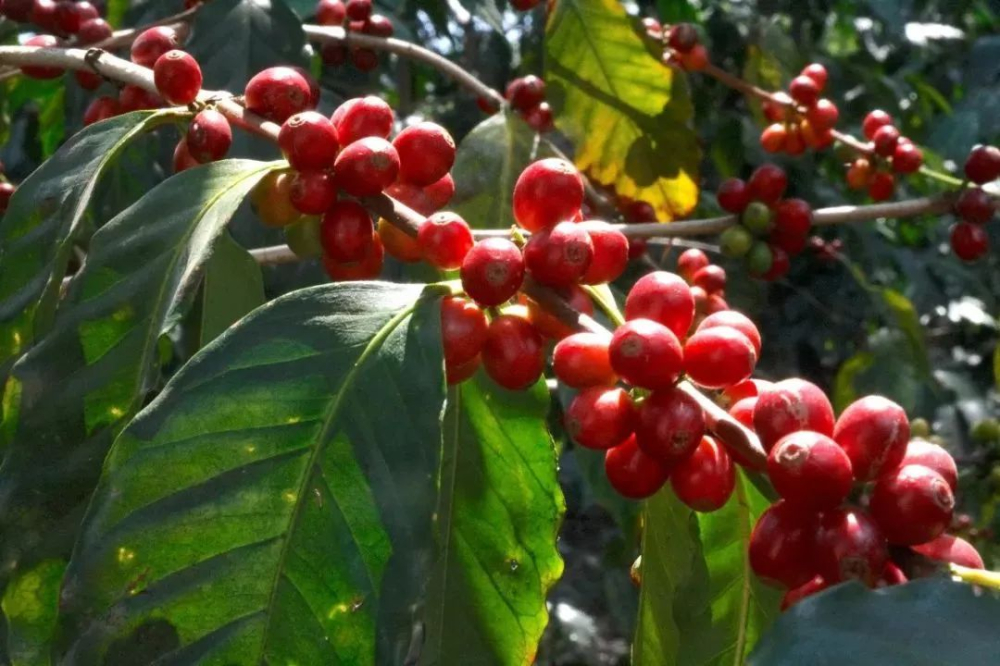
Finca Canet is jointly managed by three brother families. Its coffee beans are basically all produced using honey processing, and it has accumulated more than ten years of coffee production experience so far. The estate mainly grows fruits such as passion fruit, while the coffee trees are concentrated in specific plots under unified management. When the coffee cherries ripen each December, the estate owner organizes workers to pick the coffee cherries, which are then sent to a small wet processing plant (Beneficio) built nearby for processing.
The owner of Finca Canet is fond of classical music and admires Romanticism, so the coffee beans produced by the estate are all named after musicians, such as Bach, Beethoven, Mozart, and Chopin. The estate owner continuously explores coffee variety selection and post-processing methods. High-quality coffee beans combined with raisin honey processing at different mucilage levels usually produce coffee with good sweetness, body, and thickness, along with ripe fruity flavors similar to banana. In addition, borrowing the famous names of various musicians naturally makes them easier to remember.
What is the difference between raisin honey processing and honey processing?
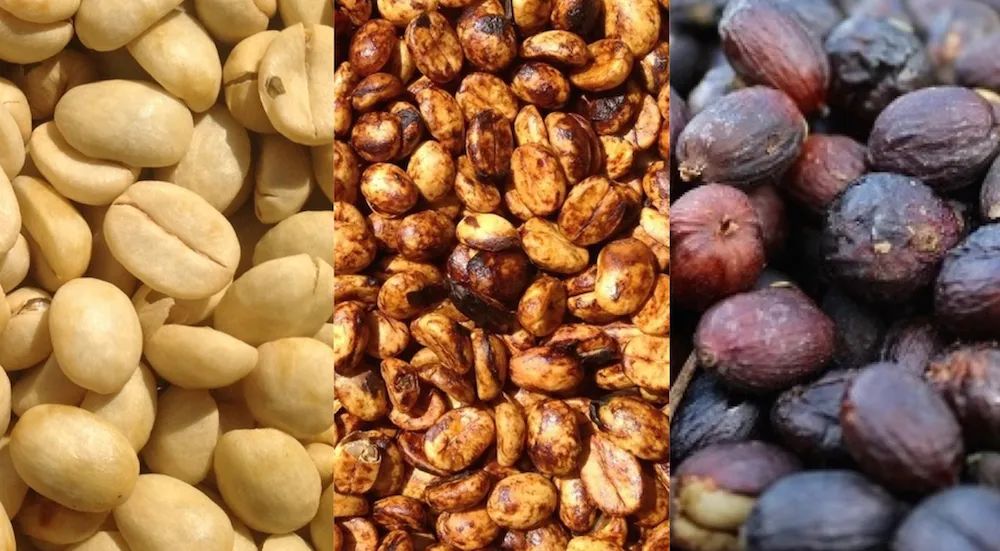
When it comes to processing methods, the most common are washed, natural, and honey. Natural processing places the whole fruit under the sun to dehydrate and dry, and finally removes the husk by machine; it is the simplest method. Washed processing first uses a machine to remove the outer skin and pulp, allowing the remaining mucilage to naturally decompose and ferment in water, then it is manually scrubbed clean and dried, so washed processing has a higher cost. Honey processing can be seen as a compromise between the previous two: after depulping, different degrees of mucilage are retained for fermentation, and it is also called semi-natural or semi-washed.
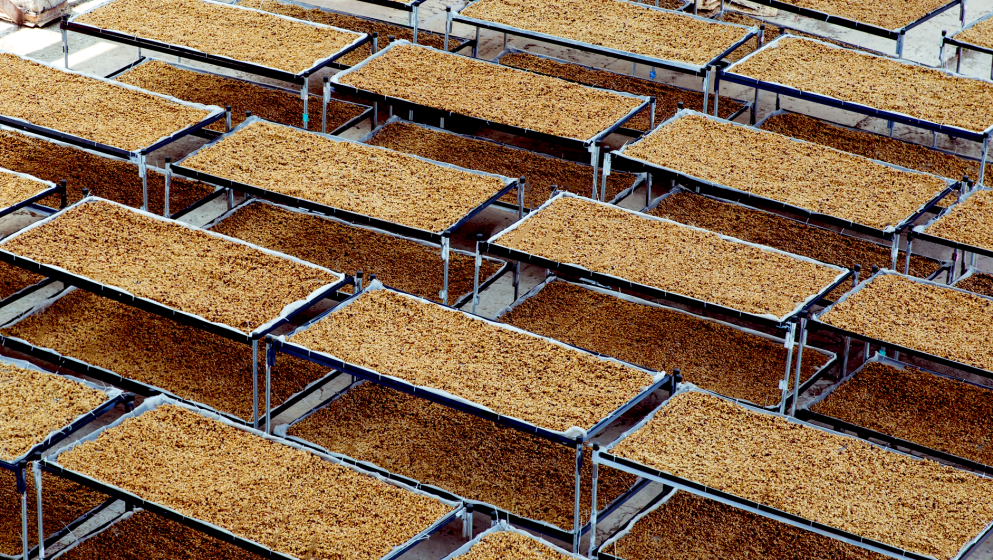
When using honey processing, producers first pour fresh coffee cherries into a water tank for flotation, removing underripe green cherries and impurities, and then use a depulper to remove the outermost layer of the fruit. Unlike the washed method, after the fresh fruit is depulped, it is not rinsed with large amounts of clean water to remove the mucilage; instead, it is dried with the mucilage still attached. Because mucilage contains sugar and has a sticky texture, it is easily associated with honey, hence the name honey processing. Coffee made with honey processing generally shows full tropical fruit flavors and fermented sweet aromas in cupping, with an overall refreshing mouthfeel and clean acidity.
Raisin honey processing combines the techniques of natural and honey processing. After flotation to remove defective red cherries, the whole coffee fruit is first dried (in an anaerobic or aerobic environment) until it becomes shriveled like a raisin; the fresh fruit turns from bright red to purple-black. Then a machine is used to remove the skin, retaining different degrees of mucilage, and it enters the second stage of honey-processing fermentation. This process must carefully control fermentation time: too fast and flavor development is likely to be incomplete; too slow and it faces overfermentation, making it more difficult to handle. Each fermentation must combine technique and experience and be adjusted according to temperature, sunlight, humidity, and weather. Double mucilage fermentation brings the coffee richer fruit flavors, clear sweetness similar to fruit wine, and balanced acidity.
In terms of roasting, Front Street hopes to retain more fruit acidity and floral flavors, so this bean was adjusted to a medium-light roast. Through cupping, the dry aroma of Front Street Mozart coffee is intense osmanthus and dried-fruit aromas. After hot water is poured, aromas of dark fruits such as grape and berry can be smelled. On the palate, there are flavors of sweet orange, raisin, and berry with a slight fermented note, and after swallowing, a rose tea aftertaste can still be felt in the mouth.
How do you brew the sweet, fragrant flavor of Front Street Mozart coffee?
Although Mozart coffee shows quite rich aromas in cupping, to brew it deliciously, Front Street believes some details still need attention. Among the brewing parameters, water temperature and grind size are especially key.
When adjusting grind size, Front Street uses a tool—the Chinese No. 20 0.85 mm standard sieve. For medium-light roasted coffee beans, Front Street usually uses a 75–80% passing rate, while for medium-dark roasted coffee beans it uses 70–75%. This Front Street Costa Rica Mozart coffee bean, because it has undergone anaerobic-style fermentation, has a looser bean structure and better water absorption, so water passes through the coffee grounds in a shorter time, making under-extraction likely. Therefore, Front Street will adjust the grind finer, and the store uses an EK43s grinder with the setting at 9.2–9.5.
Water temperature plays a role similar to grind size: the higher the water temperature, the higher the extraction efficiency, the easier it is to release various substances and components, and the higher the concentration becomes. If brewed with water close to boiling, it is easy to extract unpleasant bitter substances. So for medium-dark roasted coffee beans, Front Street recommends 87–90°C, while light-roasted coffee needs a higher water temperature to bring out aroma, so 91–93°C is used. Front Street recommends using 90°C to brew Mozart. This coffee has a relatively steady and rounded character; if the water temperature is too high, it easily releases heavy bitterness that covers up the various fruity and floral notes.
For the brewing dose, still use 15 g, with a coffee-to-water ratio of 1:15. A moderate concentration is more conducive to experiencing the various flavors of Mozart coffee.
Three-pour brewing:
First put the folded filter paper into the dripper and fit it snugly, then wet it with water so it adheres better to the dripper. Prepare hot water and a thermometer to measure the temperature, and at the same time pour 15 grams of ground coffee into the dripper and tare the electronic scale.
For the first pour, add 30 g of water and bloom for 30 seconds. Start timing at the same time as pouring. Throughout, pour with a small stream from the center point and then in outward circles, making sure to wet the entire coffee bed. At this point, you can see the coffee grounds swelling and forming a small dome as they release gas.
After 30 seconds, pour the second stage of 100 g of water with the same steady stream. The purpose is to lift the entire coffee bed. The water column should be poured vertically and evenly. At this time, the scale timer shows 130 g, and the pour is finished in about 55 seconds.
When the liquid level drops to the point where the coffee bed is almost exposed, begin pouring the third stage of 95 grams in small circles with a small stream. Try to control the circling so it is not too wide, and try not to let the coffee liquid level exceed the coffee wall formed by the second pour; otherwise, the water can easily flow down along the filter paper and cause under-extraction.
The final total brewing water is 225 grams, and the drip completion time is about 1 minute 50 seconds. After removing the dripper, swirl the coffee liquid in the server to mix it evenly, and it is ready to taste.
The above content is compiled by CoffeeHunters, a coffee news website.


