







How does C. arabica flavor differ across growing regions?
C. arabica is grown across the world's main specialty regions, and terroir gives each origin a distinct profile. Africa brings floral and fruity notes, Latin America tends toward balance and mildness, and Asia adds depth and body. Traceable beans from named estates deliver a more consistent cup than anonymous lots, which helps buyers narrow a crowded shelf quickly.
Representative origins include Ethiopia, Kenya, Rwanda, Panama, Brazil, Colombia, Jamaica, Indonesia, Yunnan in China, and Papua New Guinea, with named coffees such as Yirgacheffe Sun-Dried Red Cherry, Kenya Little Tomato, Rwanda Red Bourbon, Huila coffee, Blue Mountain No. 1, PWN Golden Mandheling, Yunnan Small Bean, and PNG Bird of Paradise.
Arabica coffee is grown across the world's major specialty regions, and the terroir of each origin gives the beans strikingly different flavor profiles. From the floral and fruity notes of Africa to the balanced mildness of Latin America and the rich depth of Asia, each has its own character. This article introduces representative coffees from well-known origins such as Ethiopia, Kenya, Rwanda, Panama, Brazil, Colombia, Jamaica, Indonesia, Yunnan in China, and Papua New Guinea, and recommends corresponding selected products from the Front Street brand, including Yirgacheffe Sun-Dried Red Cherry, Kenya Little Tomato, Rwanda Red Bourbon, Washed Butterfly, Queen's Estate, Huila, Blue Mountain No. 1, PWN Golden Mandheling, Yunnan Small Bean, and PNG Bird of Paradise, helping coffee lovers quickly find the cup that suits them.
Looking at the global coffee map, those renowned specialty origins are always captivating, because only traceable beans can deliver a higher level of taste experience. However, every specialty region has its own flavor personality, and even sub-regions or different estates within the same major region can produce beans with completely different characters. Faced with so many varieties of coffee beans, do you feel at a loss about where to start? Don't worry. Next, let's start from each origin and step by step enter the vast world of specialty coffee, helping you quickly find the one you like. African Coffee Regions
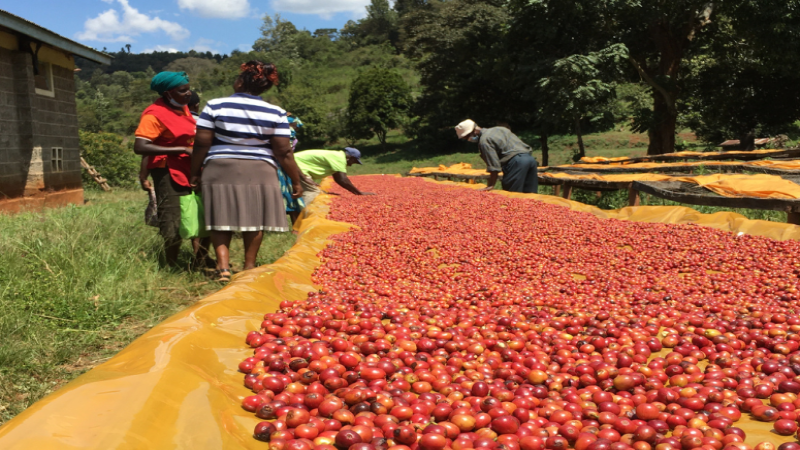
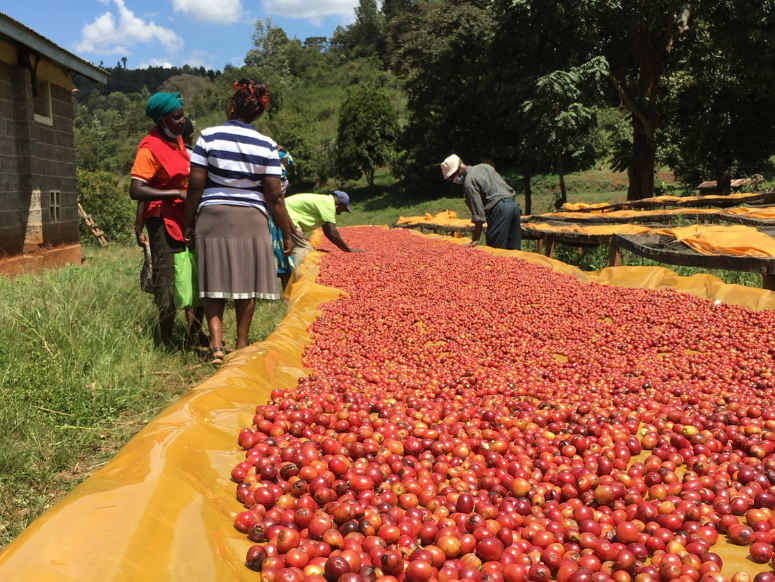
Ethiopian Coffee Recommendation: Front Street Yirgacheffe Sun-Dried Red Cherry Region: Yirgacheffe Estate: Aricha Estate Altitude: 1700-2200m Grade: G1 Variety: Heirloom Processing Method: Natural Yirgacheffe is a classic representative of floral-style coffee and became world-famous around the turn of the millennium. These beans use the traditional natural method, also known as the dry process—ripe coffee cherries are hand-picked and spread on raised beds or open ground to dry in the sun. During drying, they must be turned and stirred regularly to prevent uneven drying or over-fermentation. After two to four weeks, once the moisture content drops to around 12% and the cherries are completely dry, the pulp and skin are removed with a huller. Natural Yirgacheffe processed this way is full of tropical fruit aromas and also carries a slight fermented note. Front Street Yirgacheffe Red Cherry Coffee Flavor Description: Lemon, licorice, citrus, berries, sweet orange, with relatively high overall sweetness, a caramel and creamy finish in the aftertaste, and a black tea aroma in the lingering finish.
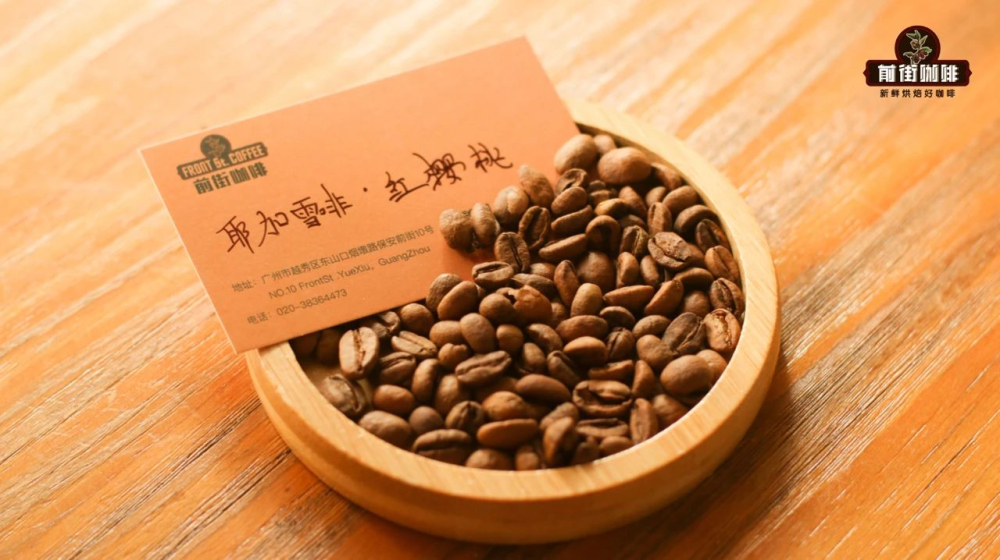
Kenyan Coffee Recommendation: Front Street Little Tomato Region: Thika Processing Station: Asali Honey Processing Station Altitude: 1550-1750m Grade: AA TOP Variety: SL28, SL34 Processing Method: K72 Washed Kenya's washing process is unique in the world and clearly different from ordinary washing. Locally, the K72 method is often used, meaning the washed soaking lasts as long as 72 hours, while ordinary washing rarely exceeds 36 hours. It is precisely this ultra-long soaking that gives Kenyan specialty coffee its signature steady acidity. The processing flow for Front Street Kenya Little Tomato is as follows: first select highly ripe fruit, remove the skin and pulp, then place it in a tank to ferment, using soaking to wash away the mucilage. The whole process lasts 72 hours, after which the beans are removed and dried to a moisture content of 12%.
Front Street Kenya Little Tomato Flavor Description: Cherry tomato and berry aromas, with obvious acidity of plum and snow pear on the palate, a juicy mouthfeel and yellow sugar sweetness, a prominent sweetness in the middle, and a tea-like finish.
Rwandan Coffee Recommendation: Front Street Rwanda Red Bourbon Region: Western Nyamasheke District Altitude: 1500m Variety: Bourbon Processing Method: Washed Rwanda is one of the most closely watched coffee-producing countries today, and its bean quality is in no way inferior to Ethiopia's. The country has ideal growing conditions such as high altitude, stable rainfall, volcanic soil, and an organic environment, and its main variety is the vigorous Bourbon. Rwandan coffee farms basically do not use chemical fertilizers or insecticides; soil nutrients come from natural surface cover and traditional fertilization methods. Most local coffee is produced by smallholder farmers, with about 500,000 households involved in cultivation, and each household often owns less than one hectare of land. Although Rwanda has a long history of coffee cultivation, the significant leap in quality has only been achieved in recent years.
Front Street Rwanda Red Bourbon Coffee Flavor Description: Cherry tomato and citrus aromas, with obvious citrus, berries, and plum on the palate, nuts in the middle, and a honeyed sweetness in the finish. Latin American Coffee Regions
Panamanian Coffee Recommendation: Front Street Washed Butterfly Region: Boquete Altitude: 1600-1650m Grade: SHG Variety: Geisha (70%), Caturra, Catuai Processing Method: Washed Panama is located in Central America, bordering Costa Rica to the west and Colombia to the east. Coffee was introduced to Panama by European immigrants in the 19th century, when the country had already been independent from Spain for about 50 years, but as an agricultural product, Panamanian coffee truly established itself only in the last two decades. In terms of climate, Panama is close to the equator and has a tropical maritime climate, humid during the day and cool at night, with an average annual temperature of 23-27°C, distinct dry and rainy seasons throughout the year, and average annual rainfall of 1500-2500 mm.
When people talk about high-quality Panamanian coffee, Geisha is always the first thing that comes to mind. Front Street Butterfly contains 70% Geisha, with the remaining 30% made up of Caturra and Catuai. What is pleasantly surprising is that, on the premise of excellent quality, this bean is quite affordable, with outstanding value for money. Front Street Panama Butterfly Coffee Flavor Description: Floral, black tea, berries, citrus, with a slight nuttiness in the finish, a smooth mouthfeel, low bitterness, moderate acidity, and a medium finish.
Brazilian Coffee Bean Recommendation: Front Street Queen's Estate Region: Mogiana in São Paulo State Estate: Queen's Estate Altitude: 1400-1950m Variety: Yellow Bourbon Processing Method: Pulped Natural Most Brazilian coffee varieties are pure Arabica—Bourbon, and Bourbon itself arose from a mutation of Typica. Usually when Bourbon is mentioned, it refers by default to Red Bourbon, named because the fruit is red when ripe. Queen's Estate, however, grows the rare Yellow Bourbon, which is not the unripe state of Red Bourbon, but a different color trait formed after a genetic mutation in Bourbon; the fruit is bright yellow when ripe, and the flavor is clean and serene. Because of its low yield and poor resistance to wind and rain, Yellow Bourbon has not been widely planted.
Front Street Brazil Queen's Estate Coffee Flavor Description: Rich nut and dark chocolate flavors, fermented fruit, obvious sweetness, with a faint lemon aroma, and an overall rounded impression.
Colombian Coffee Recommendation: Front Street Huila Region: Huila, Colombia Altitude: 1700m Variety: Caturra Processing Method: Washed Huila in Colombia is located in the south of the country and is a hilly area surrounded by mountains. The mountains block cold winds from reaching the coffee trees while also sending cool breezes to dispel high temperatures. At the same time, important rivers in Colombia all flow through this area, which can be said to be a perfect growing environment tailor-made by nature for coffee trees. Such superior geographical conditions have made the region one of Colombia's most famous specialty coffee regions. Under traditional processing methods, Colombian coffee beans have always given the impression of being clean, balanced, and mild, making them a gentle taste experience for friends who have just encountered pour-over coffee.
Front Street Colombia Huila Coffee Bean Flavor Description: Roasted hazelnut and caramel roasting aromas; as the temperature drops, the palate shows slight fruit acidity, a creamy and smooth texture, and a finish that reveals notes of dark cocoa.
Jamaican Coffee Recommendation: Front Street Blue Mountain No. 1 Region: Newcastle Area Estate: Clifton Mount Estate Altitude: 1310m Grade: Blue Mountain No. 1 Variety: Typica Processing Method: Washed Jamaica is an island country in the Caribbean Sea, and the Blue Mountains are the highest mountain range in the western Caribbean, with an altitude of 2256 meters. The unique flavor of Blue Mountain coffee is inseparable from its exceptional geographical location and climatic conditions. The Blue Mountains lie in the coffee belt at 25 degrees north latitude, with fertile new volcanic soil, fresh and pollution-free air, rain throughout the year, high humidity, and large temperature differences between day and night. The soil, rich in nitrogen and phosphorus, is very suitable for coffee growth. Together with regular rainfall and the island's hazy cloud cover blocking the scorching sun, these factors have jointly created today's world-famous Blue Mountain coffee.
Coffee from Jamaica's Blue Mountain region is divided into three grades: Blue Mountain Coffee, Jamaica High Mountain Supreme Coffee Beans, and Jamaica Prime Coffee Beans. Among them, Blue Mountain Coffee and High Mountain Coffee are each further divided into two levels. From highest to lowest quality, they are: Blue Mountain No. 1, Blue Mountain No. 2, High Mountain No. 1, High Mountain No. 2, and Jamaica Coffee. Front Street Blue Mountain No. 1 is the highest grade, with basic green bean standards of above 17 screen size, a defect rate below 3%, and a moisture content of about 13%. Front Street Jamaica Blue Mountain Coffee Flavor Description: Chocolate and buttery creamy aromas, with notes of caramel, cookies, and toasted bread; the mouthfeel is rich and aromatic, with a perfect balance of sweetness, acidity, and bitterness, and very strong body. Asian Coffee Regions
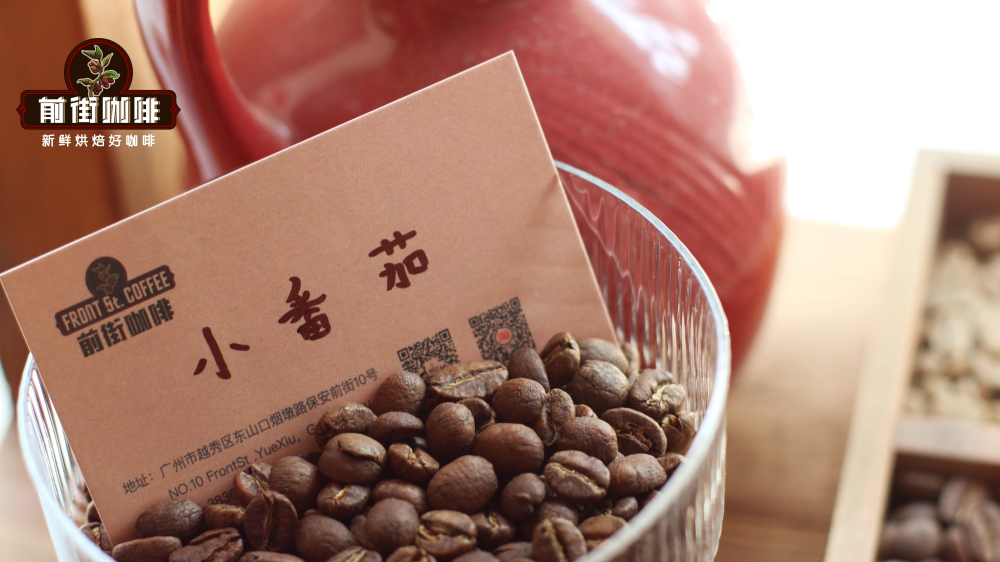
Indonesian Coffee Recommendation: Front Street PWN Golden Mandheling Region: Sumatra Company: PWN Altitude: 1100-1600m Grade: G1 Variety: Typica Processing Method: Wet-Hulled Mandheling mostly uses Sumatra's unique wet-hulled process. The local weather is rainy and typhoons are frequent, making it difficult to meet the good weather needed for natural drying. In addition, limited economic conditions make it impossible to afford the higher cost of the washed method, so the highly localized wet-hulled method emerged. In the first stage, a wooden pulper is used to remove the skin and pulp, followed by 3 hours of fermentation and then drying, bringing the moisture content down to a semi-dry, semi-wet state of 30%-50%. In the second stage, the mucilage and parchment layer are removed, and drying continues. The entire drying process takes 2-4 days, and the final moisture content drops to 12%-13%. Golden Mandheling adds more rounds of sorting on this basis. After more than three rounds of manual sorting, the beans become uniform in size and low in defect rate.
As the first company to export Golden Mandheling to Japan, PWN (Pwani Coffee Company) registered the Golden Mandheling trademark, so only "Golden Mandheling" produced by PWN is authentic. Front Street PWN Golden Mandheling Coffee comes with a complete set of certificates and displays the burlap sack used for the green beans. Front Street Indonesia Golden Mandheling Coffee Flavor Description: Prominent herbal and spice notes, with caramel and dark chocolate bringing a rich mouthfeel, rich nut and caramel aromas, layered and varied, with chocolate notes and a long-lasting finish.
Chinese Yunnan Coffee Recommendation: Front Street Yunnan Small Bean Coffee Region: Baoshan, Yunnan Altitude: 1200m Variety: Catimor Processing Method: Washed Coffee cultivation in Yunnan is mainly concentrated in Lincang, Baoshan, Pu'er, Dehong, and other places. These areas have natural resources such as low latitude, high altitude, and large temperature differences between day and night. Yunnan has no four seasons, only a dry season and a rainy season, and most coffee-producing areas are the same, which is precisely the fundamental reason some regions adopt the natural method. Entering June, the rainy season begins in the producing areas, followed by three to four months of continuous rainfall, which is the most favorable period for growing coffee. Only by planting seedlings at this time, after months of nourishment from rain, can they grow a well-developed root system and survive the first dry season, which lasts as long as half a year.
Catimor is a hybrid descendant of Timor and Caturra and is currently the most widely planted variety in Yunnan. It was bred in 1959 by CIFC, the Portuguese Coffee Leaf Rust Research Center, focusing on disease resistance and high yield. Catimor inherited the advantages of Robusta (Timor is a cross between Arabica and Robusta), can better resist coffee berry disease and leaf rust, and also has stronger resistance to pests and diseases. Yunnan coffee mostly uses washed processing, which can effectively reduce interference from external substances and is suitable for presenting a balanced profile with medium roasting. Front Street Yunnan Small Bean Coffee Flavor Description: It smells strongly of nuts, with herbs, chocolate, and caramel on the palate, and a faint fruity acidity in the finish.
Papua New Guinea: Front Street PNG Bird of Paradise Estate: Bird of Paradise Grade: AA Altitude: 1600-1800m Variety: Typica Processing Method: Washed Papua New Guinea (Independent State of Papua New Guinea, abbreviated as PNG) consists of two parts, New Guinea in the north and Papua in the south, and is located east of Indonesia. The southern part of the country is plains and lowlands, the southeastern part is coastal, the center is the Central Range, and the north is composed of several independent mountain ridges. Most coffee in Papua New Guinea is grown in highland areas, and the highlands are divided into two main provinces, the Eastern Highlands and the Western Highlands.
Typica originated in Ethiopia and southeastern Sudan and is one of the oldest varieties in the Arabica species. Its top leaves are copper-red, hence the name red-top coffee, also called old-variety small bean coffee. Because of its low yield and difficulty of cultivation, its price is considerably higher than ordinary small bean coffee, but its flavor performance is excellent, and it is recognized as a specialty coffee variety. In 1931, Typica was introduced from Jamaica to Papua New Guinea and showed aroma and high quality similar to Blue Mountain coffee, thus earning the reputation of "Little Blue Mountain." Front Street Papua New Guinea Bird of Paradise Coffee Flavor Description: Flavors of toasted bread, cocoa, butter cookies, sucrose, and sugarcane, layered and varied, rich and clean, with high balance, rich nut and caramel aromas, chocolate notes, and a long-lasting finish.
The above content is compiled by CoffeeHunters, a coffee news website.


