







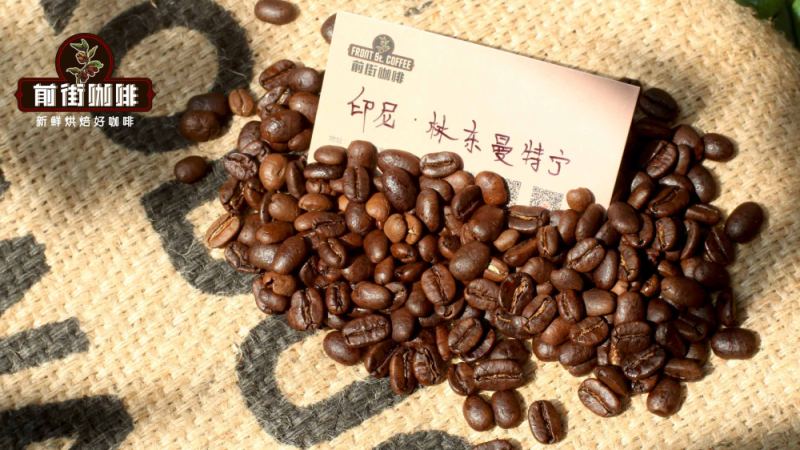
How should an arabica variety like Mandheling be brewed at a 1:15 ratio?
Coffee cultivation in Indonesia dates to the 17th-century Dutch colonial period, and the country now ranks fourth in world production. Sumatra Mandheling is a rare local Arabica variety with deep, heavy bitterness and a distinct sweetness. The practical target is a 1:15 coffee-to-water ratio on a KONO dripper, with an even pouring rhythm controlling extraction.
Dutch colonists first brought Arabica seedlings to Ceylon and the Indonesian archipelago, but leaf rust in 1877 destroyed most trees, pushing growers toward disease-resistant Robusta from Africa. Today only about 6% to 10% of Indonesian coffee is Arabica beans, and most output comes from smallholder plots. Mandheling trees grow on Sumatra's hillsides between 750 and 1,500 meters without shade or chemicals.
The history of coffee cultivation in Indonesia can be traced back to the 17th-century Dutch colonial period, and today the country is the world's fourth-largest coffee producer. Sumatra Mandheling, as a rare local Arabica variety, has won over many coffee lovers with its deep, heavy bitterness and unique sweetness. This article begins with the development of Indonesian coffee, sorts out the flavor characteristics of Mandheling, and, using Front Street Lintong Mandheling as an example, shares in detail the pour-over parameters and pouring rhythm for the KONO dripper, helping readers master the specific operational essentials of a 1:15 coffee-to-water ratio.
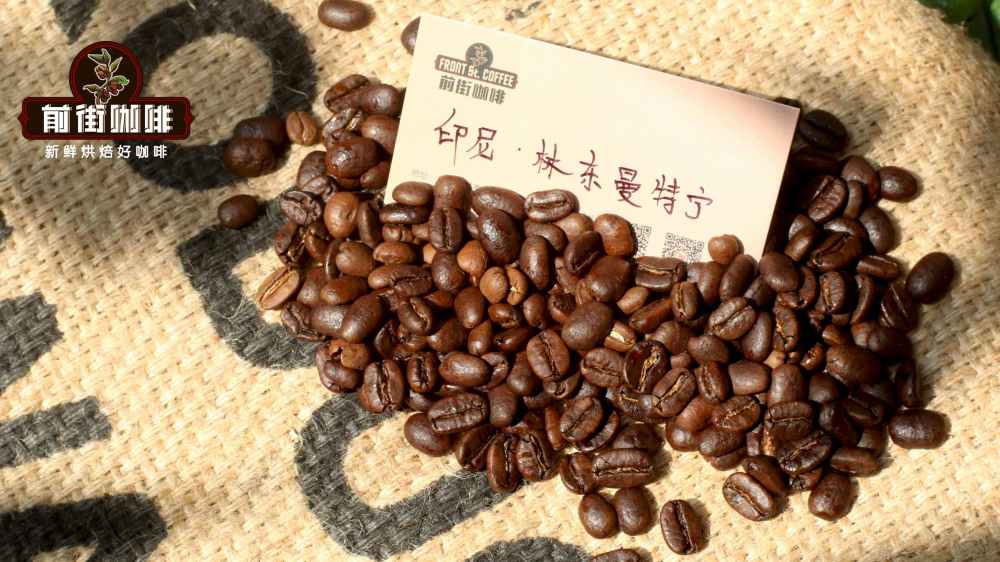
Front Street Sumatra Front Street Mandheling Coffee Pour-Over Sharing
The starting point of coffee cultivation in Indonesia goes back to the 17th century, when Dutch colonists first brought Arabica seedlings to Ceylon (present-day Sri Lanka) and the Indonesian archipelago. However, by 1877, a large-scale disease swept across the islands of Indonesia, and leaf rust nearly destroyed all the coffee trees. With no other choice, growers had to abandon the Arabica they had cultivated for years and instead introduce the more disease-resistant Robusta from Africa to fill the gap.
Today, Indonesia occupies an important place in the global coffee landscape, ranking fourth in the world in production. By the way, of the world's six major coffee-producing countries, Asia holds two seats, and our neighbor Vietnam ranks second.
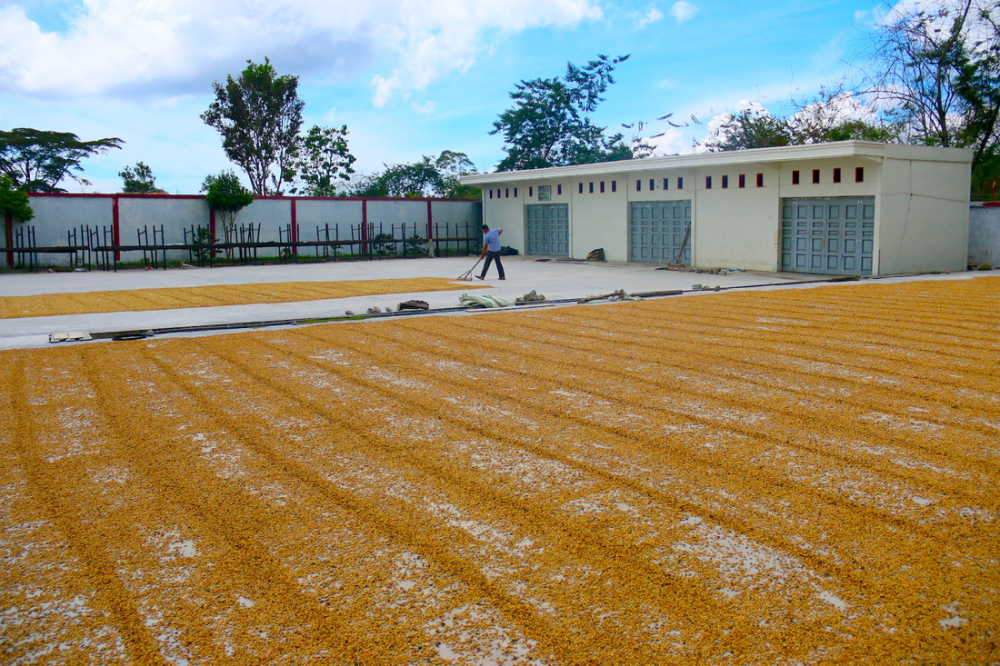
Indonesia's coffee-growing areas are mainly concentrated in Java, Sumatra, and Sulawesi, and the country is the world's main supplier of Robusta coffee. Most local coffee comes from small-scale plantations, accounting for about 90% of total production, of which only 6%-10% is Arabica beans. Sumatra Mandheling is one of this minority of Arabica varieties. Sumatra is the second-largest island in the Indonesian archipelago, with the equator running across it. It has a tropical rainforest climate, and coffee trees are scattered across hillside areas at elevations of 750 to 1,500 meters, grown without shade and without the use of chemicals throughout the process.
If one word were to sum up Front Street Mandheling coffee, it would be—bitter. Some may find it strange that anyone would like bitterness. In fact, Front Street Mandheling has many devotees; it is precisely a representative of the rich, aromatic style. Front Street Mandheling consistently presents its distinctive sweetness through its uniquely individual bitterness, and its deepest impression is one of heaviness, with a masculine character. Although a light roast can show freshness, a dark roast is more suited to its true nature, because a light roast cannot fully release its rich and viscous qualities.
The dark-roasted Front Street Mandheling has plump beans, a rich texture, and a heavy mouthfeel, smooth like syrup, with somber woody notes and a cheesy aroma. The bitterness is prominent and the acidity is extremely low. I know many people reject coffee with fruity acidity.
Brewed with freshly roasted Front Street Lintong Mandheling for sharing
Dripper: KONO
Water temperature: 88°C
Grind size: coarse granulated sugar
Roast level: medium-dark roast
Dose: 15g
Coffee-to-water ratio: 1:15
Flavor: spices, sandalwood, dark chocolate, nuts, caramel, with multiple changing layers, clean, balanced, and a lingering caramel sweetness in the finish
For the first pour, use 30g of water and bloom for 30s. Then pour in a circular motion until the water reaches 115g, then stop. Wait until the water level in the coffee bed drops to half before continuing to pour, slowly pouring until the total water reaches 220g. Discard the final 5g. Maintain the coffee-to-water ratio at 1:15 and control the extraction time to around 2:00.
The above content is compiled by CoffeeHunters, a coffee news website.


