







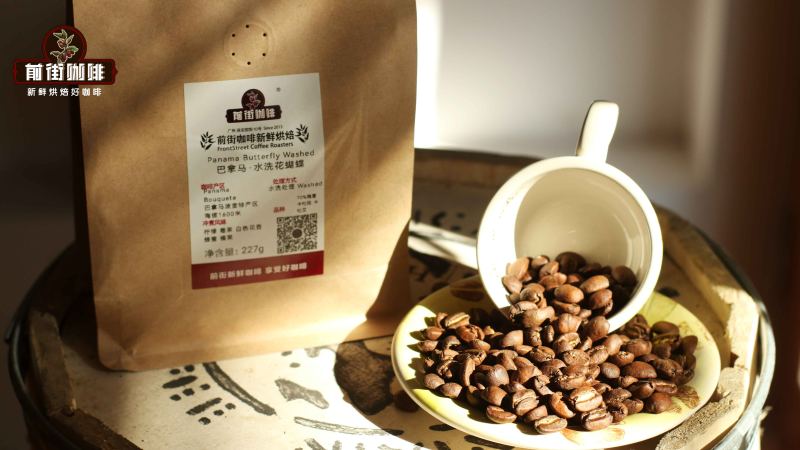
How to Choose Non-Acidic Coffee Beans
Many coffee drinkers dislike sour coffee, but the acidity in coffee depends on roast level, origin, and processing. Light roasts often have bright fruity acidity, while medium and medium-dark roasts bring more sweetness and body, balancing acidity with bitterness. This guide explains those differences and recommends six low-acid beans, including Front Street Colombia Huila, so you can find coffee that is not sour.
To judge whether a coffee will be sour, start with roast level. Light roasts retain more origin character and can taste sharply acidic. Medium roasts develop caramel and nut notes while keeping some fruit, and medium-dark roasts have the least acidity. Choosing beans from regions known for sweetness, such as Colombia Huila, also helps. With these guidelines, you can select a coffee that fits your taste.
Many coffee lovers dislike prominently sour coffee, so how should you choose coffee beans that aren't sour? In fact, the acidity of coffee is closely related to roast level, region, and processing method. Typically, light-roasted beans have bright fruity acidity, while medium-dark roasts bring more sweetness and body, with a better balance between acidity and bitterness. This article starts with roast level to help you sort out the differences in acidity among regions like Yirgacheffe, Brazil, and Colombia, and recommends six beans by the standard of low acidity and high sweetness: Front Street PNG Bird of Paradise, Front Street Brazil Queen's Estate, Front Street Golden Mandheling, Front Street 2013 Yunnan Typica, Front Street Strawberry Candy Geisha Blend, and Front Street Colombia Huila, so you can easily find good coffee that isn't sour.
The flavor expression of coffee varies greatly depending on origin, processing method, variety, and roast level, which also allows both those who prefer acidity and those who dislike it to find a choice that suits them. Many consumers find sour coffee too pungent on the palate, so they turn to looking for high-quality coffee beans that aren't sour. So as ordinary buyers, from what angles can we judge whether a coffee is sour or not?
The Roast Level of Coffee Beans
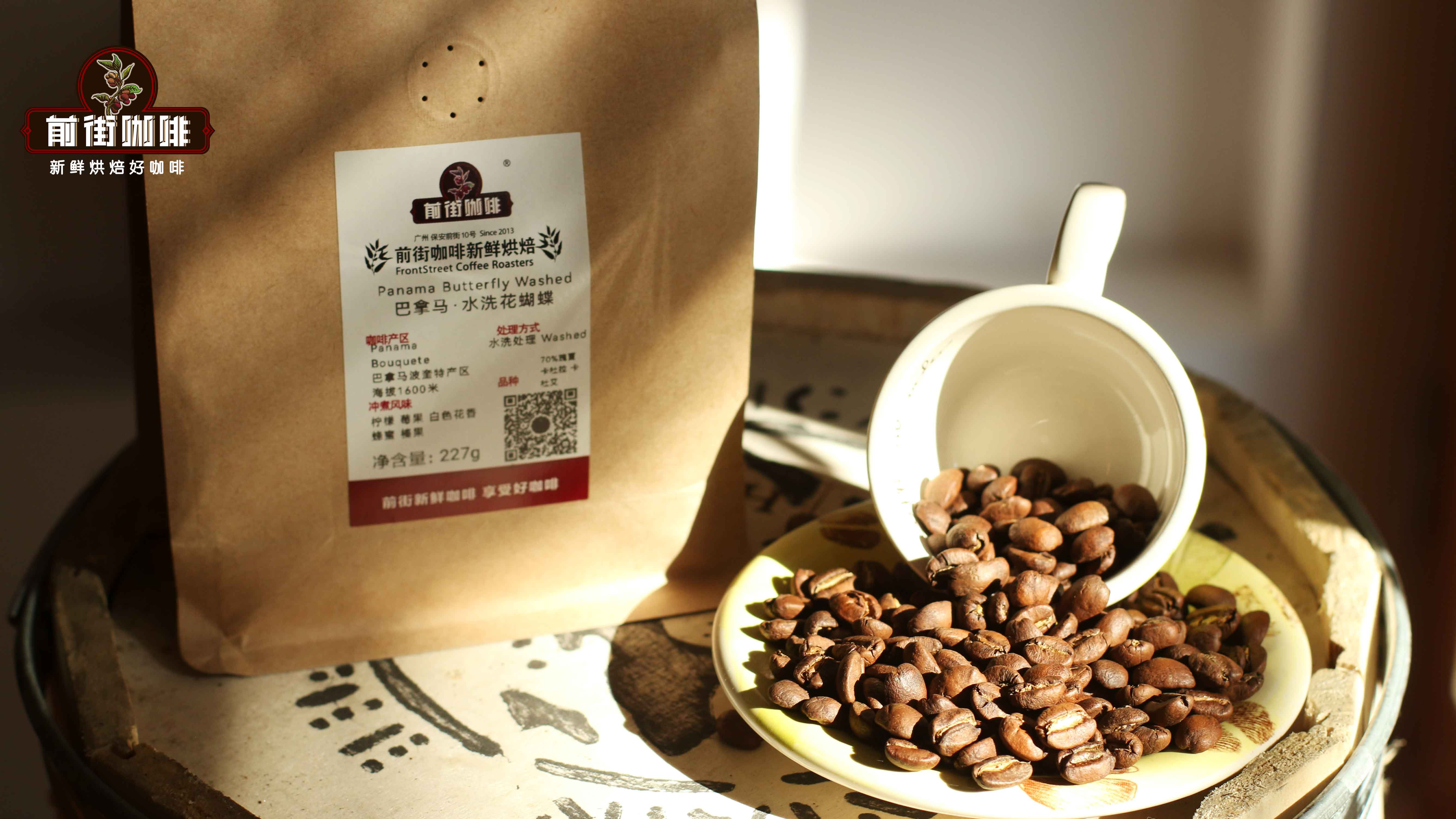
The reason the coffee we drink tastes so different is actually closely related to the roast level; different roast levels bring completely different flavor directions.
Light-roast coffee is removed from the roaster earliest, so it retains the most original flavor and often carries fruity acidity, usually showing distinct citrus or stone fruit notes, such as the strawberry and guava flavors of Front Street Huakui, the citrus and floral flavors of Front Street Yirgacheffe, and the juice-forward Front Street Kenya Little Tomato.
Medium-roast coffee beans are heated longer and undergo more complete caramelization and Maillard reactions. The beans still retain some fruity notes, with slight acidity while also gradually releasing the pleasant aromas of nuts and caramel.
Medium-dark roast coffee beans are heated even longer than medium roast. Most of the acidic substances have already entered caramelization and transformed into components that provide sweetness and body, bringing the acidity and bitterness into a balanced, harmonious state.
In other words, if you want to find coffee beans that aren't sour, first avoid light roasts, second prioritize medium roasts with prominent sweetness, and third choose medium-dark roasts with stronger body. Based on these requirements, the following coffee beans are worth trying:
1. Front Street PNG. Bird of Paradise
Papua New Guinea mainly grows Typica. Typica has an elegant flavor, but the plant is relatively weak, has low disease resistance, and is prone to coffee leaf rust. Front Street Coffee believes that the most notable feature of the Typica coffee tree is its bronze-colored tip leaves, so some people also call it "red-tip coffee." Typica beans are relatively large, shaped like a pointed cone or slender tip, unlike the round-bodied beans of the Bourbon variety. Front Street believes that Typica coffee has a uniquely clear, clean flavor and balanced characteristics, with high cup cleanliness.
2. Front Street Brazil Queen's Estate
The variety of Front Street Queen's Estate coffee beans is the locally rare Yellow Bourbon. Because Yellow Bourbon coffee beans grown at high altitude are denser and have higher glucose content, Front Street's roasting approach is to highlight the classic rich aroma of Brazilian coffee while also showcasing Bourbon's own sweetness, so a medium-dark roast is used. The low-acidity, high-sweetness characteristics of Front Street Yellow Bourbon make it suitable not only for pour-over but also for making moka pot coffee and espresso SOE coffee, with obvious roasted nut and cocoa aromas.
3. Front Street Golden Mandheling
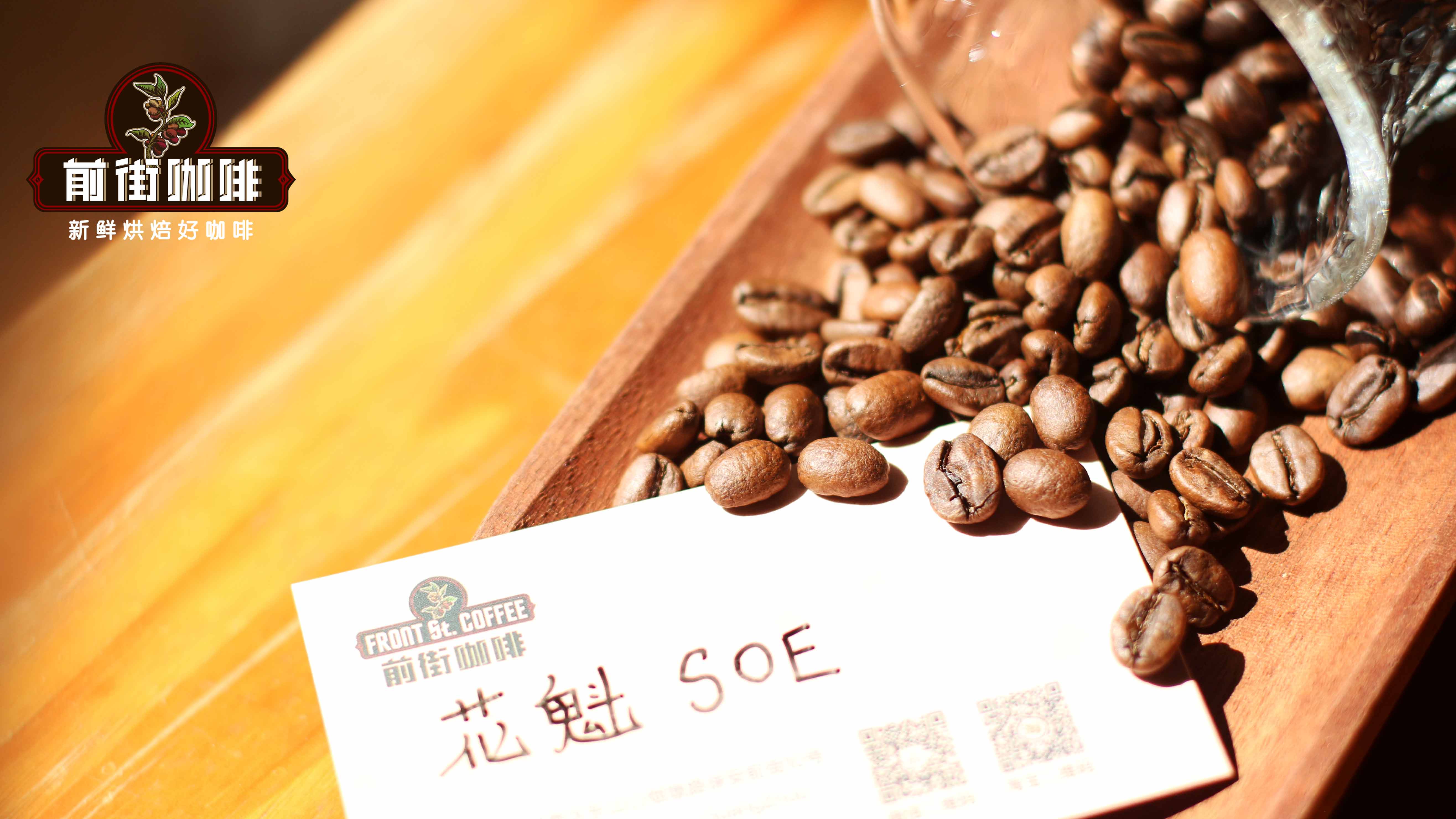
Front Street Indonesia Mandheling is a fairly typical dark-roasted coffee bean, with basic flavors of spices and herbs and a rich, smooth body. Therefore, a dark roast better highlights the bean's basic flavors; if a light roast were used, it would weaken its original flavors and lose the original soul of Indonesian Mandheling. Front Street Golden Mandheling, meanwhile, is based on Mandheling and has undergone three rounds of machine screening and hand sorting, removing all defective beans, greatly improving the quality of the Mandheling coffee so that the cup tastes cleaner and the sweet aftertaste is more pronounced.
4. Front Street 2013 Yunnan Typica
Front Street 2013 comes from Front Street's estate in Lincang, Yunnan, uses the elegant-flavored Typica variety, and adopts the natural sun-dried processing method to give the coffee higher sweetness. When November arrives, the coffee cherries grown by Front Street ripen one after another. Front Street arranges workers to pick the red coffee cherries one by one, spread them out under the sun to dry naturally, and turn them from time to time so they dehydrate evenly. Front Street believes that the flavor of Yunnan Arabica is neutral and balanced, meaning it has acidity, sweetness, and bitterness, so all are medium-roasted to highlight the roasted aromas of chocolate and nuts while retaining a slight fruity sweetness.
5. Front Street Strawberry Candy Geisha Blend
When it comes to coffee with obvious sweetness, Front Street immediately thinks of Costa Rica, which is why it produces high-quality honey-processed coffee; the practice of leaving the coffee mucilage on during drying allows the coffee to show a delightful fermented sweetness in aroma and flavor. To create a coffee that isn't sour and has a sweet floral-fruity profile, we combined Panama Geisha with Costa Rica to form a new Geisha blend, which after brewing has obvious aromas of roses, grapes, and dried blueberries.
6. Front Street Colombia Huila
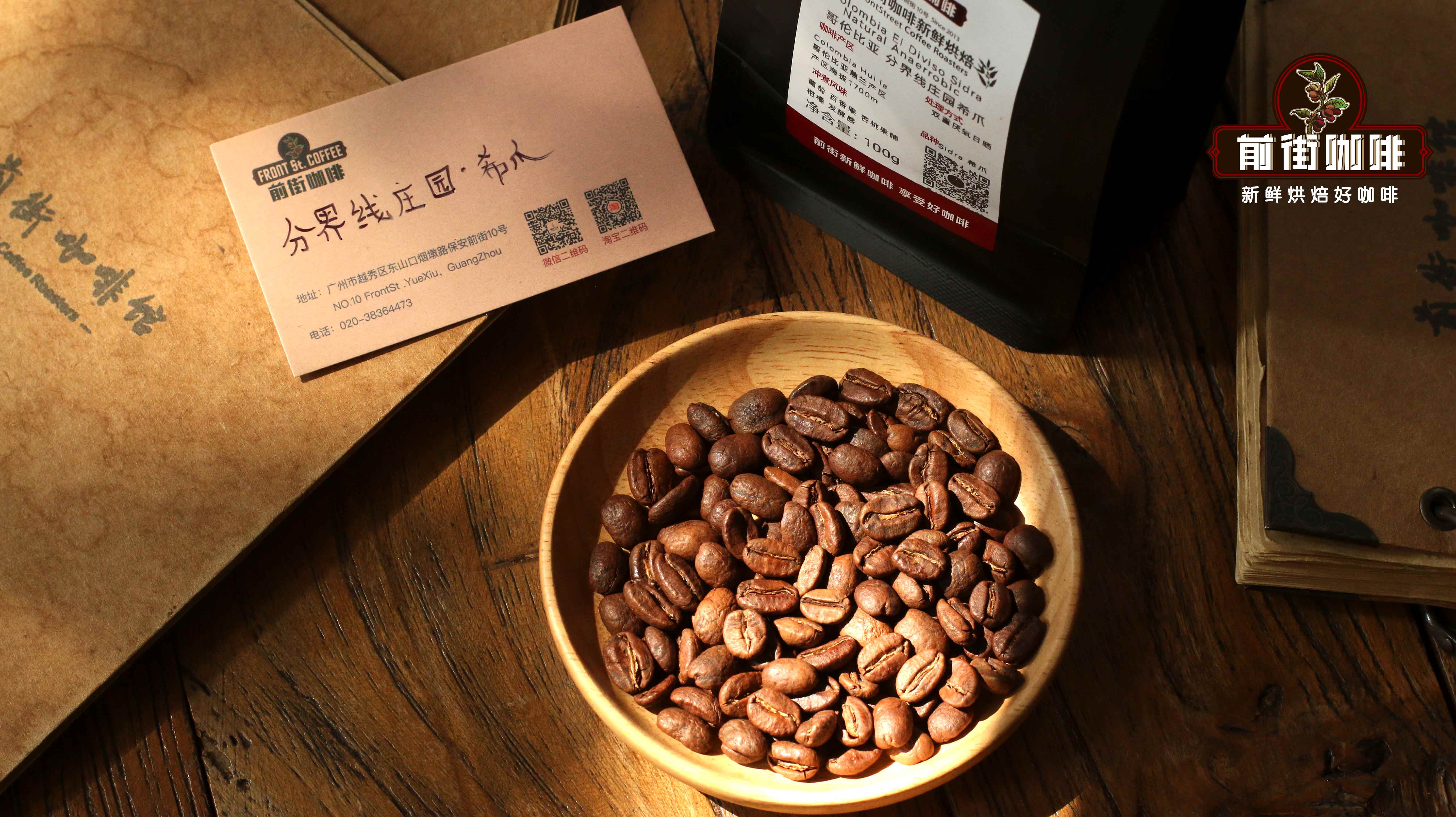
Front Street Colombia Huila coffee uses the washed processing method common in the Americas, giving the coffee beans a clean flavor profile. To present the classic Colombian flavor, Front Street uses a medium-dark roast, and after grinding and extraction it carries rich flavors of creamy chocolate, caramel, cookies, and cocoa.
The above content is compiled by CoffeeHunters, a coffee news website.


