







How Does Ice American Coffee Differ From Cold Brew Extraction?
Cold brew extracts coffee entirely at low temperature, unlike iced Americano or iced pour-over, which start with high heat and cool the coffee afterward. The low temperature slows water molecule movement and suppresses bitter compound release, producing a mellow, smooth, clean cup. Grind size and steeping time are the two variables that decide the result.
For a 50g dose of grounds, single-origin beans show flavor most clearly: African lots like Huakui and Guodingding give lively floral acidity with a lighter body, while Panama and Costa Rica beans such as Boquete Geisha and Strawberry Candy bring floral aroma, balanced acidity and moderate sweetness. Ice American coffee served in shops is extracted hot, then chilled and diluted over ice.
Cold brew coffee uses low-temperature extraction throughout, which is completely different from iced Americano or iced pour-over, where high heat is used first and then the coffee is cooled. Low temperatures suppress the release of bitter compounds and also slow down the movement of water molecules, resulting in a mellow, smooth, clean, and refreshing taste. To make a delicious cold brew, the key lies in precisely controlling the grind size and steeping time. Starting with bean selection, this article introduces the flavor profiles of different origins such as Front Street Coffee Huakui, Guodingding, Boquete Geisha, and Strawberry Candy, and breaks down in detail the cold brew process based on 50g of coffee grounds, including grind standard, coffee-to-water ratio, stirring and sealing, refrigeration time, and filtering and warming back up, helping coffee enthusiasts recreate at home a cup of cold brew with alluring floral aromas and full-bodied acidity and sweetness.
Ordering an iced Americano or iced pour-over at a coffee shop usually means first extracting a concentrated coffee liquid with high heat, then cooling and diluting it with ice. Cold brew is completely different—the entire extraction process takes place at low temperature, allowing water to slowly dissolve various flavor compounds. To make a delicious final product, controlling the grind coarseness and steeping duration is the core.
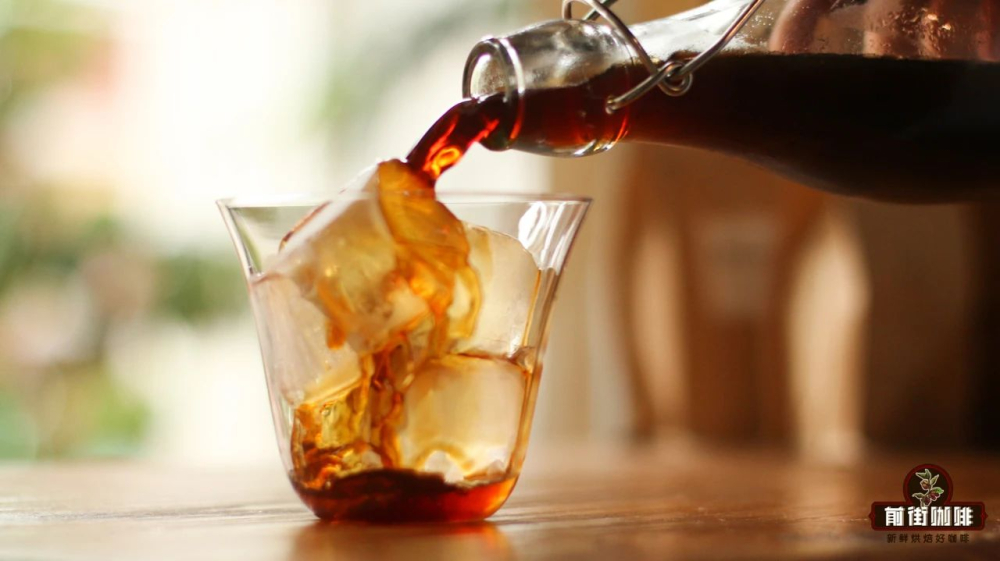
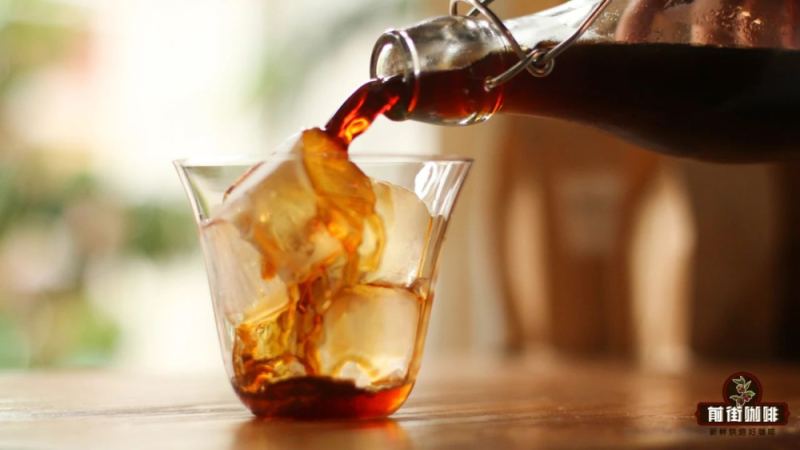
Because heat cannot drive water molecules to move quickly in a low-temperature environment, the release of bitter compounds is also noticeably suppressed, so cold brew is especially suited to presenting a mellow, smooth, full-flavored, clean, and crisp iced coffee.
For cold brew, it is recommended to choose single-origin beans with highly recognizable flavors. If you prefer intense floral aromas and alluring fruit acidity, African beans are the first choice, such as Front Street Coffee Huakui and Front Street Coffee Guodingding. Their acidity is lively and pleasing, but their body is usually on the thinner side.
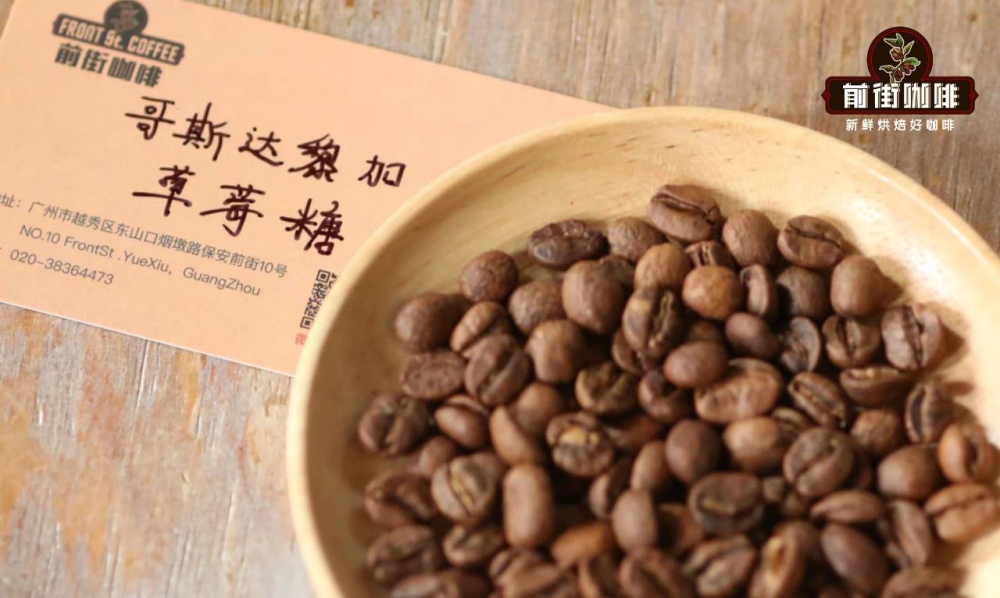
If you prefer a more balanced flavor, consider beans from American origins such as Panama and Costa Rica. Front Street Coffee Boquete Geisha and Front Street Coffee Strawberry Candy are representative examples with prominent floral aromas, excellent acidity, moderate sweetness, and a certain degree of body, among which honey-processed beans have a particularly intense fermented aroma.
How to Make Cold Brew Coffee
Cold brew is not difficult to make, but low temperature means the extraction pace slows down, and it generally takes 6 to 12 hours to extract the acidity and sweetness compounds relatively completely. Therefore, the flavor obtained in a low-temperature environment is mainly full-bodied acidity and sweetness; once steeping exceeds 12 hours, the woody fibers will release a root-like aroma due to prolonged soaking. Although the bitterness is not strong, it will drag down the overall aroma performance.
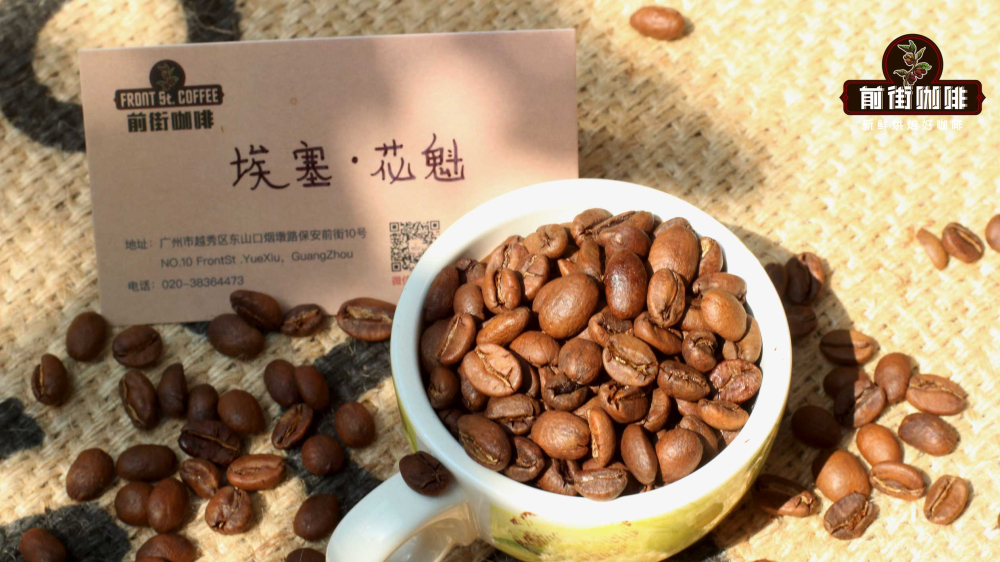
Taking Front Street Coffee's cold brew recipe as an example, use 50g of coffee grounds as the baseline; if making only a single serving, prepare 20g of coffee grounds. For grind coarseness, refer to an 85% pass rate through a No. 20 standard sieve, roughly equivalent to the particle state of caster sugar.
Put the coffee grounds into a glass bottle, pour in 400 ml of room-temperature water and 200 g of hard ice cubes (the ice-water mixture totals 600 g), for a coffee-to-water ratio of 1:12. Stir evenly with a stirring rod, then seal and place in the refrigerator.
After letting it sit in the refrigerator for 8 to 16 hours, filter out the coffee grounds with filter paper to obtain a clear coffee liquid. Transfer the coffee liquid to a clean sealed bottle and continue refrigerating for about 4 hours before drinking; you can also add ice according to personal preference to make the taste even more refreshing.
The above content is compiled by CoffeeHunters, a coffee news website.


