







Which Yunnan coffee regions grow the most distinct Arabica?
Yunnan produces roughly 90 to 95 percent of China's coffee, and Baoshan and Lincang are the regions most often cited for flavor quality. Growing altitudes sit between 1,500 and 2,200 meters, with northern areas reaching 3,000 to 4,000 meters. A mild climate and a wide day-to-night temperature swing shape the small-bean, Typica and Catimor-based profile grown there.
The Arabica coffee landscape in Yunnan draws comparisons with Indonesia, where leaf rust once damaged Typica plantings and pushed growers toward hardier varieties such as Catimor. Yunnan followed a similar path, favoring disease-resistant cultivars on a largely smallholder scale. Cupping comparisons between batches like Front Street 2013 Yunnan Typica and Yunnan Small Bean Red Cherry show how variety, processing, and brewing shift the cup.
Yunnan, as China's core coffee-producing region, contributes about 90% of the nation's coffee output, and its growing conditions and variety composition have always drawn attention from coffee enthusiasts. This article systematically reviews the overall picture of Yunnan small-bean coffee, from producing region distribution, altitude and climate, and historical development to specific variety flavors, with a focus on the flavor characteristics of representative regions such as Baoshan and Lincang. At the same time, the article will compare two Yunnan beans under Front Street Coffee—Front Street 2013 Yunnan Typica and Yunnan Small Bean Red Cherry—in terms of variety, processing method, and brewing performance, helping readers more clearly understand the diversity of Yunnan coffee.
Major coffee-producing regions around the world each have their own flavor personality, and when the focus turns to China's domestic coffee, Yunnan is undoubtedly an unavoidable topic. Interestingly, China's coffee-growing situation has quite a few similarities with Indonesia. Indonesia is well known for the intense, bitter, smoky character of Mandheling, and its island monsoon climate and volcanic fertile soil provide excellent conditions for coffee growth. Historically, however, leaf rust once severely damaged Indonesia's Typica, forcing the local industry to introduce disease-resistant varieties such as Robusta, Tim, and Catimor. Even under such circumstances, Sumatra Typica is still considered to have outstanding flavor. Yunnan coffee's situation is quite similar to Indonesia's.
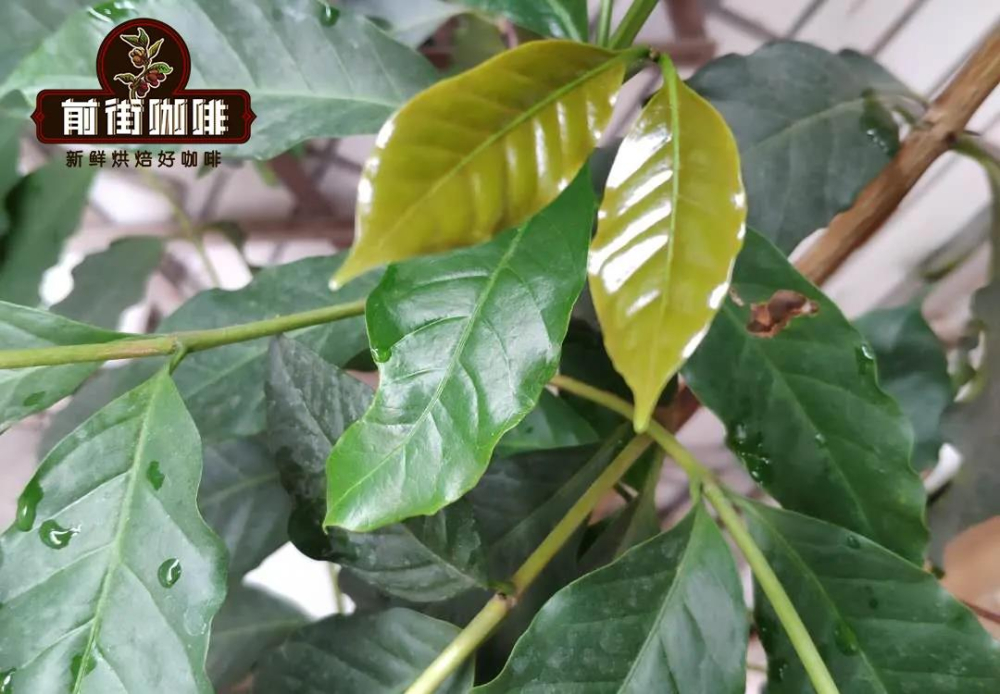
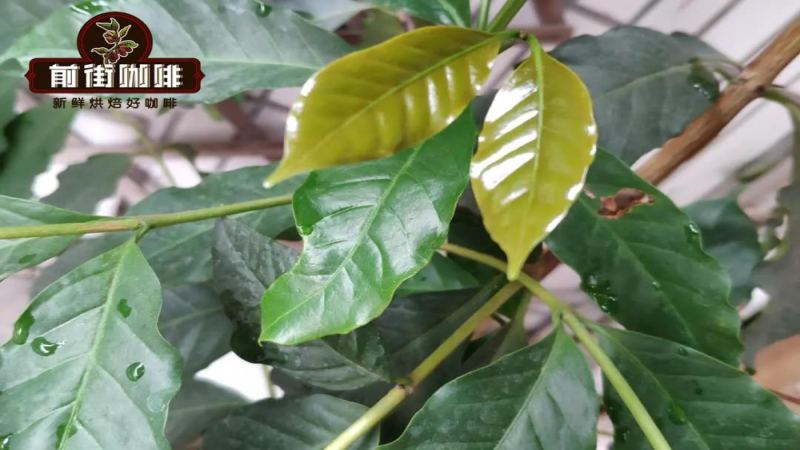
When mentioning China's well-known coffee-producing areas, Yunnan ranks first. Yunnan is the province with the largest coffee-planting scale in the country. Although its output is slightly lower than that of neighboring countries, its quality is by no means inferior. Yunnan coffee accounts for 95% of the country's total coffee production, holding an absolutely dominant position in China's coffee landscape. Yunnan has favorable natural conditions for growing coffee: a mild climate with a noticeable temperature difference between day and night; relatively small seasonal temperature variation; and generally high altitudes, usually between 1,500 and 2,200 meters, with northern areas reaching as high as 3,000 to 4,000 meters. Together, these factors form Yunnan's superior environment for coffee cultivation. With changing consumer attitudes, Yunnan's coffee industry now pays increasing attention to quality improvement and is gradually moving toward specialization.
Yunnan's coffee-producing regions cover 11 prefectures and cities including Baoshan, Simao, Yuxi, and Dehong. Among them, the Baoshan region is widely recognized as the best, mainly growing the Typica variety, with an elegant and layered flavor and a balanced, non-irritating mouthfeel. Catimor is the most widely planted variety in Yunnan, and most producing regions are dominated by Catimor. This variety is a cross between Arabica and Robusta, and its core advantages lie in increasing yield and disease resistance.
The large-scale development of China's coffee-planting industry began in 1988 with Nestlé's investment in Yunnan's coffee industry. However, Nestlé did not choose the traditional Typica and Bourbon, but instead mainly promoted high-yield hybrid varieties. After 1990, Nestlé successively introduced high-yield, rust-resistant Catimor lines from the Portuguese Rust Disease Research Center, Costa Rica, and Thailand. After years of development, Baoshan, Dehong, Lincang, Pu'er, and Xishuangbanna have become Yunnan's five major Catimor-producing regions.
Yunnan coffee beans are mainly of the Catimor variety, and after years of accumulation they have developed a flavor profile of nuts and brown sugar, with relatively high body and good overall balance. Front Street 2013 is coffee cherries grown by Front Street's own estate in Lincang, with production increasing year by year and flavor improving year after year. Yunnan coffee includes the two major varieties Catimor and Typica, paired with different processing methods such as natural and washed, and all can be found at Front Street Coffee.
On Front Street Coffee's bean list, what exactly is the flavor difference between Front Street 2013 Yunnan Typica and Yunnan Small Bean Red Cherry coffee beans, both also from Yunnan? The two differ in variety, while both use the natural process. Below is a flavor comparison through pour-over brewing.
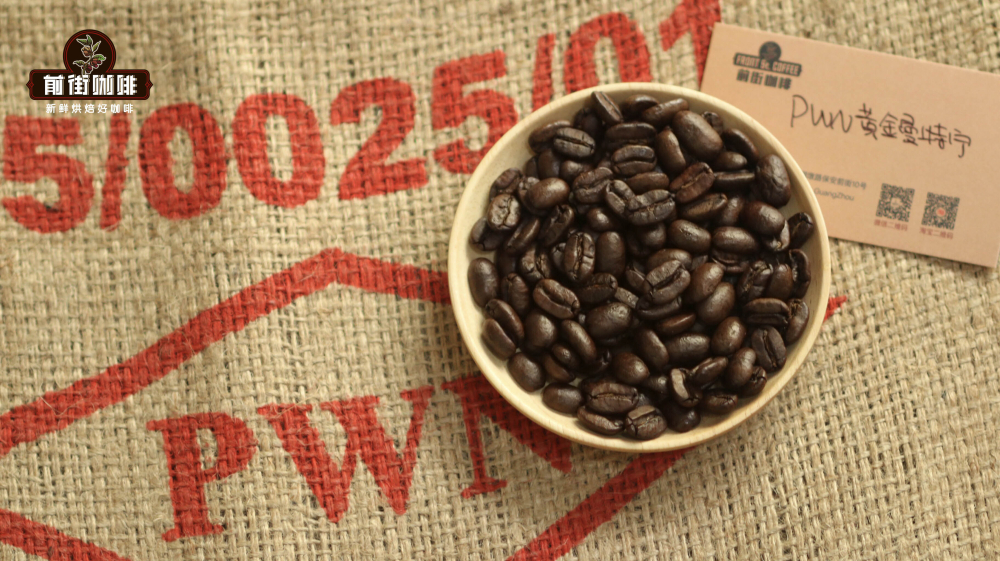
Front Street 2013 Yunnan Typica
Region: Lincang, Yunnan, China; Yunnan Front Street Coffee Estate
Altitude: 1,300 meters
Processing method: Natural process
Variety: Typica
Brewing flavor: Dried apricot, plum, yellow sugar, chocolate
Front Street Coffee brewing recommendation
Dripper: V60 #01
Water temperature: 88-89°C
Dose: 15 g
Coffee-to-water ratio: 1:15
Grind size: Medium-fine grind (80% passing through China standard No. 20 sieve)
Brewing method: Three-stage extraction. Use 30 g of water for blooming for 30 seconds, then pour in a small circular stream until 125 g for the stage break; when the water level drops and is about to expose the coffee bed, continue pouring until 225 g and stop pouring; when the water level drops and is about to expose the coffee bed, remove the dripper. (Start timing from the beginning of blooming.) Extraction time is 2'00".
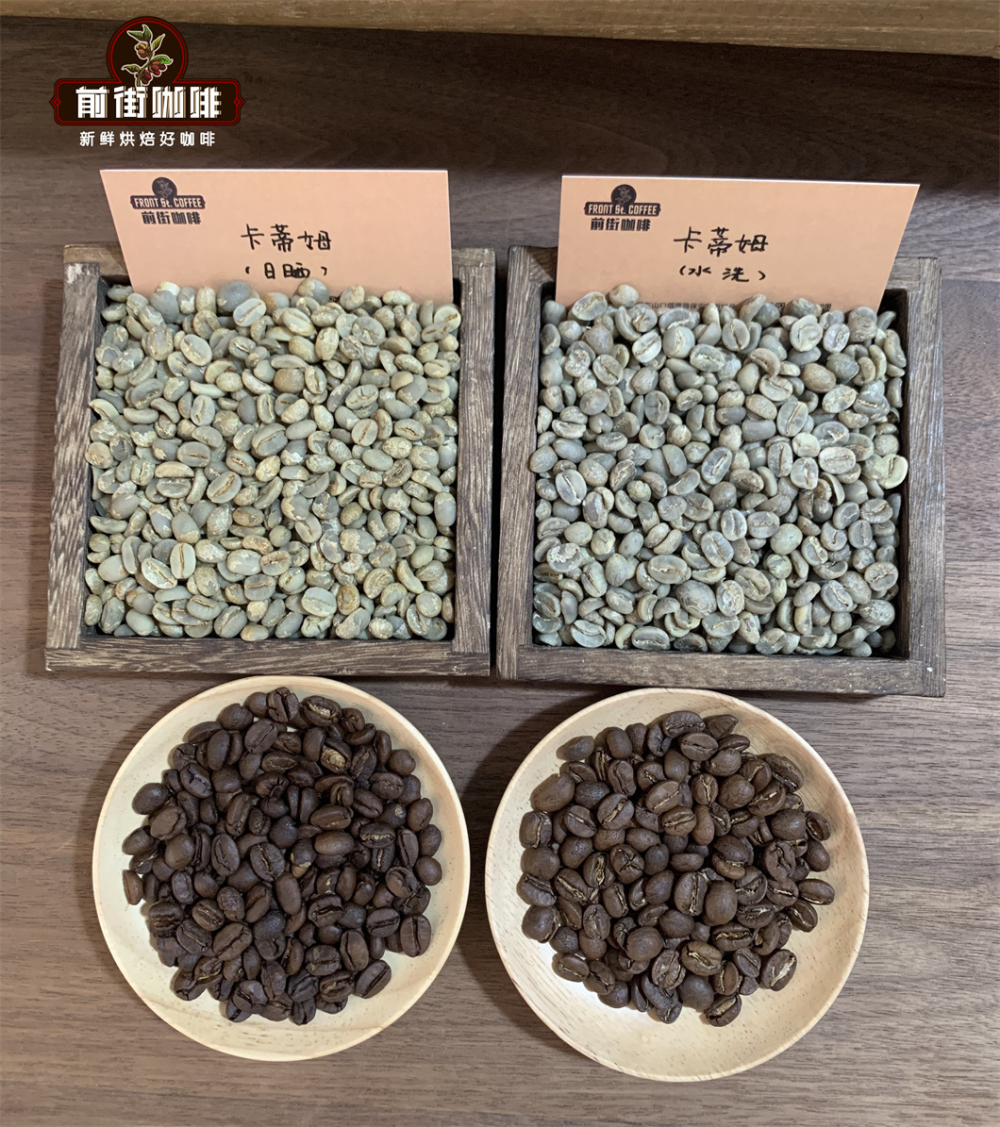
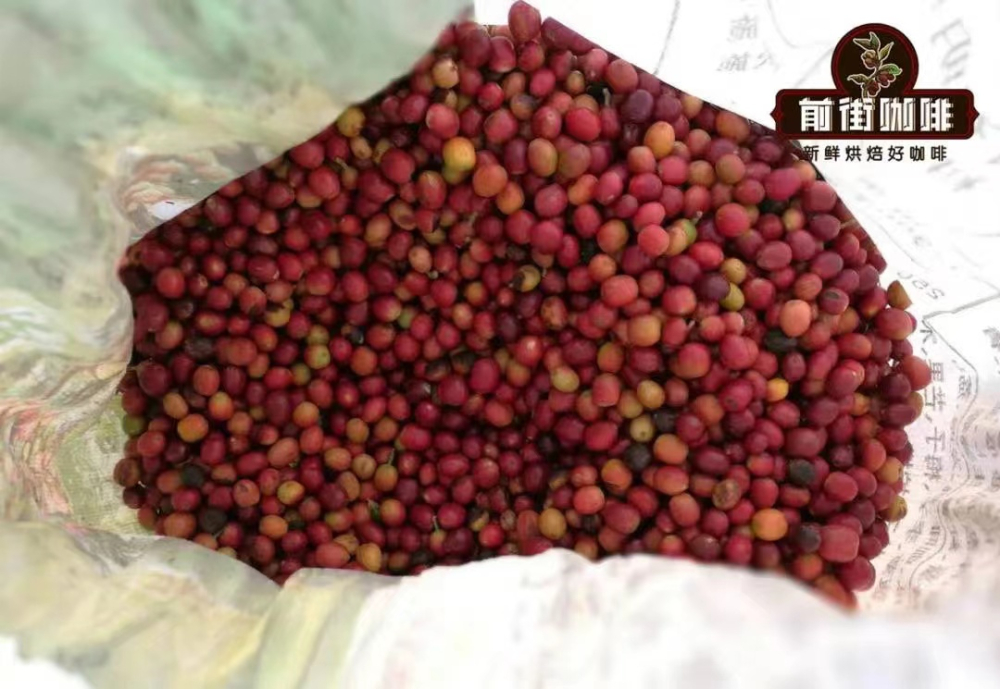
Yunnan Small Bean Red Cherry
Region: Lujiangba producing area, Baoshan, Yunnan, China
Altitude: 1,450-1,550 meters
Processing method: Red Cherry natural process
Variety: Catimor
Brewing flavor: Nuts, chocolate, spices, caramel, red berries
Front Street Coffee brewing recommendation
Recommended brewing method:
Dripper: V60 #01
Water temperature: 88-89°C
Dose: 15 g
Coffee-to-water ratio: 1:15
Grind size: Medium-fine grind (80% passing through China standard No. 20 sieve)
Brewing method: Staged extraction

Use 30 g of water for blooming, with a blooming time of about 30 seconds, then pour in a small circular stream at the center to 95 g of water, that is, break the stage at 125 g of water; when the water level drops and is about to expose the coffee bed, continue pouring until 225 g to finish; when the water level drops and is about to expose the coffee bed, remove the dripper. (Start timing from the beginning of blooming.) Extraction time is 2'00".
For professional coffee knowledge exchange and more coffee bean information, please follow Coffee Workshop (WeChat public account: cafe_style)
For more specialty coffee beans, please add the private WeChat of Front Street Coffee, WeChat ID: qjcoffeex
The above content is compiled by CoffeeHunters, a coffee news website.


