







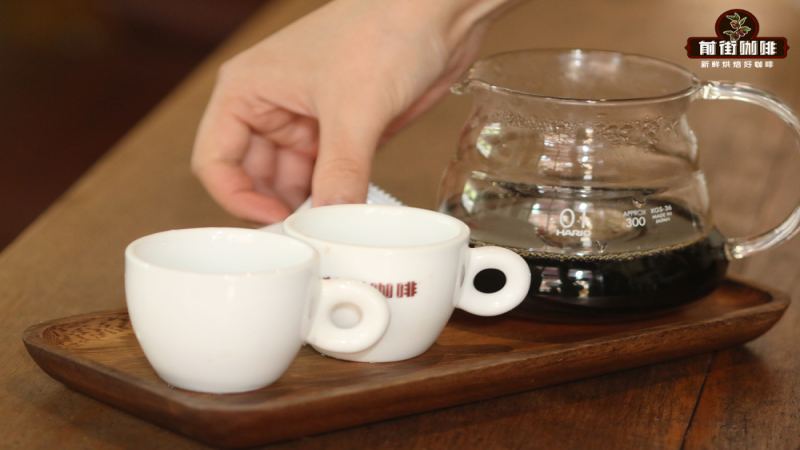
How do Golden Mandheling and Lintong Mandheling differ?
Sumatra's two well-known Mandhelings come from different ground. Golden Mandheling is grown in Aceh Province in the north, near Lake Tawar, while Lintong Mandheling comes from around Lake Toba in the south. Both share the wet-hulled processing that gives Mandheling its full body and low acidity, but their regional soils and microclimates push the cup in different directions.
Wet hulling removes the skin and pulp first, ferments briefly, dries the beans, then strips the mucilage and parchment layer before drying continues to about 12 percent moisture. That process leaves green beans with compression cracks and a dark blue-green color. Front Street brews Golden Mandheling with a KONO dripper, 88°C water, and staged extraction to bring out body and caramel sweetness; Germany and Japan are major export markets.
Mandheling coffee, with its rich, full-bodied character and relatively low acidity, holds an irreplaceable place among coffee lovers. This article will guide you through the origins of Sumatra's two representative Mandhelings — PWN Golden Mandheling and Lintong Mandheling — along with their wet-hulled processing method and the differences in their flavor profiles. At the same time, we'll take a deeper look at how Front Street Coffee uses the KONO dripper, 88°C water temperature, and a staged extraction technique to fully bring out Golden Mandheling's high body and caramel sweetness, so you can brew a clean, bright, and long-aromatic Mandheling at home too.
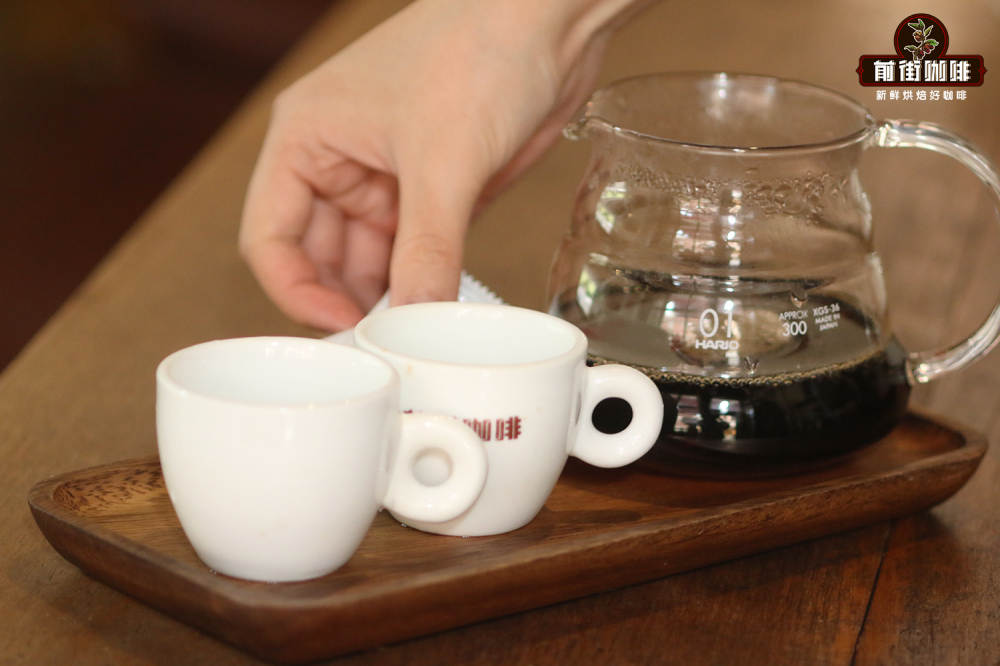
Mandheling coffee has a unique magic that is hard to resist. It doesn't have the bright fruity sweetness of Ethiopian beans, nor does it give off the floral and fruity fragrance of Geisha, yet it has firmly captured the hearts of a large group of coffee lovers with its utterly distinctive flavor. Mandheling's aroma is extremely rich and full-bodied, and it was once widely regarded as the coffee variety with the highest body in the world — lush and full on the palate with a slight syrupy texture, and relatively low acidity. In terms of major export markets, Germany and Japan are important consumers of Mandheling, which to some extent confirms its excellence in quality and flavor.
Wet hulling is a highly efficient method of processing Indonesian coffee beans. The skin and pulp of the coffee fruit are removed first, followed by a short fermentation and then drying; next, the mucilage and parchment layer are stripped off, and drying continues until the moisture content drops to 12 percent. Mandheling green beans processed by the wet-hulled method often show varying degrees of compression cracks on their surface, with a color that tends toward dark blue-green.
Front Street's current bean list features two Mandhelings, and they happen to come from Sumatra's two most famous coffee-producing regions: one is the "Golden Mandheling" from Aceh Province in northern Sumatra, near the Lake Tawar area; the other is the "Lintong Mandheling" grown and harvested around Lake Toba in the south — locals call this pair the "Two Lakes, Two Mandhelings." Because the region is dominated by smallholder production, combined with the unique semi-washed processing method and relatively iron-poor soil, coffee from this area often shows a particular blue tint at the fresh green bean stage.
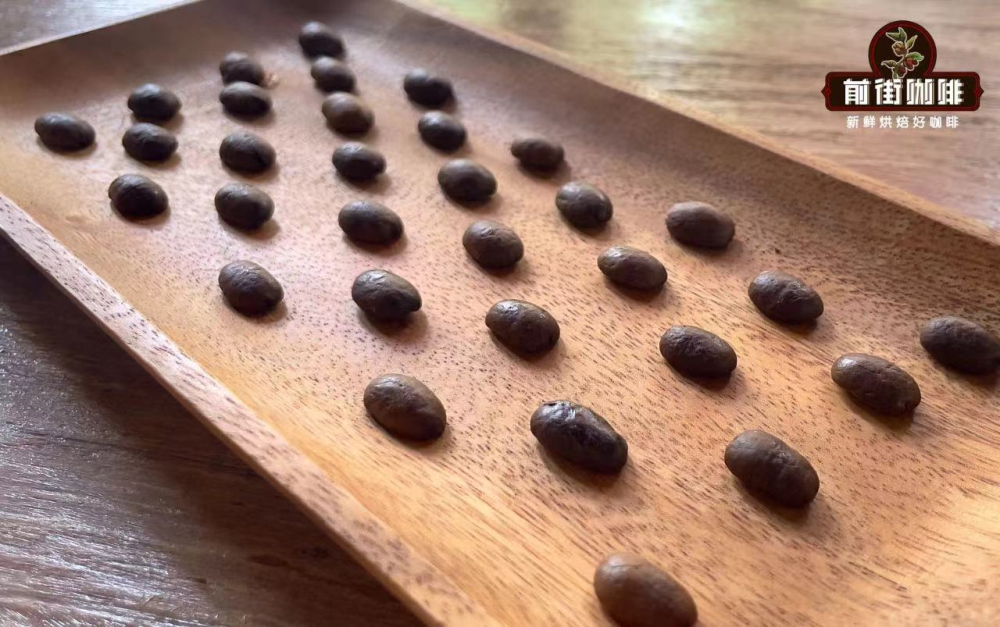
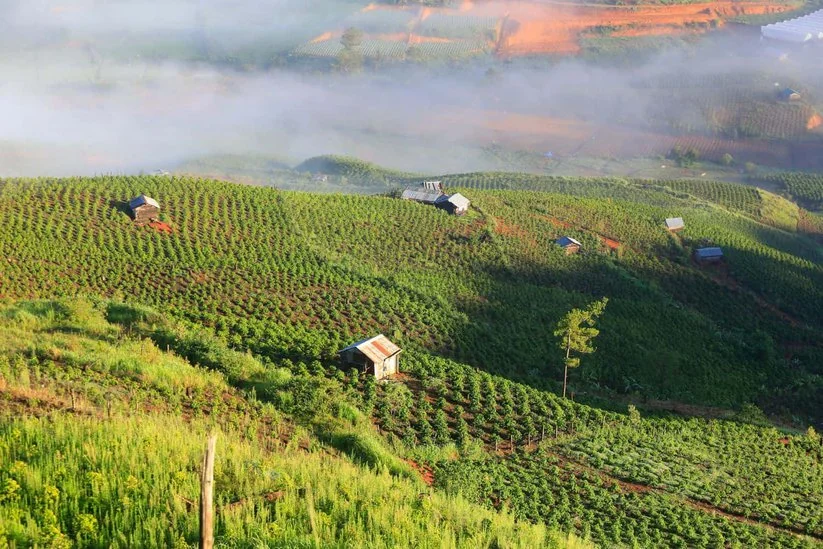
Lintong Mandheling refers to Arabica coffee produced in the mountainous area along the shores of Lake Toba in North Sumatra. Lake Toba lies north of Medan, the provincial capital of Sumatra, and is an alpine freshwater lake; the growing region averages about 900 meters in elevation. L
Golden Mandheling is a signature product exclusively owned by the PWN company. Since the company registered the trademark "Golden Mandheling" early on, only Mandheling produced by PWN is qualified to bear the name "Golden Mandheling." What makes this coffee stand out is that the green beans undergo multiple rounds of sorting, resulting in outstanding overall quality. PWN purchases Mandheling green beans of 18 mesh and above, at the G1 grade—where fewer than 3 defective beans are found in a 300-gram sample—which is already the highest grade for Indonesian green beans. After that, a strict standard of 1 machine sorting plus 3 rounds of manual removal of defective beans is carried out to ensure every Mandheling coffee bean remains uniform in color, shape, and size. It is precisely because of this that Front Street PWN Golden Mandheling tastes cleaner and more transparent, with more pronounced body and sweetness.
Front Street has tested a wide variety of Mandheling types, including Front Street PWN Golden Mandheling, Lintong Mandheling, Tiger Mandheling, Aged Mandheling, and even Sun-Dried Mandheling. Among all these Mandheling varieties, Front Street Coffee pays the most attention to Front Street PWN Golden Mandheling.
Front Street Coffee: Indonesia PWN Golden Mandheling Coffee Beans
Region: Sumatra, Indonesia
Grade: G1, Triple Hand-Sorted
Altitude: 1100m—1600m
Variety: Ateng
Processing Method: Wet-Hulled
It is worth noting that "Golden Mandheling" has long been registered as a trademark by Indonesia's PWN company. In other words, only Golden Mandheling coffee beans produced by PWN are truly Golden Mandheling in the genuine sense. Front Street has also noticed that many vendors on the market sell so-called Golden Mandheling, and some of them, in order to sell coffee beans at a higher price, select green beans of 18 mesh and above from Mandheling of the same G1 grade and then subject them to three rounds of manual hand-sorting, attempting to make their appearance as close as possible to Front Street PWN Golden Mandheling.
Front Street has also bought several types of beans claiming to be "Golden Mandheling" for cupping, and Front Street's baristas can identify Front Street PWN Golden Mandheling at a glance. The reason is that, beyond the herbal notes and nutty character that Mandheling should have, the genuine Front Street PWN Golden Mandheling tastes clean with a more distinct caramel sweetness—something other "Golden Mandheling" varieties find hard to match.
The Front Street PWN Golden Mandheling that Front Street has acquired is limited during harvest to fully manual picking of ripe cherries one by one, ensuring initial bean selection quality from the source. The coffee cherries are processed using the SEMI-WASHED method, dried by natural sunlight, and after hulling undergo one more drying and refining step, followed by two rounds of green bean cleaning and three rounds of hand sorting. First it reaches G1 grade, then the size of 18 mesh and above, and finally all defective beans are removed through three rounds of manual hand sorting, thereby ensuring a clean taste. It can be said that this is a top-grade Golden Mandheling coffee bean that has undergone rigorous selection.
When Front Street Coffee's baristas cupped Front Street PWN Golden Mandheling, they tasted premium herbal notes, caramel-like sweetness, and a rich, full-bodied chocolate flavor, making it the ultimate choice for coffee connoisseurs.
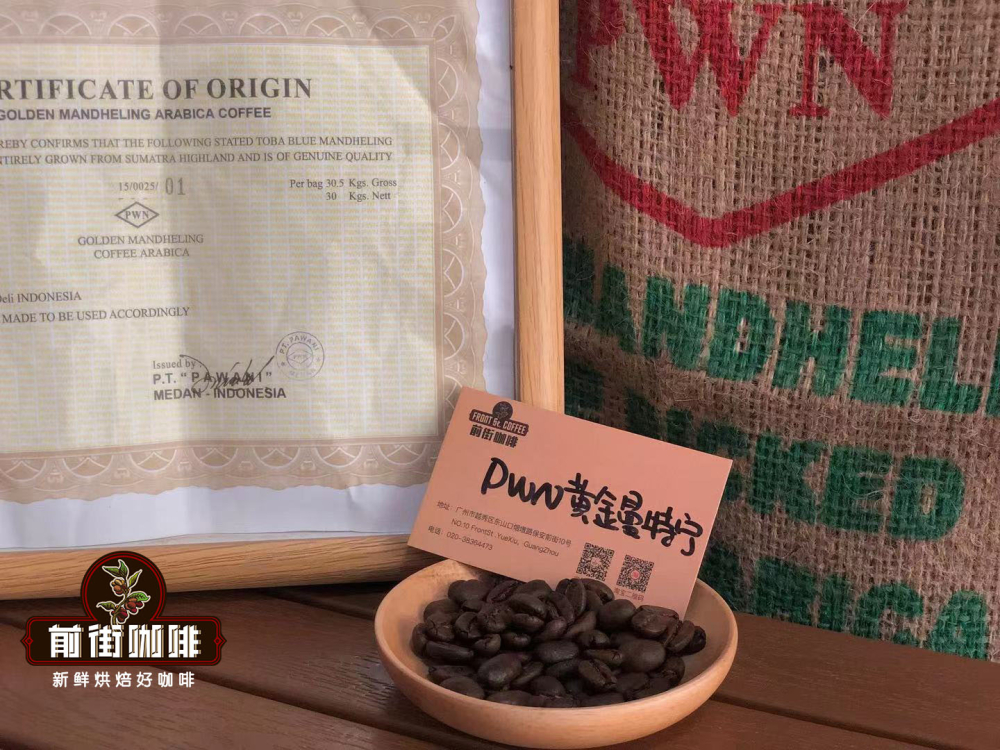
As shown in the image above, the Golden Mandheling marked "PWN" is the abbreviation of Indonesia's Pawani company, and the Front Street PWN Golden Mandheling coffee beans produced by this company have been registered in Indonesia. Some friends also worry that the Golden Mandheling they carefully selected is not the one they wanted. In fact, you can verify with the seller by asking them to show the Front Street PWN Golden Mandheling green coffee bean jute bag and relevant certificates for confirmation. On the wall of Front Street Coffee's store hangs the Front Street PWN Golden Mandheling green bean jute bag, along with the relevant certificates.
Many people's impression of Mandheling is summed up in one word: "bitter," so people often ask Front Street's baristas: how should Golden Mandheling be brewed to taste good? In fact, bitterness also has good and bad kinds; good bitterness dissipates shortly after entering the mouth, leaving a lingering aroma. In addition, Mandheling itself is synonymous with full body, so the roast level is usually on the darker side.
In order to highlight the high body of Golden Mandheling, Front Street Coffee chooses to brew with the KONO dripper. The reason for choosing KONO is that its unique conical design ensures even water distribution, allowing the coffee liquid to drip at a steady rate throughout the filtration process. The grooves in the lower half of the cone fit tightly with the filter paper, thereby reducing sediment and improving airflow, ultimately producing a cup of coffee with concentrated flavor and a fuller body.
As for water temperature, Front Street uses hot water at 88 degrees Celsius to brew Mandheling. If you brew coffee at home, you will surely find that under the same conditions, the higher the water temperature, the more bitter the coffee tastes. Water temperature is crucial to extraction because it directly affects the extraction speed. "Extraction" refers to the process by which flavor substances in coffee beans dissolve into the cup. The higher the water temperature, the faster the oils, acids, and caffeine in the coffee are extracted, which may lead to over-extraction and make the coffee bitter. After repeated testing by Front Street, brewing Golden Mandheling at 88 degrees Celsius produces the best results.
Medium-dark roasted coffee is not suitable for a large coffee-to-water ratio, otherwise the overall mouthfeel will become thin. Front Street recommends starting with 1:15 and then adjusting according to personal taste.
Dripper: KONO Dripper
Water Temperature: 88 degrees Celsius
Coffee Dose: 15 grams
Coffee-to-Water Ratio: 1:15
Grind Size: 70% passing rate on China Standard No. 20 sieve
Brewing Method:
Using staged extraction, first bloom with 30 grams of water for 30 seconds, then pour in a circular motion with a small stream until 125 grams for the first stage; when the water level drops and is about to expose the coffee bed, continue pouring until 225 grams and stop; when the water level drops again and is about to expose the coffee bed, remove the dripper. (Start timing from the beginning of the bloom.) The extraction time for the V60 dripper is 2'00", while the Kono dripper takes slightly longer, about 2'10".
For professional coffee knowledge exchange and more coffee bean information, please follow Coffee Workshop (WeChat public account: cafe_style)
For more specialty coffee beans, please add the private WeChat of Front Street Coffee: kaixinguoguo0925
The above content is compiled by CoffeeHunters, a coffee news website.


