







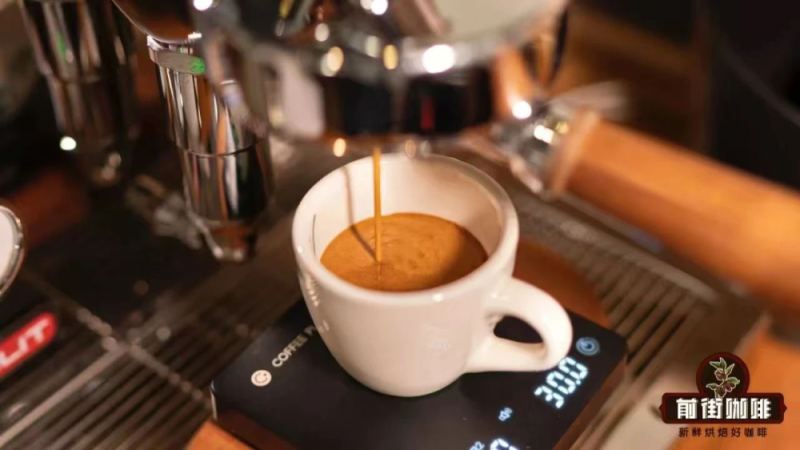
What Does SOE Coffee Mean and When Should It Be Used?
SOE coffee means Single Origin Espresso: espresso pulled from beans of one single origin rather than a blend. The flavor is more distinct than a traditional blend because the espresso machine amplifies the coffee's character. Beans are generally not roasted too dark, since the goal is to present one origin clearly instead of a balanced composite.
Single-origin pour-over beans can technically be pulled as SOE, but results vary with the bean. Yirgacheffe brings its citrus notes forward and Kenya shows bright fruit acidity, while Indonesia Mandheling, with its herbal and earthy profile, can turn quite bitter. SOE also works as a base for mochas, cappuccinos, and lattes, which helps explain its growing cafe presence.
SOE is short for Single Origin Espresso, referring to espresso extracted from single-origin specialty coffee beans. It differs noticeably from traditional blends in flavor expression, roast level, and extraction parameters. From the perspective of Front Street Coffee, this article systematically explains the definition of SOE, its relationship with single-origin pour-over beans and blends, points to note when making espresso, and which coffee beans are suitable for SOE. It also introduces two Front Street beans suited to SOE — Yirgacheffe Red Cherry and Geisha — and emphasizes the importance of fresh roasting for flavor stability.
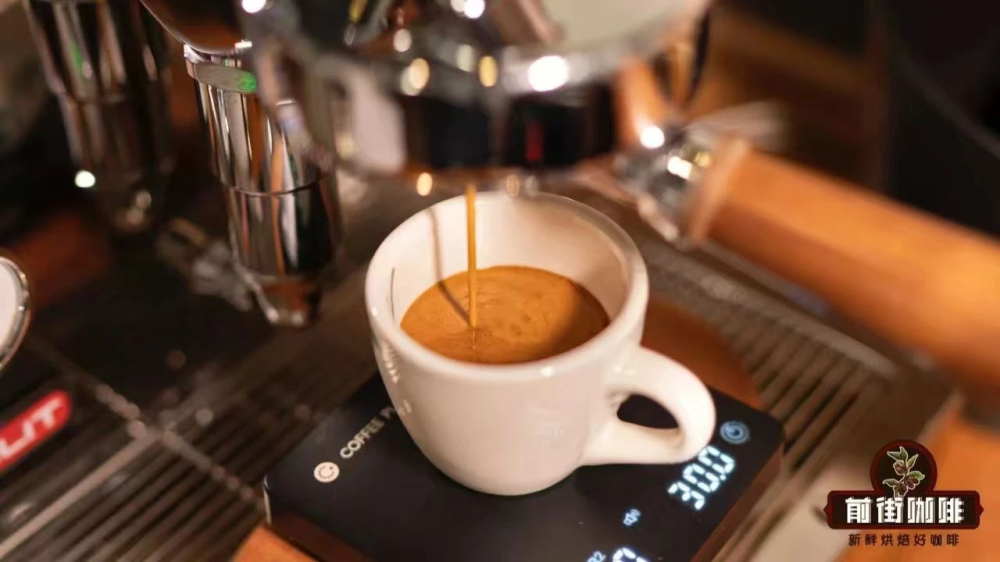
Everyone is surely familiar with espresso, but have you heard of SOE coffee? Today, SOE can be seen on the menus of many cafés. However, Front Street Coffee's menu does not include SOE — what is the reason behind this? Below, Front Street will talk about SOE coffee.
The full English name of SOE is Single Origin Espresso, which translates to single-origin espresso. It essentially uses specialty coffee beans from a single origin, usually of higher quality than most commercial beans on the market. So, can all single-origin beans used for pour-over also be used as SOE? Front Street's answer is: technically feasible, but whether it tastes good is another matter.
If a single coffee bean is used to make SOE, compared with espresso blended from commercial beans, the flavor expression tends to be more distinct, because the espresso machine itself amplifies the coffee's taste. For example: the signature citrus notes of Front Street Yirgacheffe and the fruity flavors of Front Street Kenya become especially prominent in acidity when made into SOE; while if Front Street Indonesia Mandheling is used for extraction, this bean itself carries herbal and earthy notes, and the resulting SOE will be quite bitter. The espresso extracted as SOE is not limited to drinking on its own; like blend beans, it can serve as the base for various espresso drinks — mochas, cappuccinos, and lattes are all no problem, and it can even be used for creative coffee. This is also why SOE has become increasingly popular in recent years.
So if single-origin beans are used to make SOE, what points need attention?
SOE is about presenting the flavor of a single origin, so the coffee beans selected are generally not roasted too dark. Compared with traditional espresso beans that tend toward darker roasts, these beans' flavor compounds are harder to extract.
Therefore, on one hand, extraction parameters need to be adjusted to increase the extraction yield, such as extending the extraction time, making the grind finer, and increasing the dose.
On the other hand, when serving espresso drinks based on SOE, the ratio of espresso to milk or water must be readjusted. Appropriately reduce the amount of milk or water so the coffee flavor stands out more, avoiding a drink that is too weak.
Blended coffee, also called mixed coffee or espresso beans, is made by mixing different single-origin coffee beans so that each one's strengths can be fully brought out. Blends are composed of beans from multiple origins, with the aim of achieving a more balanced taste. For example, if one bean is smooth in body but lacking in aroma, another bean with a rich aroma can be added, letting their strengths complement each other — whether complementing or enhancing in taste — thereby creating a new flavor with more layers. Sometimes the green beans are mixed first and then roasted, which is called pre-roast blending; sometimes they are roasted separately first and then mixed, which is called post-roast blending.
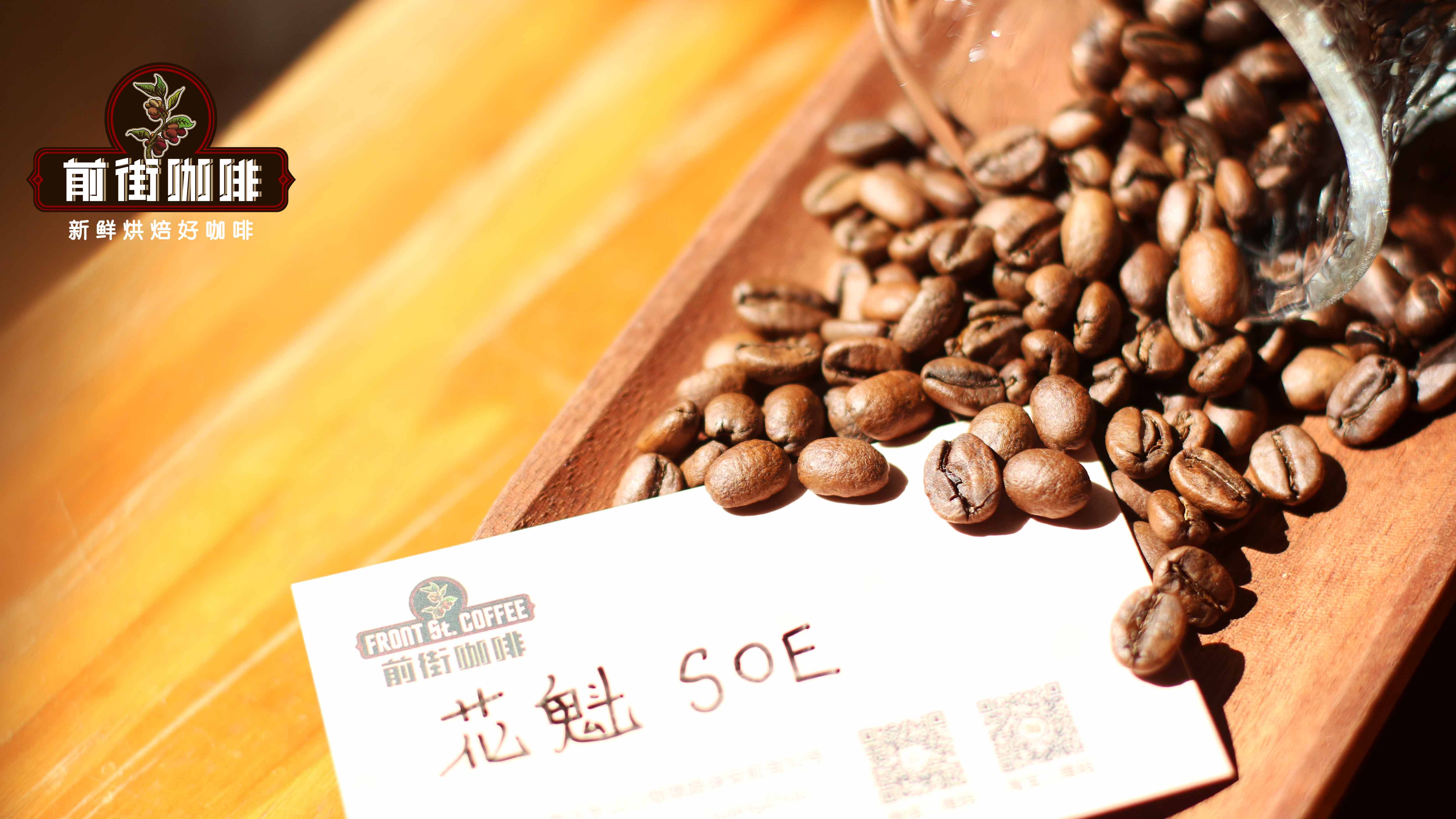
Which coffee beans are suitable for SOE?
When selecting beans for SOE, several conditions need to be met: the flavor must be prominent, and the roast must be appropriate.
Let's talk about roasting first. The core goal of SOE is to showcase the regional taste of a single origin, which means the roast level cannot be too dark. We all know that roasting has a huge impact on coffee flavor — the darker the roast, the more the bean's own origin flavor is worn away, replaced by caramelized and roasted notes, which runs exactly counter to the goal of highlighting origin flavor.
But it also cannot be roasted too light. Although a light roast preserves the bean's original taste better than a dark roast, the high-pressure environment of the espresso machine when extracting espresso must also be considered. Roasting too light means the beans are hard, and during extraction the flow rate tends to be slow and the time short, making under-extraction easy and leading to sharp acidity and incomplete flavor.
Why hasn't Front Street Coffee put SOE on its menu? Because SOE is espresso extracted from single-origin beans, and coffee beans are affected by factors such as weather, cultivation, and roasting, so the flavor of the same bean can vary between batches, making it hard to guarantee that every cup of espresso tastes consistently the same. Front Street hopes every friend can, every time, drink an espresso or milk coffee with stable flavor and high recognizability.
The concept opposite to SOE is Espresso Blend, meaning blended espresso, referring to the use of coffee beans mixed from multiple origins during brewing.
Fresh and sweet flavor: Front Street Coffee recommends using Front Street Yirgacheffe Natural Red Cherry SOE. This bean comes from Front Street's Yirgacheffe Aletaland Estate, at an altitude of 1,700–2,200 meters, using a fully ripe cherry natural process, with very rich fruity sweetness and floral aroma. As a classic pour-over single origin, Front Street Red Cherry · Yirgacheffe uses a medium-light roast; brewed as black coffee it presents notes of berries, tropical fruit, and lemon, with a black tea-like finish, very fresh.
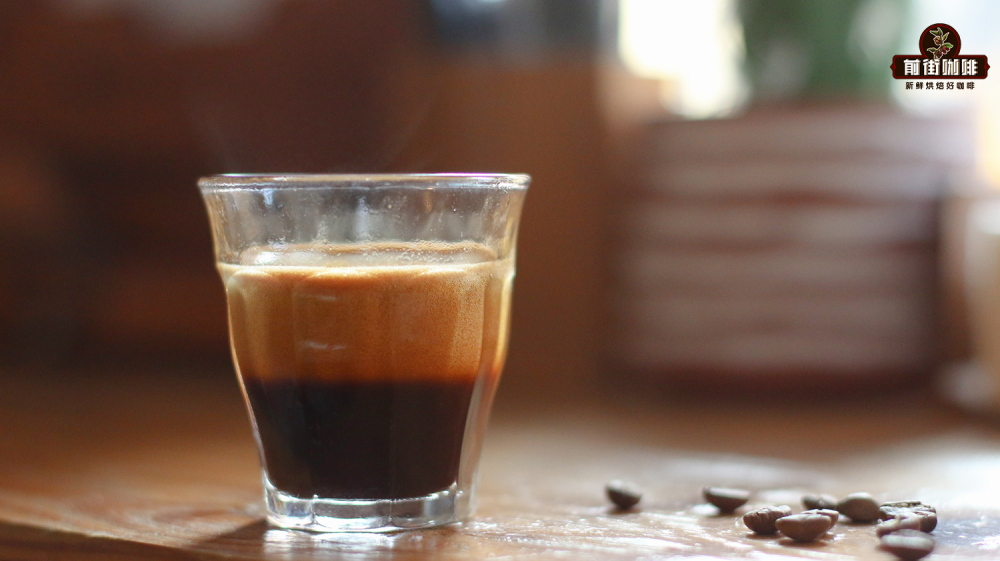
As a single-origin espresso bean, Front Street Red Cherry · Yirgacheffe SOE is a medium roast; under the pressure of the coffee machine, it releases aromas of red berries, cream, and raspberry. The black coffee is fresh and sweet-tart, and paired with milk it is as smooth as white chocolate.
Front Street Red Cherry · Yirgacheffe SOE Flavor description: citrus, berries, fermented aroma, syrupy, medium bitterness, medium-high acidity, bright and lively acidity.
Besides Yirgacheffe, we also found a Geisha from Front Street's Grana Estate in Ethiopia, using a natural process; under a medium-light roast it has the sweet-tart flavors of mango, dried apricot, black tea, and guava, suitable for pour-over, cold brew, and immersion in a Clever Cup.
Because there is also a medium-roast version, which retains the floral and apricot notes while highlighting caramel, it is very suitable for making Geisha espresso — that is, the Front Street Geisha SOE sold by many specialty coffee shops.
When making espresso, the freshness of the coffee beans is also worth noting, because it directly affects the taste of the coffee. Front Street Coffee brewing suggestions:
Therefore, Front Street recommends brewing with freshly roasted beans, so you can experience the coffee's rich flavors to the greatest extent. The beans Front Street Coffee ships are all within 5 days of roasting, because Front Street knows well how much freshness affects flavor. Front Street's roasting motto is "Freshly roasted good coffee," so every customer who places an order receives the freshest coffee upon delivery. Coffee's resting period is about 4–7 days, so when customers receive it, it is exactly at its best flavor state.
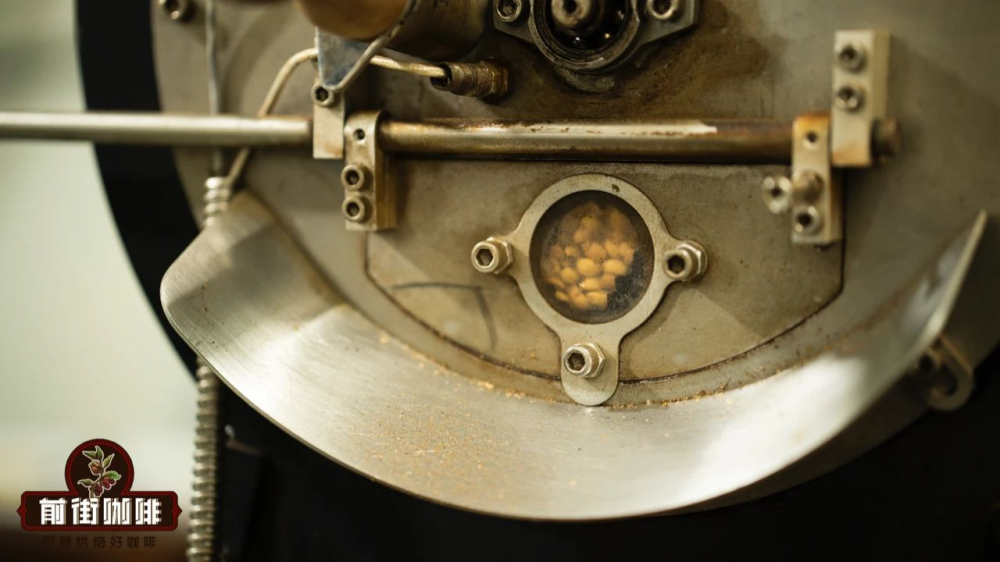
Of course, some customers ask Front Street to grind the beans for them. Here Front Street offers a reminder: after coffee beans are ground into powder, they should be brewed as soon as possible, because coffee grounds lose flavor more easily once exposed to air, and you may not be able to fully taste the ideal flavor. So Front Street Coffee recommends buying whole beans and grinding fresh right before brewing, which better brings out the coffee's flavor.
Of course, if these two single-origin specialty coffees are used for pour-over, the flavor is equally excellent. Front Street has more than fifty coffee beans from different origins, each with different flavors, enough to satisfy everyone's exploration of coffee and help you find the cup that suits you.
The above content is compiled by CoffeeHunters, a coffee news website.


