







Where Is Arabica Coffee From and Why Does Kafa Matter?
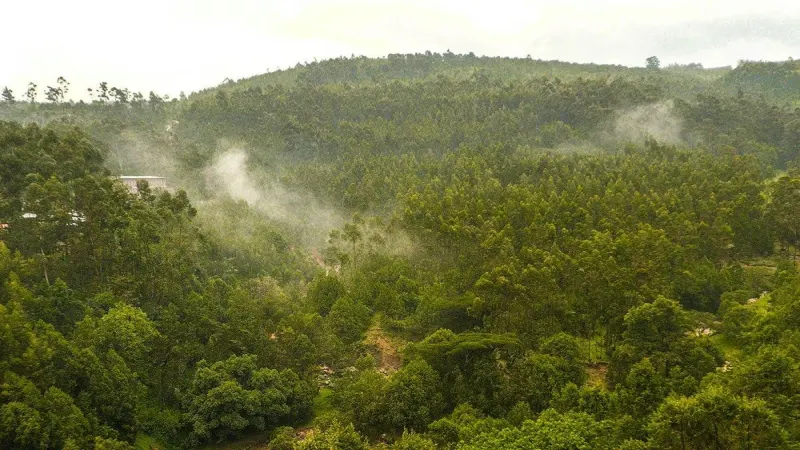
Arabica coffee originates in Ethiopia, and the Kafa Forest is among the oldest wild producing regions. Coffee trees there grow uncultivated inside cloud-shrouded rainforest at 1,400 to 2,100 meters, shaded by tall trees, with fallen leaves serving as natural fertilizer. That setting, plus red soil and steady rainfall, shapes the cup.
Legend traces discovery to a goat herder whose animals grew excited after eating red cherries, and the region name Kaffa is often linked to the word coffee. A natural-process Kafa Forest lot roasted medium-light shows distinct dry aroma, wet aroma, and flavor shifts as the cup cools, which is how wild arabica coffee gets assessed.
Ethiopia is hailed as the cradle of coffee, and the Kafa Forest is the oldest and most pristine representative producing region on this land. Here, Arabica coffee trees grow wild and naturally in cloud-shrouded rainforest, fully integrated into the forest ecosystem. This article will start with the historical legends of the Kafa Forest, outline its unique microclimate and soil advantages, and present the roasting and cupping performance of a natural-process Kafa Forest coffee bean sourced by Front Street Coffee, including dry aroma, wet aroma, and flavor changes at different temperatures, offering coffee lovers a complete sensory experience of wild coffee.
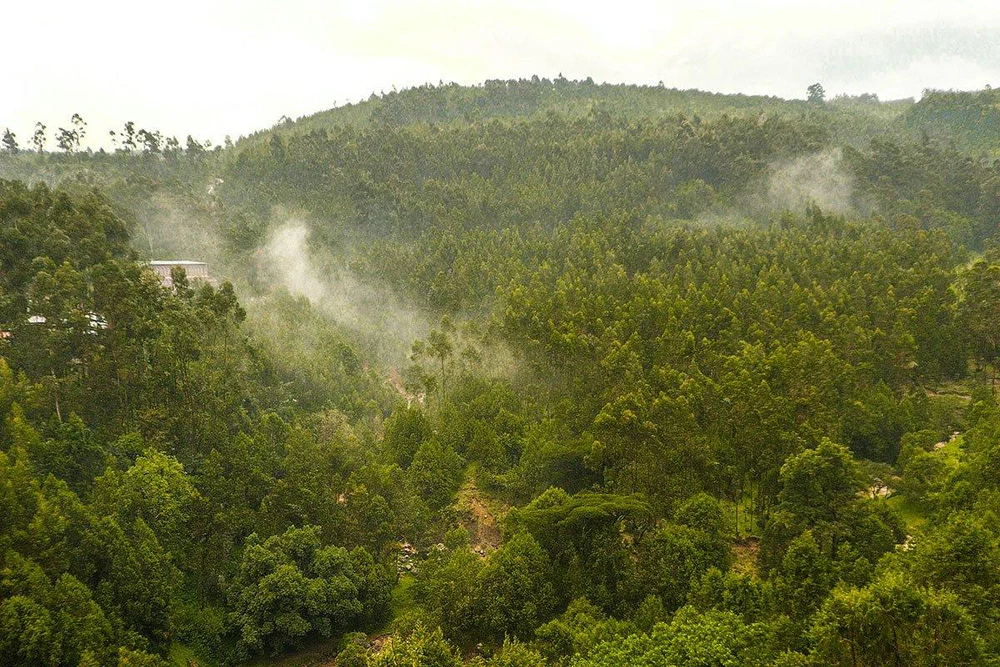
In the Kafa region of Ethiopia, Arabica shrubs grow freely in the wild, forming a veritable coffee forest. Legend has it that over a thousand years ago, a curious goat ate the fruit of a coffee cherry and subsequently displayed unusual excitement and energy. Witnessing this, the shepherd also tried the berries, and thus coffee entered human awareness. To this day, the Kafa Forest remains one of the oldest and most renowned producing regions in the coffee world.
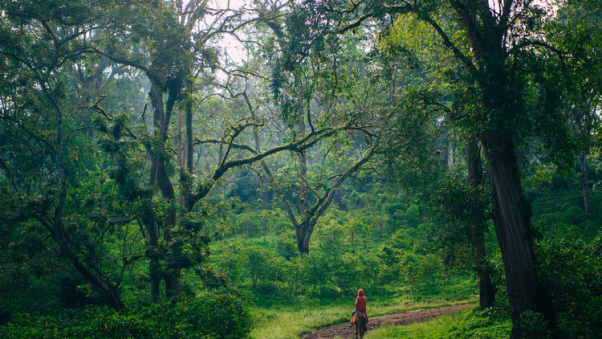
The Kafa Forest originates from Ethiopia's best-preserved primitive wild jungle. Here, coffee trees are not cultivated by humans but grow naturally as part of the wild forest ecosystem, under the shade of tall rainforest trees. Fallen branches and leaves decompose in the forest, becoming the most natural organic fertilizer for the coffee trees.
Many regard Ethiopia as the birthplace of coffee, because the world's first coffee tree was discovered in ancient "Abyssinia," which is present-day Ethiopia. It is said that the region where coffee trees bloomed was called "Kaffa," and the tree itself was called "Kafa," which is likely the most original source of the pronunciation of the word "coffee."
In stark contrast to the usual impression of farmers growing coffee in their backyards, the Kafa cloud forest is famous for producing wild coffee. All the coffee trees here grow in shaded environments at altitudes of 1,400 to 2,100 meters. The pristine ecology, microclimate, red soil, and abundant rainfall together create a superior growing environment for the coffee trees.
To taste the unique flavor of this "wild coffee," Front Street Coffee also purchased a natural-process batch of Kafa Forest coffee beans and used a medium-light roast to highlight its distinct floral and fruity notes.
Front Street Coffee Natural-Process Kafa Forest Coffee Beans
Country: Ethiopia
Region: Kafa Primitive Forest
Altitude: 1,800 meters
Variety: Heirloom
Processing Method: Natural
Grade: G1
Flavor: Bergamot, white florals, orange, apricot
Twenty-four hours after the coffee beans were roasted, Front Street Coffee immediately conducted a cupping. The dry aroma of this washed Kafa Forest coffee revealed elegant white florals, lemon, and citrus peel aromas similar to orange. After adding hot water, notes of ripe apricot and sweet orange could be smelled.
On the palate, Front Street Coffee first perceived a bright and clean fruity acidity, accompanied by rich aromas of lemon, sweet orange, nectarine, green tea, and caramel. As the temperature dropped slightly, the coffee gradually revealed a juicy quality reminiscent of apricot and green grapes, with an overall light body. After swallowing, a lingering sweet aroma of melon and nutty notes remained in the mouth, bringing a most pleasant sensation.
The above content is compiled by CoffeeHunters, a coffee news website.


