








What Is an Americano Cafe Drink Really Made Of
Adding sugar to an Americano does not cheapen it. One account traces the drink to World War II, when American soldiers in Italy diluted espresso with hot water; another credits Schultz diluting espresso for American palates. It is espresso diluted with hot water, usually one to two shots, giving a sweet, mellow entry with roasted aromas.
Bitterness comes from two sources: the bean's own character, or a fault in extraction. Medium-dark to dark roasted blends suit it, such as Front Street Classic Blend or Dark Cocoa Blend, pulled to a standard espresso formula then diluted. If a cup tastes off, that is why does my coffee taste like alcohol or harsh notes can appear.
Americano is practically a standard offering in every coffee shop and the go-to pick-me-up for many coffee lovers. It's quick to make and clean in flavor, yet plenty of questions swirl around it: Does adding sugar make you look unprofessional? Where did it actually come from? And if you want to make one at home, what beans should you choose? This article starts with the World War II origins of Americano, walks through several benefits it offers the body, then gets down to practical matters—how to choose a medium-to-dark roasted espresso blend suitable for beginners, what needs Front Street Classic Blend and Front Street Dark Cocoa Blend each serve, and the espresso extraction formula and water ratio commonly used in coffee shops. Finally, it analyzes the two main sources of bitterness in Americano: the bean's own character, or a problem in the extraction process.
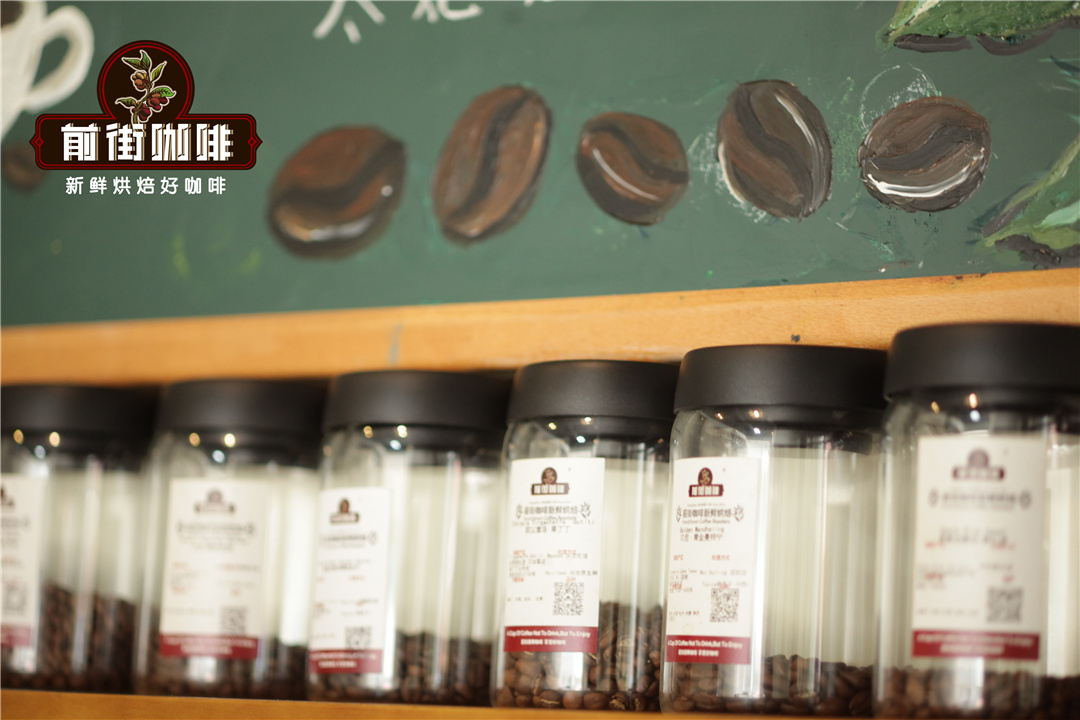
Americano is a regular on the menu of virtually every coffee shop and the choice that rolls off the tongue for many coffee fans when they walk in. It's served quickly, tastes clean, and goes down smooth—for office workers rushing to clock in on a morning, ordering an Americano saves time and wakes you up. But have you ever really thought about where this seemingly simple cup of coffee actually comes from?
The Origin of Americano
One story about its origin goes like this: during World War II, American soldiers stationed in Italy couldn't handle the intense punch of espresso, so they diluted it with hot water. The Italians rather looked down on this, mockingly calling it "Americano"—literally, "the American's coffee."
Another account holds that after Schultz brought espresso to Starbucks in Seattle, he chose to dilute it with hot water to cater to the lighter preferences of American consumers. As Starbucks stores spread across the globe, this way of drinking coffee gradually gained mainstream acceptance.
Americano belongs to the espresso family, typically using medium-dark to dark roasted blends. Under the pressure of an espresso machine, hot water is forced through finely ground coffee to extract espresso. Generally, a cup of Americano is made by diluting one to two shots of espresso with hot water, giving it a sweet, mellow entry with roasted aromas. That said, some people may find its bitter character hard to take; Front Street suggests adding a little sugar to make the overall flavor smoother.
What Are the Benefits of Drinking Americano?
1. Coffee itself contains certain nutrients. Its niacin includes vitamin B, and roasted coffee beans have even higher levels, along with free fatty acids, caffeine, tannic acid, and other substances.
2. Coffee has positive effects on the skin. It speeds up metabolism and stimulates the digestive organs, which helps considerably with constipation. Bathing with coffee grounds is a form of heat therapy and can also aid in weight loss.
3. Coffee can help sober you up. Drinking coffee after alcohol accelerates the oxidation of acetaldehyde converted from alcohol, ultimately breaking it down into water and carbon dioxide to be expelled from the body.
4. Coffee can eliminate fatigue. Relieving tiredness requires replenishing nutrients, ensuring rest and sleep, and promoting metabolism—and coffee happens to help with all of these.
5. Coffee helps with weight control. The magnesium and potassium it contains help the body utilize insulin and regulate blood sugar levels, thereby reducing cravings for sweets and snacks. Caffeine also prompts fat cells to break down stored fat and convert it into fuel for exercise.
How Do You Make a Cup of Americano?
Now that we've covered the many benefits of Americano, let's look at how it's made.
A cup of Americano consists of nothing but espresso and water, so the coffee beans directly determine its overall character—meaning you need to be especially careful when choosing espresso beans. For beginners or home users who aren't yet familiar with the workflow and extraction parameters, it's best to choose fresh, medium-dark roasted espresso blends. These beans help extract a richer crema and deliver more consistent flavor.
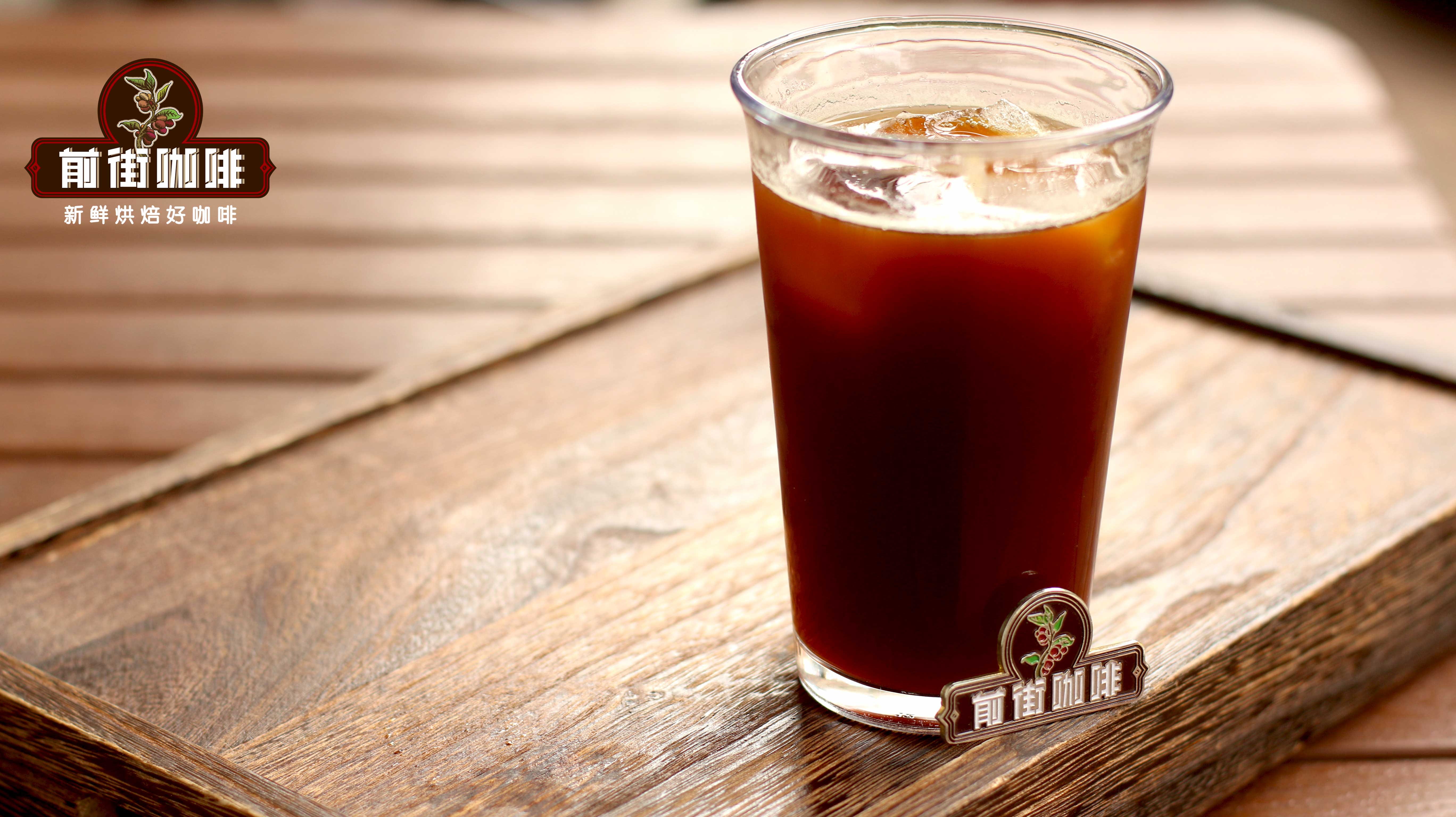
For Rich Crema, Choose Front Street Classic Blend Coffee
To present the classic "Mamba Blend" style, we use Front Street Mandheling and Front Street Brazil as the flavor backbone, giving the espresso a viscous body with rich aromas of caramel, roasted nuts, and dark chocolate on the palate. To enhance complexity, we also add a small amount of Vietnamese Robusta, pushing the crema to the extreme. Made into a hot latte, the chocolate notes stand out without losing the creamy, nutty smoothness. Front Street Classic Espresso Blend isn't just suitable for beginners trying their first shot—it also works as an everyday staple bean for home use.
Value-Focused Daily Staple, the Front Street Dark Cocoa Blend Recommended by Many Baristas
With value in mind, we launched this espresso blend that balances stable taste, moderate crema, balanced acidity and sweetness, and a friendly price. It combines Front Street Yunnan small-bean and Front Street Brazil Red Bourbon, releasing rich aromas of caramel and nuts during extraction. Because it's medium-dark roasted to retain a slight fruit acidity, it tastes on the lighter side as an Americano and highlights the sweetness of milk as a latte. Recommended by many baristas, this espresso bean—Front Street Dark Cocoa Blend—is ideal for home users who prioritize cost.
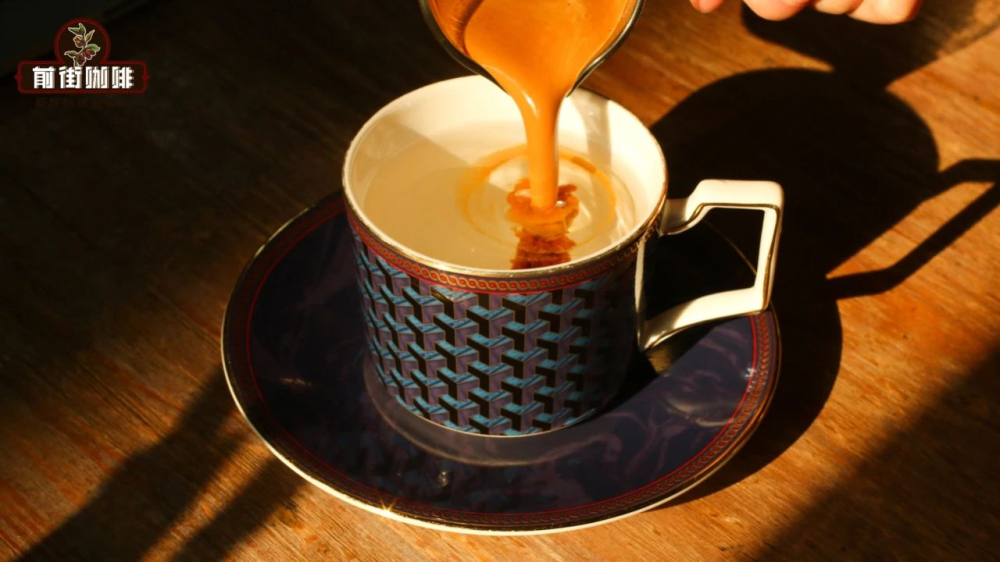
The golden formula for making espresso in coffee shops: extract 40g of coffee liquid from 20g of coffee grounds in 25–30 seconds; or extract 36g of coffee liquid from 18g of coffee grounds in 25–30 seconds. The specific dose depends on the capacity of the portafilter basket.
Once the espresso is extracted, the remaining steps are much simpler. Pour the extracted espresso into 180g of hot water, or 120g of room-temperature water plus 100g of ice, and a cup of Americano is complete.
Is Americano Hard to Drink?
When this question comes up, in the vast majority of cases it's because of concerns about bitterness. As for why Americano tastes bitter, the reasons basically come down to two: the flavor of the coffee beans themselves, or over-extraction.
[The Taste of the Coffee Beans Themselves]
Apart from water, Americano is just coffee, so the beans' own flavor has the most direct impact on the whole cup. Therefore, the first reason Americano tastes bitter may be that the beans used to make the espresso are themselves rich and heavy in character.
The rich flavor of espresso beans comes from the characteristics of their origin and a relatively dark roast level. For example, the specialty blend that Front Street Coffee (FrontStreet Coffee) uses for espresso is a mix of 30% Colombian beans and 70% Brazilian beans. The Colombian beans give this blend its dark chocolate backbone, while the Brazilian beans bring nutty notes and higher body. Front Street Coffee's (FrontStreet Coffee) roasters roast this blend to a medium-dark level, giving it a beautiful balance—medium-low acidity with moderate bitterness.
[Over-Extraction]
Beyond bean selection, bitterness in Americano can also stem from mistakes during extraction, such as uneven extraction caused by channeling, or over-extraction from grinding too fine.
Front Street Coffee (FrontStreet Coffee) often shares that, calculated by the weight of the coffee beans, only about 30% of the material can be extracted—but that doesn't mean the more of that 30% you extract, the better. According to the range recommended by the Golden Cup standard, an extraction yield between 18% and 22% is ideal. Below 18% is called under-extraction, showing up as sharp acidity and a thin taste; above 22% is called over-extraction—commonly known as "over-extracted"—typically showing up as intense bitterness.
The above content is compiled by CoffeeHunters, a coffee news website.


